
Cane Corso brushing is straightforward with the right tools and routine. Regular grooming keeps their short, dense coat healthy, prevents matting, and reduces shedding, making it an essential part of care for this majestic breed. This guide will show you how to brush your Cane Corso effectively and easily.
Welcoming a Cane Corso into your home means embracing a truly remarkable companion. These powerful yet gentle giants are known for their loyalty and protective nature. While their short coat might seem low-maintenance, proper brushing is a fundamental part of keeping your Cane Corso healthy and happy. Many new owners wonder about the best way to tackle their dog’s grooming needs, especially when it comes to brushing.
It can feel a bit overwhelming to know where to start. This guide is designed to simplify everything for you, providing clear, step-by-step instructions and essential Cane Corso facts about brushing. We’ll cover everything from the best tools to use to how often you should be brushing, making your grooming routine a positive experience for both you and your furry friend.
Understanding Your Cane Corso’s Coat
Before we dive into the “how-to” of brushing, let’s talk a little about the Cane Corso’s coat. They have a distinctive short, dense, and somewhat stiff double coat. This means they have a thicker undercoat and a coarser outer coat. While this type of coat doesn’t typically mat like longer coats, it does shed moderately year-round, with heavier shedding periods typically in the spring and fall. Understanding this is key to knowing why regular brushing is so important.
The short, dense nature of their coat makes it relatively easy to manage, but the coarseness can trap loose hair and dander close to the skin. Without regular brushing, these loose hairs can accumulate, leading to more shedding around your house. Furthermore, the undercoat can become packed with dead hair, which can prevent air circulation to the skin and potentially lead to skin irritation or discomfort for your dog. Brushing helps to remove this loose fur effectively, keeping their skin healthy and their coat looking its best.
Why Brushing is Crucial for Cane Corsos

Brushing your Cane Corso is more than just making them look good; it’s a vital part of their overall health and well-being. Here’s why it’s so important:
- Shedding Control: Cane Corsos shed regularly. Brushing removes loose undercoat and dead hair before it ends up on your furniture and floors. This is especially helpful during seasonal shedding periods.
- Skin Health: Regular brushing stimulates the skin, which helps to distribute natural oils. These oils keep the coat healthy and shiny and can help prevent dry, flaky skin. It also allows you to check for any lumps, bumps, parasites (like fleas or ticks), or skin irritations that might need veterinary attention.
- Bonding Time: For many dogs, grooming sessions become a special bonding time with their owner. Gentle brushing, when introduced correctly, can be a positive and calming experience for your Cane Corso, strengthening your relationship.
- Cleanliness: Brushing helps to remove dirt and debris from the coat, keeping your dog cleaner.
- Preventing Minor Issues: While they don’t mat easily, a thorough brushing can help dislodge any small burrs or debris that might get caught in their coat during outdoor adventures.
Essential Brushing Tools for Your Cane Corso
Choosing the right tools is half the battle when it comes to dog grooming. For a Cane Corso’s short, dense coat, you won’t need a complex array of brushes, but a few key items will make the job much easier and more effective. Here are the tools we recommend:
Rubber Curry Brush or Glove
This is often the primary tool for a Cane Corso. Rubber brushes and gloves are excellent for their short coat because they:
- Effectively remove loose and dead hair from both the undercoat and topcoat.
- Gently massage the skin, promoting blood circulation and distributing natural oils.
- Are typically gentle and comfortable for the dog, making them good for initial introductions to brushing.
- Can be used on dry or wet fur (though dry is usually best for brushing).
Slicker Brush
A slicker brush has fine, short wires set closely together. While useful for many breeds, for a Cane Corso, it should be used with a light hand:
- It can help to lift out any dead hair that the rubber brush might have missed.
- Use it carefully to avoid scratching the dog’s skin, especially if they have sensitive skin.
- It’s best for a finish after a good session with the rubber brush.
Bristle Brush
A firm bristle brush can be the final touch to smooth the coat and remove any lingering loose hairs.
- Look for a brush with firm, natural bristles.
- This brush helps to create a nice sheen and lay the coat flat.
Deshedding Tool (Optional but Recommended)
Tools like the FURminator (designed for short-haired dogs) can be incredibly effective during heavy shedding seasons.
- These tools are designed to reach through the topcoat to remove loose undercoat fur.
- Use them sparingly and gently, as overuse can strip natural oils or irritate the skin.
- Always follow the manufacturer’s instructions and introduce it gradually.
- For more information on effective deshedding, you can refer to resources on pet grooming best practices, such as those provided by veterinary associations or reputable pet care organizations.
Doggy Wipes or Damp Cloth
For a quick tidy-up after brushing or if your dog has some dirt on their coat.
Treats!
Of course, no grooming session is complete without positive reinforcement. Have plenty of your Cane Corso’s favorite treats on hand!
How Often Should You Brush a Cane Corso?
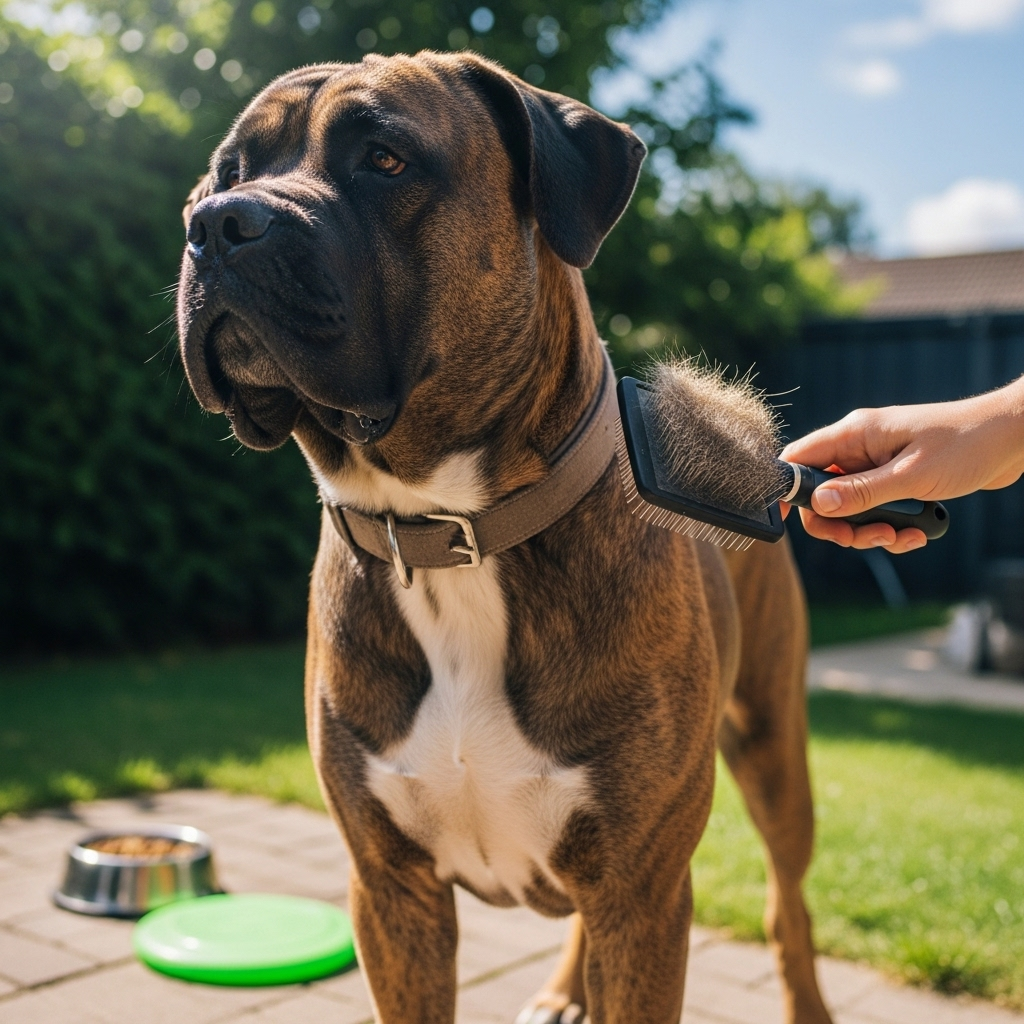
The frequency of brushing depends on a few factors, including the time of year and your dog’s individual coat. However, a good general guideline for Cane Corsos is:
- Weekly: Aim for at least once a week for regular maintenance. This will keep shedding under control and help you stay on top of any potential skin issues.
- Twice Weekly (or more): During heavy shedding seasons (spring and fall), you might find yourself brushing every 2-3 days. This helps tremendously in managing the increased amount of loose fur.
- After Outdoor Adventures: If your Cane Corso loves to roll in the mud or explore dusty trails, a quick brush-down after you get home can prevent dirt from settling into their coat.
Consistency is more important than intensity. A short, regular brushing session is far better than infrequent, long ones. Starting this routine early, while your Cane Corso is a puppy, will help them become comfortable with being handled and groomed.
Step-by-Step Brushing Guide for Your Cane Corso
Ready to get started? Here’s a simple, effective way to brush your Cane Corso. Remember to keep it positive and rewarding!
Step 1: Gather Your Tools and Treats
Have your chosen brush (start with a rubber curry brush or glove), some high-value treats, and perhaps a clean towel or doggy wipes ready before you begin. Make sure your dog is in a calm mood.
Step 2: Introduce the Brush Gently
Let your Cane Corso sniff the brush. Offer a treat. Gently touch the brush to their back or side, away from sensitive areas. Praise them and give another treat. The goal is for them to associate the brush with good things. If your dog is showing any signs of discomfort or fear, take a break and try again later, or for a shorter duration.
Step 3: Start Brushing Basic Strokes
Once your dog is comfortable with the brush, begin with short, gentle strokes. Start on their back or sides, as these areas are generally less sensitive. Brush in the direction of hair growth.
Step 4: Work Through the Different Body Parts
As your dog becomes more relaxed, gradually work your way through their body:
- Back and Sides: These are usually the easiest areas. Use firm, but not aggressive, strokes.
- Neck and Shoulders: Be a bit gentler here.
- Legs and Paws: Move down the legs, brushing from top to bottom. Some dogs are sensitive about their paws, so keep these interactions brief and positive.
- Tail: Brush the tail from base to tip.
- Belly: Many dogs are ticklish or sensitive on their belly. Approach this area with extra caution and gentleness. Offer constant praise and treats.
- Face and Head: Avoid brushing the face directly unless absolutely necessary. Use a damp cloth or doggy wipe to clean the muzzle area if needed. Be extremely careful around the eyes and ears.
Step 5: Use the Right Pressure
With a rubber brush, you can apply a bit more pressure to really get into that coat. With a bristle or slicker brush, use lighter strokes to avoid irritating the skin. Always observe your dog’s reaction. If they flinch or try to move away, ease up on the pressure or take a break.
Step 6: Check for Issues
As you brush, take the opportunity to run your hands over your dog’s skin. Feel for any new lumps, bumps, hot spots, ticks, fleas, or dry patches. If you find anything concerning, consult your veterinarian.
Step 7: Finish with a Treat and Praise!
Once you’re done (or your dog has had enough for one session), shower them with praise and give them a special treat or a short play session. This positive reinforcement is crucial for building a good grooming relationship.
Dealing with Shedding: Advanced Tips
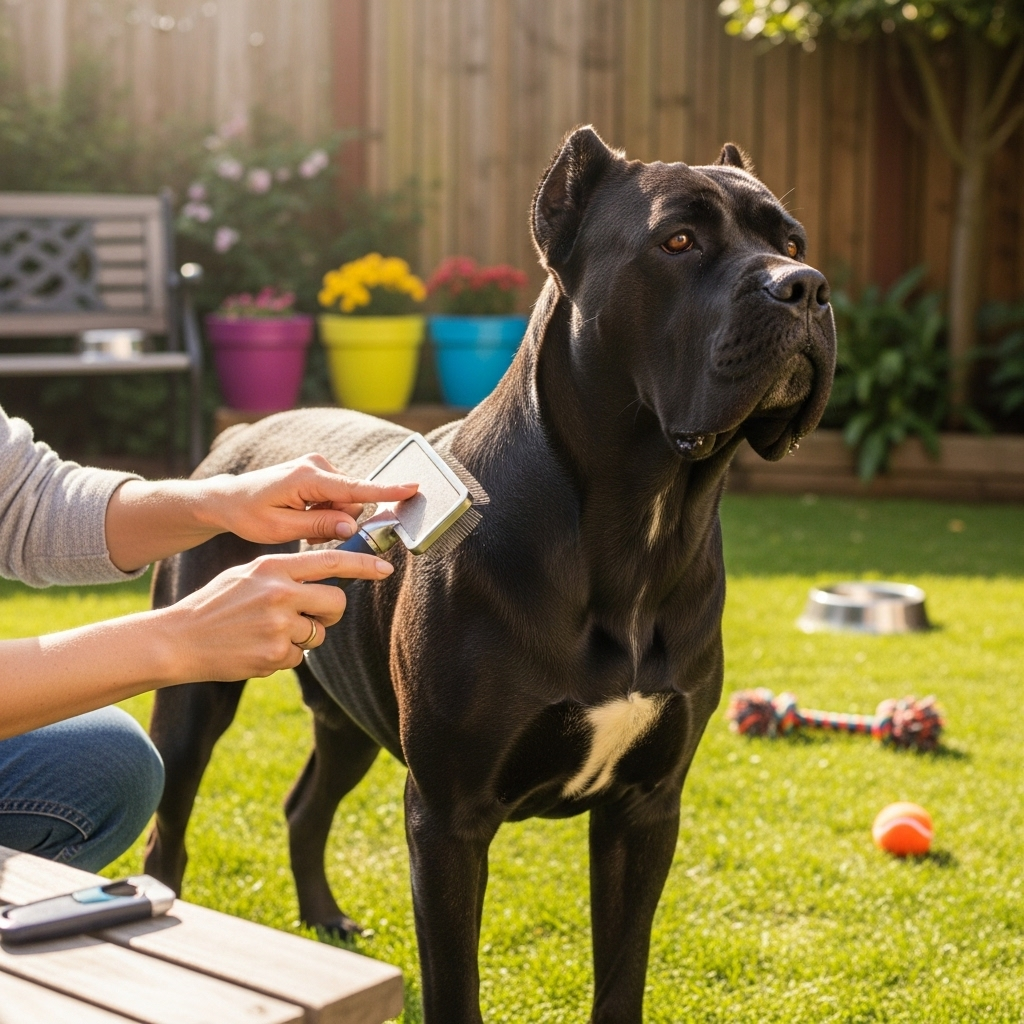
Cane Corsos are known to be moderate shedders, and this can be more pronounced during certain times of the year. Here are some tips to help you manage shedding more effectively:
Seasonal Shedding
Twice a year, typically in spring and fall, Cane Corsos will “blow” their coat, meaning they shed much more heavily than usual. During these times, you may need to brush your dog daily, or at least every other day, to keep up with the volume of loose hair.
Using a deshedding tool during these periods can be very beneficial. Remember to use it gently and according to the manufacturer’s instructions to avoid irritating your dog’s skin. Think of it as helping them shed their old coat faster so they can grow a fresh one. Resources like the American Veterinary Medical Association (AVMA) offer general pet health and care advice that can indirectly relate to managing your dog’s well-being through proper grooming.
Diet and Health
A healthy dog is a dog with a healthy coat, and a healthy coat sheds less excessively. Ensure your Cane Corso is on a high-quality diet rich in omega-3 and omega-6 fatty acids. These nutrients are excellent for skin and coat health. If you notice a sudden increase in shedding that isn’t seasonal, it’s always a good idea to speak with your veterinarian to rule out any underlying health issues, such as allergies, thyroid problems, or stress.
Bathing
While not directly part of brushing, regular baths can help loosen dead hair. When you bathe your Cane Corso, ensure you rinse thoroughly and use a good quality dog shampoo. After a bath, and once they are mostly dry, extensive brushing can remove a significant amount of loosened hair.
Brushing Faux Pas: What to Avoid
Just as important as knowing what to do is knowing what not to do. Here are a few common mistakes to avoid when brushing your Cane Corso:
- Forcing It: Never force your dog to be brushed if they are showing signs of fear or aggression. This can create a lasting negative association with grooming.
- Using the Wrong Tools: Avoid brushes designed for very long or curly coats, as they can be too harsh or ineffective for a Cane Corso.
- Over-Brushing: While it’s good to be thorough, excessive brushing, especially with harsh tools, can strip natural oils, irritate the skin, and even cause damage.
- Ignoring Sensitive Areas: Be extra gentle around the face, ears, belly, and paws.
- Skipping the Praise: Brushing should be a positive experience. Forgetting treats and praise can make your dog less cooperative in the future.
- Not Checking the Skin: Brushing is an excellent chance to do a quick health check. Skipping this can mean missing early signs of parasites or skin problems.
| Coat Type | Texture | Shedding Level | Primary Brushing Tool | Frequency Recommendation |
|---|---|---|---|---|
| Short, Dense Double Coat | Coarse outer, softer undercoat | Moderate (can be heavy seasonally) | Rubber Curry Brush/Glove | Weekly (more frequent during shedding seasons) |
Frequently Asked Questions About Cane Corso Brushing

Q1: How often should I vacuum my Cane Corso’s hair?
You don’t vacuum your dog! You brush them. Regular brushing removes loose hair before it falls out, thus reducing the amount of hair on your floors and furniture. If you’re asking about vacuuming your home, that depends on how much your dog sheds and how often you want to clean!
Q2: Can I use a human hairbrush on my Cane Corso?
No, it’s best to use brushes specifically designed for dogs. Human hairbrushes may not be suitable for your dog’s coat type and could potentially be too harsh or ineffective, possibly even causing discomfort.
Q3: My Cane Corso hates being brushed. What can I do?
Start slowly and make it positive! Use high-value treats and praise. Begin with very short sessions, just a few strokes, and gradually increase the time. Let them sniff and get used to the brush. If they remain distressed, consult with a professional dog trainer or groomer for advice.
Q4: How do I deal with excessive shedding from my Cane Corso?
Increase brushing frequency, especially during seasonal shedding. Consider using a specialized deshedding tool gently during these times. Ensure your dog has a healthy diet, as good nutrition supports a healthy coat and can help manage shedding. If shedding seems extreme or sudden, consult your veterinarian.
Q5: Should I bathe my Cane Corso before brushing?
For Cane Corsos, it’s generally better to brush them when their coat is dry. This allows you to effectively remove loose undercoat. Bathing can loosen hair, so it can be beneficial to brush after a bath and once the dog is mostly dry to remove any hair loosened by the water and shampoo.
Q6: Are there any specific health issues I should look for while brushing?
Yes! While brushing, feel your dog’s skin for any lumps, bumps, or sore spots. Check for parasites like fleas or ticks, especially around the ears, neck, and tail base. Also, look for any signs of skin irritation, redness, dryness, or dandruff, which might indicate allergies or other skin conditions.
Conclusion
Brushing your Cane Corso is a simple yet incredibly important part of caring for your majestic companion. By using the right tools, maintaining a consistent routine, and keeping the experience positive and rewarding, you can ensure your dog’s coat stays healthy, reduces shedding around your home, and strengthens the bond between you. Remember that patience and positive reinforcement are your best allies. If you ever have concerns about your Cane Corso’s coat or skin health, don’t hesitate to consult your veterinarian or a professional groomer. Happy brushing!