
Cane Corso collar costs can range from $15 for a basic nylon collar to over $100 for a high-quality, specialized leather or martingale collar, depending on material, features, and brand.
Considering a majestic Cane Corso for your family? These powerful and loyal dogs are a significant commitment, and ensuring their safety and comfort includes choosing the right gear. One of the most crucial pieces of equipment is their collar. But what’s the going rate for a suitable Cane Corso collar?
It’s a question many new owners ponder, and the good news is, we’ve got you covered. Selecting the appropriate collar isn’t just about price; it’s about fit, function, and durability for a breed that thrives on structure and security. We’ll break down the essential factors influencing collar cost and help you find the best option without breaking the bank.
Understanding Cane Corso Needs for Collars
The Cane Corso is a large, muscular breed known for its strength, intelligence, and protective nature. Owning one means understanding their specific needs, especially when it comes to equipment like collars. A collar for a Cane Corso isn’t just an accessory; it’s a vital tool for safety, training, and management.
Why the Right Collar Matters for Your Cane Corso
Choosing the correct collar is paramount for a Cane Corso’s well-being and your ability to manage them effectively. Here’s why:
Safety: A properly fitted collar prevents escapes, especially crucial for a strong breed that could potentially break free from ill-fitting or weak materials. It’s also essential for attaching identification tags.
Training: Collars are used in training to provide gentle guidance and establish communication. The right type of collar can make training more effective and humane.
Comfort: A collar that is too tight, too loose, or made of abrasive material can cause discomfort, chafing, or even injury. This is particularly important for a breed that may wear a collar for extended periods.
Durability: Cane Corsos are robust dogs. They need collars that can withstand their strength and potential roughhousing with other dogs or in outdoor environments.
Breed-Specific Considerations for Cane Corso Collars
Given their size and strength, Cane Corsos require collars that are built to last and offer secure restraint.
Size and Strength: A standard, flimsy collar might not be sufficient. You need a collar designed for large, powerful breeds, ensuring it’s wide enough to distribute pressure and strong enough not to break.
Neck Shape: While generally proportionate, ensuring the collar fits snugly but not too tightly around their strong necks is key. You should be able to fit two fingers between the collar and their neck.
Activity Level: If your Cane Corso enjoys swimming, hiking, or playing rough, you’ll need a collar material and construction that can handle water, mud, and constant wear and tear.
Types of Collars and Their Impact on Cost

The type of collar you choose significantly influences its price. Different designs serve different purposes, and their materials and construction vary widely. Understanding these differences will help you justify the cost and make an informed decision.
1. Flat Collars
These are the most common and basic type of dog collar. They are a single loop of material that fastens around the dog’s neck.
Materials: Typically made from nylon, leather, or sometimes polyester.
Features: Usually have a D-ring for leash attachment and a buckle or a quick-release clip.
Best For: Everyday wear, attaching ID tags, dogs that do not pull excessively.
Cost Range: $10 – $40. Nylon collars are generally at the lower end, while well-made leather ones can be higher.
Pros: Simple, widely available, comfortable for most dogs, good for ID tags.
Cons: Can be a choking hazard if the dog pulls hard and the collar is too loose; not ideal for strong pullers or training without additional management.
2. Martingale Collars (Limited Slip Collars)
Martingale collars are designed to tighten slightly when the dog pulls, preventing them from slipping out of the collar, but they stop tightening at a certain point to avoid choking. They consist of a larger loop and a smaller control loop.
Materials: Commonly found in nylon or webbing, with some higher-end leather options.
Features: Two loops that create a “limited slip” action.
Best For: Dogs with slender heads or those prone to slipping out of flat collars (though a Cane Corso’s head is typically not slender, this collar can still prevent escape if fitted correctly and the dog bolts).
Cost Range: $15 – $50.
Pros: Excellent for preventing escapes, safer than a full slip collar as they don’t keep tightening.
Cons: Requires careful fitting; can still cause some pressure if the dog constantly pulls; not recommended for unsupervised wear.
3. Chain Collars (Choke Collars)
These consist of a metal chain that forms a loop. When the dog pulls, the chain tightens around the neck.
Materials: Stainless steel or chrome-plated metal.
Features: A chain link design with two rings for leash attachment.
Best For: Experienced handlers for specific, short-term training situations.
Cost Range: $15 – $40 for standard metal.
Pros: Can be effective for deterring pulling in certain training contexts with expert use.
Cons: High risk of injury (neck damage, tracheal damage, eye pressure) if misused or if the dog lunges suddenly. Not recommended for beginners or unsupervised wear. Many professionals advise against their use due to the potential for harm.
4. Prong Collars (Pinch Collars)
Prong collars are made of metal links with blunted prongs that rest against the dog’s neck. They tighten and apply pressure when the dog pulls, ideally mimicking a mother dog’s correction.
Materials: Metal (stainless steel, chrome-plated steel).
Features: Interlocking links with blunt prongs pointing inward.
Best For: Strong dogs and experienced trainers for specific behavior modification.
Cost Range: $30 – $70.
Pros: Can be effective for managing strong pullers when used correctly by a knowledgeable handler.
Cons: Requires precise fitting and proper use; potential for injury (skin irritation, neck trauma) if fitted incorrectly, misused, or if the dog lunges with force. Often debated in the training community. For safety, consider alternatives if not an experienced trainer.
5. Head Halters (e.g., Gentle Leader, Halti)
These fit over the dog’s muzzle and behind their ears, giving the handler steering control of the head, which largely controls the dog’s body.
Materials: Nylon webbing with padded nose pieces.
Features: A strap that goes over the muzzle and a neck strap.
Best For: Dogs that pull very hard, redirecting jumping behavior.
Cost Range: $20 – $45.
Pros: Excellent for managing strong pullers by steering their head; can be a humane alternative to prong or chain collars for heavy pullers.
Cons: Requires a gradual introduction period so the dog accepts wearing it; some dogs may try to paw it off; does not allow the dog to pant as freely when fitted snugly.
How Material Affects Cane Corso Collar Price
Nylon: Durable, water-resistant, and affordable. A go-to for everyday wear and training.
Leather: Offers a classic look and can be very comfortable and durable, but requires more care (conditioning) and is generally more expensive. High-quality, genuine leather will be at the higher end of the price spectrum.
Metal (Chain/Prong): Costs are related to the quality of the metal and finish. Stainless steel is more durable and rust-resistant but also pricier.
Cane Corso Collar Cost: A Detailed Breakdown
Let’s dive into the typical costs you can expect for different types of collars suitable for a Cane Corso. These are approximate ranges and can vary based on brand, quality, retailer, and specific features.
Entry-Level Options (Under $25)
In this range, you’ll primarily find basic nylon or polyester flat collars.
Basic Nylon Flat Collar: A simple, adjustable nylon collar with a plastic or metal buckle and a D-ring. These are great for puppies or adult dogs that don’t pull.
Price Range: $10 – $20
Typical Features: Adjustable, machine washable, variety of colors.
Entry-Level Martingale: You might find simpler nylon martingale collars in this range, often from less well-known brands.
Price Range: $15 – $25
Typical Features: Basic nylon webbing, single stitching.
Mid-Range Options ($25 – $70)
This tier offers better quality, more durable materials, and specialized designs.
High-Quality Nylon Flat Collar: These will feature stronger stitching, more robust hardware (heavy-duty buckles, solid D-rings), and often wider webbing suitable for larger breeds.
Price Range: $20 – $40
Typical Features: Reinforced stitching, quick-release metal buckles, padded interiors, reflective accents.
Genuine Leather Flat Collar: A well-made leather collar of appropriate width (e.g., 1.5-2 inches) will fall into this category. Look for full-grain leather for maximum durability.
Price Range: $30 – $60
Typical Features: Thick leather, solid metal hardware, smooth edges, possibly personalized with nameplates.
Quality Martingale Collars: Nicely constructed nylon or webbing martingales with strong stitching and reliable hardware.
Price Range: $25 – $50
Typical Features: Wide webbing, reinforced loops, various color options.
Standard Metal Chain Collars: Decent quality stainless steel or chrome-plated choke chains.
Price Range: $20 – $35
Typical Features: Various link sizes and lengths for different dog sizes.
Prong Collars: Entry-level to mid-range prong collars, often from well-known brands like Herm Sprenger or various Amazon sellers offering similar designs.
Price Range: $30 – $70
Typical Features: Plated steel, various prong lengths and overall collar lengths.
Head Halters: Brands like Premier’s Gentle Leader or other reputable head halter designs.
Price Range: $20 – $45
Typical Features: Adjustable straps, padded nose loop, various sizes and colors.
Premium & Specialized Options ($70+)
This is where you’ll find the most robust, ethically sourced, or custom-made options.
Luxury Leather Collars: Premium, full-grain leather collars from artisan or high-end pet brands. These might feature hand-stitching, solid brass hardware, or unique embellishments.
Price Range: $70 – $150+
Typical Features: Superior leather quality, handcrafted, lifetime guarantees, custom fittings.
Custom Engraved ID Collars: While the collar itself might be mid-range in material, the customization (like laser engraving on a buckle or a welded nameplate) can increase the price.
Price Range: $40 – $100+ (depending on base collar)
High-End Training Collars: Some specialized, heavy-duty metal training collars or custom-fitted options fall into this bracket, often prioritizing specific ergonomic designs or extreme durability.
Price Range: $70 – $150+
Factors Influencing Cane Corso Collar Cost
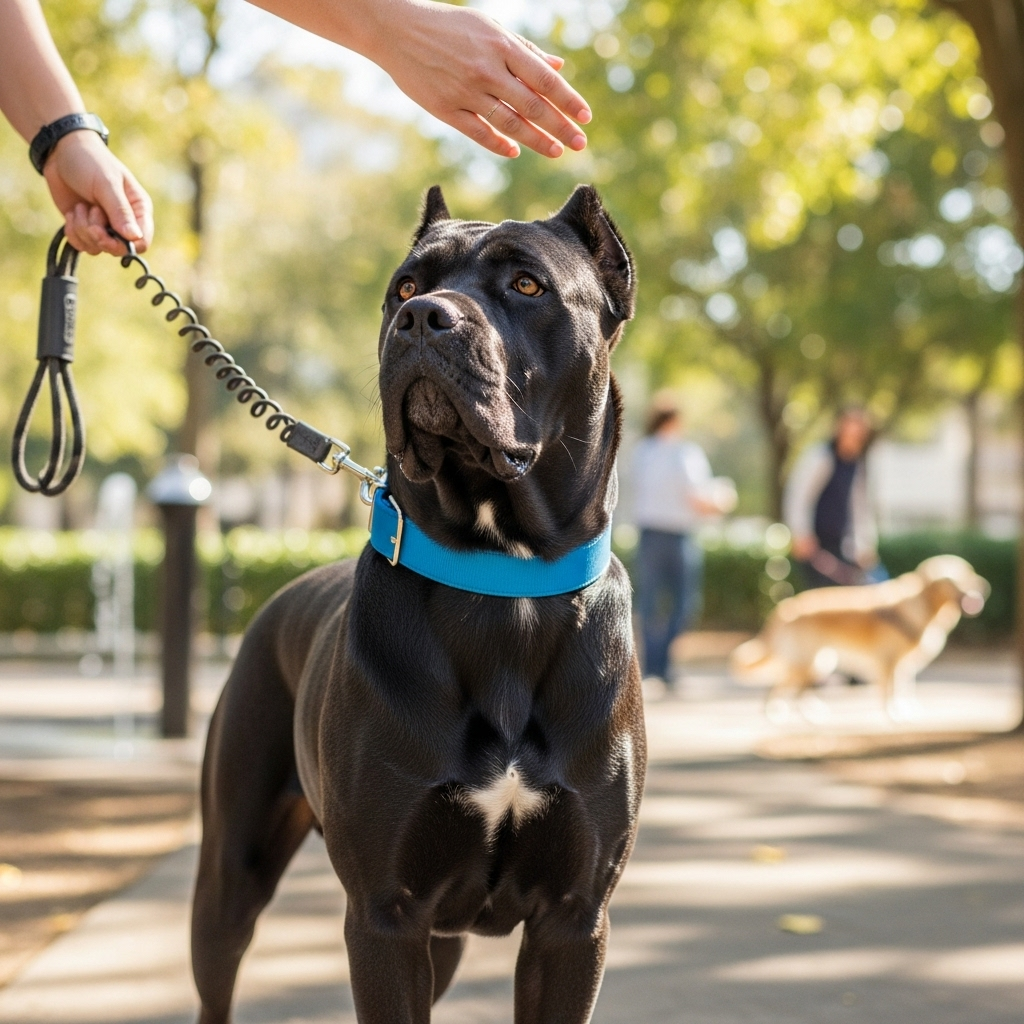
Beyond the basic type, several other elements contribute to the final price tag of a Cane Corso collar.
Brand Reputation
Established brands known for quality and durability often command higher prices. Companies like Herm Sprenger (for collars), K9 Tactical (for specialized gear), or reputable leather crafters are examples. This premium often reflects research, material sourcing, and manufacturing standards.
Material Quality
Nylon: While generally inexpensive, ripstop nylon or nylon with reflective stitching will cost more than basic webbing.
Leather: Full-grain leather is significantly more expensive than genuine leather (which can still be a composite of layers) or bonded leather. The tanning process and finishing also add to the cost.
Hardware: Solid brass, stainless steel, and heavy-duty zinc alloy buckles are more expensive than plastic or lower-grade metal alloys.
Width and Thickness
For a large breed like the Cane Corso, a wider collar (1.75 to 2.5 inches is common) distributes pressure more effectively and looks proportionate. Wider collars often mean more material, thus a higher cost. Similarly, thicker leather or webbing adds to the material cost.
Construction and Features
Stitching: Double or triple stitching, reinforced stress points, and hand-stitching increase durability and cost.
Padding: Neoprene or faux fur padding on the inside of the collar provides extra comfort and can add to the price.
Reflective Elements: Integrated reflective stitching or panels enhance visibility and safety, often found on higher-end nylon collars.
Quick-Release Buckles: Metal quick-release buckles are more robust and expensive than standard plastic ones.
* Water Resistance/Proofing: Special treatments or materials that resist water and odor, useful for active dogs, can increase cost.
Customization and Personalization
Adding personalized touches like engraved nameplates, embroidered names, or custom color combinations can significantly drive up the price.
<td style=”border: 1px solid #ddd; padding: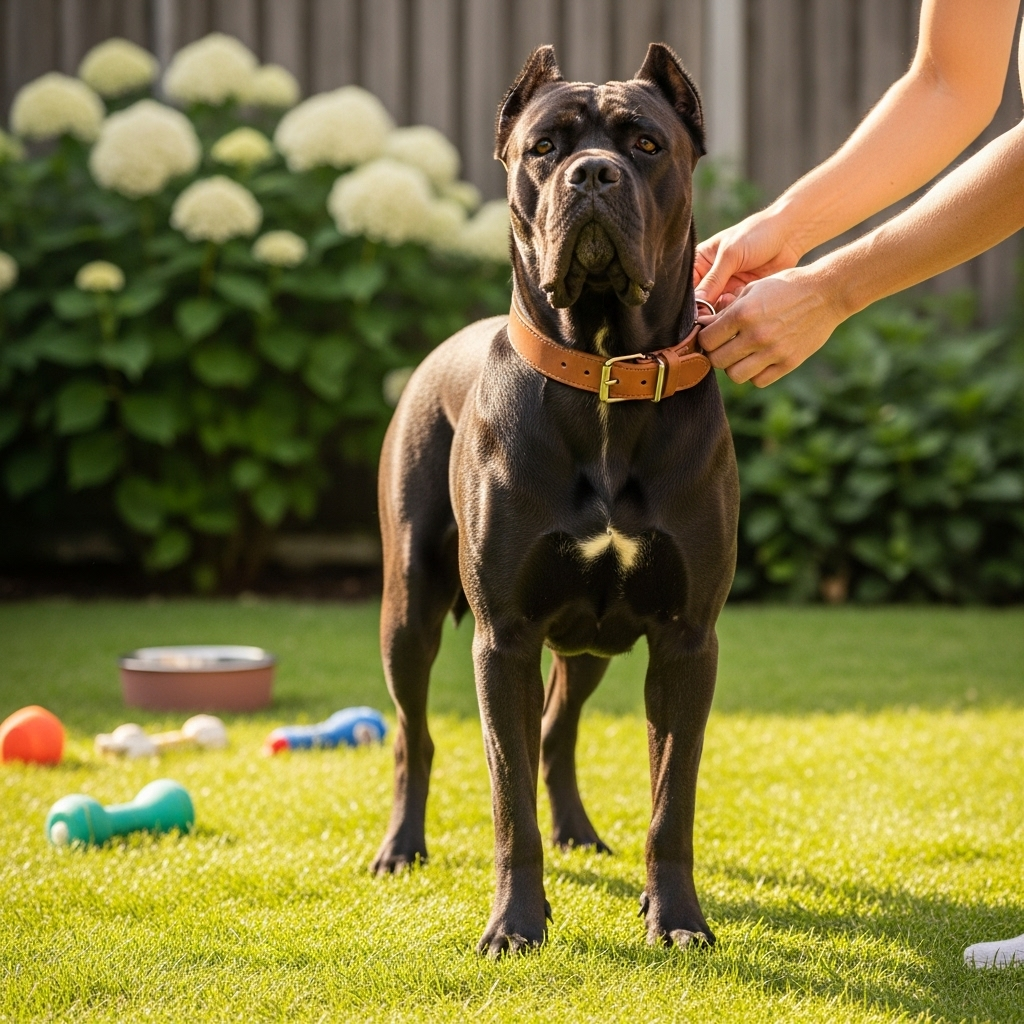

| Collar Type | Typical Cane Corso Use | Estimated Cost Range | Pros for Cane Corsos | Cons for Cane Corsos |
|---|---|---|---|---|
| Flat Collar (Nylon/Leather) | Everyday wear, ID tags | $15 – $60+ | Comfortable, secure (if fitted well), widely available, many styles | Can be slipped if dog pulls hard and it’s too loose; may not be sufficient for strong pullers |
| Martingale Collar | Preventing escape | $20 – $50 | Helps prevent accidental slipping; humane (when fitted correctly) | Requires proper fit and supervision; not for unsupervised wear; some dogs may find them uncomfortable if they pull constantly |
| Head Halter | Managing strong pulling, training | $20 – $45 | Offers excellent control for strong pullers; humane steering mechanism | Takes time for dog to adjust; can restrict panting if too tight; not a substitute for training |
| Prong Collar | Managing severe pulling (with expert use) | $30 – $70 | Can be effective for strong pullers for experienced handlers | High risk of injury if misused or ill-fitted; requires proficient handling; often debated; not for beginners |
| Chain Collar | Specific training scenarios (with expert use) | $15 – $40 |