Thinking about a Cane Corso? These majestic ItalianMastiffs come with specific needs and associated costs. Expect initial purchase prices from $1,500 to $4,000+, plus ongoing expenses for quality food, training, healthcare, and gear. Understanding these Cane Corso facts and costs upfront ensures you’re prepared for a fulfilling, responsible ownership journey.
Welcoming a Cane Corso into your home is an exciting prospect! These impressive dogs are known for their loyalty, courage, and protective nature. However, like any majestic breed, they have unique requirements and financial considerations. Many first-time owners find themselves a bit overwhelmed by the ins and outs of Cane Corso costs.
It’s completely normal to wonder about the investment involved. This guide is here to break down exactly what you can expect financially and factually, so you can make an informed decision and be fully prepared to provide the best life for your future Cane Corso companion. We’ll cover everything from initial adoption to ongoing care, making the process clear and manageable.
Cane Corso Facts: What You Need to Know Before You Buy
Before diving into the financial aspects, it’s crucial to understand the Cane Corso breed itself. These dogs are not for everyone, and knowing their temperament, needs, and history is paramount to responsible ownership. They are a large, powerful breed with a strong protective instinct.
Breed History and Origins
The Cane Corso Italiano, or Italian Mastiff, hails from Southern Italy. This ancient breed was historically used as a farm dog, responsible for guarding property and livestock, and even participating in boar hunts. Their name comes from the Latin “cohors,” meaning “protector” or “guardian.” After nearly becoming extinct, the breed was revived in the latter half of the 20th century. Their imposing presence and loyal nature make them excellent guardians and devoted family members when properly raised and socialized.
Temperament and Personality
Cane Corsos are known for being calm, confident, and assertive. They form very strong bonds with their families and are naturally protective. This does not mean they are aggressive, but rather that they are watchful and will instinctively defend their loved ones and territory. Early and consistent socialization is key to ensuring they are well-adjusted around strangers, other animals, and in various environments. They are intelligent dogs, eager to please their owners, which makes training rewarding when approached correctly.
Size and Appearance
These are substantial dogs. Males typically stand 25.5 to 27.5 inches at the shoulder and weigh 90 to 110 pounds, while females are slightly smaller at 23.5 to 25.5 inches and 70 to 90 pounds. They have a muscular, athletic build with a broad head and a strong jaw. Their coat is short and dense, coming in a variety of colors including black, fawn, red, and brindle, often with a mask.
Exercise and Training Needs
Despite their size, Cane Corsos don’t require excessive exercise. Daily walks and opportunities to run in a secure area are usually sufficient. Mental stimulation through training and puzzle toys is just as important as physical activity. Early, consistent, and positive reinforcement-based training is non-negotiable for this breed. Due to their intelligence and potential for a strong will, experienced owners or those committed to learning proper training techniques are recommended. Resources from organizations like the American Kennel Club (AKC) provide excellent breed-specific guidance.
Health Considerations
Like many large breeds, Cane Corsos can be prone to certain health issues. These include hip and elbow dysplasia, bloat (gastric dilatation-volvulus), and eye conditions such as entropion and ectropion. Responsible breeders will screen their dogs for these genetic conditions. Regular veterinary check-ups are essential for early detection and management of any health concerns.
Cane Corso Cost Breakdown: Initial Investment and Ongoing Expenses
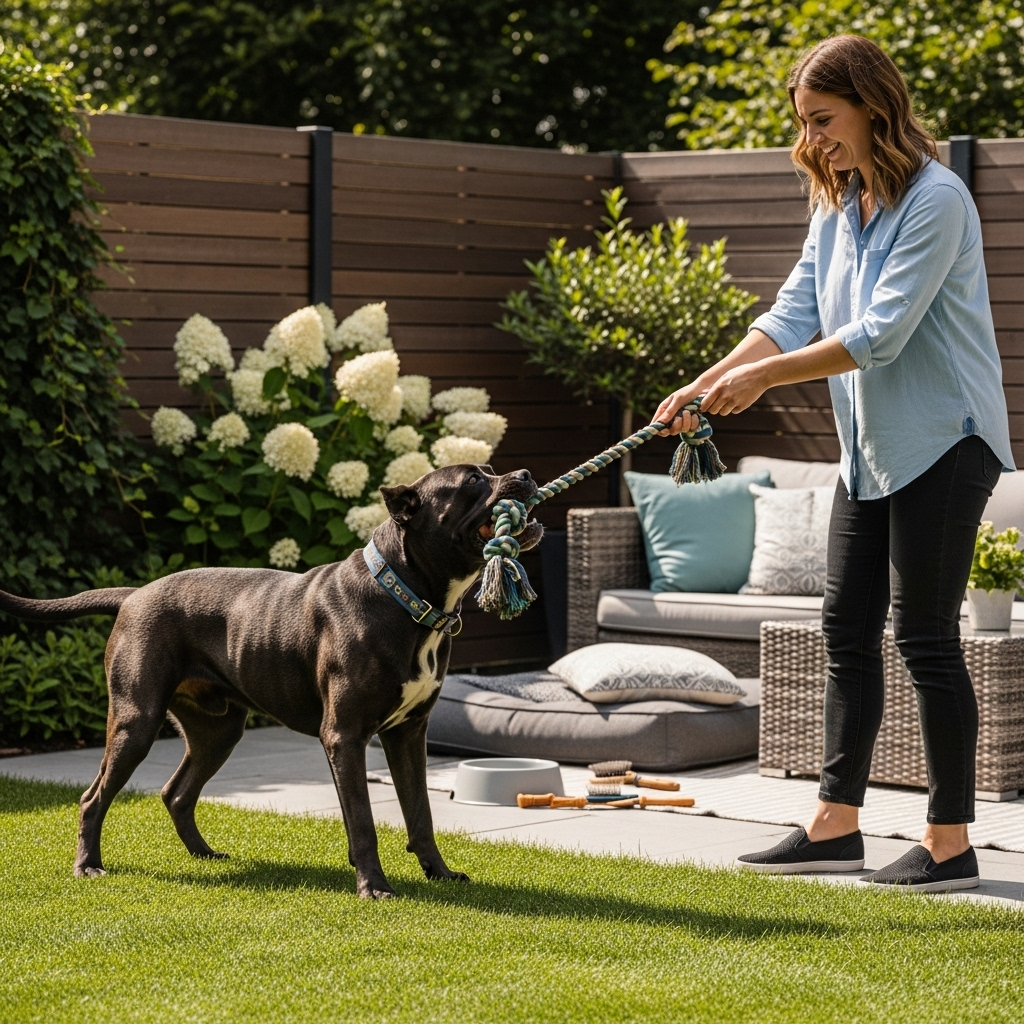
Understanding the financial commitment is crucial. The cost of a Cane Corso can be significant, both upfront and over the dog’s lifetime. It’s not just about the purchase price; it’s about providing a healthy, happy, and safe life for your pet.
1. Purchase Price of a Cane Corso Puppy
This is often the first and most substantial cost. The price of a Cane Corso puppy varies widely depending on several factors:
- Breeder Reputation: Reputable breeders who health-test their breeding dogs, show their lines, and provide excellent care typically charge more.
- Bloodlines and Pedigree: Puppies from champion bloodlines or those with exceptional pedigrees will command higher prices.
- Location: Prices can differ based on the cost of living and demand in your geographic area.
- Age: Younger puppies usually cost more than older dogs needing adoption.
Generally, you can expect to pay:
| Source | Estimated Cost Range |
|---|---|
| Reputable Breeder (with papers) | $1,500 – $4,000+ |
| Rescue/Shelter (if available, less common) | $200 – $800 (adoption fee) |
Always factor in the possibility of additional fees for transportation if the breeder is far away.
2. Initial Setup Costs
Before your new Cane Corso even arrives home, you’ll need to equip yourself with essential supplies. This one-time investment sets the foundation for your dog’s comfort and well-being.
- Crate: A large, sturdy crate is essential for training and safety. ($100 – $300)
- Bedding: Comfortable, durable beds that can withstand a large dog. ($50 – $150)
- Food and Water Bowls: Stainless steel or ceramic are recommended for hygiene. Raised bowls can be beneficial for large breeds. ($20 – $50)
- Leash and Collar/Harness: A strong, wide leash and a durable collar or a well-fitting harness are necessary for walks. Consider a no-pull harness for training. ($30 – $70)
- Identification Tags: With your contact information. ($10 – $20)
- Grooming Supplies: A good quality brush or grooming mitt, dog-specific shampoo, nail clippers, and possibly a toothbrush and dog toothpaste. ($40 – $80)
- Chew Toys: Durable toys are a must for strong chewers. ($20 – $50)
These initial supplies can add up to approximately $270 to $720, depending on the quality and brands you choose.
3. Veterinary Care Costs
Regular veterinary care is non-negotiable for any dog, and a Cane Corso is no exception. This includes:
- Initial Vet Visit: A thorough check-up after bringing your puppy home. ($75 – $150)
- Vaccinations: Puppies require a series of vaccinations. Booster shots will be ongoing annually or triennially. ($50 – $150 per round)
- Deworming: Puppies need regular deworming. ($20 – $50 per treatment)
- Flea, Tick, and Heartworm Prevention: Monthly preventatives are crucial. ($20 – $50 per month)
- Spay/Neuter Surgery: This is a significant one-time cost, typically performed between 6-18 months. ($300 – $800, depending on location and vet)
- Annual Check-ups: Routine wellness exams. ($75 – $150 annually)
- Potential Emergency Vet Visits: Accidents and illnesses happen. This can range from a few hundred to several thousand dollars. This is where pet insurance becomes a valuable consideration.
Over the first year, including spay/neuter, expect to spend roughly $800 – $2,200+ on veterinary care. This doesn’t include unexpected illnesses or injuries.
4. Food and Nutrition Costs
Cane Corsos are large dogs with significant dietary needs. Feeding them high-quality food appropriate for their age and size is vital for their health and development. This is a continuous expense throughout their life.
- Puppy Food: Large-breed puppy formulas are essential to support proper bone and joint development. A 30-35 lb bag can cost $60-$90 and may last 2-3 weeks for a growing puppy.
- Adult Food: Once they reach maturity, they will need a high-quality adult large-breed formula. A 30-35 lb bag can cost $50-$80 and may last 2-3 weeks.
Annually, food costs for a Cane Corso can range from $800 to $1,500+, depending on the brand, quality, and any supplements or special dietary needs.
5. Training and Socialization Costs
As mentioned, training and socialization are critical for a well-behaved Cane Corso. While owner-led training is possible, professional guidance is often recommended.
- Obedience Classes: Group classes are a great way to socialize your puppy and learn basic commands. ($150 – $400 for a puppy course)
- Private Trainer: For more tailored guidance or to address specific behavioral issues, private sessions can be beneficial. ($50 – $150 per hour)
- Board-and-Train Programs: More intense, immersive programs. (Can range from $1,000 – $3,000+ for a few weeks)
Investing in training, even just a few hundred dollars for group classes, can save significant heartache and potential costs down the line related to behavioral problems.
6. Grooming Costs
Cane Corsos have short coats, which simplifies grooming compared to some breeds. However, regular grooming is still necessary.
- DIY Grooming: Purchasing your own grooming supplies (shampoo, brushes, nail clippers) is a one-time cost after the initial setup. ($40 – $80 initially, then ongoing product purchases)
- Professional Grooming: While not always necessary for a Cane Corso’s coat, some owners opt for occasional professional baths and nail trims. ($50 – $100 per session)
Most owners find they can manage Cane Corso grooming at home. Budget for occasional professional services if desired.
7. Miscellaneous Costs
Don’t forget the smaller, but crucial, expenses:
- Toys: Replace worn-out toys regularly. ($50 – $100 annually)
- Treats: For training and rewards. ($50 – $150 annually)
- Chew Items: Like dental chews or bully sticks. ($50 – $150 annually)
- Licensing: Required by most municipalities. ($20 – $50 annually)
- Pet Insurance: Highly recommended for large breeds. Premiums vary but average $30-$70 per month. ($360 – $840 annually)
Estimated Annual Costs for a Cane Corso
To give you a clearer picture, here’s an estimated annual cost breakdown after the initial setup:
| Category | Estimated Yearly Cost | Notes |
|---|---|---|
| Food | $800 – $1,500+ | High-quality large-breed food |
| Veterinary Care (Annual Check-up & Prevention) | $300 – $700 | Excludes emergency vet visits or major illnesses. Includes monthly preventatives. |
| Training/Treats/Toys | $200 – $500 | Ongoing training, rewards, enriching toys. |
| Grooming (DIY supplies, occasional professional) | $50 – $200 | Cost of shampoos, brushes, deshedding tools, or occasional salon visit. |
| Licensing | $20 – $50 | Required by local regulations. |
| Pet Insurance (Optional but Recommended) | $360 – $840 | Varies greatly by provider, coverage, and dog’s age. |
| Total Estimated Annual Cost (without insurance) | $1,430 – $2,950+ | This is an estimate and can vary significantly. |
| Total Estimated Annual Cost (with insurance) | $1,790 – $3,790+ | Includes the cost of a mid-range pet insurance plan. |
Remember, these figures are estimates. Unexpected veterinary bills can drastically increase costs. This is why responsible owners often build an emergency fund or opt for pet insurance.
Cost-Saving Tips for Cane Corso Owners
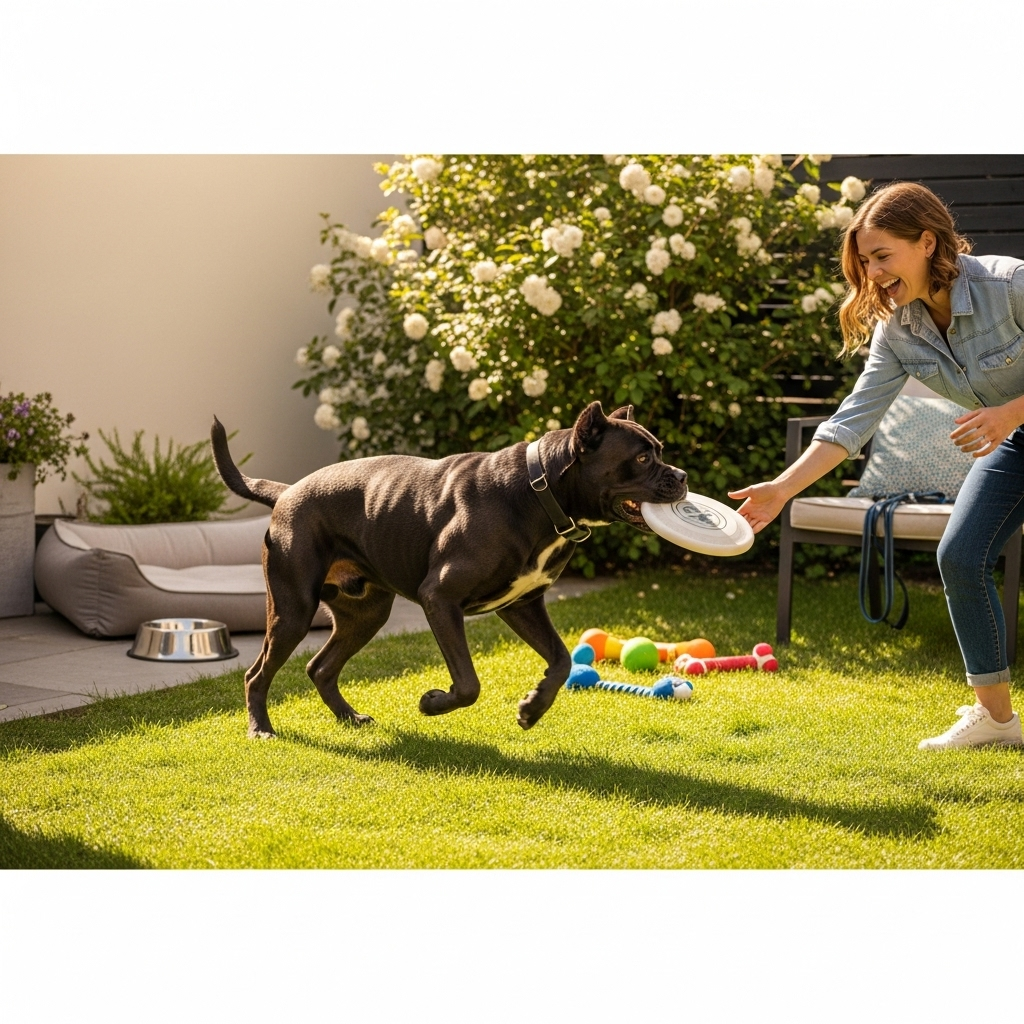
While the costs can seem high, there are ways to manage them effectively without compromising your dog’s well-being:
- Adopt (if possible): While Cane Corsos aren’t as commonly found in shelters as other breeds, adoption can significantly reduce the initial purchase cost. Look for breed-specific rescues.
- Buy in Bulk: Purchasing dog food in larger quantities can often lead to savings.
- DIY Grooming: Learn to groom your dog at home for basic needs like brushing and nail trims. There are many helpful tutorials available online.
- Train at Home: While classes are valuable, a significant portion of training can be done yourself with dedication and consistency. Use free online resources or borrow books from the library.
- Invest in Durable Gear: While initial costs might be higher, durable, high-quality items like chew toys and leashes often last longer, saving you money in the long run.
- Cook Some Treats: Simple, healthy dog treat recipes can be made at home, using ingredients like peanut butter, oats, and pumpkin. Ensure they are dog-safe.
- Preventative Care is Key: Keeping your dog healthy through proper diet, exercise, and regular vet visits can help prevent costly illnesses and injuries down the road. Adhere strictly to recommended vaccination schedules and parasite preventatives as advised by your veterinarian.
Frequently Asked Questions About Cane Corso Facts and Costs
Q1: How much does a purebred Cane Corso puppy typically cost?
A purebred Cane Corso puppy from a reputable breeder can range anywhere from $1,500