
Do you have a schnauzer? These dogs are full of energy and a lot of fun. However, sometimes they can have health issues that concern us. One such issue is a collapsed trachea. It sounds scary, right? But knowing the signs can help your furry friend.
Imagine walking your schnauzer and hearing strange sounds when they breathe. Those sounds could be a sign of a collapsed trachea. But what does that really mean? Understanding the signs can help you take action quickly. Did you know that this condition is more common in small dog breeds like schnauzers?
In this article, we will explore the most common signs of a schnauzer’s collapsed trachea. By learning these signs, you can keep your schnauzer happy and healthy. Let’s dive in and discover how to recognize if your dog may need a visit to the vet!
Schnauzer Collapsed Trachea Signs: What To Look For
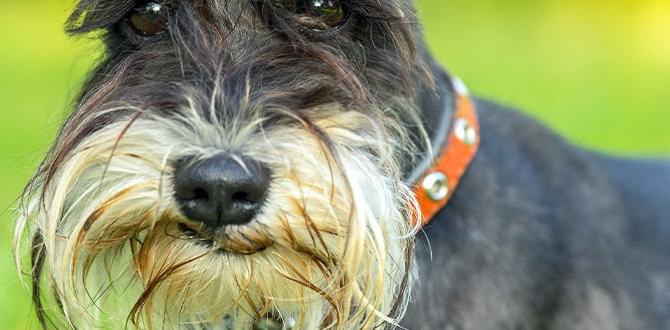
Schnauzer Collapsed Trachea Signs
Schnauzers can face serious health issues, like a collapsed trachea. Recognizing the signs early is crucial. You might notice a honking cough, difficulty breathing, or excessive panting. These signs can happen during excitement or exercise. Have you ever seen your Schnauzer struggle for breath? It’s alarming! If you notice these symptoms, a vet visit is essential. Early detection can make a big difference in treatment and your pet’s comfort. Keep an eye on your furry friend!Common Signs of Collapsed Trachea
Characteristic coughing symptoms in Schnauzers. Other behavioral changes to watch for.Schnauzers with a collapsed trachea often cough, which sounds like a honking noise. This can surprise you if you’ve never heard it before. Watch for changes in behavior too. Your pup might seem more tired or have trouble breathing. It can be scary to see these signs, so keep an eye out for them.
- Coughing that sounds like a goose honking.
- Panting or difficulty breathing.
- Being less active than usual.
- Making a wheezing sound.
What should I do if my schnauzer shows signs of a collapsed trachea?
Take your dog to the vet right away. They can check your schnauzer and help make things better.
Identifying Symptoms by Stage of Tracheal Collapse
Mild signs to observe in early stages. Severe symptoms that indicate advanced collapse.In the early stages of tracheal collapse, watch for mild signs. Your schnauzer may have a soft cough or a slight change in breathing. They might seem a bit wheezy after exercise. These signs are easy to miss but important to note.
As the condition worsens, symptoms become more severe. Advanced collapse can cause:
- Persistent coughing
- Difficulty breathing
- Fainting spells
- Blue-tinged gums
If you observe these signs, contact your vet right away. Early detection can help your pet feel better.
What are the symptoms of tracheal collapse?
The symptoms of tracheal collapse can include coughing, wheezing, and trouble breathing. In severe cases, dogs may faint or show signs of distress. Always monitor your schnauzer for any changes.
Risk Factors Contributing to Collapsed Trachea
Genetic predispositions in Schnauzers. Environmental factors and lifestyle influences.Many factors can lead to collapsed trachea in Schnauzers. Some dogs may inherit these issues from their parents. This means genetics play a role. Other factors come from the dog’s environment and lifestyle choices. For example:
- Obesity can put extra pressure on the trachea.
- Exposure to smoke or pollutants can irritate airways.
- Harsh collars can cause strain on the throat.
It’s essential to recognize these risks. Keeping your Schnauzer healthy can help prevent problems down the road.
What are the genetic risks for Schnauzers?
The genetic risks for Schnauzers often stem from their lineage. Certain lines may have higher chances of airway problems. This makes the family history important for future owners to consider.
What environmental factors can affect them?
Several environmental factors can impact a Schnauzer’s health. These include poor air quality, lifestyle influences, and overall dog care. Paying attention to these can lead to a happier, healthier pet.
Diagnosis of Collapsed Trachea
Diagnostic tests commonly used by veterinarians. The role of physical examinations in identifying the condition.Veterinarians use various tests to diagnose a collapsed trachea in schnauzers. A physical exam is usually the first step. The vet will listen to the dog’s breathing and check for coughing or gagging. If needed, they may do X-rays or bronchoscopy. These help to see the trachea and identify any problems. This way, they can confirm if there’s a pesky little collapse causing all the fuss! It’s like playing detective, but with fur and tail wags involved!
| Diagnostic Test | What It Does |
|---|---|
| Physical Examination | Checks for coughing and abnormal breathing sounds. |
| X-rays | Shows the trachea and detects narrow areas. |
| Bronchoscopy | Allows direct viewing of the trachea’s interior. |
Treatment Options for Schnauzers with Collapsed Trachea
Medical treatments and medications. Surgical options and when they are necessary.Treating schnauzers with a collapsed trachea can involve different approaches. First, medical treatments include medications like cough suppressants and anti-inflammatory drugs. These help ease coughing and make breathing easier. In more severe cases, surgical options may be considered. Surgery can be necessary when other treatments fail, especially if the trachea is severely narrowed. Your vet will help decide the best option for your schnauzer based on their condition.
What medications are used for schnauzers with a collapsed trachea?
Common medications include cough suppressants and bronchodilators. These help improve breathing and reduce coughing, making life more comfortable for affected schnauzers.
When is surgery necessary?
- If the trachea is severely narrowed or damaged.
- When less invasive treatments do not help.
- If the dog has trouble breathing even with medication.
Preventive Measures for Schnauzers
Lifestyle changes to minimize risk. Importance of regular veterinary checkups.To help your schnauzer stay healthy, small lifestyle changes can make a big difference. Keep your pup at a healthy weight; it’s like keeping a balloon from popping—too much air and boom! Regular vet checkups are also key. They can spot problems early on. Remember, a stitch in time saves nine, or in this case, a vet visit keeps Fido’s cough in check!
| Preventive Measures | Description |
|---|---|
| Healthy Diet | Provides essential nutrients and promotes a strong trachea. |
| Weight Management | Helps reduce strain on the trachea, keeping it intact! |
| Regular Vet Visits | Ensures quick detection of any health issues. |
Living with a Schnauzer Experiencing Collapsed Trachea
Tips for caring for affected dogs. Modifications to home environment for comfort.Caring for a schnauzer with a collapsed trachea can feel like a puzzle, but with patience, it can be easier. Keep your pup calm; a frantic schnauzer equals a barking tornado! Modify your home by using soft bedding and avoiding drafts. One tip? Keep the collar loose—who wants to strangle their style? Here’s a quick table to help:
| Tip | Description |
|---|---|
| Calm Environment | Reduce noise and stress. |
| Soft Bedding | Provide comfy, supportive beds. |
| Loose Collars | Use harnesses instead for walks. |
| Regular Vet Visits | Check-ups for signs of worsening. |
With these adjustments, your schnauzer can be comfortable and happy, barking with joy instead of wheezing! Remember, they may just be little furballs, but they thrive on our care!
When to Seek Veterinary Assistance
Warning signs that require immediate attention. Importance of proactive health monitoring in Schnauzers.Being watchful of your Schnauzer’s health is important. Look for signs that need quick action. If your dog has difficulty breathing or a persistent cough, it’s time to seek help. Other warning signs include:
- Blue-tinged tongue or lips
- Weakness or fainting
- Loss of appetite
- Excessive wheezing or honking sounds
Proactive monitoring helps catch problems early. This can make a big difference for your Schnauzer’s health.
What are common symptoms of a collapsed trachea in Schnauzers?
Common symptoms include coughing, difficulty breathing, and gagging. Early detection is key to helping your furry friend stay healthy.
Conclusion
In summary, watch for signs of a collapsed trachea in schnauzers, like coughing, wheezing, or difficulty breathing. If you notice these symptoms, it’s important to see a vet quickly. Understanding these signs can help keep your pet healthy and happy. For more tips on caring for your schnauzer, consider reading veterinary resources or talking to your vet.FAQs
What Are The Common Signs And Symptoms Of A Collapsed Trachea In Schnauzers?If your Schnauzer has a collapsed trachea, you might notice a few signs. They might cough a lot, especially when excited or after exercising. You could also see them having trouble breathing or making a strange honking sound. Sometimes, they may act tired or not want to play as much. If you notice these signs, it’s a good idea to take them to the vet.
How Can I Differentiate Between A Normal Cough And A Cough Caused By A Collapsed Trachea In My Schnauzer?You can tell a normal cough and a cough from a collapsed trachea apart by watching for certain signs. A normal cough usually sounds soft and is occasional. A collapsed trachea cough often sounds like a honking or is dry and harsh. If your Schnauzer is coughing a lot or struggles to breathe, it’s best to see a vet. They can check your dog and give the right advice.
What Factors Increase The Risk Of A Collapsed Trachea In Schnauzers, And How Can I Prevent It?Schnauzers can have a higher risk of a collapsed trachea if they are overweight or if they have a genetic problem. It can also happen if they pull hard on their leash. To help prevent this, you can keep your dog at a healthy weight and use a harness instead of a collar. Regular vet check-ups can also catch any problems early.
When Should I Seek Veterinary Attention If I Suspect My Schnauzer Has A Collapsed Trachea?You should see a vet if your Schnauzer has a bad cough that doesn’t go away. If you notice your dog having trouble breathing, it’s important to get help right away. If your dog is very tired or doesn’t want to play, that’s another sign. Acting quickly can keep your pet safe and healthy.
What Treatment Options Are Available For Managing A Collapsed Trachea In Schnauzers?If your Schnauzer has a collapsed trachea, there are several ways to help. You can give your dog medicine to help with coughing and breathing. Sometimes, a vet might suggest weight loss if your dog is overweight. In serious cases, surgery may be needed to fix the trachea. Always talk to your vet to find the best plan for your furry friend.