
Have you ever heard a dog cough and wondered what’s wrong? If you own a schnauzer, you might have noticed them coughing. This common issue can be worrying for pet parents.
Schnauzers are playful and loving dogs. However, they can get something called kennel cough. This illness spreads easily among dogs, especially in places like kennels. It’s like a cold for dogs but can sound quite alarming.
Imagine your schnauzer playing happily, then suddenly letting out a strange cough. You might feel alarmed and want to help them. The good news is that kennel cough often goes away on its own. But, knowing what to look for is important.
In this article, we’ll explore schnauzers and their coughs. We’ll learn how to spot kennel cough and what you can do to keep your furry friend healthy. Get ready to discover helpful tips and important facts about schnauzer coughing!
Schnauzer Coughing: Understanding Kennel Cough Symptoms
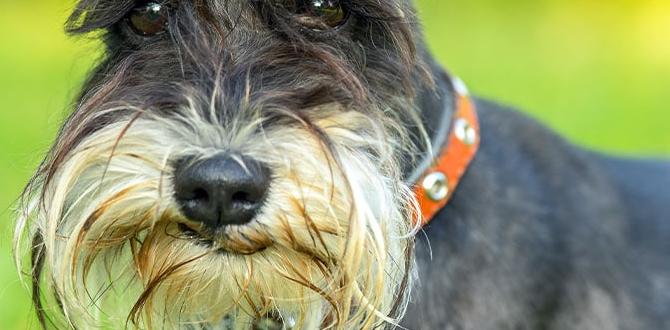
Schnauzer Coughing: Understanding Kennel Cough
Have you noticed your schnauzer coughing? It could be kennel cough, a common respiratory issue. This illness spreads easily, especially in crowded places like dog parks or kennels. Symptoms include a dry, honking cough and nasal discharge. While most dogs recover quickly, it’s essential to keep affected pups away from others to prevent spreading. Taking your schnauzer to the vet is a smart move. They can provide treatment and advice to help your furry friend feel better soon!What is Kennel Cough?
Definition and explanation of kennel cough. Common causes and pathogens responsible.Kennel cough is like the doggy version of a cold. It’s a respiratory illness that spreads quickly, especially in places where pets hang out, like kennels. This pesky cough is often caused by germs like viruses and bacteria. Think of it as a party crasher that most dogs can’t resist. The main culprits include Bordetella bronchiseptica and canine parainfluenza virus. Symptoms can range from a strong cough to a runny nose, leaving your pooch barking for attention!
| Common Causes | Pathogens |
|---|---|
| Close contact with other dogs | Bordetella bronchiseptica |
| Stress or a weak immune system | Canine parainfluenza virus |
| Unclean environments | Canine adenovirus |
So, next time your schnauzer starts coughing, remember, he’s probably just trying to share his story of illness!
Symptoms of Kennel Cough in Schnauzers
Distinctive signs to look for in schnauzers. Duration and severity of coughing episodes.Keep an eye on your schnauzer for some telltale signs of kennel cough! You might notice a distinctive, dry cough that sounds like your pup is trying to clear its throat. Sometimes, this cough can make it seem like they are auditioning for a doggy choir. Episodes can last from one to three weeks, depending on how severe it is. If your schnauzer is coughing more than usual, it might be time to consult a vet! They’re the experts, and they can help you wag your worries away.
| Symptoms | Duration |
|---|---|
| Dry, honking cough | 1-3 weeks |
| Loss of appetite | Varies |
| Runny nose | May persist |
Risk Factors for Schnauzers
How breed characteristics affect susceptibility. Environmental and social factors contributing to risk.Schnauzers are unique dogs, and their breed traits can make them more sensitive to certain illnesses. They have a distinct build, which means their airways may be more prone to irritation. Environmental factors also play a big role. If a schnauzer hangs out in crowded places like dog parks or boarding kennels, they could easily catch stuff, including pesky kennel cough.
| Risk Factors | Description |
|---|---|
| Breed Characteristics | Shorter airways can mean more sneezes and coughs. |
| Environment | Crowded places raise the risk of catching germs. |
| Social Factors | Interactions with other dogs can spread sickness. |
Keeping schnauzers away from crowded areas can help them stay healthy. Remember, fewer doggy gatherings mean fewer coughs!
Diagnosis of Kennel Cough
Veterinary examination and diagnostic tests. Importance of differentiating from other respiratory issues.When your schnauzer starts coughing like a seal, it’s time for a visit to the vet. They will check your furry friend thoroughly to determine if it’s kennel cough or something else. Diagnostic tests may include taking a look at X-rays or running blood tests to pinpoint the issue. It’s important to differentiating kennel cough from other respiratory problems like pneumonia. Remember, some coughs are as sneaky as a ninja—they can hide serious issues, so don’t delay help!
| Diagnostic Test | Description |
|---|---|
| X-rays | Checks for lung issues or other blockages. |
| Blood Tests | Helps find signs of infection or other diseases. |
Treatment Options for Schnauzers with Kennel Cough
Home care strategies and medications. When to seek professional veterinary treatment.To help a schnauzer with kennel cough, start with simple home care. Keep your dog warm and comfortable. Offer plenty of water to keep them hydrated. You can add honey to their food to soothe their throat. Always watch for these signs:
- Dry cough that worsens.
- Difficulty breathing.
- Loss of appetite.
If symptoms persist for more than a few days, consult your vet. They may suggest medications such as antibiotics or cough suppressants. Early action helps your schnauzer feel better sooner.
When should I take my schnauzer to the vet for kennel cough?
If your dog has severe symptoms or shows no improvement after home care, visit a veterinarian. It’s crucial to check for more serious issues.
Prevention of Kennel Cough
Vaccination and its importance for schnauzers. Hygiene and management tips to reduce exposure.Keeping your schnauzer healthy is important. Vaccination helps protect against kennel cough. It reduces the risk of sickness. Talk to your vet about when your dog should get these shots. Regularly cleaning your schnauzer’s area helps, too. Good hygiene is key! Here are some tips:
- Wash your schnauzer’s food and water bowls often.
- Keep their sleeping space clean and dry.
- Avoid crowded dog parks if there’s an outbreak.
By following these steps, you can help your schnauzer stay healthy and happy.
Why is vaccination important for schnauzers?
Vaccination protects schnauzers from serious diseases like kennel cough. It helps them stay strong and healthy.
Home Remedies and Supportive Care
Natural treatments and supportive care techniques. Importance of rest and hydration for recovery.Helping your schnauzer feel better starts at home. Natural remedies can work wonders. Simple things like honey and steam can ease their cough. Make sure your furry friend gets plenty of rest. Think of it as an extended nap time—who wouldn’t love that? Keeping them hydrated is key, too. Offer fresh water often. Let’s not forget—the more cuddles, the merrier!
| Supportive Care Tips | Benefits |
|---|---|
| Rest and Quiet Time | Supports recovery |
| Hydration | Helps thin mucus |
| Steam Inhalation | Soothes cough |
| Honey | Natural cough remedy |
When to Consult a Veterinarian
Warning signs indicating a need for veterinary attention. Preparing for your vet visit: what to bring and expect.Watch for certain signs that mean it’s time to visit the vet. If your schnauzer coughs a lot, struggles to breathe, or isn’t eating, seek help. Other signs include fever, nasal discharge, or a change in behavior. Bring your pet’s records and any medications. Expect an examination and maybe tests to find the problem. Early attention can help your furry friend feel better faster.
What should I watch for with kennel cough?
Look for persistent coughing, lethargy, and a runny nose.
Signs to Visit the Vet:
- Coughing or gagging
- Difficulty breathing
- Loss of appetite
- Unusual behavior
Conclusion
In conclusion, if your schnauzer coughs, it may have kennel cough. This condition spreads easily among dogs. Watch for symptoms like loss of appetite or energy. If your dog shows these signs, visit the vet. You can help prevent kennel cough by vaccinating your dog. For more information, check reliable pet health websites or talk to your vet.FAQs
What Are The Common Symptoms Of Kennel Cough In Schnauzers?Kennel cough in Schnauzers often starts with a strong, dry cough. You might hear it sound like a honking sound. Your dog could also have a runny nose. Sometimes, they may seem tired or lose their appetite. If you see these signs, it’s a good idea to talk to a vet.
How Can Kennel Cough Be Diagnosed In A Schnauzer?To diagnose kennel cough in a Schnauzer, you take your dog to the vet. The vet will ask about your dog’s symptoms, like coughing. They might listen to your dog’s chest with a special tool. Sometimes, the vet will do tests to check for other illnesses. If it is kennel cough, they will give you advice on how to help your dog feel better.
What Are The Recommended Treatments For A Schnauzer Suffering From Kennel Cough?If your Schnauzer has kennel cough, you should take them to the vet. The vet may suggest rest and lots of water. You can also use a humidifier to help them breathe better. Sometimes, they might need medicine to help with the cough. Always follow the vet’s advice for the best care!
How Can Kennel Cough Be Prevented In Schnauzers, Especially In Social Settings?To help prevent kennel cough in Schnauzers, you can keep them away from sick dogs. Make sure they are vaccinated. You should wash their toys and blankets often. Avoid crowded places where lots of dogs gather. Finally, wash your hands after playing with other dogs.
When Should A Veterinarian Be Consulted If A Schnauzer Is Coughing?You should see a veterinarian if your Schnauzer has a cough that lasts more than a few days. If the cough gets worse or is very loud, it’s a good idea to go to the vet. You should also call the vet if your dog has trouble breathing or is not eating. Always trust your feelings; if you’re worried, it’s best to get help!