
Have you ever wondered how to keep your schnauzer happy and healthy? A good feeding schedule can make a big difference. Schnauzers come in different sizes, and each needs special care. Do you know what type of food is best for your furry friend?
Imagine this: You arrive home after a long day. Your schnauzer jumps up to greet you. He’s excited! But wait—did you feed him on time? Feeding your schnauzer at regular times helps him feel secure. It’s like a daily routine that he can count on.
Did you know that schnauzers can be picky eaters? Some love their kibble, while others prefer wet food or treats. This article will help you create the best schnauzer feeding schedule for your pet. You’ll learn how often to feed him and what foods to choose. So, let’s dive in and discover the best ways to keep your schnauzer fed and happy!
Creating The Perfect Schnauzer Feeding Schedule For Health
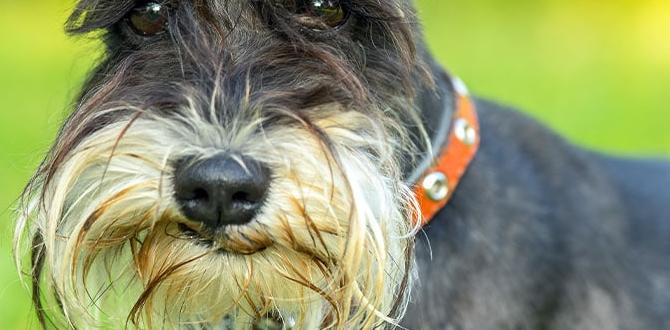
Schnauzer Feeding Schedule
Understanding a schnauzer’s feeding schedule is key to their health. A regular routine helps prevent obesity and digestive issues. Adult schnauzers need two meals a day, while puppies benefit from three smaller meals. Always follow your vet’s advice, as individual needs vary. Did you know schnauzers have different sizes—mini, standard, and giant? Each size may require different portions. Always measure their food to keep them happy and energetic! Establishing this routine can lead to a healthier, happier pet.Age-Based Feeding Schedules
Recommended feeding frequency for puppies, adults, and seniors. Transitioning from puppy to adult food and adjusting portion sizes.Feeding schedules should match your schnauzer’s age for their health and happiness. Puppies need food three to four times a day. Adults usually eat two meals a day. Seniors may prefer smaller, more frequent meals. Transitioning from puppy to adult food starts around one year old. Adjust portion sizes carefully to maintain a healthy weight. Here’s a quick guide:
- Puppies: 3-4 meals daily
- Adults: 2 meals daily
- Seniors: 2 or more smaller meals
Choosing the Right Dog Food
Types of dog food: dry, wet, and raw options. Factors to consider: breed size, activity level, and health conditions.Picking the right dog food for your schnauzer can feel like choosing ice cream flavors—so many options! You might find dry kibble, tasty wet food, or raw meat choices. Consider their breed size; bigger pups need more, while smaller breeds munch less. Don’t forget activity level; a busy schnauzer needs more energy-rich food. Lastly, check for any health conditions, because a tummy upset isn’t fun for anyone! So, let’s keep our furry friends healthy and happy!
| Type of Dog Food | Benefits |
|---|---|
| Dry (Kibble) | Convenient and helps with dental health. |
| Wet | Yummy and hydrating, perfect for picky eaters. |
| Raw | Natural and packed with nutrients. |
Portion Control and Measurement
Guidelines for portion sizes based on weight and activity level. Tools and methods for accurately measuring dog food.Finding the right portion for your schnauzer can be tricky. Think of it like a pizza party, where every dog gets just the right slice! A schnauzer’s food amount depends on their weight and how much they move. Heavier and more active pups need larger meals. Use a measuring cup and a scale to ensure accuracy. Remember, too much food is like inviting a cat to your dog party—chaos!
| Weight (lbs) | Active Dogs (cups/day) | Less Active Dogs (cups/day) |
|---|---|---|
| 10-15 | 1-1.5 | 0.5-1 |
| 16-25 | 1.5-2 | 1-1.5 |
| 26-40 | 2-2.5 | 1.5-2 |
When in doubt, check with your vet—they have the best advice! Happy feeding!
Establishing a Consistent Feeding Routine
Benefits of a regular feeding schedule. Tips for creating and sticking to a feeding plan.Having a regular feeding schedule helps your schnauzer feel safe and happy. Dogs thrive on routine. They know when to expect meals, which can reduce anxiety. A good schedule keeps their healthy weight and can help prevent overeating.
Consider these tips to create your feeding plan:
- Feed at the same times every day.
- Use measuring cups for portions.
- Stay consistent with food types.
- Monitor their weight regularly.
Sticking to the plan requires commitment. Keep a chart or reminder to help you stay on track. Over time, both you and your schnauzer will feel the benefits!
Why Is a Feeding Schedule Important?
A feeding schedule helps establish healthy eating habits, reducing the risk of obesity and digestive problems.
Tips for Setting a Schedule
- Set specific meal times.
- Limit treats to avoid overfeeding.
Hydration: The Forgotten Component
Importance of fresh water in a Schnauzer’s diet. How much water should a Schnauzer drink daily?.Many people forget how important water is for their Schnauzers. Fresh water helps keep them happy and healthy. It regulates body temperature and supports digestion. Your Schnauzer needs about half an ounce of water per pound of body weight daily. So, a 20-pound Schnauzer should drink about 10 ounces. Always provide clean water, especially after meals or exercise. This keeps them well-hydrated and energized.
How Much Water Do Schnauzers Need Daily?
A Schnauzer should drink about half an ounce of water per pound of body weight daily.
- 20-pound Schnauzer = 10 ounces of water
- 30-pound Schnauzer = 15 ounces of water
- 40-pound Schnauzer = 20 ounces of water
Signs of Overfeeding or Underfeeding
Common indicators of poor feeding practices. How to adjust feeding habits based on your dog’s needs.Feeding your dog the right amount is very important. If your schnauzer is getting too much or too little food, you might notice some signs. For overfeeding, look for:
- Weight gain
- Lethargy
- Vomiting
- Weight loss
- Lack of energy
- Poor coat condition
How do I know if my schnauzer is overfed or underfed?
Common signs include weight changes and energy levels. Look for how your dog behaves and feels to find the right balance.
Feeding Tips for Special Dietary Needs
Managing food allergies and sensitivities in Schnauzers. Consultation with veterinarians for specialized diets.Managing food allergies in Schnauzers can feel like a treasure hunt. Some pups are picky eaters or have sensitivities. First, note any odd habits—like sneezing at mealtime! A trip to the vet is key for expert advice. They might suggest a special diet that fits your furry friend’s needs. Here’s a handy chart for types of diets:
| Diet Type | Best for |
|---|---|
| Grain-Free | Sensitive stomachs |
| Novel Protein | Food allergies |
| Prescription Diet | Specific health issues |
Always remember, your Schnauzer is the boss of their belly. A vet’s guidance keeps them happy and healthy, so grab a treat and get ready to chat with the expert!
Common Feeding Mistakes to Avoid
Typical pitfalls in Schnauzer feeding practices. Tips for preventing obesity and promoting healthy eating habits.Many owners make mistakes when feeding their Schnauzers. Overfeeding is common. This can lead to serious health issues like obesity. It’s important to know the right amount of food for your dog’s age and size. Here are some tips to prevent problems:
- Measure food carefully.
- Avoid table scraps and treats.
- Feed at the same time daily.
- Provide fresh water at all times.
Keeping a consistent schnauzer feeding schedule helps maintain a healthy weight and happy pup.
What are the best feeding practices for Schnauzers?
Feed them high-quality dog food that suits their age and size. Always consult your vet for guidance.
Conclusion
In summary, a schnauzer feeding schedule is important for a healthy dog. Feed your schnauzer twice a day to maintain a steady routine. Choose high-quality dog food based on their age and size. Always provide fresh water. For more tips, check articles about schnauzer care. With proper feeding, your schnauzer will thrive and be happy!FAQs
Sure! Here Are Five Related Questions On The Topic Of A Schnauzer Feeding Schedule:Sure! Here are some answers about a schnauzer feeding schedule. You should feed your schnauzer two times a day. Always measure their food so they get the right amount. Make sure to pick a regular time for meals. This helps your schnauzer know when it’s time to eat. Remember to give them fresh water all day!
Of course! Just let me know what question you’d like me to answer, and I’ll be happy to help!
What Is The Recommended Daily Feeding Amount For A Schnauzer Based On Their Age And Weight?A schnauzer needs different amounts of food based on how old and how heavy they are. For a puppy, you might feed them about 1 to 3 cups of puppy food each day. For adult schnauzers, you should give them about 1 to 2.5 cups of food daily. Always check the food label for exact amounts. It’s also good to talk to a vet for advice.
How Often Should I Feed My Schnauzer Throughout The Day As A Puppy Compared To An Adult?You should feed your schnauzer puppy three to four times a day. This helps them grow strong and healthy. Once your schnauzer is an adult, you can feed them twice a day. Always give them fresh water, too!
Are There Specific Types Of Food That Are Best Suited For Schnauzers, And How Does That Affect Their Feeding Schedule?Schnauzers need special food made for small dogs. This food gives them the right nutrients to stay healthy. You should feed them twice a day, once in the morning and once at night. Make sure to give them the right amount based on their age and weight. Always have fresh water available for them, too!
What Signs Should I Look For To Determine If My Schnauzer Is Being Overfed Or Underfed?To see if your schnauzer is overfed, look for a big belly or trouble walking. If your dog seems very thin or has a bony back, it might be underfed. You should also notice their energy levels. A lazy dog might be overfed, while an active one could be underfed. Always check their weight regularly!
How Can I Adjust My Schnauzer’S Feeding Schedule To Accommodate Changes In Their Activity Level Or Health Needs?You can adjust your schnauzer’s feeding schedule by watching how much they play and move. If they are very active, feed them more food or add an extra meal. If they are less active or unwell, give them less food. Always check with your vet if you’re not sure about their needs. Keeping a good schedule helps your schnauzer stay happy and healthy!