
Do you have a husky? They are amazing dogs! But, have you ever thought about what to do in an emergency? It can be a scary moment when your furry friend gets hurt or sick. That’s why knowing husky emergency first aid is so important.
Imagine you are out on a fun walk and your husky suddenly limps. What would you do? Quick thinking can make all the difference. Having some first aid knowledge could help you save your dog’s life.
Here’s a fun fact: Did you know that huskies are known for their strength and endurance? But even the toughest dogs can get into tricky situations. Learning how to care for them during emergencies is key.
In this article, we will explore easy and helpful tips for husky emergency first aid. Together, we can make sure our beloved pups get the care they need when it matters most.
Husky Emergency First Aid: Essential Tips For Caregivers
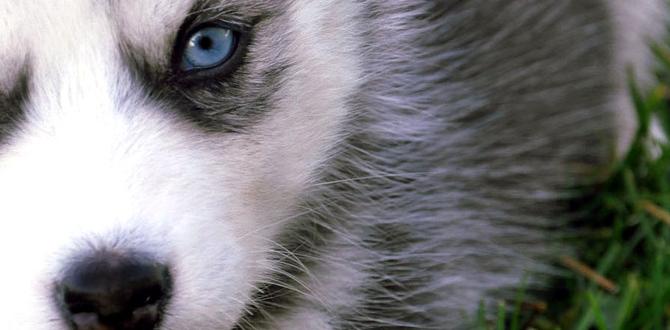
Husky Emergency First Aid
Do you know what to do if your husky gets hurt? Understanding husky emergency first aid is essential for every pet owner. Quick response can save your dog’s life. Key actions include assessing the injury, controlling bleeding, and knowing when to seek professional help. Did you know that most emergencies happen at home? Being prepared can make all the difference. Keep a first aid kit handy and learn basic techniques to keep your furry friend safe.Preparing an Emergency First Aid Kit for Your Husky
Essential items to include in the kit. How to customize the kit for specific husky needs.To keep your husky safe, an emergency first aid kit is a must! It should include several important items. Here are some essentials:
- Bandages and gauze for cuts
- Antiseptic wipes to clean wounds
- Adhesive tape for securing bandages
- Disposable gloves to stay clean
- Hydrogen peroxide for cleaning
- Small scissors for cutting
- Emergency contact numbers
Every husky is different. You may want to add items like special medications, a tick removal tool, or a muzzle for safe handling. Make sure your kit matches your husky’s specific needs!
What should I include in my husky’s first aid kit?
Always include basic supplies like bandages, first aid tape, and antiseptic wipes. Adding items for specific health concerns can help keep your husky safe!
Basic First Aid Techniques for Huskies
Stepbystep guide on performing CPR on a husky. Managing bleeding and wound care.Knowing how to help your husky in an emergency is crucial. Here’s how to perform CPR:
- Lay the husky on its side.
- Check for breathing. If there’s no breath, place your hands on its chest.
- Push hard and fast, about 100 compressions per minute.
- After 30 compressions, give 2 breaths.
For bleeding and wound care, follow these steps:
- Apply a clean cloth to stop bleeding.
- Use a bandage to cover the wound.
- Keep the husky calm and still.
Act quickly and calmly. Your husky relies on you.
How do I know if my husky needs CPR?
If your husky is not breathing or is unconscious, you should perform CPR. Remember, acting fast is key!
Reacting to Poisoning or Toxic Exposure
Common toxins for huskies and symptoms of poisoning. Immediate actions to take if poisoning is suspected.Huskies can get sick if they eat harmful things. Common toxins include chocolate, grapes, and many plants. Signs of poisoning are vomiting, weakness, and trouble breathing. If you think your husky is poisoned, act fast. Here are some steps:
- Call your vet immediately.
- Do not make your husky vomit unless told to do so.
- Keep the poison container to show the vet.
Time is very important. The quicker you respond, the better your husky’s chance of recovery.
What should I do if my husky is poisoned?
Contact your veterinarian right away for proper guidance and support.
Handling Heatstroke in Huskies
Risk factors and signs of heatstroke. How to cool down a husky safely.Huskies are fluffy and fun, but they can overheat easily! The risk factors for heatstroke include high temperatures, humidity, and overly excited playtime. Watch for signs like panting, drooling, or a wobbly walk. If you suspect heatstroke, cool them down safely with these steps:
| Step | Action |
|---|---|
| 1 | Move them to a shady area. |
| 2 | Wet their fur with cool water. |
| 3 | Give them cool (not ice-cold) water to drink. |
| 4 | Keep them calm and still. |
Remember, a happy husky is a cool husky! Always be aware of the signs of heatstroke to keep your furry friend safe.
Dealing with Injuries and Accidents
How to assess the severity of an injury. When to seek veterinary assistance.When your husky gets hurt, it’s important to check how serious the injury is. Look for things like heavy bleeding, limping, or unusual behavior. If your husky is hurt badly, you need to act fast. Here are some signs to watch for:
- Bright red blood: This means the cut is deep.
- Difficulty moving: Your husky may have a broken bone.
- Pain reaction: If your pet whines or growls, it hurts.
If you notice any of these signs, contact a vet right away. It’s always better to be safe!
How do you know when to take your husky to the vet?
Look for serious signs. If your husky can’t walk or won’t eat, it’s time to call the vet. Don’t wait! Your husky depends on you.
Emergency Contact and Resources
Importance of having a vet’s contact information. Listing local emergency veterinary services and hotlines.Keeping the vet’s contact information nearby is really important. You never know when your husky might need help. If they get hurt or sick, a vet can help you quickly. Always write down their phone number and address. Here are some local emergency resources to keep handy:
- Your regular veterinarian’s phone number
- 24-hour emergency veterinary clinic
- Pet poison control hotline
Having these details ready can make a big difference in an emergency.
Why is a vet’s contact important?
Knowing your vet’s number saves time. In a rush, calling the vet quickly can help your husky get the care they need.
Post-Emergency Care for Your Husky
Monitoring recovery and signs of complications. Tips for creating a comfortable recovery environment.After your husky’s emergency, it’s vital to watch for signs of recovery. Look for things like wagging tails and bright eyes. But watch out for complications like swelling or limping. Keep your cuddly buddy comfy and safe during recovery. Set up a cozy spot with soft blankets and familiar toys.
| Signs of Recovery | Signs of Complications |
|---|---|
| Wagging tail | Swelling or bruising |
| Eating and drinking well | Refusing food |
| Playing as usual | Excessive limping |
Make sure your husky has peace and quiet. A little extra love and care go a long way. Remember, a happy husky is a healthy husky, and they can’t resist a good belly rub! So, don’t hold back when it comes to treats and cuddles.
Conclusion
In summary, knowing husky emergency first aid can keep your pet safe. Learn basic skills and stay calm in emergencies. Always have a first aid kit ready. You can find online guides or books for more information. By preparing now, you can help your husky in times of need and ensure they stay happy and healthy.FAQs
What Are The Essential First Aid Supplies That Every Husky Owner Should Have On Hand For Emergencies?Every husky owner should have a few important first aid supplies ready. To start, we need a small bandage to cover cuts. Next, include antiseptic wipes to clean any wounds. You’ll also need tweezers to remove splinters and a digital thermometer to check for fever. Lastly, a pet first aid book can help us when we’re not sure what to do.
How Do You Recognize Signs Of Distress Or An Emergency In A Husky?You can tell if a husky is in distress by watching their behavior. If your dog is barking a lot, pacing, or hiding, they might be scared or in trouble. Look for drooling, labored breathing, or shaking; these can also be signs of an emergency. If they won’t eat or drink for a long time, that’s not normal. Always pay attention to your husky’s body language and noises.
What Steps Should You Take If Your Husky Is Choking On An Object?If your husky is choking, stay calm. First, check their mouth and try to gently remove the object if you can see it. If you can’t reach it, place your arms around their belly and give a quick push in and up, like a squeeze. If this doesn’t work, call a vet for help. Always watch your husky to keep them safe!
How Can You Safely Treat Minor Cuts Or Wounds On A Husky At Home?To treat minor cuts on your husky, start by washing your hands. Then, gently clean the cut with warm water and mild soap. You can use a clean cloth to pat it dry. If there’s bleeding, hold a clean cloth on it for a few minutes. Finally, put a bandage on the cut to keep it safe. Always watch for redness or swelling after treating it.
What Should You Do If Your Husky Shows Signs Of Heatstroke During Hot Weather?If your husky shows signs of heatstroke, move them to a cooler place right away. Give them cool, fresh water to drink. You can also wet their fur with cool water. Call a vet for help if they don’t feel better quickly. Keep an eye on them until help arrives.