
Have you ever watched a Cane Corso bounce around like a playful puppy? These powerful dogs bring joy to many homes. But owning a Cane Corso is not just about love and fun. It comes with responsibilities, especially when it comes to training.
Many people make training mistakes, often without realizing it. What might seem like a small error can lead to big problems later. For example, using the wrong Cane Corso accessories can confuse your dog. Do you really know what training tools are best for them?
Surprisingly, training a Cane Corso is not just about discipline. It’s about understanding their unique needs. Did you know that what works for smaller dogs might not work for this breed? That’s why we need to learn and avoid common mistakes.
In this article, we will explore training mistakes and the best Cane Corso accessories to use. Get ready to unlock the secrets to a happy and well-trained Cane Corso, where every wag of the tail says, “I understand you!”
Cane Corso Accessories: Avoid These Training Mistakes
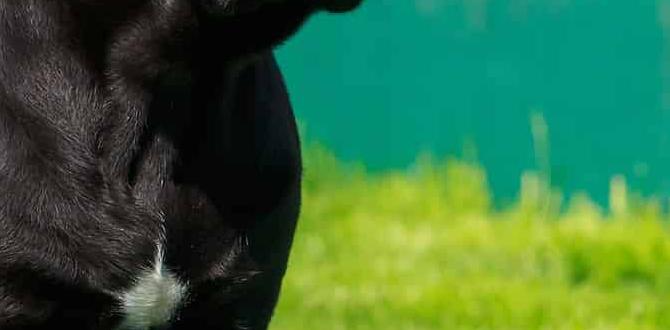
Cane Corso Accessories and Training Mistakes
Cane Corso training can be tricky, especially with the wrong accessories. Using improper tools, like a poorly fitted collar or leash, can confuse your dog. Did you know that many owners overlook socialization, impacting their dog’s behavior? A proper training plan ensures success. Avoid common mistakes like inconsistent commands. These can lead to misunderstandings. Using the right accessories and understanding your dog’s needs is crucial. This knowledge helps your Cane Corso become a well-behaved companion.Essential Accessories for Cane Corso Training
Leashes and harnesses that promote control and safety. Training collars: types and their appropriate usage.Training your Cane Corso can be smoother with the right accessories. A secure leash and harness help with control and keep your dog safe during walks. Look for types that adjust easily for a good fit. Training collars come in different styles, each meant for specific purposes. Use them carefully to avoid stress for your dog.
- Harnesses: Help with pulling, give you better control.
- Flat collars: Basic, use for ID tags.
- Prong collars: Offer correction, but should be used with care.
- Martingale collars: Safe for training, gently tighten to prevent slipping.
What is the best leash for a Cane Corso?
The best leashes for Cane Corsos are sturdy, around 6 feet long, and made from materials like nylon or leather. This length allows for control while giving them room to explore.
Understanding Cane Corso Behavior Before Training
The natural instincts and temperaments of Cane Corsos. The importance of socialization in training.Cane Corsos are strong dogs with a protective nature. Their instincts can lead them to be loyal family members or wary of strangers. Understanding this is key before training. Socializing your Cane Corso is very important. It helps them feel comfortable around different people and places. This means less fear and better behavior later. A well-socialized Cane Corso is more confident and ready to learn.
What are the natural instincts of Cane Corsos?
Their instincts include:
- Protectiveness towards family
- Alertness to surroundings
- High energy levels
How does socialization help with training?
Socialization leads to better trained dogs. It reduces anxiety and improves their reactions. A socialized Cane Corso is easier to train. They learn quickly and behave better in new situations.
Common Training Mistakes with Accessories
Overreliance on training tools instead of proper techniques. Misusing collars and leashes leading to behavioral issues.Many dog owners fall into the trap of depending too much on training tools. It’s like using a crutch all the time—you forget how to walk! Relying solely on collars and leashes can backfire. If misused, these accessories can lead to more bad behavior instead of fixing it. Is your dog suddenly trying to conduct its own version of the tango during walks? That might just be what happens when tools are misapplied!
| Training Tool | Common Mistake | Behavioral Issue |
|---|---|---|
| Collar | Too tight or loose | Pulling or discomfort |
| Leash | Yanking or dragging | Anxiety during walks |
Instead of only relying on gadgets, focus on proper training techniques. Keep it fun! After all, who wants a dog that thinks it’s the boss? Your lifestyle should be a dance, not a wrestling match!
Choosing the Right Training Accessories
Factors to consider: size, material, and purpose. Recommendations of brands and products that work effectively.Choosing the right training accessories is key for your Cane Corso. Consider size, material, and purpose before buying. Accessories should fit your dog well. Strong materials last longer. Think about how you will use them. Here are some trusted brands:
- PetSafe: Good for leashes and collars.
- Kurgo: Known for durable harnesses.
- Chuckit: Great for toys and fetch games.
These options can help make training easier and more fun!
What is important when choosing accessories for Cane Corso training?
Size, material, and purpose matter the most. Always pick items that fit your dog. Durability is key, as well, since Cane Corsos are strong dogs.
Adjusting Training Techniques Based on Accessory Use
How different accessories impact training effectiveness. Adapting training methods to complement chosen accessories.Using different accessories can change how you train your Cane Corso. For example, a slip collar might help with pulling, but it could stress your dog if used too much. You need to pick the right tools and adjust your training style.
Here are some tips to consider:
- Choose gentle collars for easy-going training.
- Use harnesses for more control during walks.
- Practice commands with treats for positive reinforcement.
Remember, the right accessory can make training easier and more fun!
How do accessories affect Cane Corso training?
Accessories impact training by using the right tools to support good habits. Choosing the best ones can make training smoother and help your dog learn faster.
Real-life Examples of Training Mistakes
Case studies of Cane Corso owners and their accessory pitfalls. Lessons learned from common training errors.Many Cane Corso owners have faced funny training mishaps. One owner, Sarah, wanted her pup, Bruno, to walk on a fancy leash. Instead, Bruno turned it into a tug-of-war toy! Sarah learned that simple accessories work best. Another case involved Tom, who tried teaching his dog with colorful collars. They ended up distracting him more than helping. It seems sometimes, less is more! Here are some lessons learned:
| Owner | Accessory Mistake | Lesson |
|---|---|---|
| Sarah | Fancy leash | Stick to basics! |
| Tom | Colorful collars | Clear signals matter! |
With the right accessories, training can be smooth and fun!
Best Practices for Successful Cane Corso Training
Combining accessories with positive reinforcement methods. Regular evaluation and adjustment of training gear and methods.For successful cane corso training, combine the right accessories with positive reinforcement. This will encourage good behavior. Use treats and praise to reward your dog. Regularly check and adjust your training gear. You want to make sure it fits well and feels comfortable for your dog. This will help keep your dog happy and engaged. Remember, a happy dog learns better!
How can I improve my cane corso training?
To improve training, focus on positive reinforcement. Correct gear adjustments also help. Make sure your dog feels secure and loved. Enjoy the process and have patience!
Checklist for Training Success:
- Use treats for rewards.
- Adjust gear for comfort.
- Regularly evaluate training methods.
Conclusion
In conclusion, avoiding mistakes in Cane Corso training is crucial. Use the right accessories like collars and leashes. Always stay patient and consistent. Remember, it’s okay to ask for help or read more on training tips. By learning from these common errors, you can help your Cane Corso become a happy and well-behaved companion. Let’s start training today!FAQs
What Are Common Training Mistakes To Avoid When Using Accessories Like Collars And Harnesses With A Cane Corso?When training your Cane Corso, don’t pull too hard on the collar or harness. This can hurt them or make them scared. Remember to always use treats to encourage good behavior. Also, don’t leave the harness on when they are not training. This can make them feel uncomfortable or frustrated. Always check that the collar or harness fits well, so your dog is safe and happy.
How Can Improper Fitting Of Training Accessories Impact The Behavior And Training Progress Of A Cane Corso?Improperly fitting training accessories can make a Cane Corso uncomfortable. If a collar or harness is too tight, it can hurt them. This may cause the dog to act scared or frustrated. When dogs are stressed, they don’t learn as well. We want our Cane Corso to feel happy and safe while training!
What Types Of Training Accessories Are Most Effective For Cane Corsos, And What Mistakes Should Owners Avoid When Selecting Them?For training Cane Corsos, effective accessories include sturdy collars, long leashes, and training treats. You want collars that fit well but aren’t too tight. Soft leashes help you stay in control during walks. Avoid using harsh collars or tiny leashes, as they can hurt your dog or make training harder. Always choose items that keep your dog comfortable and safe!
How Can Training Accessories Be Misused During Socialization Exercises With A Cane Corso, And What Are The Consequences?You can misuse training accessories by not using them correctly. For example, if you pull hard on a leash, it can scare your Cane Corso. This may make them afraid of people or other dogs. If we don’t use treats to reward good behavior, our dog might not learn what to do. Misusing these tools can cause confusion or bad habits, making training harder.
What Are The Best Practices For Introducing Training Accessories To A Cane Corso To Prevent Common Training Errors?To introduce training accessories to your Cane Corso safely, start slowly. Use treats and praise to make it fun. Let your dog sniff and explore the accessories first. Always watch for signs of worry, like backing away. Finally, practice often but keep training sessions short and happy!