Master your Cane Corso’s crate training and bathing routine with this simple guide! We provide essential tips for a clean, happy, and well-adjusted giant breed.
Caring for a Cane Corso can be incredibly rewarding, but it also comes with unique needs. Two areas that often puzzle new owners are crate training and bathing. Sometimes, these tasks can feel overwhelming with such a large and powerful breed. You want your Cane Corso to feel safe and comfortable in their crate, and you also want them to be clean and healthy without a bath turning into a wrestling match. This guide is designed to simplify both aspects, offering clear, step-by-step advice perfect for beginners. Let’s get your Cane Corso enjoying their crate time and rocking a fresh, clean coat!
Understanding Your Cane Corso: Crate Training Essentials
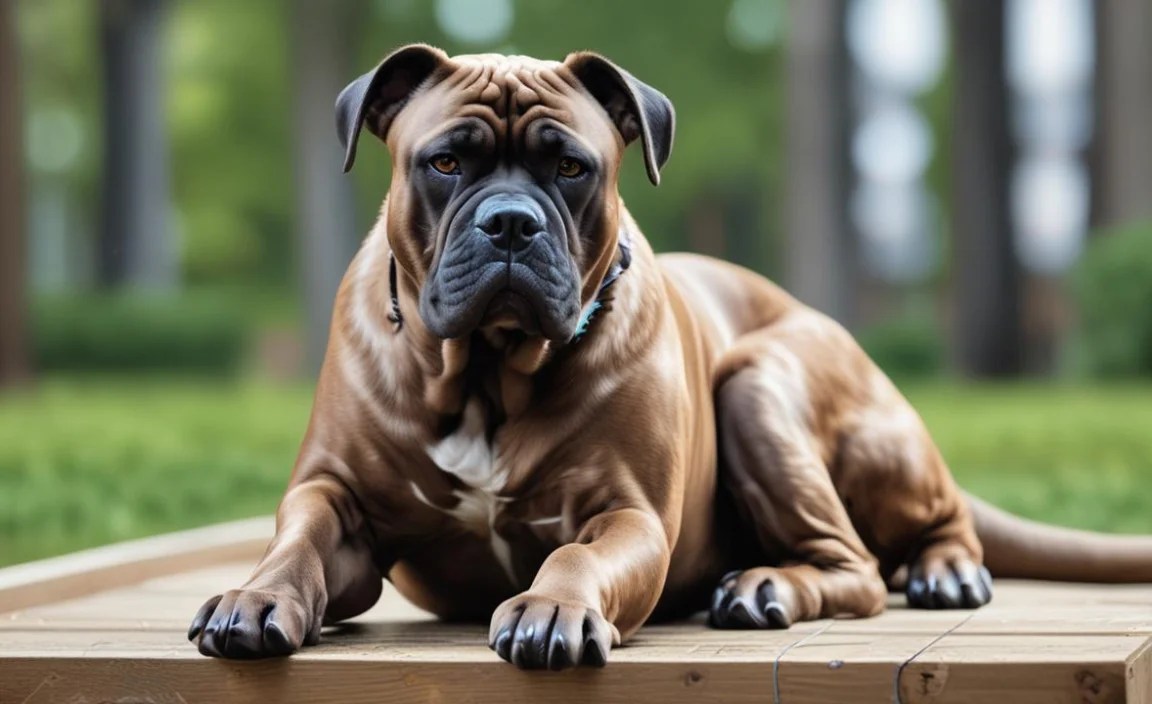
Crate training is more than just putting your dog in a cage; it’s about creating a safe haven for your Cane Corso. A properly introduced crate can help with house training, prevent destructive behaviors when you’re away, and offer your Corsos a secure den to retreat to. For a breed as intelligent and sensitive as the Cane Corso, patience and positive reinforcement are key.
Why Crate Training is Crucial for Cane Corsos
Cane Corsos are large dogs with a lot of energy and a strong protective nature. A crate provides them with a sense of security and personal space, which can be especially important as they grow. It also offers immense benefits for their owners:
House Training Aid: Dogs are naturally clean and don’t want to soil their sleeping area. A crate helps them hold it until they can go outside.
Preventing Destructive Behavior: Boredom or anxiety can lead to chewing, digging, or other unwanted behaviors. A crate, when used correctly, can prevent this.
Safe Space: Your Cane Corso can relax and feel secure in their crate, especially during stressful times like thunderstorms or when visitors are over.
Travel Companion: A crate can make car rides safer and less stressful for your dog and for you.
Management: It’s a vital tool for managing your dog when you can’t supervise them directly, preventing accidents or damage.
Choosing the Right Crate for Your Cane Corso
The size of your Cane Corso is a significant factor when selecting their crate. They need enough space to stand up, turn around, and lie down comfortably. Overly large crates can sometimes become a potty accident zone, while too-small crates are simply inhumane.
Size Matters: For an adult Cane Corso, you’ll likely need a large or extra-large wire or heavy-duty plastic crate. Measure your dog from nose to tail and from the floor to the top of their head to ensure a good fit. The crate should be about 4-6 inches longer than your dog and tall enough for them to stand without hitting the top.
Material:
Wire Crates: These are breathable, offer good visibility, and are easy to clean. They often come with dividers, allowing you to adjust the size as your puppy grows.
Heavy-Duty Plastic Crates: These are durable and more den-like, which some dogs prefer. They are excellent for travel.
Wood Crates/Furniture Crates: These can blend in with your home decor but can be heavier and harder to clean. Ensure they have adequate ventilation.
The American Society for the Prevention of Cruelty to Animals (ASPCA) offers excellent resources on choosing appropriate containment for your dog, emphasizing that the crate should never be used for punishment. You can find more information on their site regarding responsible pet ownership and containment.
Step-by-Step Cane Corso Crate Training Plan
Introducing the crate positively is the most crucial step. Never force your Cane Corso into the crate. The goal is for them to associate the crate with good things.
1. Make it Inviting:
Place comfortable bedding and a favorite toy inside.
Leave the crate door open during the day so your dog can explore it on their own terms.
Toss high-value treats (like small pieces of cooked chicken or cheese) inside the crate, progressively further in, so your dog has to enter to get them.
2. First Entrances:
When your Cane Corso willingly goes inside, praise them calmly.
You can feed them meals inside the crate with the door open. This helps them associate the crate with positive experiences.
3. Short Durations with Door Closed:
Once your dog is comfortable going in and out, try closing the door for a few seconds while they are eating or playing with a toy.
As they get more settled, gradually increase the time the door is closed. Always open it before they become stressed or bark excessively.
4. Increasing Time:
Start leaving your dog in the crate for short periods (5-15 minutes) while you are home but out of sight (e.g., in another room).
Gradually extend these periods. If your dog shows signs of distress (whining, barking, trying to escape), you’ve gone too fast. Go back to shorter durations.
5. Nighttime Crate Training:
For the first few nights, place the crate in your bedroom so your Cane Corso feels less alone.
Expect some initial whining. Ignore mild whining if it’s clear they are just testing boundaries. If they need to potty, take them out calmly and without much interaction, then put them back in the crate.
Do not let them out repeatedly for fussing. This teaches them that whining will get them attention or release.
6. Potty Breaks:
Take your Cane Corso out for potty breaks immediately after letting them out of the crate, especially first thing in the morning and last thing at night.
Ensure they have a designated potty spot and reward them generously when they go.
Important Considerations:
Never use the crate as punishment. This will create a negative association.
Don’t leave your Cane Corso in the crate for too long. Puppies need frequent potty breaks, and adult dogs need exercise and social interaction. Aim for a maximum of 2-3 hours initially for young dogs, and no more than 6-8 hours for adult dogs (with breaks).
Watch for stress signals: Panting, drooling, pacing, excessive barking, or attempts to escape are signs your dog is not coping well.
Consistency is key. Everyone in the household should follow the same rules.
Essential Cane Corso Bathing Tips
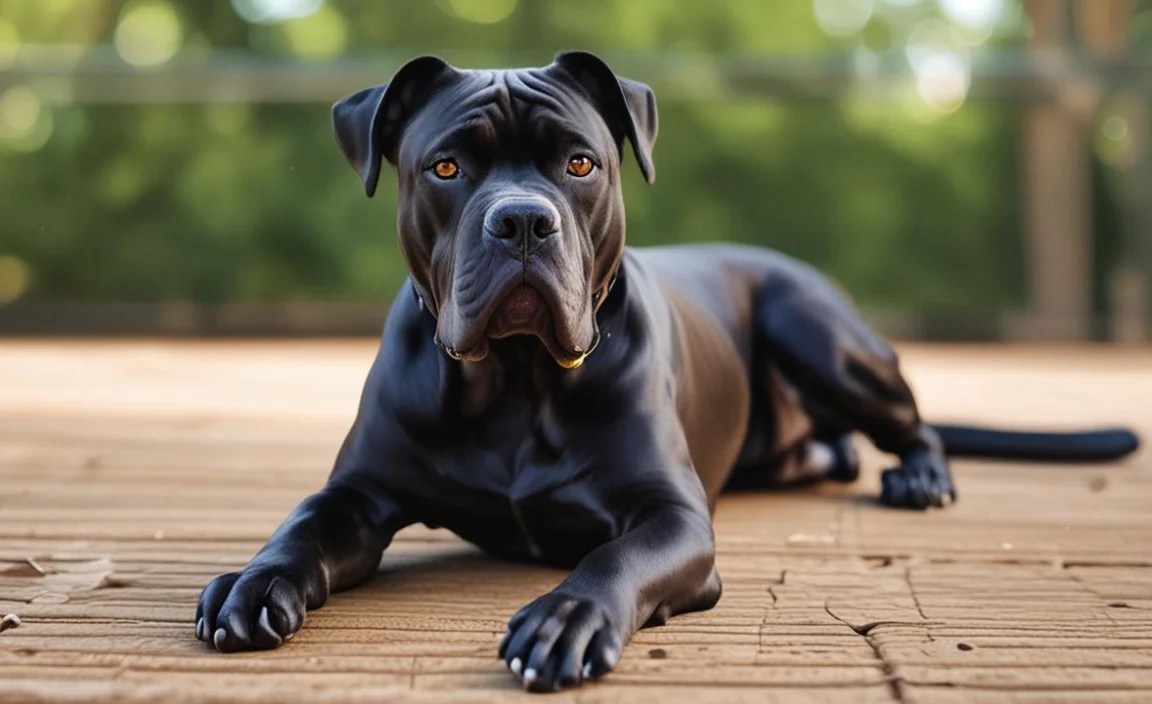
Bathing your Cane Corso might seem like a daunting task, given their size and potential for disliking the process. However, with the right approach, it can be a manageable and even positive experience for both of you. Regular bathing helps keep their skin healthy, their coat clean, and reduces shedding.
Why Regular Bathing is Good for Your Cane Corso
A clean Cane Corso is a healthy Cane Corso. Regular baths:
Removes Dirt and Debris: Especially important for an active breed that enjoys the outdoors.
Maintains Skin Health: Helps prevent skin irritations, infections, and parasites.
Reduces Shedding: While Cane Corsos don’t shed excessively compared to some breeds, regular bathing and brushing can significantly manage loose hair.
Bonding Experience: Can become a routine that strengthens your bond if done correctly and positively.
Early Detection: Allows you to check for lumps, bumps, skin issues, or parasites.
Choosing the Right Grooming Tools and Products
The right supplies make a huge difference. For a Cane Corso, durability and gentleness are key.
Shampoo: Use a high-quality, dog-specific shampoo. Look for formulations suited to their skin and coat type, such as oatmeal-based shampoos for sensitive skin or de-shedding shampoos. Avoid human shampoos, as they have the wrong pH for dogs.
Conditioner (Optional but Recommended): A good conditioner can help detangle their short coat, make it shinier, and improve skin health.
Towels: Have several absorbent towels ready. Microfiber towels are excellent for quickly drying a large dog.
Grooming Gloves or Brushes: A rubber grooming glove or a slicker brush can help remove loose fur during the bath and massage their skin.
Cotton Balls: To gently place in your dog’s ears to prevent water from getting in, which can lead to infections.
Non-Slip Mat: Crucial for the bathtub or grooming tub to prevent slips and falls.
Treats: High-value training treats will be your best friend for positive reinforcement during the bath.
Optional: A dedicated grooming tub or a large utility sink. If you don’t have the space or ability to bathe them in a bathtub, a large, sturdy outdoor tub or a utility sink can work.
Step-by-Step Cane Corso Bathing Guide
Preparation is key to a smooth bathing process for a large breed like the Cane Corso.
1. Preparation is Key:
Gather all your supplies before you bring your dog to the bathing area.
Brush your Cane Corso thoroughly to remove any loose fur and to check for mats or skin issues. This step is vital for reducing shedding during the bath.
Gently insert cotton balls into your dog’s ears.
Put a non-slip mat in the tub.
Fill a bucket or cup with lukewarm water for rinsing.
2. Introducing the Bathing Area:
If your Cane Corso is new to bathing or hesitant, start by simply letting them explore the empty tub or shower area with treats.
Once they are comfortable, introduce the sound of running water without them being in it.
Gradually introduce them to standing in a dry tub for short periods.
3. Getting Wet:
Use a gentle stream of lukewarm water. Avoid spraying water directly into their face, eyes, or ears. Start by wetting their paws and legs and gradually work your way up their body.
Many Cane Corsos may be sensitive to the temperature and pressure of the water. Keep it mild and reassuring.
4. Shampooing:
Apply a small amount of dog shampoo to your hands and work it into a lather.
Gently massage the shampoo into their coat, working from neck to tail. Pay attention to areas like their legs, belly, and tail.
For their face, use a damp cloth or a very mild, tear-free puppy shampoo if needed. Avoid getting soap directly into their eyes.
5. Rinsing:
This is one of the most critical steps. Rinse thoroughly. Any leftover shampoo residue can irritate the skin and cause itching and dryness.
Spend extra time rinsing their belly, between their toes, and under their tail. Use your hands to ensure all soap is gone.
6. Conditioning (If Used):
Apply conditioner as per the product instructions, usually focusing on the coat and avoiding the skin too much.
Let it sit for a minute or two, then rinse thoroughly again.
7. Drying:
Gently squeeze out excess water from their coat.
Use your absorbent towels to pat and rub your dog dry. Work from their back downwards.
If your Cane Corso tolerates it, you can use a pet-specific, low-heat dryer on a cool or low setting. Keep the dryer moving and at a safe distance to avoid burns. Never use a human hairdryer on high heat.
Brush them again while slightly damp to catch any lingering tangles.
8. Finishing Touches:
Once they are mostly dry, remove the cotton balls from their ears.
Toss them a high-value treat and offer plenty of praise.
Allow them to “air dry” the rest of the way in a warm, draft-free area.
Making Bath Time Less Stressful for Your Cane Corso
Positive association is the key to a successful bath time.
Start Young: If possible, introduce puppies to gentle bathing early and often.
Be Calm and Patient: Your dog senses your emotions. If you’re stressed, they will be too.
Use High-Value Treats: Reward good behavior throughout the entire process.
Keep Cool: Avoid hot water, which can be uncomfortable and even painful.
Gentle Handling: Avoid rough movements. Support their body and speak in a soothing voice.
Shorten Sessions: If your dog is very resistant, consider breaking the bath into two shorter sessions (e.g., wash the front half one day, the back half another).
Consider Professional Groomers: For very anxious dogs or owners who struggle, a professional groomer experienced with large breeds can be a great resource. They have specialized equipment and techniques.
Here’s a quick comparison of bathing methods:
| Method | Pros | Cons | Best For |
|---|---|---|---|
| Bathtub/Shower | Control over water temperature and pressure, easy to rinse | Can be difficult to get a large dog in/out, potential for slips | Most home owners with accessible bathing areas |
| Outdoor Hose/Tub | Good for warm weather, less mess indoors, ample space | Water temperature can be an issue, weather-dependent, dog may be less relaxed | Larger dogs in warmer climates, owners with outdoor space |
| Grooming Salon | Professional equipment, experienced handlers, less stress for some owners | Cost, dog may still be anxious if not well-socialized | Anxious dogs, owners lacking resources or confidence |
Integrating Crate and Bathing Routines

The best way to ensure your Cane Corso thrives is to integrate their crate and bathing routines smoothly into their daily lives. A well-trained dog who is comfortable being handled and stays in their crate for periods will naturally adapt better to grooming tasks.
Building Trust and Routine
Your Cane Corso’s maturity and personality will play a role, but consistency is universally effective.
Crate as a Calm Space: Once your dog is crate trained, you can use short periods in the crate as a way to keep them safe and calm while you prepare for or during activities like giving them a chew toy or setting up for a bath.
Introduce Bathing Prep Near Crate: If your dog is comfortable in their crate, set up your grooming supplies nearby. This helps associate the smell of shampoo or towels with their safe space.


