A well-structured Cane Corso crate workout plan helps your dog adapt to their crate, feel safe, and use it as a positive den. This plan makes crate training easy for both you and your giant breed puppy or adult dog.
Bringing a new Cane Corso into your home is an exciting time! These majestic dogs are known for their loyalty and protective nature. However, like all breeds, they benefit immensely from proper training and a structured environment. One of the most effective tools for establishing a secure and well-behaved companion is crate training. It might seem daunting, especially with a large breed, but with the right approach, it can be a source of comfort and peace for your dog. This article will guide you through a simple, genius plan to make crate training a breeze for your Cane Corso.
Understanding the Cane Corso and Crate Training

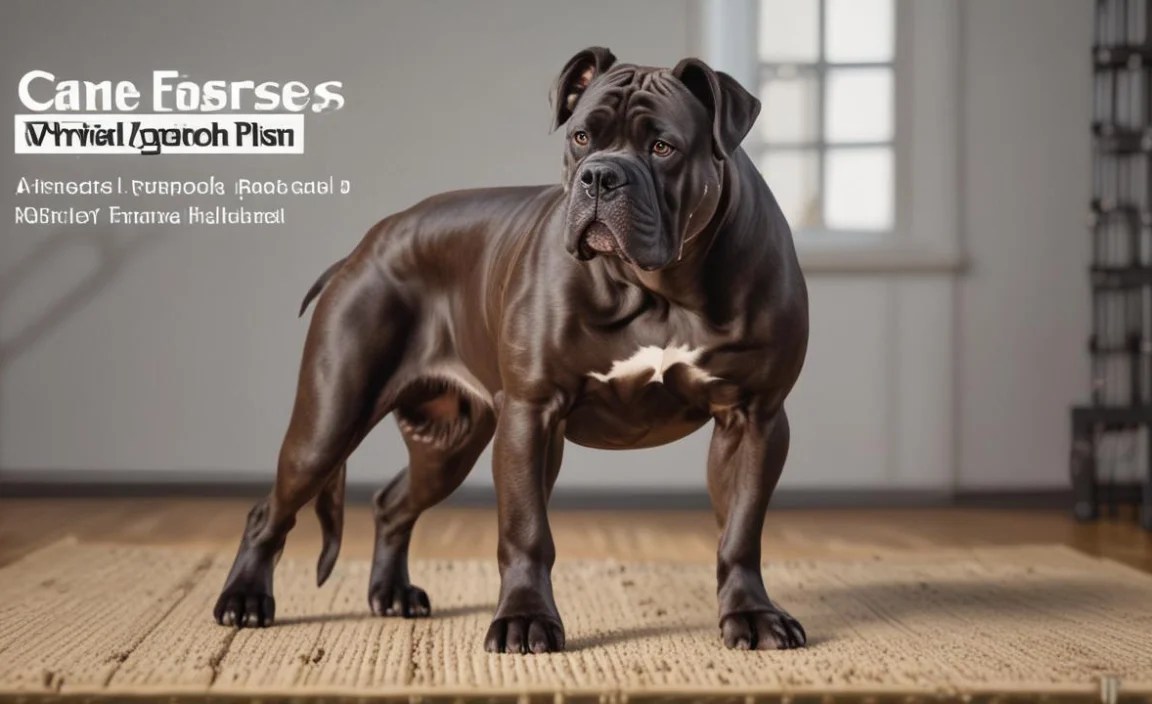
Cane Corsos are a powerful breed, originally bred as guard dogs and protectors. They are intelligent, trainable, and deeply bonded to their families. Because of their size and strength, early and positive training is crucial. A crate, when introduced correctly, acts as a safe haven for your Cane Corso. It can help with house training, prevent destructive behavior when left alone, provide a secure space during stressful times, and offer a comfortable spot for rest. Unlike a cage used for punishment, a crate should be a positive, inviting space for your dog.
Why a “Crate Workout Plan”?
The term “crate workout plan” might sound a bit unusual, but it emphasizes that crate training is an active process requiring consistency and positive reinforcement, much like physical exercise for your dog. It’s not about forcing your dog into the crate, but rather training them to want to be in it. For a large breed like the Cane Corso, this structured approach is even more important to ensure they are comfortable and confident in their designated space. This plan breaks down the process into manageable steps that are easy to follow, even for complete beginners.
Choosing the Right Crate for Your Cane Corso

Selecting the correct crate is the first vital step. Cane Corsos are big dogs, and they need plenty of room. A general rule of thumb is that the crate should be large enough for your dog to stand up, turn around comfortably, and lie down fully stretched out. Too small, and it’s uncomfortable; too large, and they might use one end as a potty area, defeating a key purpose of crate training for housebreaking.
Crate Size Guidelines
- Length: Your dog’s length from nose to the base of their tail.
- Height: Your dog’s height when standing.
- Width: Your dog’s width when standing.
For a Cane Corso, this usually means a large or extra-large crate, typically measuring around 42-48 inches in length, 28-30 inches in width, and 30-32 inches in height. Wire crates are popular because they offer good ventilation and visibility, and often come with dividers for puppies to adjust the space as they grow. Heavy-duty plastic crates can also be a good option for powerful breeds as they offer more security and a cozier feel. You can find excellent resources for crate selection on reputable pet supply websites or by consulting with a breed expert.
Key Crate Features to Consider:
- Durability: Essential for a strong breed like the Cane Corso.
- Ventilation: Allows for airflow and reduces anxiety.
- Ease of Cleaning: A must-have for any dog owner.
- Secure Latch: Prevents accidental escapes.
- Dividers: Useful for puppies to grow into the crate.
Always measure your dog accurately before purchasing. It’s better to buy a crate that accommodates their adult size and use dividers to make it smaller initially.
The “Effortless Genius” Cane Corso Crate Workout Plan: Step-by-Step

This plan focuses on making the crate a positive experience from the very beginning. We’ll use association, rewards, and patience. Remember, consistency is key!
Phase 1: Introduction and Positive Association
The goal here is for your Cane Corso to view the crate as a safe, welcoming place, not a prison or a punishment zone.
- Crate Placement: Set up the crate in a common area of your home (like the living room) where your dog can feel part of the family. This combats feelings of isolation.
- Open Door Policy: Leave the crate door open at all times, especially during the initial phase. Let your dog explore it on their own terms.
- Treat Toss: Toss high-value treats (small pieces of chicken, cheese, or liver treats) into the crate. Encourage your dog to go in to retrieve them. Don’t force them. If they hesitate, toss them just inside the door.
- Mealtime Magic: Feed your Cane Corso their meals inside the crate. Start with the food bowl just inside the door, then gradually move it further back towards the center as they become more comfortable.
- Playtime Power: If your dog enjoys a particular toy, toss it into the crate. Let them go in to retrieve it. Make it a fun place to be.
Duration: Repeat these steps multiple times a day for the first few days. The goal is for your dog to willingly enter the crate on their own. You should never lock them in during this phase.
Phase 2: Short Stays with the Door Closed
Once your Cane Corso is happily entering the crate on their own to eat or retrieve treats, you can begin introducing short periods with the door closed.
- Start Small: After your dog has eaten a meal in the crate or gone in to get a treat, close the door for just a few seconds.
- Positive Reinforcement: While the door is closed, talk to your dog in a calm, reassuring voice. Sprinkle a few more treats into the crate.
- Open and Reward: Open the door before your dog shows any signs of distress or barking. As soon as the door opens, offer praise and a treat.
- Gradual Increase: Slowly increase the duration the door is closed. Start with 5-10 seconds, then move to 30 seconds, then 1 minute, and so on.
- Don’t Rush: If at any point your dog becomes anxious, whining, or barking, you’ve gone too fast. Revert to a shorter duration where they were comfortable.
Duration: Aim to progress over several days, gradually increasing the time your dog spends with the door closed, up to a few minutes. Always end on a positive note when they are calm.
Phase 3: Increasing Duration and Independence
Now, your Cane Corso is comfortable with short periods alone in the crate. This phase focuses on longer stays and building their independence.
- Leaving the Room: Once your dog is settled with the door closed for several minutes, start leaving the room for very short periods. Keep an eye on them through a doorway or window if possible.
- Return Calmly: When you return, wait until your dog is calm before opening the door and offering praise. Ignore them if they are overly excited upon your return.
- Build Up Time: Gradually increase the time you are outside the room. From a minute, to two minutes, to five, and so on.
- Crate As a Den: During this phase, the crate should also be used when you are home but can’t supervise them directly. This could be during dinner preparation or when you have guests over.
- Nighttime Crate Training: For house training, the crate is invaluable at night. Place their crate in your bedroom initially so they can hear and smell you, which provides comfort. Take them out for a final potty break right before bedtime.
Duration: The goal is for your Cane Corso to be able to comfortably stay in their crate for several hours at a time, both when you are home and when you are out for short periods. For nighttime, aim for them to hold it for 6-8 hours.
Phase 4: Longer Absences and Integration
This is the final stage where your Cane Corso is fully comfortable with their den and can spend extended periods there.
- Gradual Departure Times: Slowly increase the length of your absences. Start with an hour, then two, then three.
- Provide Enrichment: For longer periods, leave a safe and durable chew toy or a stuffed Kong in the crate with your dog. This keeps them occupied and reinforces the positive association. Ensure the toy is safe and not a choking hazard.
- Routine is Key: Establish a consistent routine for crate time. This helps your dog understand what to expect.
- Never Use for Punishment: Reiterate this rule. The crate must always be a positive space.
- Listen to Your Dog: If your Cane Corso shows signs of excessive anxiety even after significant training, consult a professional trainer or veterinarian. Some dogs may have underlying issues.
Duration: Your Cane Corso should be able to spend reasonable, appropriate amounts of time in their crate while you are away. For adult dogs, this can be up to 8-10 hours, similar to a workday, with potty breaks. Puppies will require more frequent breaks; consult resources on puppy bladder capacity, such as those provided by the American Kennel Club.
Essential Tools and Tips for Success

Having the right tools and knowing a few tricks can make a world of difference.
Crate Training Toolkit:
- Appropriately Sized Crate: As discussed, crucial for comfort.
- High-Value Treats: Small, smelly, and extra-tasty rewards. Think tiny bits of cooked chicken, cheese, or commercial training treats that your dog absolutely loves.
- Safe Chew Toys: Kongs, Nylabones, or other durable chew toys. Ensure they are size-appropriate and cannot be broken into small, swallowable pieces.
- Comfortable Bedding: A soft, washable bed or blanket that fits the crate. Make sure it’s durable and won’t be a choking hazard if torn.
- Spray Bottle (Optional for Negative Reinforcement – Use with extreme caution): Some trainers use a water spray bottle for unwanted behaviors outside the crate if they occur during training, but never spray your dog inside the crate or for signs of anxiety within it. Positive reinforcement is always preferred for crate training.
Tips for a Giant Breed Like the Cane Corso:
- Patience is Paramount: Large breeds can sometimes take longer to mature mentally. Be patient and consistent.
- Positive Body Language: Speak in a calm, soothing voice. Avoid nervous or anxious tones.
- Never Haul or Drag: Never physically force your dog into the crate or drag them out.
- Crate Should Be Their “Den”: Emphasize that the crate is their safe space, not a place for timeouts or punishment.
- Potty Breaks: For puppies and young dogs, frequent potty breaks outside the crate are essential. Crate training aids housebreaking by preventing accidents when unsupervised.
- Exercise Before Crate Time: A tired dog is more likely to rest peacefully in their crate. Ensure your Cane Corso gets adequate physical and mental exercise before extended crate periods.
Troubleshooting Common Cane Corso Crate Training Issues
Even with the best plan, you might encounter a few bumps in the road. Here’s how to handle them.
When Your Cane Corso Whines or Barks in the Crate
- Is it Potty Related? Especially with puppies, whining can mean they need to go outside. Take them out immediately.
- Don’t Reward with Release: If your dog barks or whines incessantly, resist the urge to let them out immediately. Doing so rewards the barking. Wait for a brief moment of silence before opening the door.
- Check for Anxiety: If it’s persistent and accompanied by other signs of distress (pacing, panting, drooling), they might be experiencing separation anxiety. Gradually increase time spent alone. Online resources from organizations like the Humane Society offer great advice.
- Rule Out Discomfort: Ensure the crate is the right size and comfortable.
When Your Cane Corso Refuses to Enter the Crate
- Go Back a Step: If they used to go in readily and now refuse, you might have progressed too quickly. Revert to easier steps like tossing treats just inside the door.
- Make it More Appealing: Leave high-value treats or a favorite stuffed Kong inside.
- Positive Association: Ensure they are never forced. The goal is for them to want to go in.
When Your Cane Corso Has Accidents in the Crate
- Crate Too Big: This is the most common cause. Use dividers to make the space smaller.
- Not Taken Out Enough: Especially for puppies and dogs recently out of puppyhood. Stick to a strict potty schedule.
- Illness: Rule out any medical issues with your veterinarian.
- Clean Thoroughly: Use an enzymatic cleaner to completely remove odor, or the dog will be drawn back to the spot.
Pros and Cons of Crate Training Your Cane Corso
Like any training method, crate training has its advantages and potential drawbacks.
| Pros | Cons |
|---|---|
| Aids in housebreaking by preventing accidents. | Can be perceived as punishment if not introduced properly. |
| Provides a safe den and reduces anxiety during stressful events. | Requires initial time and consistency to establish. |
| Prevents destructive chewing and other unwanted behaviors when unsupervised. | Finding the correct size and type of crate for a large breed can be challenging and expensive. |
| Facilitates travel and veterinary visits by giving the dog a familiar safe space. | Over-reliance can lead to boredom or reduced exercise if not complemented with other activities. |
| Helps establish a routine and sense of security for the dog. | Some dogs may develop true separation anxiety if not trained carefully. |
Frequently Asked Questions About Cane Corso Crate Training
Q1: How long should I leave my Cane Corso puppy in the crate each day?
For puppies, the general guideline is that they can typically stay in a crate for their age in months plus one hour, with a maximum of around 2-3 hours at a time for very young puppies. So, a 3-month-old puppy could stay for about 4 hours. However, this is a guideline, and they will need frequent potty breaks. Always ensure they have access to water and don’t leave them for any longer than they can comfortably manage.
Q2: My Cane Corso adult dog has never been crate trained. Is it too late?
Absolutely not! It’s never too late to introduce positive crate training to an adult dog. You’ll likely need to be extra patient and focus heavily on building positive associations, as they may have existing negative associations with crates. Go back to Phase 1 and take it very slowly.
Q3: Should my Cane Corso sleep in the crate at night?
Yes, nighttime crate sleeping is highly recommended, especially for puppies and dogs learning to housebreak. It helps them settle down and prevents accidents. Placing the crate in your bedroom initially can provide comfort and reassurance.
Q4: What if my Cane Corso is too large for standard crates?
Cane Corsos are a large breed, and you’ll need to ensure you’re purchasing an extra-large or giant-sized crate. Look for crates that are at least 42-inch or especially 48-inch models. Many manufacturers offer heavy-duty or extra-wide options specifically for giant breeds. Always check the dimensions and weight limits.
Q5: How often should I take my Cane Corso out of the crate for potty breaks?
For puppies, every 1-2 hours is a good starting point. As they get older, gradually increase the intervals. For adult dogs, taking them out first thing in the morning, after meals, after naps, after playtime, and right before bed is a solid routine. Your dog’s individual needs will dictate the exact frequency.
Q6: Can I use the crate for punishment if my Cane Corso misbehaves?
Never! This is the most critical rule of crate training. The crate must be a safe, positive den. Using it for punishment will create fear and anxiety, leading to a negative association with the crate, making training much harder and potentially creating behavioral problems.


