Effortlessly shine your Cane Corso’s coat with a simple daily brushing routine, making grooming easy and boosting your dog’s health and appearance.
Keeping your magnificent Cane Corso looking and feeling their best doesn’t have to be a chore. Many owners worry about shedding or how to get that signature glossy coat. This guide breaks down the simple steps to a healthy, shiny coat for your gentle giant. You’ll learn exactly what you need and how to make brushing a positive part of your dog’s day, leading to a happier pup and less cleanup for you.
Why Daily Brushing is a Must for Your Cane Corso

Your Cane Corso, a breed known for its impressive physique and loyal nature, also has a coat that deserves special attention. Daily brushing offers far more than just a good look; it’s a fundamental part of their health and well-being. For beginners, understanding why this routine is important can make all the difference in commitment and effectiveness.
Health Benefits Beyond Aesthetics
The benefits of a regular brushing routine extend deep into your Cane Corso’s overall health. It’s not just about making them look pretty; it’s about proactive care.
Stimulates Natural Oils: Brushing helps to distribute the natural oils produced by your dog’s skin throughout their coat. These oils are essential for keeping their fur moisturized, healthy, and naturally shiny.
Reduces Shedding: While Cane Corsos are often described as moderate shedders, daily brushing can significantly manage loose hair before it ends up on your furniture. It removes dead hair that would otherwise fall out naturally.
Prevents Matting and Tangles: Although their coat is short, improper grooming can still lead to mats and tangles, especially around thicker areas or on older dogs. Daily brushing keeps these problematic knots at bay.
Skin Health Check: Brushing provides an excellent opportunity to inspect your dog’s skin. You can easily spot any fleas, ticks, irritations, lumps, or bumps that might need veterinary attention. Early detection is key to treating many skin conditions.
Improved Circulation: The gentle massage action of brushing stimulates blood flow to your dog’s skin, promoting healthier follicles and contributing to a healthier coat.
Strengthens Your Bond: Brushing is a wonderful bonding experience. When done positively and gently, it can become a comforting ritual that reinforces your connection with your Cane Corso.
Understanding the Cane Corso Coat
The Cane Corso has a short, stiff, dense double coat. This means they have a softUndercoat and a coarserOuter coat. The outer coat lies close to the body and feels somewhat coarse to the touch, while the undercoat is finer. This coat type provides protection from the elements but also means that regular grooming is necessary to manage shedding and keep the coat in top condition.
Getting Started: Essential Tools for Effortless Brushing
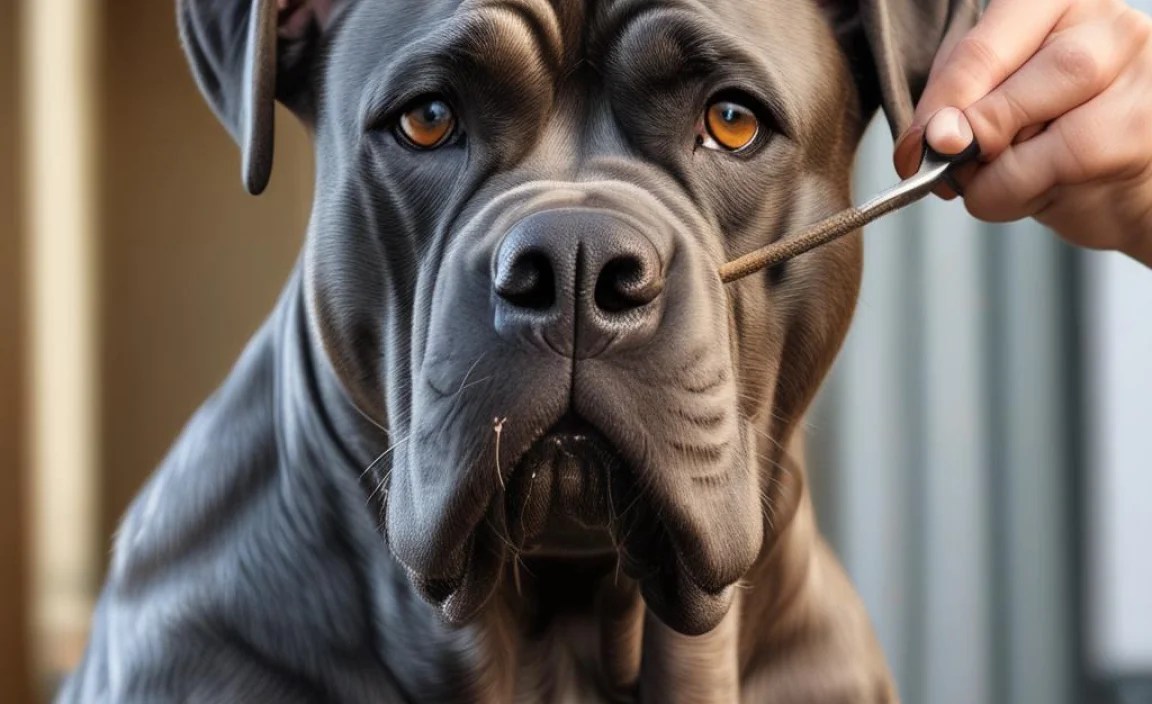
Choosing the right tools makes a world of difference in making brushing a smooth and effective process for both you and your Cane Corso. For a short-coated breed like the Cane Corso, you don’t need a vast arsenal, but a few key items will ensure you can tackle their coat efficiently.
Your Cane Corso Brushing Toolkit
Bristle Brush: A quality bristle brush with firm, natural bristles is excellent for distributing natural oils and removing surface debris. It’s gentle yet effective for their relatively short, dense coat.
Slicker Brush: A slicker brush has fine, short wires that are angled close together. It’s ideal for removing loose undercoat hair and any minor tangles. Be sure to use it gently to avoid irritating the skin. You can find good quality slicker brushes at most pet supply stores.
Grooming Gloves: These gloves have nubs or bristles on the palm. They are fantastic for gently removing loose hair and can be a great way to introduce brushing to a dog who might be a little hesitant, as it feels more like petting.
De-shedding Tool (Optional, for heavy shedding periods): While not strictly necessary for daily grooming, a de-shedding tool, used sparingly, can be very effective during peak shedding seasons. Always follow the manufacturer’s instructions to avoid over-grooming or damaging the coat. Brands like FURminator are popular, but gentler options exist for daily use.
High-Quality Dog Shampoo and Conditioner (for bath time): While not for daily brushing, having these on hand for occasional baths is crucial. Look for products specifically designed for dogs that are moisturizing and hypoallergenic. Brands like Chewy’s oatmeal dog shampoo are often recommended for sensitive skin.
Treats! Positive reinforcement is your best friend. Have plenty of your dog’s favorite treats ready.
Your Daily Cane Corso Brushing Routine: Step-by-Step

Establishing a consistent routine is key to making brushing a positive experience for your Cane Corso and yourself. Here’s how to do it effectively.
Step 1: Prepare Your Space and Your Dog
Choose a Calm Environment: Select a quiet area in your home where your dog feels relaxed. Avoid times when there’s a lot of commotion or distractions.
Gather Your Tools: Have your chosen brush, gloves, and treats all within easy reach.
Start with a Positive Approach: Approach your dog calmly. Greet them with a happy voice and a gentle pat. If your dog is new to brushing or a bit nervous, start with just a few minutes of gentle petting and treat them often. Never force them to be brushed.
Step 2: Gentle Introduction and Initial Pass
Begin with a Greeting: Start by gently petting your dog all over. As you pet them, transition to using a grooming glove or the softest brush you have.
The Glove Method: If using a grooming glove, simply pet your dog as you normally would. The nodules will help to collect loose hair. Praise your dog and reward with a treat.
First Brush Pass: If using a bristle brush, start brushing in the direction of hair growth. Begin with less sensitive areas like their back and sides. Use light pressure. Keep strokes smooth and consistent. Offer a treat and verbal praise frequently.
Step 3: Deeper Brushing for Tangles and Undercoat
Switch to the Slicker Brush (if needed): If you notice any minor tangles or want to address the undercoat more thoroughly, switch to your slicker brush.
Gentle but Firm Strokes: Use the slicker brush with short, gentle strokes, always brushing in the direction of hair growth. Be particularly careful around the belly, legs, and tail, where the skin is more sensitive.
Work in Sections: Divide your dog’s body into manageable sections. Brush one section thoroughly before moving to the next. This prevents overwhelming your dog and ensures you don’t miss any spots.
Lift the Coat: Sometimes, gently lifting sections of the coat and brushing underneath can help remove more loose undercoat hair.
Step 4: Attention to Sensitive Areas
Face and Ears: Use a softer brush or even a damp cloth to gently wipe around your dog’s face and ears. Avoid inserting anything into the ear canal.
Legs and Paws: Be extra gentle when brushing the legs and paws. Some dogs are ticklish or sensitive here. Use very light strokes and offer plenty of treats. Check between the paw pads for any debris.
Belly and Groin: These are often sensitive areas. Use very light pressure with your chosen tool, and lots of praise.
Step 5: The Final Touch and Reward
Quick Inspect: Once you’ve brushed all over, give your dog a quick once-over to ensure you haven’t missed any spots and that their coat looks smooth and shiny.
Positive Reinforcement: This is the most crucial part! Give your dog lots of praise, a good belly rub, or a favorite toy. The goal is for them to associate brushing with positive experiences and rewards.
End on a High Note: Always try to end the brushing session while your dog is still enjoying it and acting calm. If they start to become agitated, it’s better to stop and try again later, perhaps for a shorter duration.
Frequency and Duration: How Much is Enough?
For a Cane Corso, a daily routine of just 5-10 minutes is usually sufficient to maintain their coat’s health and shine.
Daily (5-10 minutes): A quick brush using a bristle brush or grooming glove is ideal. This maintains shine, distributes oils, and catches daily loose hairs.
Weekly (10-15 minutes): Incorporate the slicker brush once a week to ensure you’re getting any deeper loose undercoat before it becomes a problem.
As Needed: If your dog has been in water, rolled in something, or is experiencing a heavier shedding period, you might need a slightly longer session or to use a de-shedding tool as directed by its manufacturer.
Consistency is more important than duration. A short, positive daily brush is far more effective than a long, stressful one weekly.
Table: Brushing Tools for Cane Corsos
| Tool | Best For | Frequency | Notes |
| :————— | :—————————————— | :———————– | :———————————————————— |
| Bristle Brush | Distributing oils, surface shine, general coat care | Daily | Use firm, natural bristles. Gentle strokes. |
| Slicker Brush | Removing loose undercoat, minor tangles | 1-3 times per week | Use gentle pressure, especially on sensitive areas. |
| Grooming Glove | Gentle brushing, building positive association | Daily | Feels like petting, great for nervous dogs. |
| De-shedding Tool | Managing heavy shedding periods | Sparingly, as needed | Use according to manufacturer instructions; can be vigorous. |
Troubleshooting Common Brushing Challenges
Even with the best intentions, you might encounter a few hurdles. Here’s how to tackle them with confidence.
My Cane Corso is Squirmy or Anxious
Shorten Sessions: Start with just 1-2 minutes. Gradually increase the time as your dog becomes more comfortable.
High-Value Treats: Use extremely enticing treats – small pieces of cheese, chicken, or their favorite jerky.
Pair with Positive Activities: Brush right before mealtime, a walk, or playtime. This creates a positive association.
Desensitization: Start by just holding the brush without brushing. Reward calm behavior. Then, touch the brush to their fur briefly, reward, and stop. Slowly increase the duration and then start light strokes.
Professional Help: If anxiety is severe, consult a professional dog trainer or groomer. They can offer tailored techniques. The ASPCA offers great resources on positive reinforcement training, which can be applied to grooming: ASPCA Positive Reinforcement Training.
My Cane Corso Hates Having Their Belly or Legs Brushed
Extremely Gentle: Use the softest brush or a grooming glove, and use minimal pressure.
“Target Training”: Teach your dog to offer their paw or roll slightly to expose their belly. Reward them for allowing this.
Focus on One Spot: Pick just one small area on the belly or leg and brush for only a second. Reward immediately. Build up from there.
Check for Discomfort: Ensure there isn’t an underlying discomfort, skin irritation, or injury causing them to react.
I’m Not Sure How Much Hair to Remove
Daily Routine Focus: The goal of daily brushing is not to remove large amounts of hair, but to manage loose shedding hair and maintain coat health. You should see a reasonable amount of loose hair on the brush, but not so much that it looks like you’re stripping their coat.
De-shedding Tools: These are specifically designed to remove loose undercoat. If you’re using one, follow its instructions carefully. Overuse can damage the coat or irritate the skin. The Australian Government’s Department of Health and Aged Care has general guidelines on pet safety that can remind us of overall well-being, which includes proper grooming practices.
Incorporating Brushing into Bath Time
While daily brushing is key, occasional baths are also important. Brushing before bath time is crucial for a Cane Corso.
Why Brush Before Bathing?
1. Removes Loose Hair: Brushing before a bath removes a significant amount of loose, dead hair. This prevents it from becoming saturated with water and creating a worse mess in your drain or on your shower walls.
2. Detangles: If there are any small mats or tangles, brushing them out beforehand prevents them from tightening and becoming impossible to remove when wet. Wet mats are much harder to deal with.
3. Easier Cleaning: A pre-bathed coat allows shampoo and conditioner to penetrate more effectively, ensuring a cleaner and better-conditioned coat after the bath.
Post-Bath Brushing (Gentle Touch)
After the bath and once your dog is towel-dried:
Light Conditioning Spray: A dog-specific detangling or conditioning spray can be helpful to make brushing smoother.
Gentle Brushing: Use a soft bristle brush or a wide-tooth comb for a very gentle pass. The goal here is not to pull out hair but to smooth the coat as it dries and ensure no new tangles have formed.
Avoid Vigorous Brushing: Never brush a wet or damp coat vigorously, as this can damage the hair shaft and cause breakage.
How Often Should You Bathe Your Cane Corso?
This varies depending on their lifestyle. A general guideline is:
Every 4-8 weeks: This is a good typical range.
More often if soiled: If they get particularly dirty playing outside or roll in something unpleasant.
Less often if they have sensitive skin: Consult your vet if you’re unsure.
Using a quality dog shampoo is essential. Look for gentle, moisturizing formulas.
Cane Corso Coat Care Beyond Brushing
While daily brushing is a cornerstone of their grooming, other aspects contribute to a lustrous coat.
Nutrition: The Internal Foundation
A healthy coat starts from the inside out. Ensure your Cane Corso’s diet is balanced and rich in essential fatty acids.
Omega-3 and Omega-6 Fatty Acids: These are vital for skin and coat health. They are often found in high-quality kibble or can be supplemented through fish oil.
Protein: A good source of protein is necessary for hair growth.
* Vitamins and Minerals: Ensure their diet contains adequate levels of vitamins A and E, as well as zinc.
Consulting your veterinarian for a diet recommendation or discussing specific supplements can ensure your Cane Corso is getting optimal nutrition for their coat.
Hydration
Always ensure your dog has access to fresh, clean water. Dehydration can lead to dry skin and a dull coat.
Parasite Prevention
Fleas, ticks, and other parasites can wreak havoc on your dog’s skin and coat. Regular parasite prevention as recommended by your veterinarian is crucial. During brushing, you’re also performing a visual check for any signs of these unwelcome guests.
Professional Grooming (Optional but Beneficial)
While Cane Corsos are relatively low-maintenance, a professional groomer can sometimes offer specialized treatments or just an extra set of eyes for any skin issues you might miss. They can also provide a deep clean and ensure your dog’s coat is in peak condition.
FAQ: Your Cane Corso Brushing Questions Answered
Here are some common questions beginner Cane Corso owners have about daily brushing.
Q1: My Cane Corso sheds a lot. Will daily brushing stop it?
Daily brushing will help manage shedding by collecting loose hairs before they fall, but it won’t stop shedding entirely. Shedding is a natural process. Regular brushing makes it much more manageable and keeps your home cleaner.
Q2: How do I know if I am brushing too hard?
Your Cane Corso will signal you! If they flinch, whine, try to pull away, or show any signs of discomfort, you’re likely brushing too hard or too roughly. Always use gentle strokes and moderate pressure, especially on their belly and legs. You should see loose hair on the brush, not bare patches of skin.
Q3: Can I use a human hairbrush on my Cane Corso?
It’s generally not recommended. Human hairbrushes are designed for human hair, which has a very different texture and structure than a dog’s coat. Dog-specific brushes are designed with the right materials and bristle types to be safe and effective for their fur and skin. Using the wrong tool can harm your dog’s coat or skin.
Q4: My Cane Corso pulls away when I try to brush their tail. What should I do?
The tail is often a sensitive area. Start by just touching your dog’s tail gently, giving treats and praise. Then, try one very light swipe with a soft brush or grooming glove. Make it a positive experience by rewarding them immediately. If they remain resistant, focus on other areas and try again later for a very short duration. Patience and positive reinforcement are key.
Q5: How often should I bathe my Cane Corso, and does their coat need special shampoo?
Generally, bathe your Cane Corso every 4-8 weeks. Use a high-quality dog shampoo that is balanced for their skin’s pH. Look for moisturizing or oatmeal-based shampoos if they have


