Summary: Establishing a consistent daily routine is crucial for your Cane Corso’s eye health. Gentle cleaning, regular checks, and prompt vet visits will help prevent common eye issues, ensuring your giant breed enjoys clear vision and a happy life.
Caring for a Cane Corso involves understanding their unique needs, and eye health is a big part of that. Many Cane Corso owners wonder if their dog’s prominent eyes are prone to problems. It’s true that some breeds can be more susceptible to eye conditions, and while the Cane Corso is generally robust, their eyes deserve special attention.
Frustration often arises when owners notice discharge, redness, or squinting, unsure of what to do. This article will guide you through a simple, daily eye care routine to keep your Cane Corso’s eyes healthy and bright. We’ll cover everything from daily cleaning to recognizing signs of trouble, making eye care an easy part of your routine.
Understanding Cane Corso Eye Anatomy and Common Issues

Cane Corsos are magnificent dogs with a noble appearance, and their strong facial structure contributes to their striking look. However, their facial features, including their eyes, can sometimes influence their susceptibility to certain conditions. Understanding these aspects is the first step to proactive care.
The Cane Corso Gaze: What Makes Them Unique
Cane Corsos possess deep-set eyes, which offers a degree of protection. However, their facial structure, sometimes referred to as brachycephalic tendencies though they are not as extreme as some other breeds, can occasionally lead to issues with tear drainage. Their large, expressive eyes, while beautiful, also mean they are exposed to the elements more readily during vigorous activity or play.
Common Eye Concerns for the Breed
While not every Cane Corso will experience these, it’s good to be aware of what to look for:
- Entropion: This is a condition where the eyelid rolls inward, causing the lashes to rub against the surface of the eye. It can lead to irritation, discharge, and potential corneal damage.
- Ectropion: The opposite of entropion, this is where the eyelid rolls outward, exposing the pink inner lining (conjunctiva) and making the eye vulnerable to dryness and debris.
- Cherry Eye (Nictitans Gland Prolapse): In some cases, the gland of the third eyelid can become inflamed or prolapse, appearing as a red, cherry-like mass in the corner of the eye.
- Conjunctivitis: Often referred to as “pink eye,” this is an inflammation of the conjunctiva, the membrane lining the eyelid. It can be caused by allergies, irritants, or infections, leading to redness, discharge, and swelling.
- Distichiasis: This is an abnormal growth of eyelashes from the eyelid margin that can irritate the eye.
- Dry Eye (Keratoconjunctivitis Sicca – KCS): Characterized by insufficient tear production, leading to dry, irritated eyes.
Early detection and management are key to preventing these conditions from becoming serious. A routine check can help you spot changes early.
Your Cane Corso’s Daily Eye Care Routine: A Step-by-Step Guide

Implementing a simple daily routine can make a world of difference in maintaining your Cane Corso’s eye health. It doesn’t take much time, but consistency is key. Think of it like brushing your own teeth – a quick habit that prevents bigger problems.
Step 1: The Morning Check (The “Wake-Up” Eye Scan)
As soon as your Cane Corso wakes up, take a moment to observe their eyes. This is often when any overnight discharge or mild irritation will be most noticeable.
- What to look for:
- Are the eyes clear and bright?
- Is there any redness or swelling around the eyes or eyelids?
- Is there a lot of discharge? (A small amount of “sleep” or gunk in the corner is often normal, especially in the morning.)
- Does your dog seem uncomfortable or bothered by their eyes? Are they squinting or pawing at them?
- What to do: If you notice a little bit of “sleep” or dried discharge in the corner, you can gently wipe it away.
Step 2: Gentle Cleaning (The “Dew-Drop” Wipe)
This is the core of your daily eye care. It helps remove debris, discharge, and potential allergens that can cause irritation.
Tools You’ll Need:
- Sterile Eye Wipes for Dogs: These are specifically formulated for canine eyes and are safe and gentle. Look for brands recommended by veterinarians.
- Soft, Lint-Free Cloth or Cotton Balls: If you don’t have specific wipes, a clean, damp (with plain water or a vet-approved eyewash) soft cloth or cotton ball can work. Ensure it’s lint-free to avoid leaving fibers in the eye area.
- Lukewarm Water: For diluting any safe eyewash solution if needed.
External Link for Further Reading: The American Veterinary Medical Association (AVMA) offers comprehensive resources on animal health, including eye care. While not specific to Cane Corsos, their general guidance on pet healthcare is invaluable.
How to Clean:
- Prepare: Have your chosen cleaning material ready. If using a wipe, open one. If using a cotton ball or cloth, ensure it’s damp and ready.
- Gentle Approach: Gently hold your Cane Corso’s head. Speak in a calm, reassuring tone. You can offer a small treat to associate this positively.
- One Wipe/Ball Per Eye: Use a fresh wipe or a clean part of the cloth/cotton ball for each eye to prevent spreading any potential infection.
- Wipe Away From the Eye: Starting from the inner corner of the eye (closest to the nose), gently wipe outwards towards the ear. Use a soft, dabbing or wiping motion.
- Be Gentle: Never apply pressure directly onto the eyeball. You are just cleaning the area around the eye and removing any accumulated discharge.
- Check Eyelids: Briefly examine the eyelids for any redness, bumps, or signs of irritation.
Step 3: The Afternoon/Evening Check (The “All Clear?” Scan)
Do a quick visual check again in the afternoon or evening. Has any new discharge appeared? Are they rubbing their eyes? This quick scan helps catch issues that might have developed throughout the day.
- Look for: Redness, excessive tearing, squinting, or any cloudiness in the eye.
- Action: Repeat gentle cleaning if needed, and if you see anything concerning, make a mental note to contact your vet.
Step 4: Post-Activity Eye Care (Post-Adventure Rinse)
If your Cane Corso has had a particularly active day, especially outdoors, their eyes might have collected dust, pollen, or other irritants.
- When to do it: After a long walk in a dusty area, playful romping in the woods, or a day at the beach.
- How to do it: A gentle wipe with a clean, damp cloth (using only water) can help remove any lingering debris. If your vet has recommended a specific eyewash, this is a good time to use it.
When to Get Professional Help: Recognizing Eye Emergencies
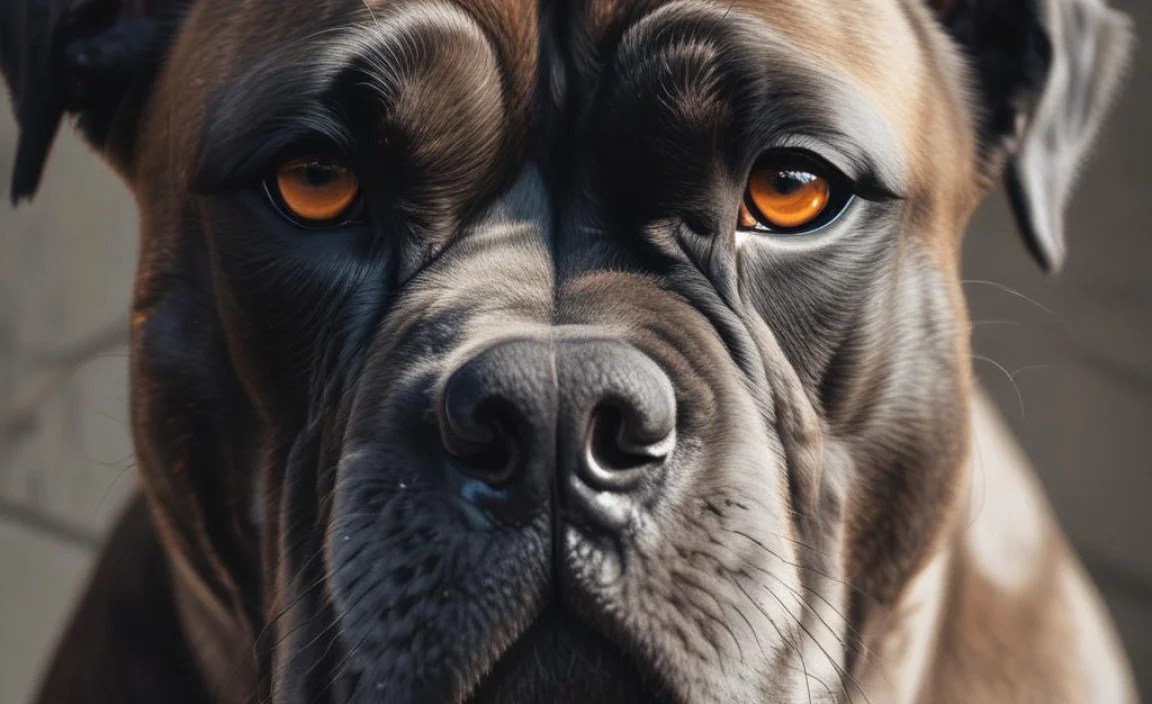
While daily care is preventative, some issues require immediate veterinary attention. Knowing when to call your vet is as important as the daily routine itself.
Red Flags for Immediate Veterinary Attention:
- Sudden, Severe Redness: If the whites of the eyes turn very red suddenly.
- Cloudiness or Haze: If the cornea (the clear front part of the eye) appears hazy, milky, or blueish.
- Discharge Changes: Thick, yellow, or green discharge often indicates infection. Blood in the discharge is also a serious sign.
- Constant Squinting or Pawing: Persistent signs of pain or discomfort.
- Visible Injury: If you suspect your dog has injured its eye.
- Protruding Eye: If an eye appears to be bulging from its socket.
- Inability to Open Eye: If your dog is completely unable to open one or both eyes.
Don’t Wait: Eye issues can progress rapidly. What might seem minor can become severe if not treated promptly. A quick call to your vet can save your dog from pain and potential vision loss.
Diet and Nutrition’s Role in Eye Health

What you feed your Cane Corso plays a vital role in their overall health, including their eyes. A balanced diet rich in specific nutrients can support healthy eyesight.
Key Nutrients for Canine Eye Health:
Certain vitamins and antioxidants are crucial for maintaining healthy eyes:
- Vitamin A: Essential for good vision, particularly in low light. Found in liver, fish oil, and some vegetables.
- Vitamin E: A powerful antioxidant that protects eye cells from damage. Good sources include vegetable oils, nuts, and seeds.
- Vitamin C: Another antioxidant that may help slow the progression of certain eye diseases. Found in fruits and vegetables.
- Omega-3 Fatty Acids: Can help reduce inflammation and dryness. Found in fish oil supplements and certain fish-based dog foods.
- Lutein and Zeaxanthin: These are carotenoids that act as antioxidants and can help protect the eye from UV damage. Found in leafy green vegetables like spinach and kale.
Choosing the Right Food for Your Cane Corso
Selecting a high-quality commercial dog food formulated for large breeds is a good starting point. Look for a food that:
- Is Protein-Rich: Cane Corsos are active dogs and need quality protein for overall muscle and tissue health.
- Contains Essential Fatty Acids: Good quality dog foods often have added Omega-3 and Omega-6 fatty acids.
- Has Added Antioxidants: Many reputable brands include vitamin E and other antioxidants.
Table: Common Nutrient Sources Beneficial for Eye Health
| Nutrient | Benefits for Eyes | Food Sources (Dog-Friendly) |
|---|---|---|
| Vitamin A | Essential for vision, especially in dim light; supports corneal health. | Cooked sweet potatoes, carrots, liver (in moderation), fish oil. |
| Vitamin E | Protects eye cells from oxidative damage. | Sunflower seeds (shelled, small amounts), vegetable oils (e.g., sunflower oil), spinach. |
| Vitamin C | Antioxidant; may help slow age-related eye changes. | Berries (blueberries, strawberries – in moderation), small amounts of cooked broccoli or spinach. |
| Omega-3 Fatty Acids (EPA & DHA) | Reduce inflammation, support eye moisture. | Fish oil supplements, fatty fish (e.g., salmon – cooked, deboned), algae-based supplements. |
| Lutein & Zeaxanthin | Filter harmful blue light, protect retina. | Cooked spinach, kale, corn, peas. |
Important Note: Always consult your veterinarian before adding supplements to your dog’s diet. They can recommend appropriate dosages and products based on your dog’s individual needs and health status.
Grooming and Environmental Factors in Eye Care

Beyond direct cleaning, your dog’s overall grooming and the environment they live in can impact their eye health. Think of it as creating a safe and comfortable space for their eyes.
Coat and Facial Hair Management
A Cane Corso’s coat is generally short, which is helpful, but facial hair can sometimes be a culprit for eye irritation.
- Trimming Around the Eyes: While not usually significant for a Cane Corso, if any longer hairs grow near the eyes, they should be gently trimmed away to prevent them from poking or irritating the eyeball. This is more critical for breeds with longer facial hair.
- Keeping the Face Clean: After meals or outdoor play, wipe your dog’s face. This prevents food particles or dirt from accumulating near the eyes and potentially causing irritation.
Environmental Protections
The world around your dog can affect their eyes.
- Wind and Dust: On very windy or dusty days, consider limiting your dog’s time outdoors or use a dog-specific protective balm or spray for their eyes if your vet recommends it.
- Allergens: If your dog suffers from seasonal allergies, you might notice increased eye discharge or redness during certain times of the year. Daily cleaning is even more vital during allergy season. Your vet can help manage allergies with medication or specialized shampoos/wipes.
- Sun Protection: While dogs don’t typically need sunglasses, prolonged exposure to intense sun without shade can be irritating. Ensure your dog has access to shady rest areas during hot, sunny days.
- Avoid Harsh Chemicals: Be mindful of cleaning products used around your home and yard. Many can irritate a dog’s eyes if they come into contact.
Training Your Cane Corso to Cooperate with Eye Care
A cooperative dog makes eye care a breeze. Training your Cane Corso to accept handling of their eyes starts with positive reinforcement and building trust.
Making Eye Care a Positive Experience:
- Start Young: If you have a puppy, get them used to gentle touches around their face and eyes from an early age.
- Short, Frequent Sessions: Begin with just a few seconds of gentle touching near the eye area. Immediately follow with a high-value treat and praise.
- Gradual Progression: Slowly increase the duration of touching. If you’re using a wipe or cotton ball, let them sniff it first, then gently touch it to the fur near the eye, and gradually move closer to the eyelid margin.
- Positive Association: Always pair eye handling with positive rewards. This could be a special treat, enthusiastic praise, or a favorite toy.
- Never Force: If your dog shows signs of stress or fear (lip licking, yawning, turning their head away), stop and try again later with a less intense step. Forcing them will only create a negative association.
- End on a Good Note: Always finish the training session successfully, even if it means ending on a simpler step they are comfortable with.
With patience and consistency, your Cane Corso will learn to trust you during these intimate care moments, making your daily routine smooth and stress-free for both of you.
FAQ: Cane Corso Eye Care Essentials
Q1: How often should I clean my Cane Corso’s eyes?
A1: A gentle cleaning once a day is usually sufficient. If you notice more discharge or dirt, you can clean them again as needed, but for routine care, once daily is best.
Q2: Can I use human eyewash to clean my dog’s eyes?
A2: No, it’s best to avoid human eyewash. It can be too harsh or contain ingredients that are not safe for canine eyes. Always use products specifically designed for dogs or simply plain, lukewarm water on a soft cloth.
Q3: My Cane Corso’s eyes look a little red. Should I be worried?
A3: Mild, temporary redness can sometimes be due to environmental irritants. However, if the redness is persistent, severe, or accompanied by other symptoms like discharge or squinting, it’s important to contact your veterinarian.
Q4: What’s the difference between entropion and ectropion?
A4: Entropion is when the eyelid rolls inward, causing lashes to rub the eye. Ectropion is when the eyelid rolls outward, exposing the inner lining. Both can cause irritation and require veterinary attention.
Q5: Are Cane Corsos prone to specific eye diseases?
A5: While generally healthy, Cane Corsos can sometimes be predisposed to conditions like entropion, ectropion, and cherry eye due to their facial structure. Regular checks and a good diet help monitor this.
Q6: How can I check if my dog’s food is good for their eyes?
A6: Look for high-quality dog foods that list essential fatty acids (like Omega-3s) and antioxidants (like Vitamin E) in their ingredients. Always consult your vet for specific dietary recommendations for your dog.
Conclusion: A Lifetime of Clear Vision
Caring for your Cane Corso’s eyes is an integral part of ensuring they live a long, healthy


