Cane Corso daily routine dog food nutrition involves feeding high-quality food, establishing a consistent feeding schedule, and ensuring proper hydration to support their large breed needs.
Having a Cane Corso is an exciting experience. These magnificent dogs are known for their loyalty, strength, and protective nature. But like all dogs, especially a powerful breed like the Cane Corso, what they eat plays a huge role in their health and happiness. Understanding the best daily food routine for your Cane Corso can seem a bit daunting, especially if you’re new to the breed. It feels like a big responsibility, doesn’t it? That’s perfectly normal! This guide is here to make it simple. We’ll walk through everything you need to know, from choosing the right food to setting up a feeding schedule that works for both of you. Let’s unlock the secrets to genius nutrition for your beloved Cane Corso and ensure they live a long, healthy, and vibrant life by your side.
Understanding Your Cane Corso’s Nutritional Needs

The Cane Corso is a giant breed with specific dietary requirements. Their large size and active nature mean they need a diet that supports strong bones, healthy muscles, and plenty of energy. It’s not just about filling their bowl; it’s about providing the right building blocks for their well-being.
Growth and Development: Puppies, especially, have critical growth phases. Their food needs to be balanced with the right levels of protein, calcium, and phosphorus to ensure their bones and joints develop properly. This helps prevent common issues like hip dysplasia.
Energy Levels: Cane Corsos are active dogs, even if they enjoy a good nap. Their diet needs to provide sustained energy for playtime, training, and their natural guarding instincts.
Muscle Mass: Their impressive physique is built on good nutrition. Adequate protein is essential for maintaining their lean muscle mass.
Digestive Health: Large breeds can sometimes be prone to digestive upset. A diet with good quality ingredients and appropriate fiber content can promote healthy digestion.
Choosing the Right Cane Corso Dog Food

Navigating the world of dog food can feel overwhelming with so many options available. For a Cane Corso, the key is to select a food that is formulated for large or giant breeds and uses high-quality ingredients.
What to Look for in High-Quality Dog Food
When you’re reading the labels, focus on these essential components:
Named Meat Source as the First Ingredient: Look for “chicken,” “beef,” “lamb,” or “fish” as the primary ingredient. Avoid foods where the first ingredient is a generic “meat by-product” or a grain.
Appropriate Protein Levels: For adult Cane Corsos, a protein content between 22-26% is generally suitable. Puppies require slightly more, around 26-30%.
Healthy Fats: Omega-3 and Omega-6 fatty acids are crucial for skin and coat health, as well as overall well-being. Look for sources like fish oil or flaxseed.
Controlled Calcium and Phosphorus: Especially important for growing puppies, the ratio of calcium to phosphorus should be balanced (typically around 1.2:1 to 1.4:1) to support healthy bone development.
Vitamins and Minerals: Ensure the food is fortified with essential vitamins and minerals that support immune function, metabolism, and overall health.
Avoid Fillers and Artificial Additives: Steer clear of foods with excessive corn, wheat, or soy, especially if your dog has sensitivities. Artificial colors, flavors, and preservatives can also be problematic.
Dry Food vs. Wet Food
Both dry kibble and wet food have their benefits for Cane Corsos. Many owners opt for a combination or choose based on their dog’s preferences and their own convenience.
Dry Kibble:
Pros: More cost-effective, helps keep teeth clean by providing a scraping action, easier to store and measure.
Cons: Can be less palatable for some dogs, lower moisture content which means you need to ensure ample water intake separately.
Wet Food:
Pros: Highly palatable, higher moisture content which aids hydration, can be easier for senior dogs or those with dental issues to eat.
Cons: More expensive, shorter shelf life once opened, can contribute to dental problems if not supplemented with dental care.
Life Stage Considerations: Puppy, Adult, and Senior
Your Cane Corso’s nutritional needs change as they age.
Cane Corso Puppies (Up to 18-24 Months): This is a critical growth period. They need a diet specifically formulated for large breed puppies. This type of food helps control growth rate to prevent skeletal issues and contains the right balance of nutrients for their developing bodies. A common recommendation is to feed a large breed puppy formula until they are 18-24 months old. You can learn more about puppy nutrition from resources like the Cornell University College of Veterinary Medicine.
Adult Cane Corsos (2 Years to 7-8 Years): Once they reach adulthood, their diet should focus on maintaining their muscle mass and energy levels. A high-quality adult maintenance food for large breeds is ideal.
Senior Cane Corsos (8+ Years): As your Cane Corso ages, their metabolism may slow down, and they might become less active. Senior formulas often have adjusted protein and fat levels, and may include ingredients like glucosamine and chondroitin to support joint health.
Establishing a Daily Feeding Routine

Consistency is key when it comes to feeding your Cane Corso. A predictable schedule not only helps with digestion but also makes house training easier and reinforces good behavior.
How Many Times a Day Should a Cane Corso Eat?
For most adult Cane Corsos, feeding them two times a day is recommended. This helps prevent issues like bloat (gastric dilatation-volvulus or GDV), a potentially life-threatening condition that can affect deep-chested breeds like the Cane Corso. Splitting their meals into morning and evening servings aids digestion and reduces the risk.
Puppies: Young Cane Corso puppies will need to eat more frequently, typically three to four times a day, as they are growing rapidly and have smaller stomachs. As they approach six months, you can gradually transition to two meals a day.
Recommended Feeding Times
Here’s a sample schedule that many Cane Corso owners find effective:
1. Morning Meal: Between 7:00 AM and 9:00 AM.
2. Evening Meal: Between 5:00 PM and 7:00 PM.
Tips for Scheduled Feeding:
Avoid Vigorous Exercise Before or After Meals: Do not let your Cane Corso run or play intensely for at least an hour before or after they eat. This is crucial to minimize the risk of bloat.
Designated Feeding Area: Feed your dog in a quiet, calm area where they won’t be disturbed. This helps them associate mealtime with a relaxed experience.
Portion Control: Always follow the feeding guidelines on the dog food bag, but adjust based on your dog’s activity level, age, and metabolism. Your veterinarian can help you determine the exact amount.
Portion Control and Feeding Amounts
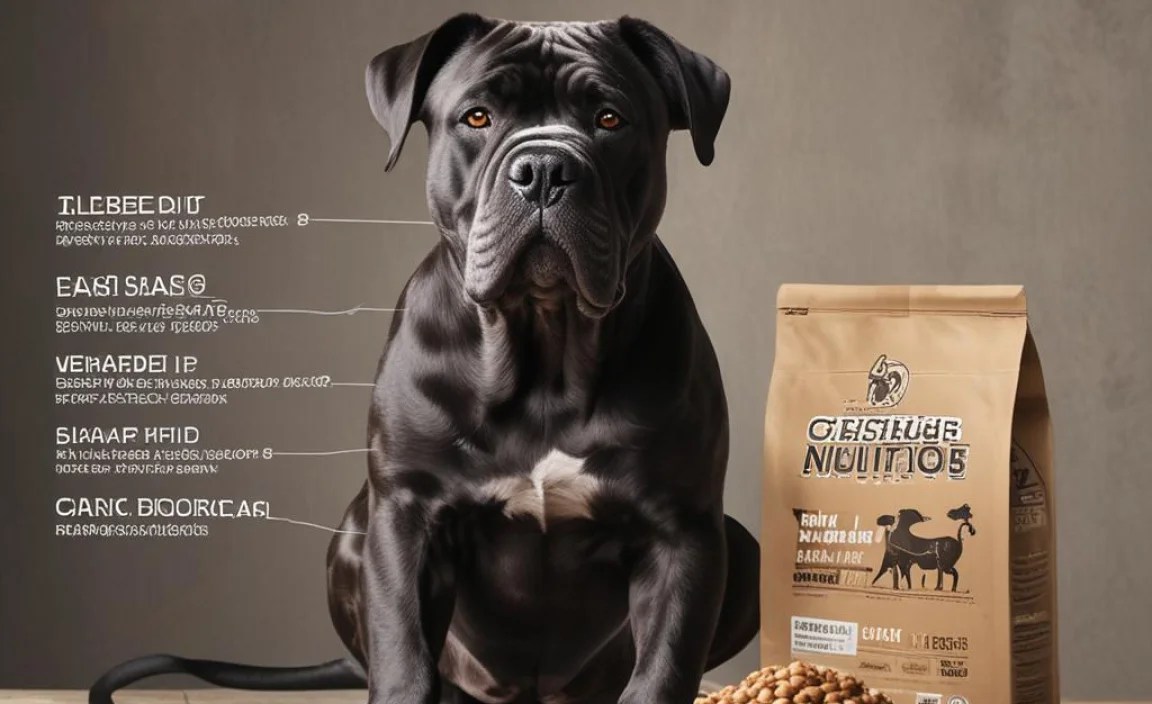
Determining the correct amount of food for your Cane Corso is vital. Too little can lead to malnutrition, while too much can cause obesity, which puts extra strain on their joints and organs.
Factors Influencing Portion Size
Age: Puppies need more food per pound of body weight than adults.
Activity Level: A highly active Cane Corso will need more calories than a sedentary one.
Metabolism: Just like humans, dogs have different metabolic rates.
Type of Food: Calorie density varies between different dog food brands and formulas. Always check the specific guidelines for the food you are using.
General Feeding Guidelines (Adult Cane Corso)
These are general approximations for an 80-100 lb adult Cane Corso eating a typical large breed dry kibble (around 350-400 kcal per cup). Always consult your veterinarian for personalized advice.
| Weight (lbs) | Daily Amount (Cups) | Meals per Day |
| :———– | :—————— | :———— |
| 80 | 2.5 – 3.5 | 2 |
| 90 | 3 – 4 | 2 |
| 100 | 3.5 – 4.5 | 2 |
| 110 | 4 – 5 | 2 |
Important Note: These are estimates. It’s essential to monitor your dog’s body condition. You should be able to feel their ribs easily without pressing hard, and they should have a visible waist when viewed from above. Using a kitchen scale to weigh their food portion can provide more accuracy than using scoops.
The Importance of Hydration for Cane Corsos

Water is fundamental to your Cane Corso’s health, supporting everything from digestion and nutrient transport to temperature regulation. Ensuring they have constant access to fresh water is as critical as providing nutritious food.
How Much Water Does a Cane Corso Need?
A general guideline is that dogs need about one ounce of water per pound of body weight per day. For a 100 lb Cane Corso, this would mean roughly 100 ounces (or about 3 quarts) of water daily. However, this amount can fluctuate based on:
Diet: Dogs eating wet food or a raw diet will consume more water through their food and may drink less.
Activity Level: More active dogs, especially in hot weather, will need significantly more water.
Climate: Hot and humid conditions increase water requirements.
Health: Certain medical conditions, like kidney disease or diabetes, can affect how much water a dog needs.
Ensuring Adequate Water Intake
Fresh, Clean Water Daily: Always provide fresh water. Clean the water bowl daily to prevent bacteria buildup.
Multiple Water Sources: If you have a large home or yard, place multiple water bowls in different locations.
Monitor Intake: Keep an eye on how much your dog is drinking. A sudden decrease or increase in water consumption can be a sign of a health issue and should be discussed with your veterinarian.
Avoid Tap Water if Contaminated: If your local tap water has high levels of contaminants, consider using filtered water for your dog.
Beyond Kibble: Treats and Supplements
While a balanced diet is the foundation, treats and supplements can play a role in your Cane Corso’s overall health and happiness.
Healthy Treats for Your Cane Corso
Treats are excellent for training and bonding. However, they should be given in moderation and should be healthy options.
Small Pieces of Cooked Lean Meat: Plain, unseasoned chicken, turkey, or lean beef.
Dog-Specific Biscuits: Choose brands with wholesome ingredients and avoid artificial additives.
Vegetables and Fruits: Small pieces of carrots, green beans, apples (without seeds or core), or blueberries can be safe and healthy treats. Always research which human foods are safe for dogs.
Limit High-Calorie Treats: Be mindful of the total caloric intake from treats to avoid weight gain. They should make up no more than 10% of your dog’s daily caloric intake.
A fantastic resource for understanding safe foods for dogs is the ASPCA’s Toxic and Non-Toxic Plants list, which also includes a section on foods to avoid. While this list focuses on plants, it highlights the importance of being informed about what is safe for your pet.
When Are Supplements Necessary?
For most dogs fed a high-quality, large-breed specific diet, supplements aren’t necessary. However, some situations might warrant them, always under veterinary guidance:
Joint Support: Cane Corsos are prone to joint issues like hip and elbow dysplasia. Supplements containing glucosamine and chondroitin sulfate can support joint health, especially in older dogs or those showing signs of arthritis.
Omega-3 Fatty Acids: If your dog has dry skin or a dull coat, an Omega-3 supplement (like fish oil) can be beneficial.
* Probiotics: For dogs experiencing digestive upset, a veterinary-approved probiotic might be recommended.
Always consult your veterinarian before adding any supplements to your Cane Corso’s diet. They can assess your dog’s individual needs and recommend appropriate products and dosages.
Common Feeding Mistakes to Avoid
Even with the best intentions, new or experienced dog owners can sometimes make mistakes that impact their dog’s nutrition.
Mistakes and How to Fix Them
| Mistake | Explanation | Solution |
| :——————————————— | :———————————————————————————————————————————————————————- | :———————————————————————————————————————————————————————– |
| Feeding Table Scraps/Human Food | Many human foods are toxic to dogs (e.g., chocolate, onions, garlic, grapes). Even safe foods can be too fatty, salty, or high in calories, leading to obesity and health issues. | Stick to high-quality dog food and safe, small portion dog treats. Educate all family members on what the dog can and cannot eat. |
| Overfeeding or Underfeeding | Incorrect portion sizes can lead to obesity (stressing joints, heart) or malnutrition (lack of energy, poor coat). | Use food manufacturer guidelines as a starting point, but monitor your dog’s body condition. Adjust portions as needed and consult your vet for precise amounts. |
| Using Generic “All Life Stages” Food | Generic foods don’t meet the specific needs of growing puppies or senior dogs, especially large breeds with unique mineral and nutrient requirements. | Choose foods specifically formulated for your dog’s life stage and breed size (e.g., large breed puppy, adult large breed). |
| Inconsistent Feeding Schedule | Irregular meal times can lead to digestive upset, anxiety, and difficulty with house training. | Establish a consistent feeding routine, ideally two meals a day for adult Cane Corsos, around the same times each day. |
| Ignoring the Importance of Water | Dehydration can lead to serious health problems. | Ensure a constant supply of fresh, clean water. Clean bowls daily and monitor water intake. |
| Relying Solely on Treats for Training | While essential, treats add calories. Over-reliance can lead to weight gain and nutritional imbalances. | Use treats in moderation; incorporate praise and affection as rewards too. Ensure treats are healthy and account for them in the daily food intake. |
| Free-Feeding (Leaving Food Out All Day)** | This can lead to overeating and obesity, make it difficult to monitor food intake, and can attract pests. It also increases the risk of bloat. | Implement scheduled mealtimes. Remove uneaten food after 15-20 minutes. |
Frequently Asked Questions (FAQs)
Q1: How much should a 6-month-old Cane Corso puppy eat?
A: A 6-month-old Cane Corso puppy typically needs about 2.5 to 3.5 cups of high-quality large breed puppy food per day, split into three meals. Always refer to the feeding guide on your specific puppy food packaging and consult your veterinarian for personalized recommendations based on your puppy’s growth and activity level.
Q2: Can I feed my Cane Corso raw food?
A: Some owners choose to feed their Cane Corsos a raw diet. If you consider this, it’s crucial to do extensive research or work with a veterinary nutritionist. A balanced raw diet must provide all necessary nutrients in the correct proportions to prevent deficiencies and imbalances. Improperly balanced raw diets can pose health risks to both your dog and your household. Resources like the FDA’s information on raw pet food can offer helpful insights into the potential risks and considerations.
Q3: What are the signs of bloat in a Cane Corso?
A: Bloat is a serious emergency. Signs include a swollen or distended abdomen, retching or unproductive heaving (trying to vomit but nothing comes up), restlessness, weakness, excessive drooling, and pale gums. If you suspect bloat, contact your veterinarian or an emergency vet immediately.
Q4: How do I transition my Cane Corso to a new food?
A: To transition your Cane Corso to a new food, do it gradually over 7-10 days. Start by mixing a small amount of the new food with the old food. Each day, increase the proportion of the new food and decrease the old food. This helps their digestive system adjust and reduces the risk of upset stomach.
Q5: Should my Cane Corso eat specialized joint food?
A: While many large breed foods contain joint-supporting ingredients, your vet may recommend a specialized joint diet if your Cane Corso shows early signs of joint issues or has a history of joint problems. These diets often have higher levels of glucosamine and chondroitin, and may include Omega-3 fatty acids.
Q6: What human foods are safe for Cane Corsos to occasionally have?
A: A few human foods can be safe as occasional, small treats: plain cooked chicken or turkey (no seasoning), plain cooked lean beef, small amounts of carrots, green beans, blueberries, and small pieces of apple (no seeds or core). Always research thoroughly and introduce new foods cautiously to watch for any adverse reactions.
Q7: How can I tell if my Cane Corso is overweight?
A: You should be able to easily feel your Cane Corso’s ribs with a light touch without pressing hard. When viewed from above, they should have a visible waist indentation


