A well-structured Cane Corso daily routine, focusing on consistent feeding, exercise, and training, is crucial for managing their impressive size and ensuring a happy, healthy dog. This guide breaks down the ideal daily schedule to support your Cane Corso’s growth and well-being.
Welcome! Have you ever looked at your growing Cane Corso and wondered if you’re doing everything right to support their development? It’s easy to feel a bit overwhelmed, especially with these magnificent, powerful dogs. Their physical presence is undeniable, and ensuring they grow up to be well-adjusted companions is a top priority for any owner.
This guide is designed to demystify the daily needs of your Cane Corso, focusing on a structured routine that promotes healthy growth, especially regarding their impressive height. We’ll walk you through each part of the day, offering simple, actionable steps to build a routine that works for both of you. Get ready to understand exactly what your Cane Corso needs from sunrise to sunset!
Understanding Cane Corso Growth and Development

The Cane Corso is a large breed, and their growth is a significant process. Proper nutrition, controlled exercise, and consistent training play vital roles in ensuring they reach their full potential in both size and temperament without developing health issues. Unlike smaller breeds, their skeletal development requires careful attention to prevent injuries and developmental problems.
The Importance of a Consistent Daily Routine
Consistency is key with any dog, but it’s particularly important for a large breed like the Cane Corso. A predictable schedule helps them feel secure, reduces anxiety, and makes training more effective. It also helps manage their energy levels and ensures their physical needs are met, contributing to healthy growth and preventing behavioral issues.
Factors Influencing a Cane Corso’s Height
While genetics play the biggest role in a Cane Corso’s ultimate height, several environmental factors can influence healthy development. These include:
Nutrition: A balanced diet tailored for large breed puppies is essential for skeletal growth. This means appropriate levels of calcium and phosphorus, and avoiding overfeeding.
Exercise: Moderate, controlled exercise is crucial. Too much strenuous activity too soon can harm developing joints, while too little can lead to obesity and underdeveloped muscles.
Health: Regular veterinary check-ups are vital to catch any potential growth abnormalities or health conditions early.
Genetics: Ultimately, a puppy’s potential height is largely determined by its parents’ genes.
Building Your Cane Corso’s Daily Routine: A Step-by-Step Approach

Creating a daily routine for your Cane Corso involves structuring their day around key activities: feeding, potty breaks, exercise, training, and rest. This structured approach ensures all their needs are met consistently.
Morning: The Start of a Productive Day
The morning sets the tone for your Cane Corso’s entire day. A calm, organized start is best.
1. First Potty Break (Sunrise): As soon as you both wake up, take your Cane Corso outside for their first potty break. This helps establish a good habit and prevents accidents indoors.
2. Hydration and Breakfast: Offer fresh water. For puppies and younger adults, breakfast should be served shortly after their potty break. Use a high-quality large-breed puppy food or adult food depending on their age.
Puppy Feeding Schedule (Approximate):
3-6 months: 3 meals per day
6-12 months: 2 meals per day
Over 1 year: 2 meals per day
Adult Feeding Schedule: 2 meals per day
3. Post-Meal Potty Break: Give your Cane Corso about 15-30 minutes to digest before another short potty break. This aids digestion and reinforces potty training.
4. Gentle Morning Activity: A short, gentle walk or some playtime in a safe, enclosed area is beneficial. Avoid strenuous activities right after eating. This could be a light game of fetch or simply exploring the yard.
Midday: Maintaining Balance and Engagement
The midday period is ideal for reinforcing training and providing mental stimulation.
1. Lunch (for puppies) or Second Meal (for adults): If your puppy is still on three meals a day, this is their lunch. Adult dogs will have their second meal later in the day.
2. Training Session: Engage your Cane Corso in a short (10-15 minute) training session. Focus on basic obedience commands, socialization exercises, or even a bit of nose work. This mental workout is just as important as physical exercise.
3. Socialization (if applicable): If you have a puppy, midday might be a good time for supervised, safe interactions with other well-behaved dogs or people. Ensure these encounters are positive and don’t overwhelm your pup.
4. Rest and Relaxation: Dogs, especially puppies, need a lot of rest. Provide a comfortable, quiet space for your Cane Corso to nap. This is crucial for their development and energy regulation.
Afternoon: Exercise and Exploration
The afternoon is a great time for more significant physical activity.
1. Main Exercise Period: This is when you can schedule a longer walk, a hike on a dog-friendly trail, or a visit to a secure dog park (if your dog is well-socialized and comfortable). For younger dogs, ensure the intensity is appropriate for their age and joint development. Consider the American Kennel Club’s guidance on exercise needs for different breeds.
2. Mental Stimulation Toy Time: After exercise, offer a puzzle toy or a stuffed Kong. This keeps their minds engaged and prevents boredom-related destructive behaviors.
3. Grooming and Health Check: Use this time for brushing their coat, checking their ears, looking at their paws, and generally getting them used to being handled. This is also a good time to administer any necessary medications or supplements.
Evening: Winding Down and Dinner
The evening routine should be calming and focused on final nourishment and preparation for sleep.
1. Dinner: Serve your Cane Corso’s evening meal. Again, ensure access to fresh water.
2. Post-Dinner Potty Break: Just like in the morning, a potty break after dinner is essential.
3. Quiet Family Time: Allow your Cane Corso to relax with the family. Gentle petting and quiet companionship are great for bonding. Avoid roughhousing or overly stimulating activities as bedtime approaches.
4. Final Potty Break: Before you go to bed, take your Cane Corso out for a final potty break. This is one of the most important steps to prevent nighttime accidents.
Overnight: Rest and Recovery
Adequate sleep is vital for growth, recovery, and overall health. Ensure your Cane Corso has a comfortable, safe place to sleep throughout the night. For puppies, this might be a crate.
Feeding Your Growing Cane Corso: Fueling Their Height

Nutrition is paramount for a Cane Corso’s healthy growth, especially their skeletal development and achieving their impressive size.
Choosing the Right Food
Large Breed Formula: Always select a food specifically formulated for large breeds. These foods have a carefully balanced calcium-to-phosphorus ratio to support bone growth and prevent conditions like hip dysplasia.
High-Quality Ingredients: Look for foods with a named meat source as the primary ingredient. Avoid artificial colors, flavors, and preservatives.
Age-Appropriate: Feed a puppy formula until they are about 18-24 months old, then transition to an adult large-breed formula.
Feeding Schedule Summary
| Age | Meals Per Day | Type of Food |
| :———— | :———— | :————————— |
| 8-12 weeks | 4 | Large Breed Puppy Formula |
| 3-6 months | 3 | Large Breed Puppy Formula |
| 6-12 months | 2 | Large Breed Puppy Formula |
| 12-18 months | 2 | Large Breed Puppy or Adult |
| 18+ months | 2 | Large Breed Adult Formula |
Portion Control and Monitoring
Follow Guidelines: Stick to the feeding guidelines on the food packaging, but adjust based on your dog’s individual activity level and metabolism. Consult your veterinarian if unsure.
Avoid Overfeeding: Overfeeding can lead to rapid growth and developmental orthopedic diseases, which can negatively impact joint health and overall structure.
Track Weight: Regularly monitor your Cane Corso’s weight and body condition. You should be able to feel their ribs with light pressure but not see them prominently.
Exercise: Building Strength, Not Strain

When it comes to exercise for a growing Cane Corso, balance is crucial. You want to build strong muscles and a healthy cardiovascular system without damaging their developing joints.
Puppy Exercise Guidelines:
Short, Frequent Sessions: For puppies under 18 months, opt for shorter, more frequent exercise sessions rather than one long, intense one.
Avoid Repetitive Impact: Steer clear of activities that involve a lot of jumping or high-impact running on hard surfaces. This includes activities like excessive ball chasing on pavement or long-distance running.
Leash Walks: Gentle leash walks are excellent. The duration should be about 5 minutes per month of age, twice a day. For example, a 4-month-old puppy can handle about 20 minutes of walking.
Supervised Play: Allow free play in a safe, fenced area, but always supervise to prevent overexertion.
Adult Cane Corso Exercise Needs:
Daily Walks: Aim for at least two moderate walks per day (30-60 minutes each).
Variety: Mix up your walks with different routes to keep things interesting.
Mental Stimulation: Include activities like scent games, obedience training, or puzzle toys to provide mental enrichment on days when rigorous physical activity isn’t possible.
Controlled Agility: If you’re interested in dog sports, introduce them gradually and ensure proper training and conditioning begin after their growth plates have closed (typically around 18-24 months of age).
Dangers of Over-Exercising Young Dogs
Over-exercising a puppy can lead to:
Developmental Orthopedic Diseases (DODs): Conditions like hip dysplasia, elbow dysplasia, and osteochondritis dissecans (OCD) can be exacerbated or even caused by repetitive stress on developing joints.
Joint Damage: Premature wear and tear on cartilage and growth plates.
Osteoarthritis: Increased risk of developing this painful condition later in life.
A great resource for understanding canine exercise needs is Cornell University College of Veterinary Medicine.
Training and Socialization: Essential Components
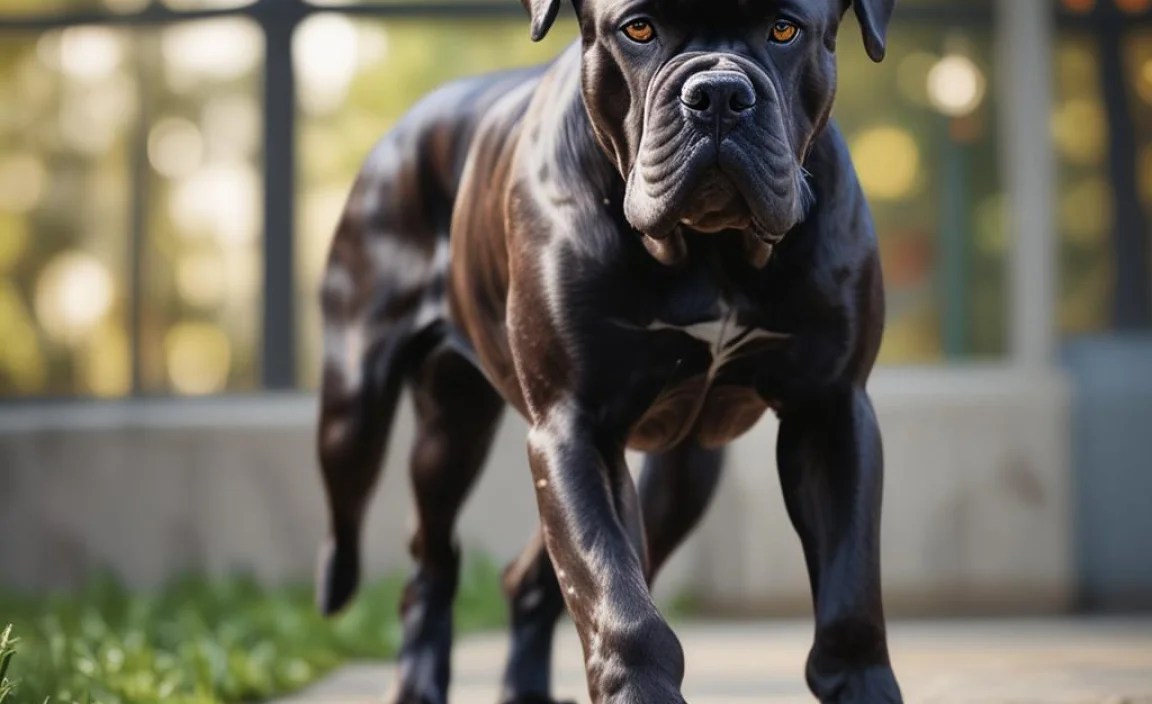
Training and socialization are not just about good behavior; they are critical for responsible ownership of a powerful breed like the Cane Corso. These activities help shape their physical and mental development.
Early Socialization: A Foundation for Success
Critical Period: The socialization window for puppies is typically between 3 and 16 weeks of age. During this time, expose your puppy to a wide variety of sights, sounds, people (ages, appearances, mobility aids), and other well-behaved, vaccinated dogs.
Positive Experiences: Ensure all experiences are positive and not overwhelming. Use treats, praise, and a calm demeanor.
Controlled Environments: Puppy classes or carefully managed introductions are ideal. Avoid dog parks until your puppy is fully vaccinated and has appropriate social skills.
Basic Obedience Training: Building Communication
Positive Reinforcement: Use positive reinforcement methods (treats, praise, toys) to teach commands. This builds a strong bond and makes training enjoyable.
Key Commands: Focus on essential commands like “sit,” “stay,” “come,” “down,” and “leave it.”
Consistency in Training
Daily Practice: Short, frequent training sessions are more effective than long, infrequent ones.
Family Involvement: Ensure all family members are using the same commands and rules.
Patience: Cane Corsos are intelligent but can be strong-willed. Patience and consistency are crucial.
Leash Manners
Early Introduction: Get your Cane Corso comfortable with a collar and leash early on.
Loose-Leash Walking: Train them to walk politely beside you without pulling. This is essential for their safety and yours, given their strength.
Essential Gear for Your Cane Corso’s Routine
The right gear can make your Cane Corso’s daily routine smoother and safer.
For Feeding:
Durable Bowls: Stainless steel or ceramic bowls are durable and easy to clean.
Elevated Feeders (Optional): For adult Cane Corsos, an elevated feeder can sometimes help with digestion and reduce strain on the neck. Ensure it’s at the correct height for your dog.
For Exercise and Walking:
Secure Harness: A well-fitting, sturdy harness (like a front-clip harness) can help manage pulling and provide better control.
Sturdy Leash: A 6-foot nylon or leather leash is standard and safe. Avoid retractable leashes, as they offer less control.
Appropriate Collar: For adult dogs, a flat buckle collar with an ID tag is necessary. A Martingale collar can be useful for dogs with slim heads, but a standard flat collar is usually sufficient if properly fitted.
Waste Bags: Always carry plenty for polite cleanup.
For Training and Safety:
High-Value Treats: Small, tasty treats are essential for positive reinforcement training.
ID Tag & Microchip: Ensure your Cane Corso always wears an ID tag with current contact information and is microchipped.
Crate (Optional): A well-sized crate can be invaluable for house training and providing a safe den.
For Grooming:
Sturdy Brush: A slicker brush or bristle brush will help manage their short, dense coat.
Nail Clippers or Grinder: Regular nail trims are important for joint health.
Dog Toothbrush and Paste: Dental hygiene is crucial for overall health.
Common Pitfalls and How to Avoid Them
Even with the best intentions, you might encounter challenges. Here are some common pitfalls when establishing a routine for a Cane Corso and how to navigate them.
Pitfall 1: Inconsistent Schedule
Problem: Feeding, potty breaks, and exercise times vary wildly from day to day.
Solution: Strive for consistency, even on weekends. Dogs thrive on predictability. If a change is necessary, implement it gradually.
Pitfall 2: Over-Exercising Young Dogs
Problem: Assuming a large, energetic breed puppy needs intense workouts.
Solution: Adhere strictly to age-appropriate exercise guidelines, prioritizing joint health. Consult your vet for specific recommendations.
Pitfall 3: Lack of Early Socialization
Problem: A fearful or reactive Cane Corso due to insufficient exposure to the world during their crucial developmental period.
Solution: Prioritize positive, controlled socialization experiences from a young age. If you missed this window, consult a professional trainer who specializes in positive reinforcement.
Pitfall 4: Incorrect Diet for Growth
Problem: Feeding a general-purpose dog food or overfeeding, leading to skeletal issues.
Solution: Always choose a high-quality, large-breed specific food and follow portion control recommendations. Discuss with your veterinarian.
Pitfall 5: Ignoring Mental Stimulation
Problem: Focusing only on physical exercise, leading to boredom and destructive behaviors.
Solution: Integrate daily mental stimulation through training, puzzle toys, and scent games.
Understanding Your Cane Corso’s Height and Weight
It’s natural for owners to be curious about their dog’s growth trajectory. While height is a key indicator, weight is equally important for assessing overall health and development.
Expected Cane Corso Height and Weight Chart (Approximate, based on AKC breed standard)
| Age (Months) | Approximate Height at Shoulder (Inches) | Approximate Weight (Lbs) | Notes |
| :———– | :————————————– | :———————– | :————————————————- |
| 2 | 10-12 | 20-30 | Still very much a puppy, proportions will change. |
| 4 | 14-16 | 40-55 | Longer legs becoming more apparent. |
| 6 | 18-20 | 60-80 | Significant growth spurt underway. |
| 9 | 22-24 | 85-105 | Approaching adult frame size, still filling out. |
| 12 | 24-26 | 95-115 | Should be near mature height, but still gaining. |
| 18 | 25-27 | 100-130 | Approaching full maturity, muscle development. |
| 24+ | 25-28 (Males), 23.5-26 (Females) | 100-130 (Males), 85-100 (Females) | Fully mature. |
Disclaimer: These are approximate ranges. Individual dogs can vary based on genetics, nutrition, health, and sex. Always consult your veterinarian for personalized advice regarding your dog’s growth and health.
Monitoring Growth
Regular Vet Visits: Your veterinarian is the best resource for monitoring your Cane Corso’s growth. They will track height and weight at each check-up.
Body Condition Score: Learn to assess your dog’s Body Condition Score (BCS). This is a more accurate indicator of health than weight alone, as it reflects the balance of muscle and fat.


