Cane Corso daily routine leash training establishes good habits, builds confidence, and ensures safe walks, making leash training successful and enjoyable for both you and your puppy.
Welcoming a Cane Corso puppy into your home is an exciting adventure! These majestic dogs require consistent guidance, and leash training is a foundational skill. Many new owners wonder how to start, especially with a breed known for its strength. Don’t worry; it’s simpler than you think! This guide will walk you through creating a daily routine that makes leash training a breeze. We’ll cover everything from essential gear to proven techniques, ensuring your Cane Corso grows into a well-behaved companion on walks. Let’s get started on building a great relationship and confident walking.
The Importance of a Cane Corso Daily Routine for Leash Training

Establishing a predictable daily routine is crucial for any dog, but it’s especially beneficial for powerful breeds like the Cane Corso. Routines provide structure, reduce anxiety, and help your puppy understand expectations. When it comes to leash training, a consistent schedule ensures that your puppy is regularly exposed to the leash and walking practice in a calm, controlled manner. This consistency prevents confusion and helps your puppy learn more quickly what is expected of them. Think of it as building a strong foundation for all future training and good behavior.
Why Early Leash Training Matters
Starting leash training early, ideally as soon as your Cane Corso puppy settles into your home, is vital. Puppies are like sponges, absorbing information and forming habits. Early training helps prevent the development of unwanted behaviors, such as pulling or lunging, which can be challenging to correct later. A well-trained Cane Corso on a leash is not only safer but also a pleasure to walk, allowing you to enjoy outdoor adventures without stress. It shapes their temperament and ensures they are well-socialized and comfortable in various environments.
Essential Gear for Cane Corso Leash Training

Before you begin, having the right equipment makes a world of difference. For a breed as strong as the Cane Corso, choosing appropriate gear is paramount for safety and comfort.
Choosing the Right Leash and Collar/Harness
Leash: A standard 6-foot nylon or leather leash is ideal for training. Avoid retractable leashes, as they offer less control and can be dangerous. Look for one that feels comfortable in your hand and is durable enough for a growing Cane Corso.
Collar: For puppies, a lightweight, adjustable nylon flat collar is a good starting point. Ensure it fits snugly but allows for two fingers between the collar and the dog’s neck.
Harness: As your Cane Corso grows, a well-fitting front-clip harness can be an excellent tool for leash training. This type of harness discourages pulling by redirecting your dog’s forward momentum. Look for harnesses specifically designed for larger or strong breeds, ensuring they are comfortable and distribute pressure evenly. The AKC (American Kennel Club) offers great resources on selecting the right equipment for different breeds, which can be a helpful starting point when considering durability and fit for a Cane Corso puppy. You can find general advice on their website regarding dog gear.
Other Helpful Supplies
High-Value Treats: Small, tasty treats that your puppy loves are essential for positive reinforcement.
Poop Bags: Always be prepared to clean up after your dog.
Comfortable Walking Shoes: You’ll be doing a lot of walking!
A Sample Cane Corso Daily Routine for Leash Training

This routine is a guideline; adjust it based on your puppy’s age, energy levels, and your personal schedule. Consistency is key!
Morning: The Start of a Productive Day
7:00 AM: Wake Up & Potty Break: As soon as your puppy wakes up, take them outside to their designated potty spot. Praise and reward them when they eliminate. This reinforces good habits from the start.
7:15 AM: Quick Leash Introduction (Indoor): Put on their collar/harness and attach the leash. Let them wear it for a few minutes while you supervise them indoors. Offer praise and a small treat for calm behavior. This helps them get used to the feeling of the leash without pressure.
7:30 AM: Breakfast: Feed your puppy their morning meal.
8:00 AM: Short Indoor Training Session: Practice basic commands like “sit” and “stay” in a distraction-free area. Incorporate a few steps of leash walking indoors. Have them walk a few steps beside you, rewarding them for staying close. Keep these sessions short (5-10 minutes) and fun.
Mid-Morning: Exploration and Gentle Practice
10:00 AM: Potty Break & Short Outdoor Leash Practice: Take your puppy outside again. This time, try a very short walk around your yard or a quiet, familiar area. Focus on keeping the leash loose and rewarding your puppy for walking beside you. If they pull, stop moving until the leash slackens.
10:30 AM: Playtime/Mental Stimulation: Engage your puppy in a fun game or a puzzle toy to keep them mentally stimulated.
Afternoon: Building Confidence and Endurance
1:00 PM: Potty Break & Longer Walk/Training: This is a great opportunity for a slightly longer walk, perhaps around your neighborhood if your puppy is comfortable. Practice loose-leash walking techniques. Introduce them to new sights and sounds at a distance, ensuring they don’t become overwhelmed. Reward calm observation.
3:00 PM: Training Session/Potty Break: Another short training session or a potty break. You can use this time to practice “heal” or “wait” at doorways.
Evening: Winding Down and Reinforcement
6:00 PM: Dinner: Feed your puppy their evening meal.
6:30 PM: Potty Break & Gentle Evening Walk: A calm, shorter walk to allow them to relieve themselves before settling down. Focus on relaxation and quiet observation.
7:30 PM: Calm Playtime/Cuddle Time: Wind down with gentle play or quiet time with your puppy.
9:00 PM: Final Potty Break & Bedtime: Take your puppy out for one last potty break before bed. Ensure they are comfortable and secure for the night.
Proven Leash Training Techniques for Cane Corso Puppies

Leash training isn’t just about going for a walk; it’s about teaching your dog to walk politely by your side. For a breed as intelligent and strong as the Cane Corso, consistency and positive reinforcement are your best tools.
The ‘Stop and Go’ Method for Pulling
This is a fundamental technique for preventing pulling.
1. Start Walking: Begin walking with your puppy on a leash.
2. Puppy Pulls: The moment your puppy pulls ahead, stop moving.
3. Wait for Slack: Stand still and wait. Only resume walking when the leash slackens, either because your puppy stops and looks back or comes back to your side.
4. Reward Loose Leash: When the leash is loose, immediately praise your puppy and continue walking. If they start to pull again, repeat the process.
This method teaches your puppy that pulling makes the walk stop, while a loose leash keeps the walk going. Patience is key, as it can take time for them to understand this cue.
Positive Reinforcement for Staying Close
Reward Proximity: When your puppy walks beside you with a loose leash, offer praise and a high-value treat. The goal is for them to associate walking next to you with good things.
‘Targeting’ Walks: You can use a treat to lure your puppy into the correct position beside your leg. Once they are there, reward them. Gradually fade the lure, using verbal praise and treats intermittently.
Say “Yes!” or Use a Clicker: Mark the exact moment your puppy is doing what you want (e.g., walking beside you, leash slack) with a verbal cue like “Yes!” or a clicker, followed immediately by a reward. This helps them understand precisely what behavior earned them the reward.
Introducing New Environments
Start Small: Begin in low-distraction environments like your backyard or a quiet street.
Gradual Exposure: As your puppy gains confidence, slowly introduce them to more stimulating environments like parks or busier sidewalks. Keep initial sessions short and positive.
Manage Excitement: If your puppy gets too excited or overwhelmed, create more distance from the trigger or end the session positively and try again another time. For example, if they are reacting to another dog, move to a greater distance where they can remain calm.
Troubleshooting Common Leash Training Challenges
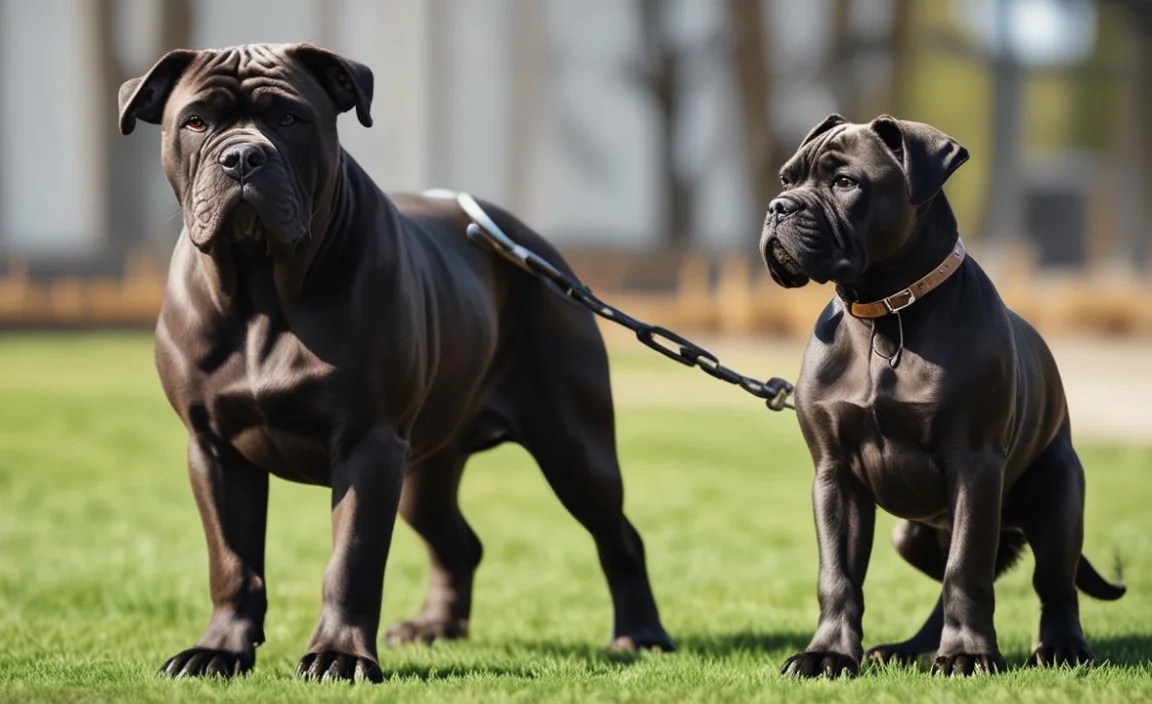
Even with a solid routine, you might encounter some common bumps in the road. Here’s how to address them:
My Cane Corso Puppy is Scared of the Leash/Collar
Gradual Introduction: Don’t force the leash or collar on them. Let them sniff it. Leave it near their food bowl or play area.
Positive Association: Give treats and praise when the leash or collar is present.
Short Wear Times: Put the collar on for very short periods indoors, distracting them with play or treats. Gradually increase the duration.
Pair with Fun: Only attach the leash for positive activities like eating or playing, not just for potty breaks initially to avoid negative associations.
My Cane Corso Chews on the Leash
Check for Boredom/Anxiety: Ensure your puppy is getting enough physical and mental exercise.
Redirect: If they start chewing, immediately redirect their attention to an appropriate chew toy.
Use a Deterrent: You can spray a safe, bitter-tasting spray on the leash (ensure it’s dog-safe).
Leash Management: Keep walks engaging with training cues and varied routes. Don’t let them drag the leash unsupervised.
My Cane Corso Reacts to Other Dogs/People on Walks
This is a common issue that requires careful management. The goal is to create positive associations and teach your dog to remain calm.
Distance is Your Friend: Maintain a significant distance from triggers (other dogs, people). If your dog notices a trigger but remains calm, reward them.
Positive Reinforcement: When a trigger appears, and your dog stays calm, feed them high-value treats. If they start reacting, calmly increase the distance until they are calm again, then reward. This is sometimes called “Look at That” (LAT) training or counter-conditioning.
Control the Environment: If possible, start training in familiar, less crowded areas or during off-peak hours.
Avoid Punishment: Punishing a fearful or reactive dog can worsen the problem. Focus on making the presence of triggers a positive experience for your dog. Resources from organizations like the ASPCA emphasize positive reinforcement for managing reactivity.
My Cane Corso Ignores Me on Walks
Check Your Rewards: Are your treats high-value enough? Are you rewarding consistently?
Reduce Distractions: If your puppy is too distracted, you’re in an environment that’s too stimulating for their current training level. Go back to a quieter place.
Engage Their Attention: Use an upbeat tone of voice to get their attention. Practice recall commands even during walks.
Advanced Leash Training for Your Cane Corso
Once your Cane Corso is mastering the basics, you can introduce more advanced techniques to refine their leash manners.
Heeling: Walking Precisely
Heeling is when your dog walks in a precise position next to you, typically with their shoulder aligned with your leg, on a loose leash.
1. Start with the Basic: Ensure your dog is comfortable walking on a loose leash near you.
2. Lure into Position: Use a treat to lure your dog into the desired heel position. As they move into place, say “Heel” and reward them generously.
3. Short Stepping: Take one or two steps. If they stay in position, reward.
4. Increase Steps Gradually: Slowly increase the number of steps you take while they are in the heel position.
5. Vary Direction: Practice turning left, right, and doing about-turns, rewarding them for staying with you each time.
6. Fade the Lure: Gradually transition from luring with a treat to using your hand signal and verbal cue, rewarding them intermittently.
Navigating Distractions Confidently
As your Cane Corso becomes more proficient, gradually introduce them to controlled distractions during your training walks. This could include:
Walking past other calm dogs at a distance.
Passing by children playing (at a safe distance).
Walking near moderate traffic sounds.
Always ensure your dog’s threshold for stress is not crossed. If they become anxious or reactive, increase the distance and try again. The goal is to build their confidence in various situations.
Introducing Different Walking Surfaces
Cane Corsos are adaptable, but exposing them to various surfaces during walks can enhance their confidence and proprioception (body awareness). This includes:
Grass
Gravel
Pavement
Sand (if accessible and safe)
Wooded trails
Let your puppy explore these surfaces at their own pace, offering encouragement and praise.
Cane Corso Health and Nutrition Considerations for Active Dogs
A well-trained dog is an active dog, and their health and nutrition are paramount to support their lifestyle.
Dietary Needs
Cane Corsos are a large breed and have specific nutritional requirements.
High-Quality Food: Choose a high-quality kibble formulated for large breeds, especially those with controlled calcium and phosphorus levels to support healthy bone and joint development in puppies.
Portion Control: Follow the feeding guidelines on the food packaging and adjust based on your puppy’s age, activity level, and body condition. Overfeeding can lead to rapid growth, increasing the risk of orthopedic issues.
Growth Stages: Puppies have different needs than adult dogs. Ensure you are feeding a puppy formula appropriate for large breeds. As they mature, transition to an adult formula.
Hydration: Always provide fresh, clean water.
Consult your veterinarian about the best food for your Cane Corso’s specific needs. They can offer tailored recommendations based on your dog’s health and age.
Health Considerations Related to Exercise
Avoid Overtraining Young Puppies: Their bones and joints are still developing. Avoid long, strenuous walks or intense exercise until they are closer to full maturity (often 18-24 months for large breeds). Short, frequent training sessions and walks are better.
Monitor for Signs of Fatigue: Learn to recognize when your dog is tired. Signs include excessive panting, lagging behind, or a reluctance to move.
Paw Health: Check your dog’s paws regularly for cuts, abrasions, or other issues, especially after walking on rough surfaces.
For more detailed information on Cane Corso health, the Orthopedic Foundation for Animals (OFA) is a valuable resource that registers dogs for specific health screenings and conditions common in breeds like the Cane Corso.
Conclusion
Implementing a structured daily routine that incorporates consistent, positive leash training is the blueprint for a well-behaved and confident Cane Corso. By providing clear expectations, appropriate gear, and ample positive reinforcement, you build a strong bond with your puppy and equip them with essential life skills. Remember that patience, consistency, and understanding your dog’s individual needs are the keys to success. Enjoy the journey of watching your Cane Corso grow into a magnificent companion, a true testament to your dedication and their remarkable potential. Happy walking!
Frequently Asked Questions
How often should I take my Cane Corso puppy on a leash walk?
For puppies, start with short, frequent potty breaks and training walks throughout the day. As they grow, you can gradually increase the duration and frequency. Aim for a few short walks (10-15 minutes) per day initially, focusing on positive experiences and potty training, and gradually extend to longer walks as they mature and build stamina.
At what age can I start leash training my Cane Corso?
You can begin introducing your Cane Corso puppy to a collar and leash as soon as they have settled into your home, typically around 8-10 weeks old. Initial training should focus on getting them comfortable with the gear and short, positive experiences. Formal leash walking commands can be introduced as they grow and gain confidence.
What is the best type of leash for a Cane Corso?
For training, a standard 6-foot nylon or leather leash is recommended for good control and durability. Avoid retractable leashes as they offer less control and can be dangerous. For stronger pullers or as they get older, a front-clip harness can be very effective in discouraging pulling.
My Cane Corso puppy pulls a lot on the leash. What can I do?
The “stop and go” method is highly effective: whenever your puppy pulls, stop walking. Only resume when the leash slackens. Reward them with praise and a treat when they walk beside you on a loose leash. Consistency is crucial.
How long should a Cane Corso’s walk be?
For puppies, keep walks very short and focused on training and potty breaks. As they mature into adulthood, the length of walks can increase to 30-60 minutes, once or twice a day, depending on their energy level and your veterinarian’s advice regarding their joint development. Always avoid overexertion, especially in young dogs.
What if my Cane Corso is scared of other dogs on walks?
If your Cane Corso is scared, maintain a safe distance where they can see the other dog without reacting. Reward them with high-value treats for calm behavior. Gradually reduce the distance over many sessions as they become more comfortable. If they react, calmly increase the distance until they settle. Consult a professional trainer or behaviorist for persistent fear or reactivity.


