Mastering your Cane Corso’s daily routine brings peace and harmony to your home, ensuring your powerful companion is well-exercised, mentally stimulated, and socially adjusted for a happy, balanced life.
Caring for a Cane Corso can feel like a big commitment, especially when you’re just starting. These magnificent dogs are known for their loyalty and protective nature, but they also need a structured day to feel their best. Without a clear routine, frustration can set in for both you and your furry friend. But don’t worry!
Establishing a consistent daily plan is simpler than you might think. This guide will walk you through creating a harmonious routine that satisfies your Cane Corso’s physical and mental needs, leading to a well-behaved dog and a more peaceful household. Let’s dive into how to set your gentle giant up for success starting today.
Why a Daily Routine is Crucial for Your Cane Corso

Think of a daily routine as the heartbeat of your dog’s life. For a breed as intelligent and energetic as the Cane Corso, structure isn’t just helpful; it’s essential. Without it, they can become bored, anxious, or develop unwanted behaviors. A predictable schedule helps them understand what to expect, providing a sense of security and reducing stress. This predictability is key to managing their energy and innate protective instincts in a positive way.
The Pillars of a Balanced Cane Corso Day

A successful Cane Corso routine is built on several key components. These aren’t just random activities; they are carefully chosen to meet the breed’s specific needs. When these pillars are consistently in place, you’ll see a remarkable difference in your dog’s temperament and overall well-being.
1. Structured Exercise and Physical Outlets

Cane Corsos are robust dogs with a lot of energy. They were originally bred for guarding and protection, meaning they have stamina and a working drive. Insufficient physical activity can lead to pent-up energy, which can manifest as destructive behavior, excessive barking, or restlessness.
Morning Energy Burn: A brisk walk or run is an excellent way to start the day. Aim for at least 30-45 minutes. This helps them release energy early and sets a calm tone for the rest of the day.
Midday Mental Musing (Optional if low energy): If your Corso isn’t a puppy and has lower energy levels, a shorter leash walk or some playtime in a secure yard can suffice.
Afternoon Adventure: Another extended walk, a hike, or a vigorous play session is a great way to break up the day and provide additional exercise. This is also a prime time for training.
Evening Wind-Down: A gentle stroll before bed can help them settle down.
Remember to always consider the weather. On hot days, opt for early morning and late evening walks. Provide plenty of fresh water.
2. Mental Stimulation and Enrichment

Physical exercise alone isn’t enough. Cane Corsos are intelligent and need mental challenges to prevent boredom and keep their minds sharp. This is where puzzle toys, training sessions, and scent games come in.
Puzzle Feeders: Instead of a regular food bowl, use puzzle toys that dispense kibble slowly. This makes mealtime a mental game. Brands like KONG offer a variety of challenges.
Training Sessions: Short, consistent training sessions (5-10 minutes) throughout the day are fantastic for mental stimulation and reinforcing good behavior. Focus on basic obedience, new tricks, or even agility commands.
Scent Games: Hide treats around the house or yard and encourage your dog to find them. This taps into their natural scenting abilities.
Chew Toys: Durable chew toys are excellent for keeping a Cane Corso occupied and can help with teething in puppies and providing an outlet for natural chewing instincts in adults.
3. Consistent Feeding Schedule

A regular feeding schedule supports digestion and helps prevent issues like bloat. Cane Corsos, like many large breeds, are prone to bloat, so multiple smaller meals are often recommended over one large one.
Puppies (under 6 months): Typically need 3-4 meals per day.
Adults (over 6 months): Usually do well with 2 meals per day (morning and evening).
Always use high-quality dog food appropriate for their age, size, and activity level. Consult your veterinarian for specific dietary recommendations.
4. Socialization and Interaction

Proper socialization is critical for Cane Corsos, especially given their protective instincts and size. Early and ongoing positive exposure to various people, other well-behaved dogs, and different environments is key.
Controlled Introductions: When introducing your Cane Corso to other dogs, always ensure it’s in a neutral, calm environment. Supervise interactions closely. Consider attending a reputable, well-managed dog training class.
People Exposure: Expose your puppy to a wide variety of people (different ages, appearances, gaits) in a positive, non-overwhelming way.
New Environments: Safely introduce them to different sights, sounds, and smells – parks, quiet streets, shops that allow dogs, etc.
This doesn’t mean your Corso needs to be best friends with every dog or person they meet, but they should be comfortable and unreactive in their presence.
5. Rest and Relaxation

With all the activity and stimulation, dedicated rest is vital. Cane Corsos need ample sleep to recover and recharge.
Designated Sleep Space: Provide a comfortable, quiet, and safe space for your dog to sleep, such as a crate or a comfortable dog bed.
Quiet Time: Ensure there are periods during the day where your dog can simply relax undisturbed. This might be while you’re working from home or during family downtime.
A Sample Cane Corso Daily Routine (Adaptable)

This is a template. Adjust timings and activities based on your dog’s age, energy level, and your personal schedule. The goal is consistency.
| Time | Activity | Notes |
| :———— | :——————————————————————— | :————————————————————————————— |
| 6:30 AM | Wake Up & Potty Break | Quick relief break immediately upon waking. |
| 7:00 AM | Morning Walk/Exercise | 30-45 minutes brisk walk or jog. Focus on leash manners. |
| 7:45 AM | Breakfast | Feed in a puzzle feeder or slow-feeder bowl. |
| 8:00 AM | Post-Meal Rest | Allow for quiet digestion. Avoid strenuous activity immediately after eating. |
| 9:00 AM | Training/Mental Stimulation | 5-10 minutes of obedience practice or a simple trick. |
| 10:00 AM | Supervised Play/Independent Play | Interactive play with toys or time in a safe, enclosed yard. |
| 12:00 PM | Potty Break & Short Outing (Optional) | Brief outdoor time, especially important for puppies or older dogs. |
| 1:00 PM | Rest/Nap Time | Encourage quiet rest in their designated spot. |
| 3:00 PM | Afternoon Exercise/Training | 30-60 minutes of activity – another walk, park visit (if socialized), or structured play. |
| 4:00 PM | Mental Enrichment | Puzzle toy, treat dispensing toy, or a short scent game. |
| 5:30 PM | Potty Break | Before dinner. |
| 6:00 PM | Dinner | Feed in a puzzle feeder or slow-feeder bowl. |
| 6:15 PM | Post-Meal Rest | Allow for calm digestion. |
| 7:00 PM | Family Time/Light Play | Gentle interaction, cuddles, or supervised playtime with family members. |
| 9:00 PM | Final Potty Break & Calm Down Routine | Last chance to relieve themselves. Prepare for bed. |
| 9:30 PM | Bedtime | Ensure a quiet and dark environment for sleep. |
Adapting the Routine for Different Life Stages

A puppy’s needs are vastly different from those of a senior Cane Corso. Flexibility is key.
Cane Corso Puppies (0-12 Months)

Puppies require more frequent potty breaks, more socialization, and shorter, more frequent training sessions.
Potty Breaks: Every 1-2 hours, especially after waking, eating, and playing.
Feeding: 3-4 meals per day.
Socialization: Crucial during the critical socialization window (3-16 weeks). Focus on positive, controlled exposures.
Training: Short, fun sessions focusing on basic obedience, house-training, and bite inhibition.
Sleep: Puppies need a lot of sleep, often dreaming and twitching as they process information.
Adult Cane Corsos (1-7 Years)

Adults generally have more stable energy levels but still require significant exercise and mental stimulation.
Exercise: At least 1-2 hours of combined physical and mental activity daily.
Feeding: 2 meals per day.
Training: Continue reinforcing obedience, introduce new challenges, and maintain socialization.
Mental Stimulation: Essential to prevent boredom and develop problem-solving skills.
Senior Cane Corsos (7+ Years)

As dogs age, their exercise needs decrease, but mental stimulation and comfort become even more important.
Exercise: Shorter walks, gentle exercises, and adjusted for any health conditions.
Feeding: May need adjusted feeding schedules or specialized senior diets.
Health: Regular vet check-ups are vital. Pay attention to joint health and comfort.
Mental Stimulation: Still important, but may focus on calmer activities like gentle scent games or touch training.
Rest: More rest is needed, so ensure a comfortable and accessible resting space.
Incorporating Your Cane Corso into the Family and Community

Your Cane Corso is a part of your family and the wider community. Integrating them positively is part of their routine.
Cane Corso Community with Other Pets

Introducing a Cane Corso to other pets requires careful planning and management.
Gradual Introductions: Start with scent swapping (bedding, toys) before visual introductions.
Controlled Meetings: Begin in a neutral territory with parallel walks, then supervised small interactions.
Individual Attention: Ensure each pet gets one-on-one attention from you to prevent jealousy.
Supervision: Never leave a Cane Corso unsupervised with smaller pets until you are absolutely certain of their safety and their companion animal’s comfort.
Training Foundation: A well-trained Cane Corso that understands “leave it” and “stay” is much easier to manage around other animals.
Reputable organizations like the American Kennel Club (AKC) provide excellent breed information that emphasizes responsible ownership and interaction.
Dog-Friendly Outings

Beyond walks, explore dog-friendly places!
Parks and Trails: Many local and state parks welcome dogs on leashes. Always check park rules and pack waste bags.
Dog-Friendly Stores: Some retailers, like Home Depot or Petco, allow well-behaved dogs.
Cafes and Patios: Many restaurants with outdoor seating welcome canine companions. Always ask permission first.
Kayaking with Your Dog: If your Cane Corso enjoys water, supervised kayaking can be a fun adventure. Ensure they wear a well-fitting life vest, like those from Ruffwear. Start with calm waters and short trips.
Essential Gear for Cane Corso Harmony

Having the right gear makes implementing your routine much easier and safer.
Sturdy Leash and Collar/Harness: A strong, reliable leash is a must. For active breeds, a well-fitting harness can help manage pulling. Consider a front-clip harness for better control during walks.
High-Quality Food and Water Bowls: Stainless steel or ceramic bowls are hygienic and durable. For fast eaters or bloat-prone breeds, a slow-feeder bowl is recommended.
Durable Chew Toys: Essential for mental stimulation and preventing destructive chewing.
Puzzle Feeders/Treat Dispensing Toys: To make meal times more engaging.
Comfortable Dog Bed/Crate: A safe, cozy space for rest and sleep.
Grooming Supplies: Regular brushing (a slicker brush is good for their coats), nail clippers, and dog-specific shampoo.
Dog First-Aid Kit: For minor injuries or emergencies.
Common Challenges and Solutions
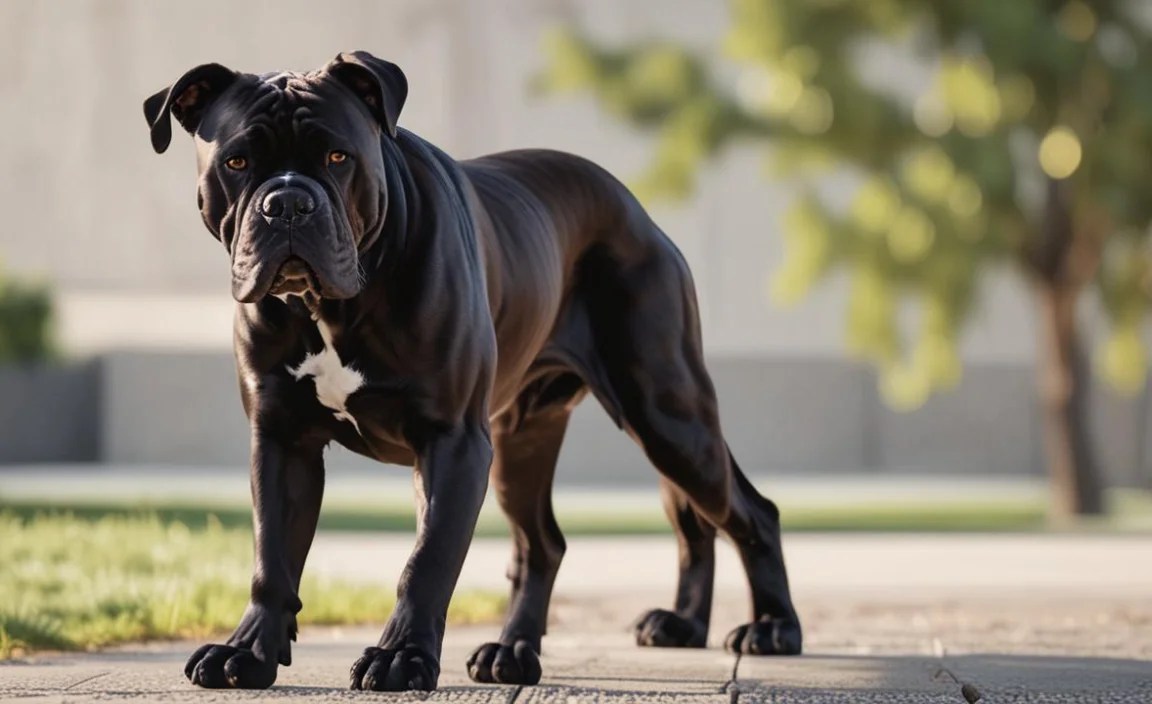
Even with the best routines, challenges can arise. Here are a few common issues and how to address them.
Excessive Barking: Often a sign of boredom, anxiety, or territoriality. Increase exercise and mental stimulation, and address the triggers.
Destructive Chewing: Usually due to boredom or teething. Provide appropriate chew toys and ensure they are getting enough physical and mental activity.
Leash Reactivity: This can stem from fear, frustration, or over-excitement. Work on positive reinforcement training, desensitization, and counter-conditioning. Consult a professional trainer if needed.
* Jumping Up:


