Quick Summary: Establishing a clear Cane Corso daily routine is crucial for their well-being and manageable behavior, while Pitbull obedience training focuses on responsiveness and channeling their energy positively. Both require consistency and understanding of breed-specific needs for a happy partnership.
Navigating the world of powerful dog breeds can sometimes feel overwhelming, especially when you hear conflicting advice. Many dog lovers often wonder about the best way to approach the disciplined structure needed for a Cane Corso, contrasting it with the obedience training often emphasized for Pitbulls. It’s a common point of confusion: what’s the difference, and why does it matter for your furry friend? Rest assured, understanding these nuances will make all the difference in building a strong, happy bond. Let’s break down the essential daily routines and obedience goals for these incredible breeds, making it simple and stress-free.
Cane Corso Daily Routine vs Pitbull Obedience: Understanding the Essentials

When we talk about a “Cane Corso daily routine” versus “Pitbull obedience training,” it’s not about pitting one breed against another. Instead, it’s about recognizing that each breed, with its unique history and natural inclinations, benefits from specific approaches to daily living and training. A Cane Corso’s routine prioritizes structure, predictability, and mental stimulation to manage their protective instincts and considerable size. Pitbulls, on the other hand, often thrive with dedicated obedience training that harnesses their intelligence and eagerness to please, channeling their robust energy into focused activities.
Think of it this way: a well-structured day for a Cane Corso helps them feel secure and promotes calm confidence, preventing unwanted guarding behaviors. For a Pitbull, consistent obedience training builds a reliable partnership, ensuring they are well-behaved and a joy to be around, especially in various social situations. Both approaches are rooted in positive reinforcement and a deep understanding of canine behavior, aiming to foster well-adjusted, happy dogs.
Why a Structured Routine is Non-Negotiable for Cane Corsos

Cane Corsos are majestic, powerful dogs bred for guarding and protection. Their intelligence, loyalty, and natural protective instincts mean they thrive on predictability. A consistent daily routine isn’t just about keeping them occupied; it’s about reinforcing their role as a stable member of your “pack” and managing their inherent protective tendencies. Without a clear structure, a Cane Corso can become anxious, bored, or develop behaviors that stem from a lack of direction, such as excessive barking or territorial aggression.
A good routine provides mental and physical outlets, helping to prevent the buildup of excess energy that could manifest problematically. It fosters a sense of security, letting your Cane Corso know what to expect throughout the day, from feeding times to walks and training sessions. This predictability is key to developing a confident, well-behaved companion.
The Pillars of Cane Corso Daily Life

A thriving Cane Corso life is built on several key pillars, all integrated into a predictable daily rhythm:
- Consistent Feeding Schedule: Dogs, especially large breeds like Cane Corsos, do best with set meal times. This aids digestion and can prevent begging.
- Adequate Exercise: Daily physical activity is vital. This isn’t just about tiring them out; it’s about mental stimulation and bonding.
- Regular Training Sessions: Short, consistent training sessions reinforce good behavior and provide mental challenges.
- Socialization Opportunities: While protective, Cane Corsos need broad socialization from a young age.
- Rest and Relaxation: Downtime is just as important as activity. A comfortable, safe resting space is essential.
- Mental Enrichment: Puzzle toys, scent games, and new experiences keep their sharp minds engaged.
Sample Cane Corso Daily Routine

Here’s a sample routine that you can adapt to your lifestyle, keeping in mind your individual dog’s needs and energy levels. The key is consistency.
| Time | Activity | Purpose |
|---|---|---|
| 7:00 AM | Wake up, potty break, and light chew toy time. | Establish a calm start to the day, ensure basic needs are met. |
| 7:30 AM | Breakfast. | Consistent feeding for digestive health. |
| 8:00 AM – 9:00 AM | Morning walk (moderate intensity, focus on loose-leash walking). | Physical exercise, mental stimulation, practicing leash manners. Discussing safe leash practices can be found on the Humane Society. |
| 9:30 AM – 10:00 AM | Short training session (basic commands, reinforcing impulse control). | Mental engagement, obedience practice. |
| 10:00 AM – 12:00 PM | Supervised free time/rest. Offer a puzzle toy. | Independent enrichment, mental stimulation, quiet time. |
| 12:00 PM | Potty break. | Ensure comfort. |
| 2:00 PM – 3:00 PM | Afternoon exercise (can be a play session in a secure yard or a different type of walk). | Further physical and mental stimulation. |
| 3:00 PM – 5:00 PM | Nap/Quiet time. | Allow for recovery and rest. |
| 5:30 PM | Dinner. | Consistent feeding. |
| 6:00 PM – 7:00 PM | Evening potty break, light play or cuddle time. | Wind down with family, ensure final needs met. |
| 9:00 PM | Last potty break before bed. | Prepare for overnight rest. |
Pitbull Obedience Training: Building a Bond Through Responsiveness

When it comes to Pitbulls (and their close relatives like the American Staffordshire Terrier), their inherent athleticism, intelligence, and eagerness to please make them excellent candidates for structured obedience training. The term “obedience training” for Pitbulls emphasizes building a clear communication channel, fostering respect, and channeling their energy into appropriate behaviors. They have a history of being used in dog fighting, which sadly has led to misconceptions about their temperament. However, with responsible ownership and proper training, they are known to be loyal, affectionate, and wonderfully trainable companions.
Obedience training for a Pitbull isn’t just about teaching them not to jump or bark excessively. It’s about developing their ability to focus, to respond reliably to commands, and to understand boundaries. This proactive training is essential for managing their strength and enthusiasm, ensuring they are well-integrated into family life and can safely navigate varied social environments. Their intelligence means they can learn quickly, but this also means they can learn undesirable behaviors just as fast if not guided properly.
Key Components of Pitbull Obedience Training

Effective Pitbull obedience training focuses on several critical areas:
- Positive Reinforcement: This is paramount. Pitbulls respond exceptionally well to rewards like treats, praise, and play when they perform desired actions.
- Consistency is Key: Just like with the Cane Corso’s routine, consistency in commands, expectations, and rewards is vital for a Pitbull’s learning.
- Early Socialization: Exposing Pitbull puppies and mature dogs to various people, places, sounds, and other animals in a controlled, positive manner is crucial for preventing fear-based reactivity. The American Kennel Club offers excellent guides on puppy socialization.
- Clear Communication: Using clear, concise cues (verbal and hand signals) helps your Pitbull understand what you are asking.
- Impulse Control: Training exercises that teach your Pitbull to wait, to resist distractions, and to think before acting are incredibly beneficial.
- Purposeful Play and Exercise: Pitbulls have energy to burn! Obedience training often goes hand-in-hand with activities that challenge them physically and mentally.
Essential Obedience Commands for Pitbulls

Mastering a core set of commands will not only make your Pitbull a well-behaved companion but also build a stronger bond between you. Here are the essentials:
| Command | Purpose | How to Teach (Simplified) |
|---|---|---|
| Sit | Calming, settling, basis for other commands. | Hold a treat over their nose, move it back towards their tail. As their head goes up, their rear should naturally go down. Mark with “Yes!” or a clicker and reward. |
| Stay | Reliability, impulse control, safety. | Once they sit, ask for “Stay,” hold up a flat hand palm out, and take one step back. If they hold, return and reward. Gradually increase distance and duration. |
| Come (Recall) | Crucial for safety. | Start in a quiet area. Get excited, back away, and call their name followed by “Come!” Reward enthusiastically when they reach you. Never punish a dog for coming, even if they were delayed. |
| Down | Relaxation, settling. | From a sit, lure their nose down with a treat, moving it towards the floor and slightly away from them. Mark and reward. |
| Leave It | Safety, preventing ingestion of harmful items. | Place a low-value treat on the floor, cover it with your hand. Let them sniff. When they stop trying, say “Leave It,” and reward with a higher-value treat from your other hand. Gradually remove your hand. |
| Heel | Controlled walking, preventing pulling. | Start by rewarding them for walking beside you with a loose leash. Use a treat to encourage them to stay near your leg. If they pull, stop moving until the leash slackens. |
Cane Corso Daily Routine vs Pitbull Obedience: Where They Intersect

While the emphasis differs – routine for the Cane Corso and obedience for the Pitbull – the underlying principles are the same. Both need structure, consistency, positive reinforcement, mental stimulation, and adequate physical exercise. The “vs.” in the topic highlights different focal points, but the goal is identical: a happy, well-adjusted dog and a strong human-animal bond.
A key intersection is during structured activities. For instance, the morning walk for a Cane Corso is an opportunity for both exercise (routine) and practicing loose-leash walking (obedience). Similarly, the short training sessions incorporated into a Cane Corso’s day can mirror the obedience training essential for a Pitbull. Both breeds benefit immensely from clear leadership and predictable interactions.
The Role of Socialization for Both Breeds

Socialization is foundational for all dogs, but it’s particularly critical for powerful breeds like Cane Corsos and Pitbulls, albeit with slightly different priorities. For a Cane Corso, early and ongoing socialization helps manage their natural protective instincts. It teaches them to differentiate between a genuine threat and normal everyday occurrences, preventing them from becoming overly suspicious or reactive towards visitors or unfamiliar stimuli. This exposure should be positive and controlled, teaching them that new things are not inherently dangerous.
For Pitbulls, socialization is key to overcoming breed stereotypes and demonstrating their potential for sociability. Exposing them to a wide variety of people (different ages, genders, ethnicities), calm and well-behaved dogs, and diverse environments from a young age helps build their confidence and reduces the likelihood of fear-based aggression or reactivity. Proper socialization ensures your Pitbull can comfortably engage with the world, making public outings much more enjoyable and safe for everyone. Resources like the CDC’s recommendations on dog bite prevention underscore the importance of understanding dog behavior and responsible ownership, which includes proper socialization.
Mental Stimulation: A Universal Need

Dogs, regardless of breed, require mental challenges to prevent boredom and destructive behaviors. For a Cane Corso, mental stimulation within their routine can involve puzzle feeders, learning new tricks, or scent games. This engages their intelligence and helps them burn energy constructively, contributing to their overall calm demeanor. A mentally fatigued dog is less likely to engage in nuisance behaviors.
Pitbulls, with their intelligence and drive, also benefit greatly from mental workouts. Obedience training sessions that introduce new commands or challenges, agility exercises, or even interactive toys that require problem-solving can be incredibly rewarding. This mental engagement is as important as physical exercise for a well-rounded Pitbull. For example, a simple game of “find the treat” hidden around the house can provide significant mental stimulation.
Exercise: Tailoring to the Breed
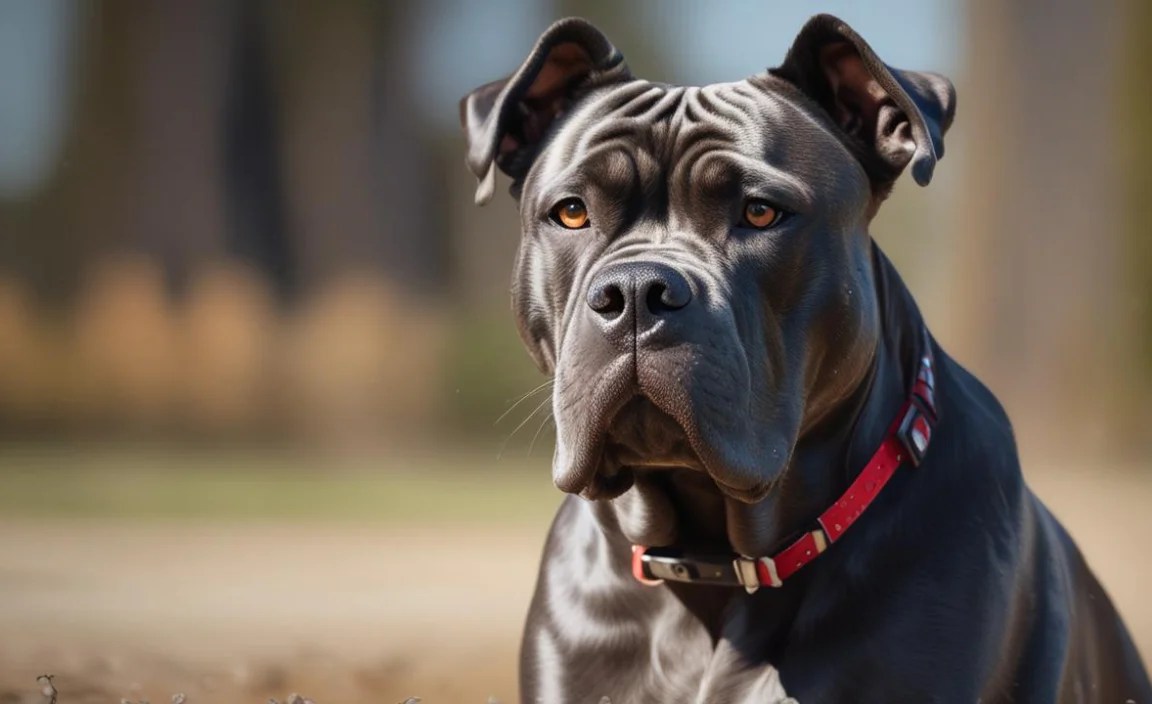
While both breeds need exercise, the type and intensity can vary. Cane Corsos, being large and powerful, benefit from structured walks that allow them to explore and engage their senses. Overly vigorous or uncontrolled play, especially in their youth, can be hard on their developing joints. Focus on controlled walks, steady-paced hikes, and supervised play in a secure area. Their exercise should not only tire them physically but also provide mental engagement.
Pitbulls often have boundless energy and can excel in more dynamic activities. Fetch, frisbee in a safe space, jogging, or even dog sports like agility or flyball can be excellent ways to channel their energy. The key is to provide an outlet that is both physically demanding and engaging, helping to prevent pent-up energy that might lead to destructive behaviors or restlessness. Understanding your dog’s individual energy level and capacity is crucial.
Food and Nutrition: Fueling Well-being

Proper nutrition is a cornerstone of any dog’s health and plays a role in temperament and energy levels. For a large breed like the Cane Corso, choosing a high-quality food formulated for large breeds is important. This typically means balanced calcium and phosphorus levels to support bone health and controlled calories to prevent excessive growth and obesity, which can lead to joint issues. Feeding them at set times as part of their routine also aids digestion.
Pitbulls, while generally robust, also benefit from a balanced, high-quality diet appropriate for their age and activity level. Some lines may be prone to skin sensitivities, so consulting with your veterinarian about breed-specific nutritional needs or potential allergies is always a good idea. Proper nutrition fuels their energy for training and play, contributing to their overall vitality.
Grooming and Health: Predictable Care

Both Cane Corsos and Pitbulls have relatively low-maintenance coats but still require regular grooming. Cane Corsos typically have short, dense coats that need weekly brushing to remove loose hair and keep their skin healthy. Regular ear cleaning and nail trims are also essential. Having a set grooming routine can also be a bonding experience and an opportunity to check for any lumps, bumps, or skin irritations. Your vet can provide guidance on essential health checks, such as those for hip and elbow dysplasia in large breeds like the Cane Corso.
Pitbulls also have short coats that benefit from regular brushing, which helps distribute natural oils and keep their coat shiny. Ear cleaning and nail trims are important, as is dental care. Being aware of common health concerns for the breed, such as allergies or hip issues, and incorporating regular checks into your routine can help ensure a long, healthy life. For more on general dog health, the American Veterinary Medical Association offers valuable information.
When to Seek Professional Help
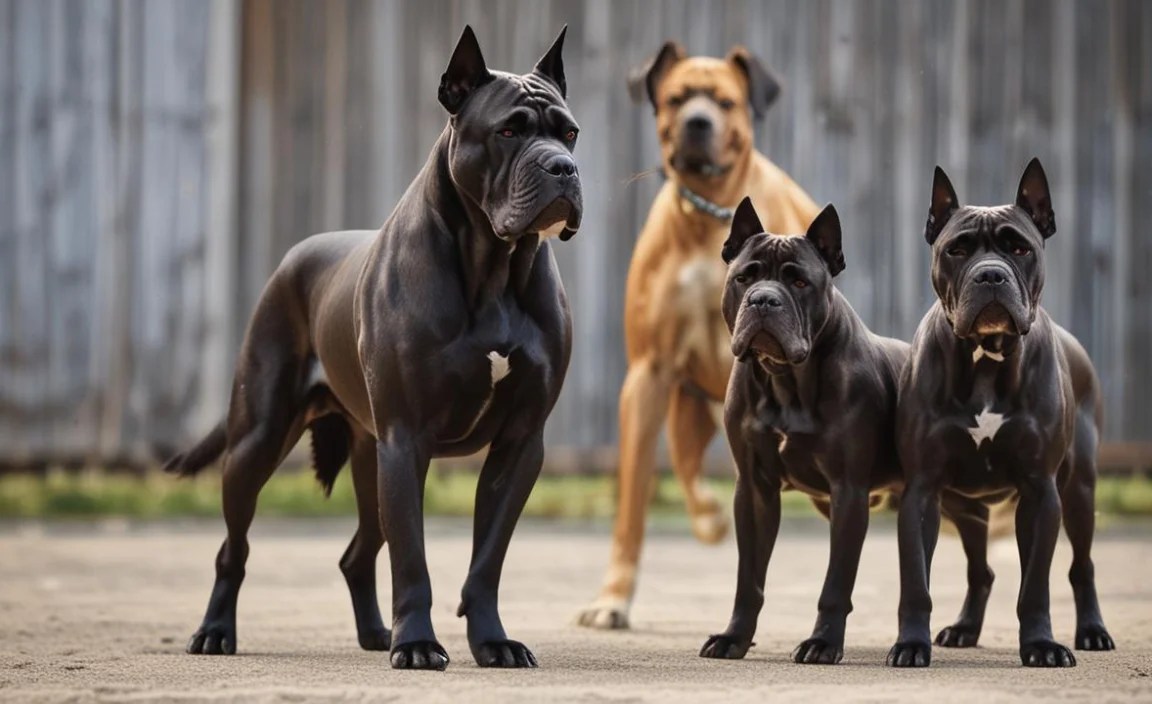
Despite best efforts, some behavioral challenges might arise. For a Cane Corso experiencing excessive guarding or anxiety, a professional trainer or behaviorist can help implement strategies tailored to their specific needs, integrating solutions into their routine. For Pitbulls exhibiting fearfulness, reactivity, or aggression, professional guidance is essential. A skilled trainer can assess the situation, provide necessary obedience training techniques, and help you understand your dog’s behavior. Never hesitate to reach out for expert advice; it’s a sign of a responsible owner.
Conclusion
Understanding the nuances between a Cane Corso’s need for a structured daily routine and a Pitbull’s requirement for focused obedience training is key to a harmonious relationship. Both breeds, when given the right guidance, are capable of becoming devoted and well-behaved companions. The core principles of consistency, positive reinforcement, diligent socialization, and meeting their physical and mental needs remain paramount. By embracing these essentials, tailored to your specific breed, you pave the way for a lifetime of joy and unwavering loyalty with your canine partner.
Frequently Asked Questions
Q1: What is the main difference between a Cane Corso’s daily routine and Pitbull obedience training?

A1: A Cane Corso’s daily routine emphasizes predictability and structure to manage their protective instincts and size. Pitbull obedience training focuses on responsiveness, clear communication, and channeling their energy positively through command-based activities


