A structured Cane Corso daily routine workout is key to channeling their powerful physique and intelligence, fostering calm, confident “alpha” behavior by meeting their needs for physical exertion and mental stimulation.
Taking care of a Cane Corso can feel like a big job, especially when you’re just starting out! These magnificent dogs are known for their strength and loyalty, but they also have a lot of energy and a smart mind that needs to be engaged. If your Cane Corso seems a bit too boisterous or you’re wondering how to best manage their powerful presence, you’re not alone.
Many new owners wonder about the best way to build a daily routine that keeps their dog happy and well-behaved. Building a predictable routine is like giving your Cane Corso a roadmap for their day, helping them understand what’s expected and when. This guide will walk you through creating a fantastic daily workout plan that celebrates their “alpha” nature, turning that power into a wonderfully calm companion. Let’s get started on building that perfect day for your Cane Corso!
Cane Corso Daily Routine Workout: Cultivating Genius Alpha Behavior

The Cane Corso, an ancient Italian breed, is a dog of considerable presence, intelligence, and strength. Their name, often translated as “guardian dog,” hints at their inherent protective nature and impressive physicality. For new and experienced owners alike, understanding how to manage this breed’s energy and intellect is paramount to fostering a balanced, well-adjusted companion. A well-designed daily routine workout is not just about burning off energy; it’s about providing mental stimulation, reinforcing good behavior, and building a strong bond. This approach helps them channel their “alpha” tendencies into constructive activities, leading to the calm, confident, and obedient dog we all desire.
This article will explore a comprehensive Cane Corso daily routine workout plan, focusing on how to integrate physical exercise, mental challenges, and consistent training to develop their “genius alpha behavior.” We’ll cover everything from essential morning activities to evening wind-downs, including practical tips, recommended gear, and how to adapt the routine to your dog’s individual needs.
Understanding the Cane Corso’s Needs

Before diving into a daily routine, it’s crucial to understand what makes a Cane Corso tick. They are a breed that thrives on structure, clear leadership, and purpose.
Physical Strength and Stamina: Cane Corsos were historically bred for guarding and working, meaning they possess remarkable stamina and physical capabilities. They need significant daily exercise to stay healthy and prevent destructive behaviors born from pent-up energy.
Intelligence and Trainability: These dogs are highly intelligent and can learn quickly. However, their intelligence also means they can become bored or mischievous if not mentally stimulated. Training should be consistent and engaging.
Protective Instincts: Their natural guarding instinct is strong. A daily routine that instills confidence and establishes clear leadership helps them understand their role within the family pack, reinforcing a calm, rather than anxious, protective nature.
Socialization: Early and ongoing socialization is vital for a Cane Corso to ensure they are comfortable and well-behaved around new people and other animals.
The Importance of a Structured Daily Routine

A predictable daily routine provides a Cane Corso with security and clarity. It helps manage their energy, prevent boredom, and strengthen the human-animal bond.
Reduces Anxiety and Destructive Behaviors: When a dog knows what to expect, they are less likely to become anxious or resort to chewing, digging, or excessive barking due to stress or boredom.
Builds Confidence: A consistent routine allows your Cane Corso to master predictable activities, building their confidence and sense of security.
Enhances Trainability: Regular opportunities for training sessions within the routine reinforce commands and good manners, making your Cane Corso more responsive and easier to manage.
Promotes Physical and Mental Health: A balanced routine ensures your dog gets adequate exercise, mental engagement, and rest, all crucial for their overall well-being.
Crafting Your Cane Corso Daily Routine Workout Plan

The “genius alpha behavior” we aim for in a Cane Corso isn’t about dominance over humans; it’s about a calm, self-assured presence that understands boundaries and responds to guidance. This is achieved through a well-rounded routine that addresses their physical, mental, and emotional needs.
Morning: Establishing the Day’s Foundation
The morning is a prime time to set a positive tone for the rest of the day. It’s about waking up, addressing basic needs, and initiating physical and mental engagement.
1. Early Morning Potty Break & Gentle Start (5-10 minutes)

As soon as you wake up, take your Cane Corso outside for a potty break. This is a functional time, not playtime. Keep it calm and focused.
This brief outdoor time also allows them to survey their environment first thing, satisfying a natural watchdog instinct in a controlled manner.
2. Breakfast Time: The Fuel for a Great Day (10-15 minutes)

Feeding: Feed your Cane Corso a high-quality diet appropriate for their age, size, and activity level. Consult your veterinarian for personalized recommendations on the best food. For a breed prone to bloat, consider puzzle feeders or slow-feeder bowls to encourage slower eating. Resources like the American Kennel Club (AKC) offer excellent guidance on Cane Corso nutrition.
Mindful Waiting: Before letting your dog eat, ask them to sit and wait for their food. This simple command reinforces impulse control and teaches them patience, a key aspect of their “alpha” composure.
3. Morning Workout & Mental Stimulation (30-60 minutes)

This is where the core of their “workout” begins. A combination of physical activity and mental engagement is ideal.
Structured Walk (20-30 minutes):
Leash Manners: This walk should focus on good leash manners. Your Cane Corso should walk beside you, not pull ahead. This establishes you as the leader and reinforces control.
Controlled Exploration: Allow some sniffing time, as this is a vital mental activity for dogs. However, keep the pace moving and the focus on a structured walk.
Gear: A well-fitting harness and a sturdy leash are essential. Consider a front-clip harness to help manage pulling. For outdoor activities, a comfortable, durable dog backpack can also be beneficial for longer outings.
Interactive Play/Training Session (10-20 minutes):
Brain Games: Engage their minds with puzzle toys, food-dispensing toys, or simple training exercises. This could be practicing commands like “sit,” “stay,” “down,” or introducing new tricks.
Agility Basics: If you have space, set up a simple agility course with tunnels or jumps. This builds coordination and confidence.
Fetch with a Twist: Instead of just throwing a ball, incorporate commands. Ask for a “sit” before throwing, and reward them for bringing the ball directly to you.
Calm Down Period (5-10 minutes): After the active session, guide your dog to a designated quiet spot to relax. Praise them for being calm. This teaches them the transition from high energy to polite downtime.
Midday: Maintaining Balance and Engagement
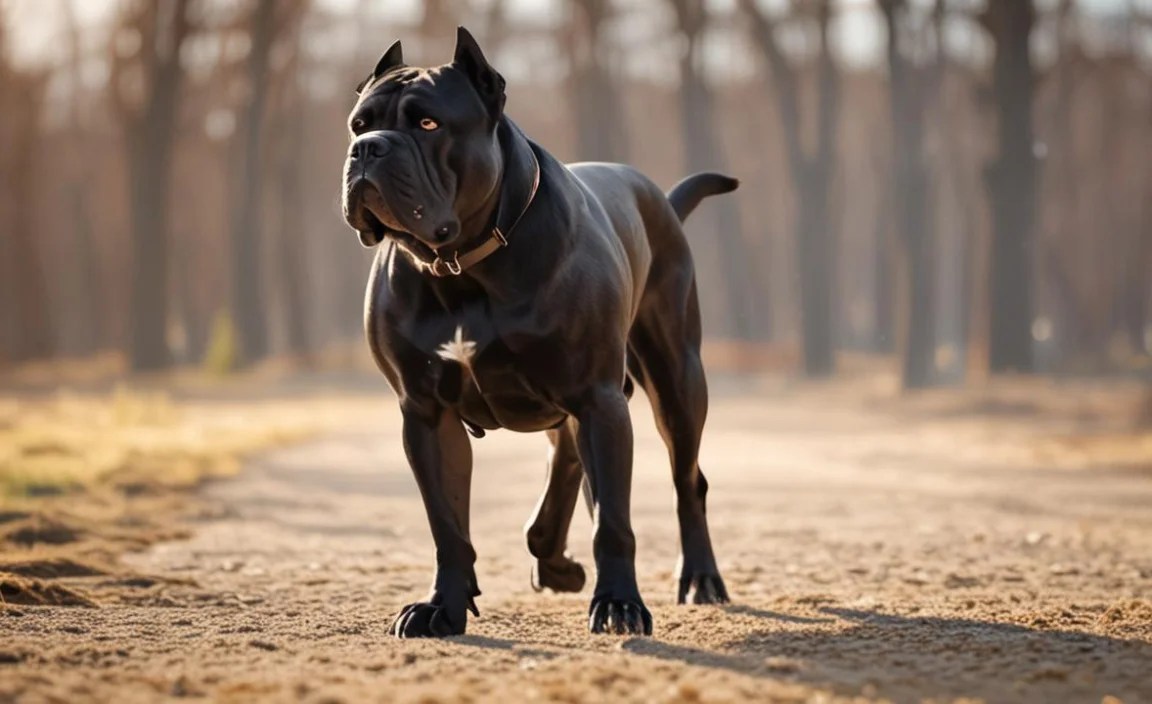
The midday period is about managing energy when you might be home, or ensuring they have appropriate stimulation if left alone for short periods.
1. Potty Break & Short Leash Walk (10-15 minutes)

A quick potty break is essential. Combine this with a short, brisk walk to keep their systems moving and provide another opportunity for controlled outdoor time.
2. Mental Enrichment While You’re Busy (If Applicable)

If you work from home or are briefly away, provide engaging solo activities.
Chew Toys: Offer safe, durable chew toys. This satisfies their natural chewing instinct and can alleviate boredom.
Puzzle Feeders: Leave out a puzzle toy with a few kibbles or treats. This keeps their minds occupied.
Supervised Den Time: If your Cane Corso is comfortable in a crate or designated safe space, this can be a good time for a nap or quiet rest.
3. Gentle Interaction/Reinforcement Training (10-15 minutes)

If you are home, engage in short, positive training sessions or gentle play.
“Place” Command: Practice having them go to their mat or bed and stay until released. This is a great exercise for impulse control and building their understanding of boundaries.
Grooming Practice: Incorporate gentle grooming, like brushing their coat or checking their paws. This makes them comfortable with handling and is an important part of their health.
Afternoon/Early Evening: Winding Down and Connecting

The late afternoon and early evening are often when dogs have another surge of energy or are looking forward to family interaction.
1. Afternoon Outdoor Time (30-45 minutes)

This can be a more relaxed outing than the morning, or a chance for more vigorous activity depending on your dog’s energy levels and your schedule.
Park Visit (if well-socialized): If your Cane Corso is well-socialized and enjoys the company of other dogs, a controlled visit to a dog park might be an option. Always supervise closely.
Trail Walk: Explore local trails. This provides varied scents and terrain, offering excellent mental and physical stimulation. Ensure you are aware of local regulations regarding dogs in parks or on trails. Organizations like the US Forest Service often have guidelines for dogs in natural areas.
Tug-of-War: A controlled game of tug-of-war can be a great way to burn energy and build a strong bond. Ensure you establish rules, like releasing the toy on command, to maintain leadership.
2. Dinner and Calm Transition (15-20 minutes)

Similar to breakfast, a structured approach to dinner is beneficial.
Pre-Dinner Sit/Stay: Have your Cane Corso perform a few obedience cues before serving their meal.
Slow Feeding: Continue with slow-feeder bowls or puzzle feeders for their evening meal.
3. Evening Wind-Down & Bonding (20-30 minutes)

This is a crucial time for connection and preparing for rest.
Quiet Play/Cuddles: Engage in gentle petting, massage, or quiet games. This reinforces your bond in a calm, loving way.
Review Training: Short, fun sessions of practicing favorite tricks or commands. Keep it light and rewarding.
“What Did You Learn Today?” Game: Sit with your dog and casually ask them to perform commands they’ve practiced throughout the day. Offer praise and a small treat for each successful response. This reinforces learning and provides mental stimulation without high energy.
Night: Preparing for Rest
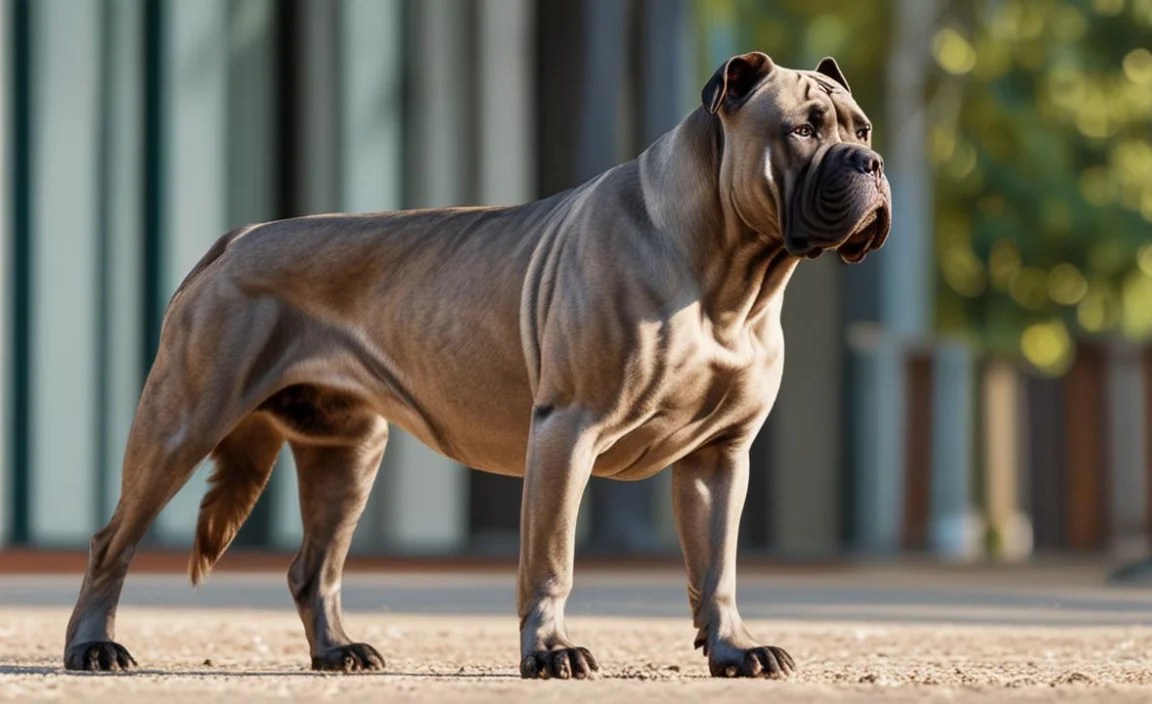
The goal here is to signal that the day is ending and it’s time for sleep.
1. Final Potty Break (5-10 minutes)

One last chance for your Cane Corso to relieve themselves before bedtime. Keep this very calm and straightforward.
2. Prepare Sleeping Area

Ensure their bed or crate is comfortable and in a quiet location.
If your dog has a favorite, safe chew toy for bedtime, provide it.
3. Lights Out

Signal to your dog that it’s time to settle down for the night. Avoid stimulating play or training just before sleep.
Essential Gear for Your Cane Corso’s Workout Plan

Having the right equipment can make your daily routine much more effective and enjoyable.
| Gear Item | Description | Benefits for Cane Corso Training |
| :———————– | :————————————————————————————————————————————– | :———————————————————————————————————————————————————– |
| Sturdy Leash | A 6-foot, durable leash made of nylon or leather. | Provides control during walks and training, essential for managing a strong breed. |
| Comfortable Harness | A well-fitting, padded harness, preferably with a front-clip option for better leash control and to prevent pressure on the trachea. | Prevents choking, offers better control, and can help redirect pulling, aiding in developing good leash manners. |
| High-Quality Food Bowl | Stainless steel or ceramic bowls. Consider puzzle feeders or slow-feeder bowls. | Promotes good digestion, prevents bloat (with slow feeders), and turns mealtime into a mental challenge. |
| Durable Chew Toys | Hard rubber toys (e.g., KONG), dental chews, or natural chews. | Satisfies chewing instincts, reduces boredom, and can help with teething or stress relief. Choose sizes appropriate for a large breed. |
| Interactive Puzzle Toys | Toys that dispense treats or kibble as the dog manipulates them. | Excellent for mental stimulation, problem-solving, and extending meal times, crucial for an intelligent breed. |
| Treat Pouch | A convenient pouch to carry training treats for quick rewards during walks and training sessions. | Allows for seamless integration of training into daily activities, making positive reinforcement readily accessible. |
| Dog Backpack | A comfortable, well-fitting backpack for carrying water, treats, or waste bags on longer outings. | Can provide a sense of purpose for your dog, especially on hikes, and helps distribute weight evenly. Ensure it’s not overloaded. |
| Comfortable Bedding | A supportive, durable dog bed or crate pad. | Provides a designated, comfortable space for rest and relaxation, reinforcing their “den” or safe place. |
Consistency is Key: The Power of Repetition

The “Genius Alpha Behavior” that makes a Cane Corso such a remarkable companion is not innate; it’s cultivated. Consistency in your daily routine is the bedrock upon which this behavior is built.
Predictability Breeds Calmness: When your Cane Corso knows the rhythm of the day – when to expect walks, meals, training, and rest – their anxiety decreases significantly. This predictable structure is what allows their confident, calm nature to shine through.
Reinforcing Leadership: Every time you guide your dog through a scheduled activity, you are reinforcing your role as a calm, benevolent pack leader. This doesn’t mean being harsh; it means being consistent, fair, and in control.
Adapting the Routine: While consistency is crucial, the routine should also be adaptable to your dog’s age, health, and individual personality. A puppy will need more frequent potty breaks and shorter, more frequent training sessions than an adult or senior dog. Similarly, a physically active adult may thrive on longer hikes, while an older dog might benefit from gentler walks and more rest.

Troubleshooting Common Issues
Even with a great routine, challenges can arise. Here are a few common issues and how to address them:
Excessive Barking: Often a sign of unmet needs (boredom, anxiety, lack of stimulation) or territorial guarding. Ensure their workout plan is robust enough, and address specific triggers with desensitization and counter-conditioning.
Destructive Chewing: Typically stems from boredom, teething (in puppies), or separation anxiety. Provide appropriate chew toys, ensure sufficient physical and mental exercise, and consider professional help for severe anxiety.
Pulling on the Leash: This can be addressed by consistent training with a focus on loose-leash walk


