A well-structured Cane Corso daily routine workout plan is essential for their physical and mental well-being. It involves a mix of structured exercise, mental stimulation, and socialization to manage their energy and promote good behavior.
Cane Corsos are powerful, intelligent dogs with a natural desire to be active. A lack of adequate daily exercise can lead to frustration, boredom, and potentially destructive behaviors. Many new Cane Corso owners wonder about the best way to channel their dog’s energy effectively. It’s not just about tiring them out; it’s about a balanced approach that keeps their minds sharp and their bodies strong. This guide will walk you through creating a proven, essential daily routine workout for your Cane Corso, ensuring a happy and well-behaved companion.
Understanding the Cane Corso’s Needs

Before diving into a workout plan, it’s crucial to understand what makes a Cane Corso tick. These majestic mastiffs are known for their loyalty, intelligence, and protective nature. They were historically bred as guard dogs and working dogs, meaning they have inherent energy reserves and a need for purpose. Their large size also means their physical needs are significant, but it’s their mental capacity that often goes underestimated.
A typical Cane Corso has a strong prey drive and enjoys having a job to do. Without enough physical and mental outlets, this energy can manifest as excessive barking, digging, chewing, or even anxiety. Providing a consistent and engaging daily routine is not a luxury; it’s a necessity for their overall health and happiness.
Physical Requirements
Cane Corsos are muscular dogs that require substantial exercise to stay physically fit. Their exercise needs can vary slightly based on age, health, and individual temperament, but generally, they need at least 60 to 90 minutes of vigorous activity per day. This isn’t just a single long walk; it’s a combination of different types of movement.
Key components of their physical needs include:
- Cardiovascular exercise to build stamina and keep their heart healthy.
- Strength training elements to support their musculature.
- Opportunities for bursts of energy and play.
Mental Stimulation Needs
Just as important as physical exercise is mental stimulation. A bored Cane Corso can become a problematic Cane Corso. Engaging their minds helps them learn, problem-solve, and feel fulfilled. This can prevent boredom-related anxiety and destructive behaviors.
Examples of mental stimulation include:
- Puzzle toys that dispense treats.
- Training sessions that teach new commands or tricks.
- Interactive games like “find the treat.”
- Exploring new environments where they can use their senses.
Building Your Cane Corso’s Daily Routine Workout Plan

A successful Cane Corso daily routine workout plan balances physical exertion with mental engagement. It should be structured but also flexible enough to accommodate daily variations. Consistency is key to seeing the best results.
Morning Routine: Waking Up the Giant
Start the day with a moderate exercise session to help your Cane Corso burn off overnight energy and prepare them for the day ahead. This sets a positive tone and can help prevent morning mischief.
Leash Walk (30-45 minutes)
A brisk walk is an excellent way to begin. Focus on a focused walk where your dog walks beside you, rather than pulling ahead. This reinforces good leash manners and allows them to explore their surroundings through scent, which is mentally stimulating.
- Pace: Brisk enough to get their heart rate up but not so fast that they can’t sniff.
- Environment: Vary your routes to keep things interesting. New smells are great mental exercise.
- Focus: Work on loose-leash walking. This is a crucial command for such a strong breed.
Basic Obedience Practice (10 minutes)
After the walk, engage in a short, positive reinforcement-based obedience session. Practice commands like “sit,” “stay,” “down,” and “come.” This reinforces their training and provides mental work. Keep it fun and rewarding with treats and praise.
Midday Activity: Keeping Them Engaged
Depending on your schedule, the midday period can be crucial for preventing boredom, especially if your Cane Corso is home alone for a portion of the day. If possible, incorporate a dedicated activity or ensure they have appropriate outlets.
Mental Stimulation Games (15-20 minutes)
This is the perfect time for puzzle toys or interactive games. Leave a KONG filled with peanut butter or dog-friendly yogurt, or use a treat-dispensing ball. These activities keep their minds busy and prevent them from seeking out less desirable entertainment.
Consider investing in a few different types of puzzle toys, such as:
- KONGs: Can be filled with various foods and frozen for a longer-lasting challenge.
- Treat-Dispensing Balls: Require the dog to roll or manipulate the toy to release treats.
- Snuffle Mats: Allow dogs to “forage” for hidden kibble or treats, mimicking natural behavior.
Short Play Session (if you’re home)
If you are home during the day, a short game of fetch in a secure yard or indoor tug-of-war (with rules!) can be beneficial. Ensure games are controlled and do not encourage aggression. Remember, it’s about controlled energy release, not an all-out frenzy.
Afternoon/Evening Routine: Wind Down and Reinforce
The late afternoon and evening are primary times for social interaction and more structured exercise. This period helps solidify training and prepares your dog for a restful night.
Structured Workout/Play Session (30-45 minutes)
This session should be more vigorous than the morning walk. Options include:
- Jogging or Running: If your Cane Corso is physically mature and healthy (consult your vet), a jog beside you can be excellent. This is best done on softer surfaces like grass or trails to reduce impact.
- Fetch/Frisbee: In a safe, enclosed area, a game of fetch can provide great exercise.
- Cane Corso-Specific Activities: Consider introducing supervised agility tunnels or weave poles if you are seeking more advanced engagement.
- Swimming: Many Cane Corsos enjoy swimming, which is low-impact and great for cardio. Ensure water safety and supervision.
It’s vital to understand your dog’s limits. Over-exercising can lead to injuries, especially in young or older dogs. Always watch for signs of fatigue like excessive panting, lagging behind, or reluctance to continue.
Training/Trick Practice (10-15 minutes)
Another short, focused training session in the evening can be very beneficial. This is a great time to introduce new tricks or refine existing commands. Positive reinforcement is crucial here. You might consider trick-of-the-week challenges like “shake a paw,” “roll over,” or “play dead.”
Socialization and Calm Interaction
While not strictly a “workout,” supervised socialization is vital for a Cane Corso. If your dog is well-socialized, short, positive interactions with known, friendly dogs or people can be part of the routine. In the evening, allow for calm cuddle time and petting. This reinforces your bond and provides a sense of security.
Sample Weekly Workout Schedule
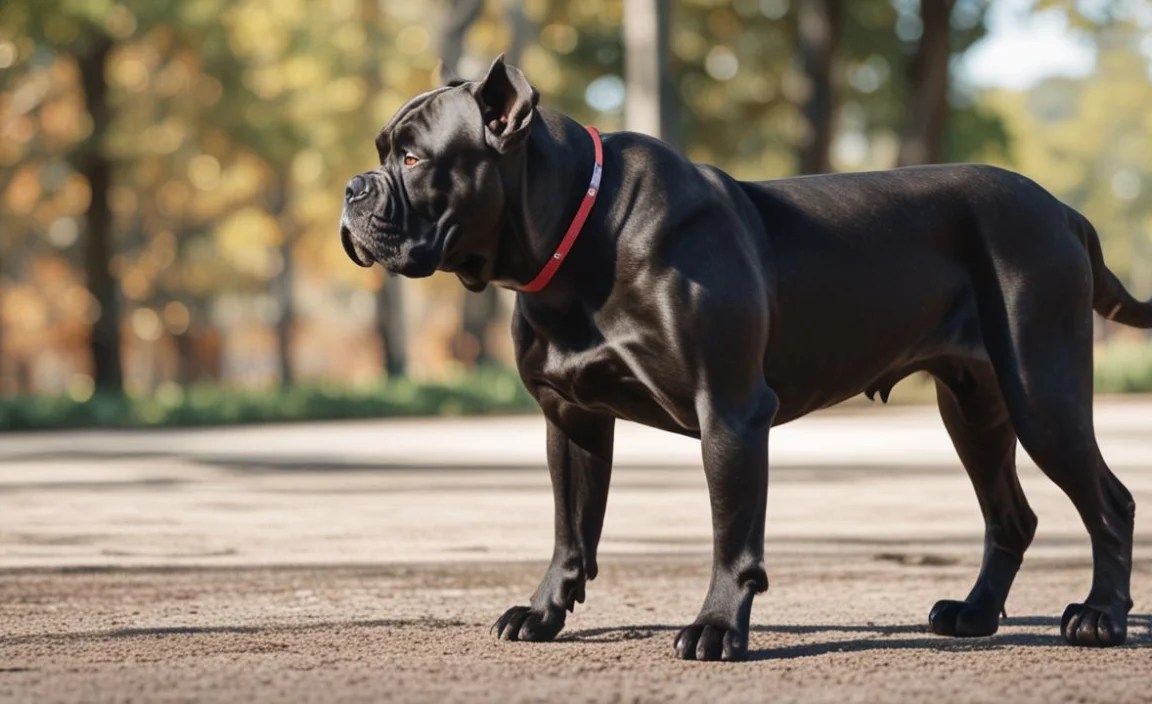
Here’s a sample of how you might structure a week. Remember to adjust based on your dog’s energy levels and your availability.
| Day | Morning (Approx. 60 mins) | Midday (Approx. 20 mins) | Afternoon/Evening (Approx. 60 mins) | Focus |
|---|---|---|---|---|
| Monday | Brisk Walk + Basic Obedience | Puzzle Toy | Jogging/Running + Trick Training | Cardio & Obedience Reinforcement |
| Tuesday | Moderate Walk + “Sit-Stay” Drills | Interactive Treat Ball | Fetch in Yard + New Trick Practice | Play Drive & Mental Challenge |
| Wednesday | Longer Brisk Walk + “Down-Come” Drills | Snuffle Mat Foraging | Swimming (if available, weather permitting) or long walk + “Place” Command Practice | Endurance & Sensory Exploration |
| Thursday | Brisk Walk + Heelwork Focus | KONG Toy | Structured Tug-of-War + Recall Training | Controlled Strength & Focus |
| Friday | Moderate Walk + Free Recall Practice (safe area) | Puzzle Toy | Hiking/Trail Walk + Advanced Trick Refinement | Agility & Varied Terrain |
| Saturday | Leisurely Walk with ample sniffing | Calm Chew Toy/Relaxation | Visit Dog Park (if well-socialized) or Long Play Session + Family Interaction | Socialization & Relaxation |
| Sunday | Short, brisk walk + Quick Obedience Review | Rest/Low-Key Toy | Gentle walk + Cuddle Time | Active Recovery & Bonding |
Essential Gear for Your Cane Corso’s Workouts

Having the right gear makes workouts safer and more enjoyable for both you and your Cane Corso. Quality equipment is an investment in your dog’s well-being.
Leashes and Collars/Harnesses
- Sturdy Leash: A 6-foot, heavy-duty nylon or leather leash is standard for control. Avoid retractable leashes, as they offer less control and can be dangerous for a strong dog like a Cane Corso.
- Martingale Collar or Head Halter: For training loose-leash walking, a martingale collar can be effective for dogs that tend to slip traditional collars. A head halter (like a Gentle Leader) can provide excellent control for strong pullers, but requires proper introduction and acclimatization.
- Well-Fitted Harness: A no-pull harness, especially one that clips in the front, can be a good option if used correctly. Ensure it doesn’t restrict shoulder movement.
- ID Tags: Ensure these are securely attached to their collar or harness.
Treats and Training Aids
- High-Value Treats: Small, soft, and highly palatable treats are essential for positive reinforcement training.
- Treat Pouch: A small pouch makes accessing treats easier and quicker during training sessions.
- Puzzle Toys: As mentioned, invest in durable puzzle toys designed for large breeds.
Hydration and Safety
- Water Bottle and Collapsible Bowl: Always carry water, especially on longer outings.
- First-Aid Kit: A basic pet first-aid kit should be readily available for any minor injuries.
- Visibility Gear: For early morning or evening walks, consider reflective vests or lights for both you and your dog.
Weather-Appropriate Gear
- Dog Boots: For hot pavement or icy conditions, dog boots can protect their paws.
- Cooling Vests: During hot weather, a cooling vest can help prevent overheating.
- Dog Coat: For very cold weather, a warm coat can protect your Cane Corso, although they generally have a dense coat designed for protection.
Important Considerations for Cane Corso Workouts
While a structured plan is excellent, there are nuances to consider for optimal results and safety.
Age-Appropriate Exercise
Puppies: Young Cane Corsos need less intense exercise. Over-exercising growing joints can lead to long-term orthopedic problems. Focus on shorter, more frequent play sessions and walks, and prioritize socialization and basic training. A good rule of thumb is 5 minutes of structured exercise per month of age, twice a day. For example, a 4-month-old puppy would get 20 minutes of structured exercise per session.
Adults: Adult Cane Corsos (typically from 18-24 months onwards) can handle more vigorous and sustained exercise. Ensure they are healthy and physically conditioned before starting demanding routines.
Seniors: Older Cane Corsos still need exercise to maintain muscle mass and mobility, but it should be gentler. Shorter, slower walks and low-impact activities such as gentle swimming are ideal. Listen to your senior dog’s body.
Health and Veterinary Consultation
Always consult your veterinarian before starting any new exercise program, especially if your Cane Corso has any pre-existing health conditions. They can provide personalized recommendations based on your dog’s specific health status. Pay attention to signs of joint issues, hip dysplasia, or heart conditions, which can be more prevalent in large breeds.
You can find general guidelines on canine exercise needs from reputable sources like the American Veterinary Medical Association (AVMA).
Weather Conditions
Extreme heat and humidity can be dangerous for any dog, including Cane Corsos. Avoid strenuous exercise during the hottest parts of the day. Opt for early morning or late evening workouts on hot days. Conversely, in very cold weather, monitor your dog for signs of hypothermia. Ensure adequate hydration even in cooler weather.
Nutrition and Hydration
A balanced diet is crucial for supporting your Cane Corso’s active lifestyle. Ensure they are eating a high-quality diet formulated for large breeds. Adequate hydration is non-negotiable. Always have fresh water available, and bring water on outings.
Socialization
While not a direct “workout,” ongoing, positive socialization is key to a well-adjusted Cane Corso. If your dog is unsure or reactive in certain situations, focus on controlled introductions and professional guidance rather than forcing interactions during workout times. A well-socialized dog is easier to manage during walks and outings.
Troubleshooting Common Issues
Even with the best plans, you might encounter challenges.
My Cane Corso Pulls on the Leash
This often stems from excitement or a lack of training. Use a front-clip harness or head halter, practice loose-leash walking techniques (stop when they pull, resume when slack appears, reward walking beside you), and keep training sessions short and engaging. Ensure they have sufficient exercise so they aren’t bursting with pent-up energy.
My Cane Corso Lacks Motivation
Try using higher-value treats or a favorite toy as rewards. If they are consistently low-energy, consult your vet to rule out any underlying health issues. Ensure the exercise is varied and fun, not just repetitive.
My Cane Corso is Destructive When Left Alone
This is often a sign of boredom, anxiety, or insufficient exercise. Ensure they have had adequate physical and mental stimulation BEFORE you leave them. Provide engaging puzzle toys and, if possible, consider crate training or a dog-proofed room for their safety and peace of mind.
My Cane Corso Shows Aggression During Walks
This is a serious issue that requires professional intervention. Do not attempt to manage this alone. Consult a certified professional dog trainer or a veterinary behaviorist. Never punish aggressive behavior; focus on understanding its root cause and working on management and desensitization in a safe, controlled manner.
Frequently Asked Questions
Q1: How much exercise does a Cane Corso puppy need?
Cane Corso puppies need less intense exercise than adults. Focus on short, frequent play sessions (5-10 minutes) and controlled walks (5 minutes per month of age, twice daily). Prioritize socialization and basic training. Over-exercising can harm their developing joints.
Q2: Can I run with my Cane Corso?
Yes, once your Cane Corso is physically mature (around 18-24 months) and has been cleared by your veterinarian, you can incorporate jogging or running into their routine. Ensure they are conditioned gradually and that running surfaces are not causing excessive stress on their joints.
Q3: What if my Cane Corso doesn’t like walks?
If your Cane Corso is hesitant about walks, start gradually. Ensure they have a comfortable harness and that the environment is not overwhelming. Positive reinforcement with treats and praise can help. Try shorter walks in quieter areas. You can also explore play-based activities in a secure yard as an alternative or supplement.
Q4: How often should I vary my Cane Corso’s workout routine?
Varying the routine is highly beneficial. Aim to introduce different types of activities weekly or even daily if possible. This keeps your Cane Corso engaged and prevents boredom. Mixing brisk walks with jogging, fetch, swimming, or hiking provides diverse physical and mental challenges.
Q5: My Cane Corso is overweight. How does exercise help?
For an overweight Cane Corso, consistent, moderate exercise burns calories and builds muscle mass, which helps boost metabolism. Combine increased physical activity with a vet-approved


