The esteemed Cane Corso can be a wonderfully protective and loyal companion, not a dangerous dog. With the right beginner workout plan, focused on positive reinforcement and consistent routines, you can build a strong bond and a well-behaved dog that thrives.
Many new Cane Corso owners worry about their dog’s powerful presence and potential for being perceived as a “dangerous dog.” It’s true, the Cane Corso is a large and confident breed, but their temperament is largely shaped by how they are raised and trained. A common frustration for beginners is not knowing where to start with exercise and socialization to ensure their Cane Corso grows into a balanced adult. This guide offers a proven, beginner-friendly workout plan designed to build confidence, improve obedience, and strengthen your bond, ensuring your Cane Corso is a joy, not a challenge.
Understanding the Cane Corso: More Than Just Muscle

The Cane Corso, an Italian mastiff, was historically bred as a farm dog, guardian, and hunter. This heritage means they possess natural protective instincts, incredible strength, and a high drive to work. They are intelligent, loyal, and deeply attached to their families. However, their size and strength require an owner who understands their needs and can provide consistent, positive guidance from an early age. Labeling them as a “dangerous dog” is often a misunderstanding of their breed characteristics and the importance of proper socialization and training.
Building a Foundation: Crucial First Steps
Before diving into specific workouts, establishing a solid foundation is key. This involves early socialization, basic obedience, and understanding your dog’s energy levels. For a beginner, focusing on positive reinforcement is paramount. This means rewarding good behavior with treats, praise, and play, rather than resorting to punishment, which can create fear and aggression in sensitive breeds like the Cane Corso.
Socialization: The Cornerstone of a Well-Adjusted Cane Corso
Proper socialization is not just about meeting other dogs; it’s about exposing your Cane Corso puppy to a variety of sights, sounds, people, places, and experiences in a positive and controlled manner. This should start as soon as your veterinarian gives the okay, typically after initial vaccinations. Aim for positive interactions, keeping early experiences short and sweet to avoid overwhelming your puppy. Gradually introduce them to different environments, noises (like vacuum cleaners or traffic), and diverse individuals (children, elderly people, people with hats, etc.).
- Puppy Classes: Enrolling in a reputable puppy socialization class is invaluable. It provides a safe environment for your puppy to learn social cues from other puppies and builds their confidence around various breeds and personalities.
- Controlled Introductions: When introducing your Cane Corso to new dogs, do so on neutral territory and with a calm, well-behaved adult dog. Always keep a close eye on body language.
- People Exposure: Invite friends and family over, ensuring they approach your puppy calmly.
- Environment Exploration: Take short, positive trips to new places like a quiet park or a pet-friendly store.
Basic Obedience: Essential Commands for Control and Confidence
A well-trained Cane Corso is a confident Cane Corso. Basic obedience commands are not just for good manners; they are tools that help you manage your dog’s behavior in various situations and reinforce your leadership in a positive way. For beginners, focus on commands that promote safety and impulse control.
Essential Commands to Master:
- Sit: A fundamental command for impulse control and waiting.
- Stay: Crucial for safety, preventing your dog from running into dangerous situations.
- Come (Recall): The most important command for safety. Make it a rewarding experience!
- Down: Encourages relaxation and can be a calming exercise.
- Leave It: Teaches your dog to disengage from something potentially harmful or undesirable.
- Loose-Leash Walking: Essential for comfortable walks, preventing pulling and strain.
When teaching these commands, use high-value treats (small pieces of boiled chicken, cheese, or special training treats) to keep your dog engaged. Keep training sessions short, frequent (5-10 minutes, several times a day), and fun. End each session on a positive note with a command your dog knows well and a big reward.
The Beginner Cane Corso Workout Plan: Integrating Exercise and Training
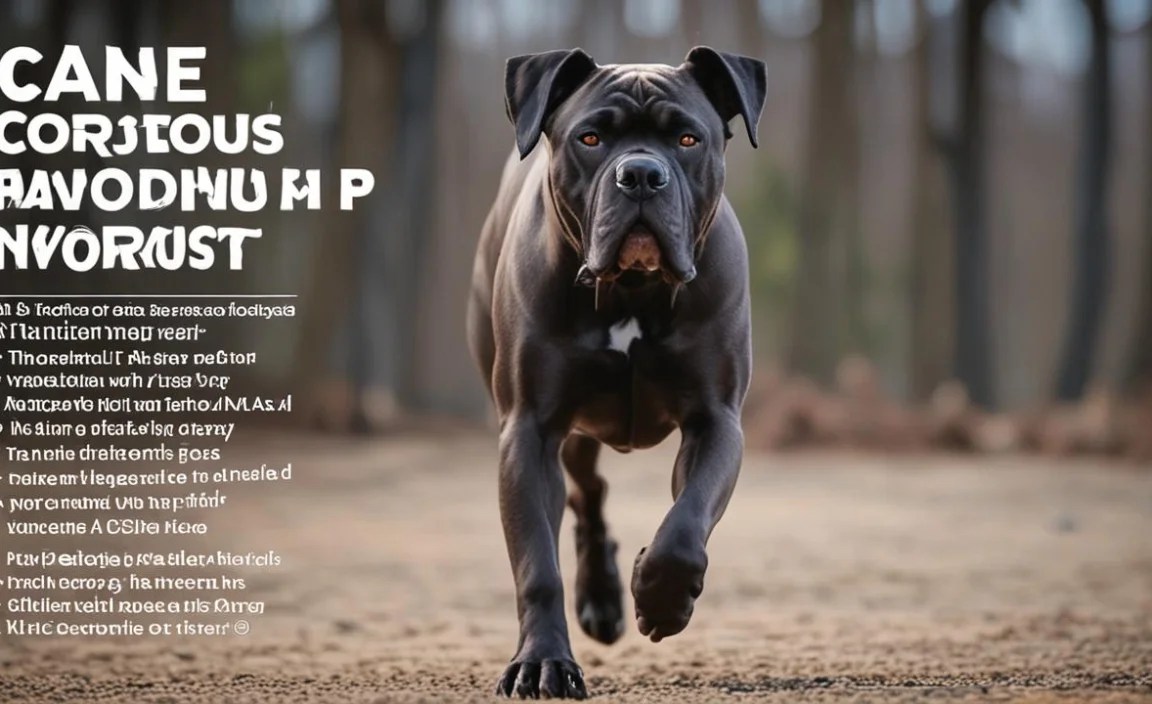
The Cane Corso is an athletic breed with significant energy reserves. While they aren’t hyperactive, they do need ample exercise to stay physically and mentally stimulated. A lack of proper exercise can lead to boredom, destructive behavior, and potentially increased anxiety or reactivity. This beginner plan focuses on building stamina, strengthening your bond, and channeling their natural instincts positively.
Phase 1: Puppyhood (3-9 Months) – Foundation Building
During this critical period, the focus is on gentle exercise, continued socialization, and introducing basic training concepts. Avoid strenuous activities that could harm developing joints. Consult with your veterinarian regarding the appropriate amount of exercise based on your puppy’s specific development.
Daily Routine Example (Puppyhood):
| Time | Activity | Duration/Notes |
|---|---|---|
| Morning | Potty Break & Gentle Play | 5-10 minutes |
| Mid-Morning | Short walk (slow pace) or backyard exploration | 10-15 minutes |
| Afternoon | Short training session (basic commands) & Mental Stimulation (puzzle toys) | 5-10 minutes each |
| Late Afternoon | Potty Break & Socialization opportunity (controlled with mature dogs/people) | 15-20 minutes |
| Evening | Potty Break & Wind-down; gentle play | 10 minutes |
| Night | Final potty break | Brief |
Key Activities for Puppies:
- Short, Slow Walks: Focus on exploring their surroundings and sniffing.
- Play with Appropriate Toys: Chew toys, puzzle feeders, and soft toys for gentle play.
- Basic Obedience: Introduce sit, down, and name recognition.
- Mental Stimulation: Puzzle toys, scent games (hiding treats), and teaching simple tricks.
- Controlled Socialization: Exposure to different people, places, and sounds in a positive way.
Phase 2: Adolescent (9-18 Months) – Building Stamina and Control
As your Cane Corso matures, you can gradually increase the duration and intensity of exercises. This is when they develop more stamina and may start testing boundaries. Consistent training and structured exercise are crucial to channeling their energy appropriately. Always monitor for fatigue and adjust as needed.
Weekly Workout Plan Example (Adolescent):
- Daily Walks: Aim for two 20-30 minute walks per day. Start incorporating some structured leash training during these walks, focusing on loose-leash walking.
- Structured Play: Dedicate 15-20 minutes daily to interactive play like fetch, tug-of-war (with clear rules, like “drop it”), or chase.
- Training Sessions: Continue with basic obedience, expanding to longer durations or introducing new commands. Practice recall in a safe, fenced area. Aim for two 10-15 minute sessions daily.
- Weekend Activities (Once vet-approved for longer durations):
- Longer Hikes: Gradually increase hike duration to 45-60 minutes on moderate terrain. Ensure you bring water for your dog.
- Swimming: If your Cane Corso enjoys water and it’s safe, swimming is excellent low-impact exercise. Supervise closely.
- Canine Sports Introduction: Consider introductory classes for agility or scent work. These provide mental and physical challenges.
- Mental Stimulation: Continue using puzzle toys, introduce new scent games, and practice “stay” with increasing distractions.
Advanced Obedience and Impulse Control:
Introduce commands like “place” (go to your mat and stay) and practice “wait” before eating or going through doors. These exercises teach self-control and reinforce your leadership. Websites like the American Kennel Club (AKC) offer valuable resources on breed standards and training tips for responsible ownership.
Phase 3: Adult (18+ Months) – Maintaining Fitness and Behavior
Your adult Cane Corso will have established their physical and mental capabilities. The goal now is to maintain their fitness and continue reinforcing good behavior. Consistency is still key, but you can introduce more variety and length into their exercise routines. Remember, even well-trained dogs can benefit from routine mental stimulation to prevent boredom.
Daily & Weekly Routine Example (Adult):
| Day | Morning Activity | Afternoon Activity | Evening Activity |
|---|---|---|---|
| Monday | 30-45 min brisk walk: focus on loose-leash walking. | 20 min training session: reinforce commands, practice new tricks. | 20 min interactive play (fetch/tug). |
| Tuesday | 45 min – 1 hour hike or longer walk. | 15 min puzzle toy/food dispensing toy. | 20 min obedience review. |
| Wednesday | 30 min walk; incorporate some structured agility obstacles (if available and safe). | 25 min dog park visit (supervised, with known, friendly dogs) or secure playdate. | 15 min scent work game. |
| Thursday | 40 min walk; practice impulse control exercises (e.g., waiting for leash removal). | 20 min training session; focus on advanced commands or reliability. | 20 min fetch or tug-of-war. |
| Friday | 30-45 min leisurely walk focusing on exploration and sniffing. | 15 min puzzle toy. | 15 min gentle grooming and petting. |
| Saturday | 60-90 minute hike or outdoor adventure (kayaking, beach visit – weather permitting). | Rest or light play. | Light play or relaxation. |
| Sunday | 40 min bikejoring (if trained and appropriate gear) or long walk. | 20 min training refresher; focus on fun. | 20 min interactive play. |
Important Considerations for Adult Exercise:
- Listen to Your Dog: Watch for signs of fatigue like excessive panting, lagging behind, or reduced responsiveness.
- Vary Activities: Keep things interesting to prevent boredom. Introduce new walking routes, different play styles, or dog-friendly events.
- Mental Exercises: Continue to incorporate puzzle toys, scent games, and training. The Canine Good Citizen (CGC) program from the AKC is a great goal for establishing good manners and can involve advanced training.
- Hydration: Always ensure fresh water is available, especially during warmer weather or longer exercise sessions.
- Watch Your Dog’s Weight: Regular exercise is also crucial for maintaining a healthy weight, which contributes to overall well-being. Resources on canine nutrition from institutions like The University of Georgia’s College of Veterinary Medicine can be helpful.
Gear Up for Success: Essential Equipment for Cane Corso Workouts

Having the right gear makes workouts safer and more enjoyable for both you and your Cane Corso. For a powerful breed like the Cane Corso, investing in quality and appropriate equipment is essential.
Must-Have Equipment:
- Sturdy Leash: A 6-foot, durable leash made of nylon or biothane is ideal for walks and training. Avoid retractable leashes, as they offer less control.
- Comfortable Collar or Harness: For training and walks, a well-fitting flat collar is usually sufficient for well-trained dogs. However, for training impulse control or if your dog pulls, a well-fitted front-clip harness can be very effective. Consider a martingale collar for dogs with heads narrower than their necks, ensuring a snug fit without choking. Always ensure a proper fit.
- High-Value Treats: Small, tasty treats are crucial for positive reinforcement training. Have them easily accessible in a treat pouch.
- Water Bottle and Bowl: Essential for hydration on longer outings. Collapsible bowls are convenient.
- Poop Bags: Always be prepared to clean up after your dog.
- Durable Chew Toys: For downtime and mental stimulation.
- Puzzle Feeders/Food Dispensing Toys: Excellent for mental enrichment.


