Brushing a Cane Corso isn’t about managing a “dangerous dog”; it’s about gentle grooming for a powerful breed. Learn safe handling, the right tools, and positive reinforcement to make brushing a bonding experience, not a battle.
When you think about owning a Cane Corso, you probably envision their magnificent muscular build and protective nature. These dogs are truly impressive! But sometimes, the thought of grooming them, especially something as routine as brushing, can feel a bit daunting.
Will they tolerate it? How do you do it safely? It’s a common concern for new owners, but here’s the great news: with the right approach, brushing your Cane Corso can become a calm, positive, and even enjoyable part of your routine. We’ll walk you through it, step by step, ensuring you and your gentle giant can bond during grooming time.
Understanding Cane Corso Brushing Needs
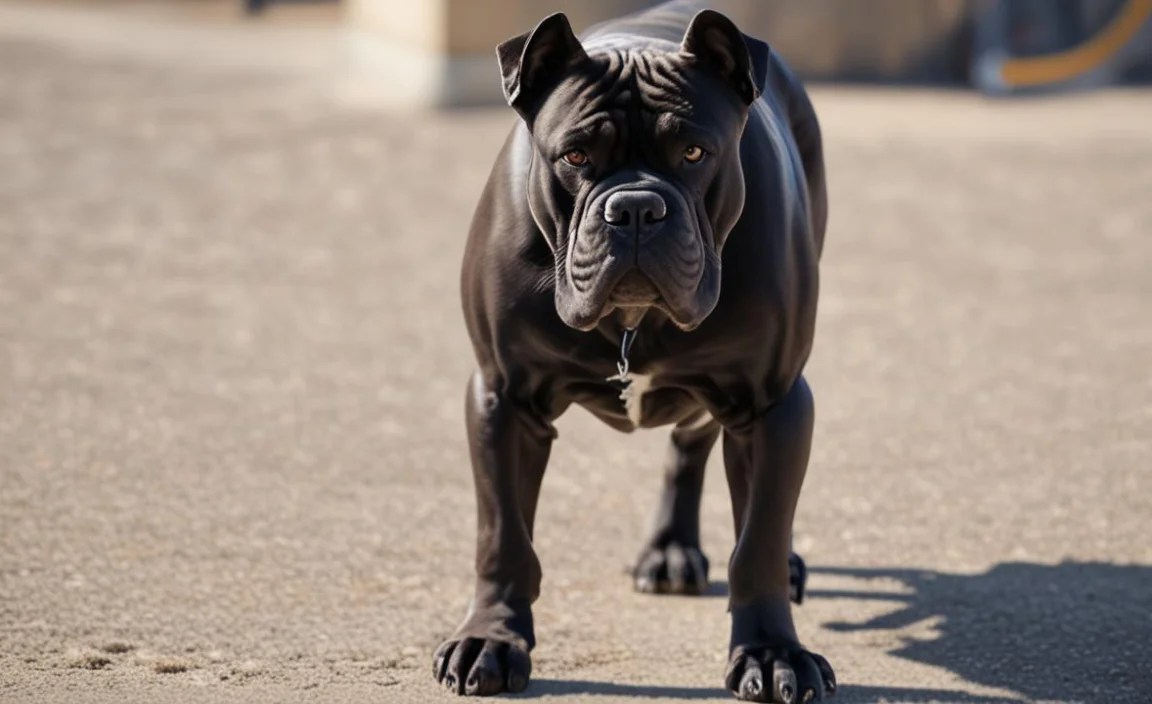
Cane Corsos have a short but dense double coat. This means they have both a soft undercoat and a coarser outercoat. While they don’t have the long, flowing hair of some breeds, they do shed, especially during seasonal changes. Regular brushing is crucial for managing this shedding, keeping their skin healthy, and preventing matting (though matting is less of a concern with their short coat than with longer-haired breeds). It’s also an excellent opportunity to check for any lumps, bumps, ticks, or skin irritations.
The “dangerous dog” association often comes from their powerful build and protective instincts, not their temperaments as pets. A well-raised, well-socialized Cane Corso is a loyal and loving companion. Brushing, when introduced correctly and positively, helps build trust and reinforces your bond, showing your dog that hands-on interaction is safe and pleasant.
Why Regular Brushing is Essential for Your Cane Corso

- Shedding Control: Cane Corsos shed moderately year-round and heavily during spring and fall. Brushing removes loose undercoat hair before it ends up on your furniture and clothes.
- Skin Health: It distributes natural oils, promoting a healthy, shiny coat and preventing dry, flaky skin. It also allows you to spot potential skin issues early.
- Bonding Time: Gentle, positive brushing sessions strengthen your connection with your dog. It’s a quiet time to interact and build trust.
- Parasite Detection: You can easily check for fleas, ticks, and other parasites that might be hiding in their fur.
- Comfort: Removing loose hair helps keep your dog more comfortable, especially in warmer weather.
Choosing the Right Brushing Tools

Selecting the correct tools is key to making brushing effective and enjoyable for both you and your Cane Corso. For their double coat, a combination of tools often works best.
Recommended Brushing Tools for Cane Corsos:
- Slicker Brush: These brushes have fine, short wires arranged closely together. They are excellent for removing loose undercoat and small tangles. Look for one with rubber-tipped pins to avoid scratching your dog’s skin.
- Bristle Brush: A medium-stiff bristle brush can help smooth the coat and remove surface dirt and loose hair.
- Deshedding Tool (e.g., Furminator): These tools are designed to reach deep into the coat and remove the undercoat without damaging the topcoat. Use them sparingly, as over-use can be harsh. Follow the manufacturer’s instructions carefully.
- Grooming Gloves: For very sensitive dogs or as a starting point, grooming gloves can be a gentle way to get your dog used to being touched all over and help pick up some loose hair.
- Metal Comb: A wide-toothed metal comb is useful for getting through any thicker areas and ensuring there are no hidden tangles, especially after using a slicker brush.
Tools to Avoid (or Use with Extreme Caution):
- Pin Brushes: While good for some breeds, the pins can be too harsh for a Cane Corso’s sensitive skin if not used carefully.
- Curry Combs: Generally too harsh for a short-coated breed like the Cane Corso, they can irritate the skin.
- Blade-style deshedders: Unless specifically designed for short coats and used by an experienced groomer, these can easily cut the dog’s skin.
Introducing Brushing to Your Cane Corso: A Step-by-Step Approach

The most crucial aspect of dealing with a powerful breed like the Cane Corso is positive association. If your dog perceives brushing as unpleasant, it can lead to resistance. Patience and consistency are your best friends here.
Step 1: Start Early and Gradual
If you have a puppy, introduce brushing as soon as possible. Even just a few seconds of touching them with a brush, paired with a treat, can build a positive foundation. For adult dogs, take it even slower.
Step 2: Make it a Positive Experience
Always approach your dog calmly. Have high-value treats ready (small pieces of cheese, cooked chicken, or special dog treats they love). Start by just letting them see and sniff the brush.
Step 3: Short Sessions, Big Rewards
Begin by gently touching your dog with the brush for just a few seconds. As soon as you stop, give a treat and praise. If your dog remains calm, gradually increase the duration of brushing.
Step 4: Focus on Sensitive Areas First
Some dogs are sensitive on their legs, paws, or belly. Start with areas they are usually comfortable with, like their back or sides. Once they are relaxed, slowly extend to other areas.
Step 5: Observe and Adjust
Pay close attention to your dog’s body language. If they show signs of stress (lip licking, yawning, whale eye, tucked tail, stiffness), you’ve gone too far, too fast. End the session on a positive note with a treat and try again with shorter duration or less pressure next time.
Step 6: Integrate into Routine
Aim for short, frequent sessions (e.g., 5 minutes daily or every other day) rather than one long, infrequent session. This keeps brushing from becoming a chore and reinforces the positive association.
The Actual Brushing Process: Technique Matters
Once your Cane Corso is comfortable with the tools and the idea of being brushed, you can move on to the actual grooming.
Step-by-Step Brushing Guide:
- Preparation: Choose a calm time and place. Have your tools and treats ready. Ensure your dog is relaxed, perhaps after a walk or playtime.
- Initial Pass with Slicker Brush: Start with the slicker brush. Gently brush in the direction of hair growth. Use short, light strokes. Focus on broad areas like the back, sides, and hindquarters first. Avoid pressing too hard, as this can irritate the skin.
- Address Undercoat: For shedding season, a deshedding tool can be very effective. Gently pull the tool through the coat in the direction of hair growth. Be careful not to snag or pull at the skin. These tools remove a lot of hair quickly, so use them in shorter bursts.
- Tidy Up with Bristle Brush or Comb: Follow up with a bristle brush or a metal comb to smooth the coat and pick up any remaining loose hairs. This also helps distribute natural oils for a beautiful sheen.
- Legs and Chest: Be extra gentle when brushing the legs, chest, and belly. These areas can be more sensitive. Use lighter strokes and ensure your dog is comfortable.
- Face and Head: Use a soft bristle brush or a damp cloth to gently wipe the face. Avoid brushing too close to the eyes and ears.
- Check for Issues: Throughout the process, take moments to feel your dog’s skin. Look for any fleas, ticks, lumps, or areas of irritation.
- Reward and Praise: End every session with enthusiastic praise and a high-value treat. Make sure your dog feels accomplished!
Brushing Frequency and What to Expect
The ideal brushing schedule for a Cane Corso can vary slightly depending on the season and your dog’s individual coat, but here’s a general guideline:
- Year-Round: Aim for brushing at least 2-3 times per week. This helps manage normal shedding and keeps the coat healthy.
- Shedding Season (Spring/Fall): You might need to increase to daily brushing for short periods. During these times, the undercoat sheds heavily, and a deshedding tool will be your best friend.
What to Expect:
- Amount of Hair: You will be surprised by how much hair comes off, especially during shedding season. This is normal!
- Dog’s Reaction: With positive reinforcement, most Cane Corsos will learn to tolerate, and even enjoy, brushing. Some may become quite relaxed and look forward to it. Others might remain a bit stoic but cooperate.
- Skin Sensitivity: Always be mindful of your dog’s skin. If you notice redness, irritation, or your dog seems painful, stop and consult your veterinarian.
Table: Brushing Tools Comparison for Cane Corsos
| Tool | Purpose | Pros | Cons | Frequency of Use |
|---|---|---|---|---|
| Slicker Brush | Removes loose undercoat, small tangles | Effective for dense coats, good for general grooming | Can be too harsh if used with too much pressure | 2-3 times per week |
| Deshedding Tool | Removes large amounts of loose undercoat | Highly effective during shedding season | Can be harsh if overused; may strip too much hair | 1-2 times per week (especially during shedding season), use sparingly |
| Bristle Brush | Smooths coat, removes surface dirt | Distributes natural oils, adds shine | Less effective for deep undercoat | After using other tools, or as a gentle finishing brush |
| Grooming Glove | Gentle grooming, picks up surface hair | Excellent for sensitive dogs or initial introductions | Not effective for heavy shedding or tangles | Daily, or as needed for comfort |
| Metal Comb (Wide-tooth) | Ensures no tangles, checks for mats | Gets through thicker areas, thorough inspection | Can snag if there are minor tangles | As needed, especially after a full brush |
Addressing Potential Challenges
Even with the best intentions, you might encounter some challenges when brushing your Cane Corso. It’s important to address these patiently and positively.
If Your Cane Corso Becomes Restless:
- Keep Sessions Short: End the session before your dog gets bored or agitated.
- Increase Rewards: Use even higher-value treats and more frequent rewards.
- Change Location: Sometimes a different environment can help. Try brushing outside on a calm day.
- Incorporate Play: Make it a game! Brush for a few seconds, throw a toy, repeat.
- Desensitization and Counter-Conditioning: If restlessness is a significant issue, you might need to go back a few steps. Simply have the brush present during positive activities (like mealtime or petting) without even touching the dog. Gradually introduce touch. Resources like the ASPCA’s guide to desensitization can offer valuable techniques.
If Your Cane Corso Seems Fearful or Anxious:
Fear is different from restlessness. If your dog is showing clear signs of fear (trembling, hiding, attempting to escape), they need a more sensitive approach:
- Go Back to Basics: Reintroduce the brush slowly. Let it be part of their environment without pressure.
- Associate Brush with Good Things: Place the brush near their food bowl, or give treats when they are near the brush.
- Very Light Touch: Start with just touching them with your hand while holding the brush, then progress to the very lightest brush stroke while simultaneously giving a treat.
- Professional Help: If fear is persistent, consider consulting a certified professional dog trainer who uses positive reinforcement methods. They can help identify the root of the fear and develop a tailored plan.
Handling Nipped or Snappy Behavior:
This is rare in well-socialized Cane Corsos when brushing is introduced correctly. If it happens, it’s a strong signal that your dog is overwhelmed or uncomfortable. Immediately stop the grooming session. Never punish this behavior, as it can increase fear and anxiety. Instead, revisit the initial desensitization steps and consult with a professional trainer. Ensure you are not accidentally causing discomfort with too much pressure or by snagging their coat. You can learn more about canine body language from organizations like the American Veterinary Society of Animal Behavior (AVSAB).
Beyond Brushing: Full Grooming for Your Cane Corso
While brushing is a primary grooming need, a well-cared-for Cane Corso also benefits from other aspects of grooming:
- Nail Trimming: Regularly trim their nails to prevent overgrowth, which can affect their gait and cause pain. Start this early with puppies to get them used to it.
- Ear Cleaning: Check their ears regularly for any debris or signs of infection. Clean them gently with a veterinarian-approved ear cleaner.
- Dental Care: Brushing their teeth with dog-specific toothpaste is vital for preventing dental disease.
- Bathing: Cane Corsos don’t need frequent baths; over-bathing can strip natural oils. A bath every 1-3 months, or as needed, is usually sufficient, using a gentle dog shampoo.
Consistent grooming, including regular brushing, contributes to your Cane Corso’s overall health and well-being, making them a more comfortable and content companion. Always research breed-specific needs, and when in doubt, consult with your veterinarian or a professional groomer.
Frequently Asked Questions About Cane Corso Brushing
Q1: How often should I brush my Cane Corso?
A1: For a Cane Corso, aim to brush at least 2-3 times per week. During heavy shedding seasons (spring and fall), you may need to increase this to daily for short periods to manage the excess undercoat.
Q2: What is the best brush for a Cane Corso?
A2: A slicker brush is excellent for general grooming and removing loose fur, while a deshedding tool is highly effective during shedding periods. A bristle brush or grooming glove can also be useful for finishing and for sensitive dogs.
Q3: My Cane Corso seems to dislike being brushed. What can I do?
A3: Start slowly with short sessions, plenty of high-value treats, and praise. Make the experience positive. If your dog shows signs of fear or anxiety, go back to desensitization techniques, associating the brush with good things without actually brushing at first. Never force it.
Q4: How do I handle shedding with my Cane Corso?
A4: Regular brushing, especially with a deshedding tool during shedding seasons, is the best way to manage shedding. This removes loose fur before it falls out around your home. You can also use grooming gloves for daily touch-ups.
Q5: Can I use a curry comb on my Cane Corso?
A5: It’s generally not recommended to use standard metal curry combs on a Cane Corso. Their short coat and sensitive skin can be easily irritated by this type of tool. Stick to slicker brushes, deshedding tools, and bristle brushes.
Q6: How do I check for parasites while brushing?
A6: As you brush, run your fingers through your dog’s coat, especially around the neck, ears, and tail base. Part the fur to look for fleas, ticks, or any unusual skin reactions. Brushing helps you systematically check their entire body.
Conclusion
Brushing your Cane Corso is a vital part of their care, contributing to their health, comfort, and your bond. By understanding their coat type, selecting the right tools, and most importantly, approaching grooming with patience and positive reinforcement, you can transform a potentially stressful task into a rewarding ritual. Remember to start gradually, observe your dog’s cues, and celebrate small victories. With consistent effort, your Cane Corso will not only look and feel their best but also trust you implicitly during these intimate care moments. Happy grooming!


