For Cane Corsos, “dangerous” dog food isn’t about specific brands being inherently evil, but about providing the wrong nutrition that can lead to health problems. Essential nutrition focuses on high-quality protein, balanced fats, essential vitamins, and minerals tailored to their large breed needs to prevent issues like joint problems and obesity.
Are you concerned about whether your Cane Corso’s food could be harmful? It’s a common worry for many dog owners, especially with so many options on the market. Understanding what makes a dog food suitable, and what to avoid, is key to keeping your gentle giant healthy and happy. Many people feel overwhelmed by ingredient lists and marketing claims, leading to anxiety about making the right choice. But don’t worry, it’s simpler than you think! This guide will walk you through exactly what your Cane Corso needs to thrive, transforming confusion into confidence. We’ll break down the essentials of canine nutrition, focusing on what truly matters for this powerful and loving breed.
Understanding Cane Corso Nutritional Needs
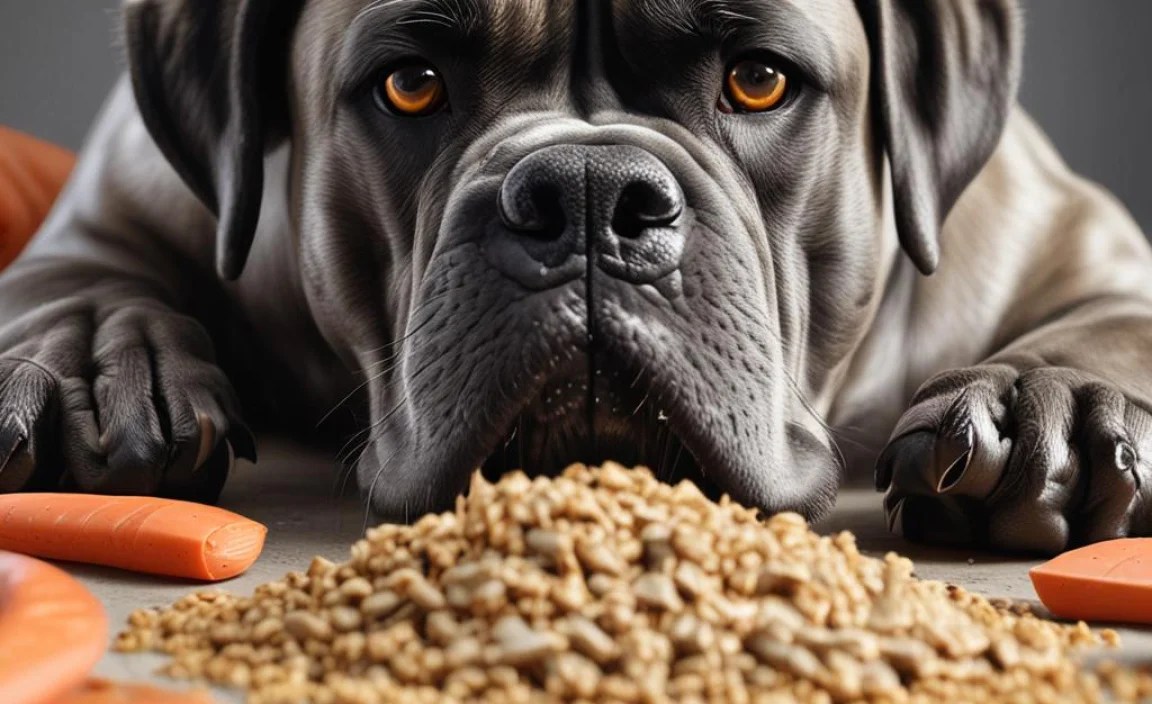
The Cane Corso, a majestic and powerful breed, has unique dietary requirements that are crucial to understand for their overall health and well-being. These dogs are built for strength and have specific needs that differ from smaller or less active breeds. Their lineage as working dogs means they have a robust physical presence, and their diet needs to support their large frame, muscle mass, and energetic nature.
Feeding your Cane Corso a balanced and appropriate diet is one of the most impactful ways you can contribute to their long-term health. The right nutrition can help prevent common issues specific to large breeds, such as skeletal problems, joint issues, and weight management challenges. Conversely, an inappropriate diet can exacerbate these risks or lead to other health complications.
This section will explore the fundamental nutritional components that are vital for your Cane Corso. We’ll delve into macronutrients like protein and fats, the role of carbohydrates, and the importance of essential vitamins and minerals. By understanding these building blocks, you’ll be well-equipped to make informed decisions about the food you choose for your canine companion.
The Role of Protein in a Cane Corso’s Diet
Protein is the cornerstone of your Cane Corso’s diet. As a large, muscular breed, they require a significant amount of high-quality protein to build and maintain strong muscles, support tissue repair, and produce enzymes and hormones essential for body functions. Think of protein as the building blocks for their entire body!
When selecting dog food, look for a primary protein source listed among the first few ingredients. Ideal sources include:
- Chicken
- Turkey
- Beef
- Lamb
- Fish (like salmon or whitefish)
These animal-based proteins provide a complete amino acid profile, meaning they contain all the essential amino acids your dog needs, which their body cannot produce on its own. It’s important to distinguish between the quality of protein sources. While some foods might list “meat by-products,” reputable brands will specify a named meat source, indicating better quality control and digestibility.
A good quality dog food for a Cane Corso should typically contain around 20-30% protein. However, the exact requirements can vary based on age, activity level, and any specific health conditions your dog may have. Puppies and very active adult dogs will generally need a higher protein content to support growth and energy expenditure.
The source of protein is also critical. Highly digestible protein sources are easier for your dog to process and absorb, leading to better nutrient utilization and fewer digestive upsets. Brands that invest in rigorous testing and sourcing practices often provide superior protein for your Cane Corso.
Fats for Energy and Health
Dietary fats are another essential macronutrient that plays a vital role in your Cane Corso’s health. Fats are a concentrated source of energy, providing more than double the calories per gram compared to protein or carbohydrates. This is especially important for energetic breeds like the Cane Corso.
Beyond just energy, fats are crucial for:
- Skin and Coat Health: Essential fatty acids, particularly Omega-3 and Omega-6, contribute to a healthy, shiny coat and supple skin. This helps prevent dryness, itching, and excessive shedding.
- Nutrient Absorption: Fats are necessary for the absorption of fat-soluble vitamins (A, D, E, and K), which are vital for various bodily functions.
- Brain Development and Function: Omega-3 fatty acids, such as DHA, are important for cognitive function and development, particularly in puppies.
Healthy fat sources in dog food include animal fats (like chicken fat or beef fat) and plant-based oils (like sunflower oil or flaxseed oil). Look for foods that specify these ingredients rather than generic “animal fat.”
The fat content in a Cane Corso’s food typically ranges from 10-20%, depending on their life stage and activity level. Overfeeding fats can lead to obesity, so it’s essential to monitor your dog’s weight and adjust portion sizes accordingly. Conversely, too little fat can result in a dull coat and dry skin.
For large breeds like the Cane Corso, diets that include specific omega fatty acid ratios are often recommended to support joint health, further emphasizing the importance of carefully selected fat sources.
Avoiding “Dangerous” Ingredients: What to Watch Out For

When we talk about “dangerous” dog food for a Cane Corso, it’s not usually about a single ingredient being toxic (though some human foods are). Instead, it’s about ingredients that can lead to health issues over time due to poor quality, lack of nutritional value, or potential for allergic reactions and digestive upset. Building a strong foundation of health starts with knowing what to leave on the shelf.
The phrase “dangerous dog food” can be misleading. It’s more about identifying ingredients that can hinder your Cane Corso’s development, contribute to chronic health problems, or simply offer very little nutritional benefit. For a large breed like the Cane Corso, issues like developmental orthopedic disease, obesity, and allergies can be significantly influenced by their diet.
Let’s explore the types of ingredients and components that you should be wary of when choosing food for your Cane Corso.
Fillers and Low-Quality Carbohydrates
Many commercial dog foods use fillers to bulk up the product, making it cheaper to produce. While carbohydrates are a necessary part of a dog’s diet for energy, the type and quality of carbohydrates matter immensely. Low-quality fillers provide minimal nutritional value and can contribute to weight gain without offering sustained energy or essential nutrients.
Be cautious of foods that list these as primary ingredients:
- Corn, Wheat, and Soy: While not inherently dangerous for all dogs, these are common allergens and can be less digestible for some. More importantly, when they appear high on the ingredient list, it often means there’s less room for high-quality protein and other beneficial ingredients.
- Generic “Grains”: Vague terms like “grain meal” or “animal by-products” can indicate lower-quality ingredients that are less digestible and nutrient-dense.
- Excessive Starch: Ingredients like potato starch, tapioca, or peas used in very high quantities might contribute to a high carbohydrate load without supporting lean muscle mass.
Instead, opt for foods that use digestible carbohydrate sources like sweet potatoes, barley, brown rice, or oats, which provide fiber and sustained energy. These are often found lower on the ingredient list or in formulas specifically designed for sensitive stomachs or optimal digestion.
Artificial Additives and Preservatives
Artificial ingredients are often used to enhance the color, flavor, or shelf-life of dog food. While most are considered safe in small amounts, some owners prefer to avoid them altogether, especially for dogs with sensitivities or those prone to certain health issues. For a large, powerful breed like the Cane Corso, it’s prudent to choose foods that are as natural as possible.
Look out for:
- Artificial Colors: These provide no nutritional benefit and can sometimes trigger allergic reactions or hyperactivity in sensitive dogs.
- Artificial Flavors: Similar to colors, they are used for palatability but offer no health advantages.
- Artificial Preservatives: Ingredients like BHA, BHT, and ethoxyquin are synthetic preservatives. While approved by regulatory bodies, some owners prefer natural preservatives derived from antioxidants like tocopherols (Vitamin E) or rosemary extract.
These additives can sometimes be hidden under various chemical names, so reading labels carefully is key. Opting for foods that use natural preservatives will promote a more wholesome diet for your Cane Corso.
Questionable Protein Sources
As mentioned, the quality and source of protein are paramount. “Dangerous” in this context means protein that isn’t easily digestible, is derived from low-quality animal parts, or is present in insufficient quantities.
Avoid dog foods where the primary protein sources are:
- Generic Meat By-Products: While by-products can be nutritious (like organ meats), vague terms like “meat by-products” often lack specificity. This can mean they are from less desirable or lower-quality sources.
- Poultry By-Product Meal: Similar to meat by-products, this is a less defined ingredient.
- Unspecified “Animal Meal”: This offers no clue as to the animal source or quality of the protein.
When reviewing ingredient lists, aim for named, high-quality protein sources like “Deboned Chicken,” “Chicken Meal,” “Lamb Meal,” or “Salmon.” These indicate that the manufacturer is being transparent about the ingredients used and their quality.
Allergens and Sensitivities
Just like humans, dogs can develop allergies or sensitivities to certain ingredients. For Cane Corsos, common culprits include wheat, corn, soy, dairy, and certain protein sources like chicken or beef. Introducing these ingredients in lower quality forms (as fillers) can also contribute to digestive upset.
Signs of food allergies or sensitivities in dogs can include:
- Itchy skin, redness, or rash
- Ear infections
- Chronic digestive issues (vomiting, diarrhea)
- Lethargy
If you suspect your Cane Corso has a food sensitivity, consult your veterinarian. They may recommend a limited ingredient diet or a novel protein source. Even without a diagnosed allergy, avoiding ingredients that are common triggers can contribute to a happier, healthier dog.
Essential Nutrients for Cane Corso Puppies

The early stages of a Cane Corso’s life are critical for development, especially for a large breed. Nutritional support during puppyhood lays the foundation for healthy growth, strong bones, and robust immune function. Incorrect nutrition during this phase can lead to irreversible developmental issues.
Cane Corso puppies grow rapidly, and their food must be formulated to support this growth without accelerating it too much, which can lead to orthopedic problems.
Controlled Calcium and Phosphorus Levels
This is arguably the MOST critical nutritional aspect for large breed puppies. An imbalance in calcium and phosphorus, or feeding too much calcium, can lead to:
- Developmental Orthopedic Diseases (DOD): This umbrella term includes conditions like hip dysplasia, elbow dysplasia, osteochondritis dissecans (OCD), and retained placenta.
- Rapid Bone Growth: The skeleton needs to grow at a controlled rate to allow soft tissues and joints to develop properly alongside the bones.
Reputable large-breed puppy foods are formulated with specific ratios of calcium and phosphorus to promote healthy skeletal development. It is generally NOT recommended to supplement calcium or phosphorus unless specifically advised by a veterinarian, as it can easily throw off the delicate balance. Feeding a food specifically labeled for “large breed puppies” is your best bet.
According to the American College of Veterinary Nutrition (ACVN), “Optimal calcium and phosphorus ratios are crucial for bone development. Excess calcium can interfere with the absorption of other minerals and contribute to bone deformities.”
Appropriate Calorie Density and Fat Content
While puppies need energy to grow, Cane Corso puppies are prone to getting overweight quickly, which puts undue stress on their developing joints. Large breed puppy foods are formulated with slightly lower calorie density and a moderate fat content compared to standard puppy foods.
The goal is to achieve steady, controlled growth, not rapid weight gain. This typically means a fat content of around 12-16% for large breed puppy formulas.
It’s essential to follow the feeding guidelines on the food packaging as a starting point and adjust based on your puppy’s body condition. You should be able to feel their ribs without seeing them prominently, and they should have a visible waist when looking from above.
Beneficial Additives for Puppies
Beyond basic nutrition, some ingredients can offer specific benefits for growing Cane Corsos:
- Glucosamine and Chondroitin: These supplements are often included in large breed formulas to support joint health and cartilage development. While their effectiveness can vary, they can contribute to overall joint maintenance.
- DHA (Docosahexaenoic Acid): An Omega-3 fatty acid found in fish oil, DHA is vital for brain and eye development in puppies.
- Probiotics and Prebiotics: These support a healthy gut microbiome, aiding digestion and nutrient absorption, which is crucial for puppies with developing digestive systems.
When choosing a food, look for these added benefits, but always prioritize a balanced formulation from a reputable brand that meets AAFCO (Association of American Feed Control Officials) standards for growth.
Essential Nutrients for Adult Cane Corsos

Once your Cane Corso reaches adulthood, their nutritional needs shift from growth to maintenance. The focus is on sustaining lean muscle mass, maintaining a healthy weight, supporting energy levels, and promoting longevity. This is where selecting a high-quality adult formula becomes critical.
Adult Cane Corsos are robust dogs with significant muscle mass and energy requirements. Their diet needs to support these demands while also preventing the onset of common adult-onset health issues, particularly those related to their size and breed predispositions.
Maintaining Lean Muscle Mass
Protein remains a critical component for adult Cane Corsos. To maintain their impressive physique and strength, they require a diet rich in high-quality, animal-based proteins. Aim for a protein content typically between 20-26% in their adult food.
Look for named protein sources like:
- Chicken
- Turkey
- Lamb
- Beef
- Fish
The quality of the protein is just as important as the quantity. Digestible protein sources ensure that your dog’s body can effectively utilize the amino acids for muscle repair and maintenance.
Weight Management and Joint Support
Obesity is a significant health concern for large breeds like the Cane Corso, as it puts immense strain on their joints, heart, and overall body. A balanced adult food should strike a balance between providing enough energy and preventing excessive calorie intake.
Key aspects for adult weight management and joint health include:
- Controlled Fat Content: Adult foods typically have slightly higher fat content than puppy foods (12-18%) to support energy levels, but it must be managed to prevent weight gain.
- Fiber: Adequate fiber from sources like beet pulp, brown rice, or sweet potatoes helps dogs feel full for longer, aiding in weight management.
- Joint Support Nutrients: Many adult formulas for large breeds include glucosamine and chondroitin to support cartilage health and reduce inflammation, helping to keep your Cane Corso mobile and comfortable as they mature. Omega-3 fatty acids (EPA/DHA) also play a crucial role in managing inflammation and promoting joint health.
Monitoring your dog’s body condition score and adjusting portion sizes is vital. A veterinarian can help you determine the ideal weight for your Cane Corso and advise on appropriate feeding amounts.
Vitamins and Minerals for Overall Health
A well-rounded adult diet must also provide essential vitamins and minerals for numerous bodily functions:
- Vitamins: Include fat-soluble vitamins like A, D, E, and K, and water-soluble B vitamins. These are involved in everything from immune function and energy metabolism to bone health and cell protection.
- Minerals: Calcium and phosphorus are still important for bone health, but the ratio is less critical than in puppies. Other essential minerals include potassium, sodium, chloride, magnesium, iron, zinc, copper, manganese, selenium, and iodine.
Reputable dog food brands ensure their formulas are complete and balanced, meeting AAFCO nutrient profiles for adult maintenance. This means they provide the correct range and ratio of all essential micronutrients. Avoid foods that rely on vague “mineral blends” and opt for those that specify key minerals.
Choosing the Right Food: Key Features to Look For
Navigating the world of dog food can be overwhelming, but focusing on a few key indicators will help you find the best option for your Cane Corso. The goal is to find a food that is nutritionally sound, made with quality ingredients, and appropriate for your dog’s specific life stage and needs.
When you’re standing in the pet food aisle or browsing online, there are several things to look for that will signal a good choice for your large breed companion.
High-Quality, Named Protein Sources
This is non-negotiable. The first few ingredients on


