Quick Summary: Cane Corsos, while powerful, require diligent eye care to prevent common health issues. Gentle cleaning, regular checks, and prompt vet visits are key to keeping their beautiful eyes healthy and clear. Learn essential, easy tips to ensure your gentle giant’s vision is well-protected.
Cane Corso Eye Care: Keeping Your Gentle Giant’s Vision Clear

Cane Corsos are magnificent dogs, known for their loyalty and impressive presence. Like all breeds, they can be prone to certain eye conditions. Don’t let the idea of “dangerous dog eye care” worry you; it simply means being proactive about a strong breed’s unique needs. With a little know-how and gentle routine, you can help keep your Cane Corso’s eyes bright and healthy. This guide will walk you through simple, effective eye care practices, making it easy for any owner to manage.
We’ll cover everything from daily cleaning to recognizing signs of trouble, ensuring you feel confident in protecting your beloved companion’s vision. Let’s dive into how to keep those expressive Cane Corso eyes in top condition!
Understanding Cane Corso Eye Health

Cane Corsos, with their noble features, can sometimes experience specific eye concerns. Understanding these predispositions is the first step to providing excellent care. While they are strong, protective dogs, their eyes deserve special attention to prevent potential problems.
This breed is generally robust, but genetics can play a role in eye health. Common issues can include entropion, ectropion, cherry eye, and general irritation. Regular observation and proper care can significantly reduce the risk and impact of these conditions.
Common Cane Corso Eye Conditions
Knowing what to look for is crucial for early detection and treatment. Here are some of the more common eye issues seen in the Cane Corso breed:
- Entropion: This is a condition where the eyelid rolls inward, causing the lashes to rub against the surface of the eye. This can lead to irritation, pain, and potential corneal damage.
- Ectropion: The opposite of entropion, this is where the eyelid rolls outward, exposing the sensitive inner surface of the lid and the eye. This can lead to dryness and damage to the eye’s surface.
- Cherry Eye (Prolapsed Nictitating Membrane): This occurs when the gland of the third eyelid protrudes and becomes visible as a red, mass-like lump in the corner of the eye. It can affect tear production and may become irritated.
- Corneal Ulcers: These are open sores on the cornea, the clear front part of the eye. They can be caused by trauma (like scratches from debris or other dogs), or by underlying conditions like entropion.
- Conjunctivitis (Pink Eye): Inflammation of the conjunctiva, the membrane lining the eyelids and covering the white part of the eye. It can be caused by allergies, infections, irritants, or other underlying eye diseases. Symptoms often include redness, discharge, and squinting.
Early detection and prompt veterinary intervention are vital for managing these conditions effectively.
Essential Cane Corso Eye Care Routine
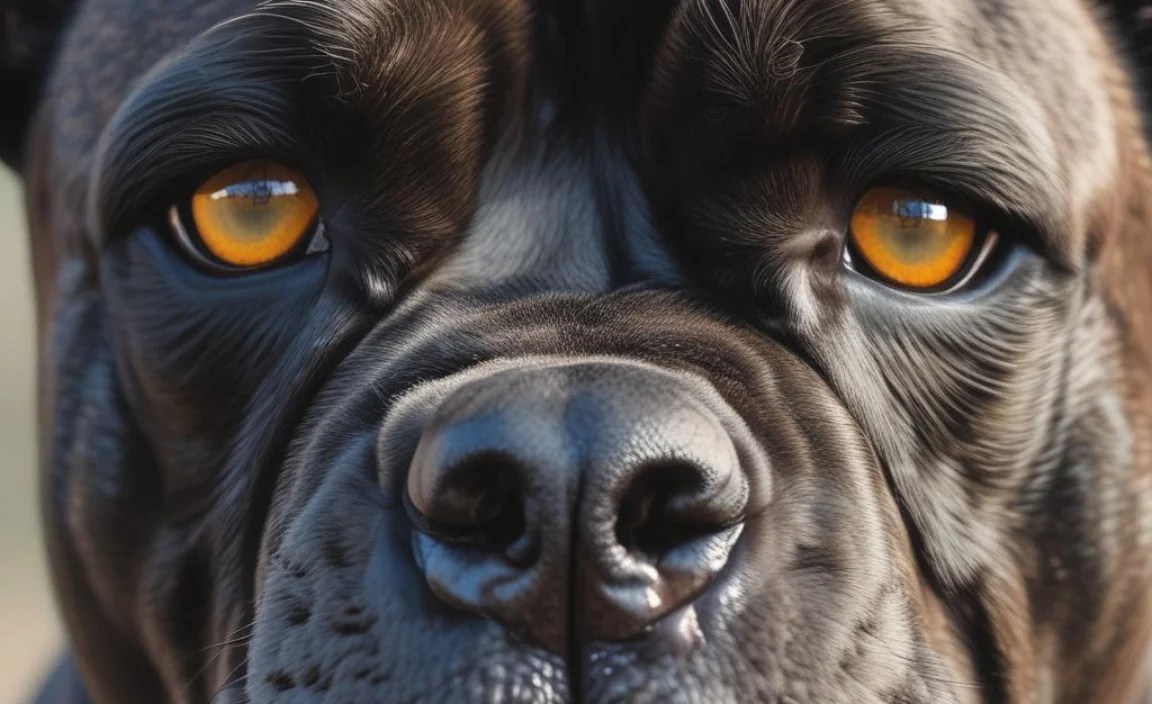
Establishing a consistent eye care routine is the most effective way to maintain your Cane Corso’s eye health. It doesn’t need to be complicated and can become a bonding experience for you and your dog.
The goal is to keep the area around the eyes clean, monitor for changes, and address any issues before they become serious. Remember to always be gentle; your dog’s eyes are delicate.
Daily Eye Cleaning: A Gentle Necessity
Many Cane Corsos develop tear staining or a slight discharge, especially around the corners of their eyes. Daily cleaning helps prevent this from building up, which can lead to skin irritation and infection.
What You’ll Need:
- Soft, lint-free cloths or cotton balls.
- Lukewarm (not hot) clean water. Alternatively, a veterinarian-approved canine eye cleaning solution can be used if recommended by your vet.
How to Clean:
- Dampen a cloth or cotton ball with warm water (or the approved solution). Make sure it’s not dripping wet.
- Gently wipe away any discharge or debris from the corners of your dog’s eyes. Use a clean part of the cloth or a new cotton ball for each eye to avoid spreading potential infections.
- Be very careful not to touch the eyeball itself. Focus on the area where the eye meets the eyelid and any staining beneath the eye.
- If you notice significant staining, discuss safe and effective products with your veterinarian. Never use human eye drops or cleaning solutions unless specifically directed by your vet.
It’s important to make this a positive experience. Offer praise and a treat afterward to help your Cane Corso associate eye cleaning with good things.
Weekly Eye Examination: Be Observant
Once a week, take a few quiet moments to thoroughly examine your Cane Corso’s eyes. This isn’t about cleaning, but about observation. You’re looking for any changes that might indicate a problem.
What to Look For During a Weekly Check:
- Redness: Is the white part of the eye (sclera) or the inner lining of the eyelids (conjunctiva) unusually red?
- Discharge: Is there more discharge than usual? Is it thick, yellowish, or greenish (which can indicate infection), or is it clear and watery?
- Cloudiness: Does the cornea (the clear outer layer) appear hazy or cloudy?
- Squinting or Excessive Blinking: Is your dog frequently closing or partially closing one eye, or blinking more than normal? This is often a sign of pain or irritation.
- Swelling: Are the eyelids or the area around the eyes swollen?
- Foreign Objects: Do you see any dust, grass seeds, or other debris in the eye or on the surrounding fur?
- Color Changes: Has anything changed in the color of the iris (the colored part of the eye)?
If you notice any of these signs, it’s time to schedule a visit with your veterinarian. Early detection is key to successful treatment.
Recognizing and Responding to Eye Emergencies
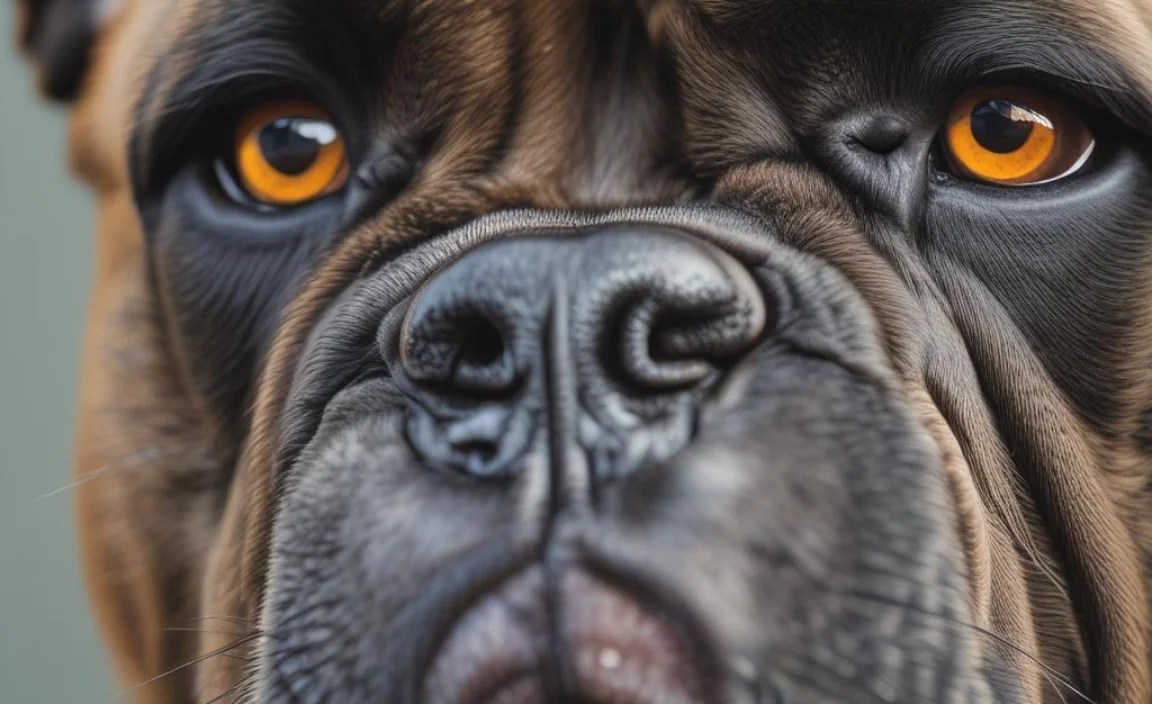
While daily and weekly checks help prevent issues, sometimes emergencies happen. Knowing how to respond quickly can make a significant difference in saving your dog’s vision.
If you suspect an eye emergency, contact your veterinarian or an emergency animal hospital immediately. Do not attempt to treat a serious eye condition at home without professional guidance.
When to Seek Immediate Veterinary Care
Certain symptoms warrant an urgent trip to the vet. These are signs that something is seriously wrong and requires professional diagnosis and treatment.
Signs of an Eye Emergency:
- Sudden vision loss (bumping into things, not seeing well).
- Severe pain indicated by excessive pawing at the eye, howling, or extreme sensitivity to touch.
- A noticeable change in pupil size or shape.
- A bulging or protruding eyeball.
- Severe, sudden swelling of the eye or eyelids.
- A visible wound or laceration on the eye.
- A bright red eye with significant discharge.
- Significant cloudiness or a milky appearance to the eye.
Remember to try and keep your dog calm during transport. If possible, shield the affected eye from bright lights.
First Aid for Minor Eye Irritations
For very minor irritations, like a bit of dust that you can clearly see and your dog is not in distress, you might be able to offer gentle first aid while awaiting vet advice.
Safe First Aid Steps for Minor Irritations:
- Calm your dog: Speak in a soothing voice.
- Assess the situation: Can you see a foreign object? Is your dog in pain?
- Gentle rinsing (if advised): If your vet has indicated it’s safe and necessary, you can use a sterile eyewash solution specifically for dogs. Gently irrigate the eye with a small amount of solution to try and flush out minor debris. Do not use tap water or anything not intended for canine eyes.
- Avoid rubbing: Never let your dog (or yourself) rub the eye, as this can cause further damage.
- Contact your vet: Even after minor first aid, it’s wise to call your vet to ensure no underlying damage has occurred.
Important Note: Never use medicated eye drops or ointments intended for humans or other animals on your Cane Corso without explicit veterinary instruction. Over-the-counter human artificial tears might be acceptable in some very mild cases, but always confirm with your vet first.
Diet and Nutrition for Healthy Eyes

A balanced diet is fundamental to your Cane Corso’s overall health, and that includes their eyes. Certain nutrients are particularly important for maintaining good vision and eye health.
Feeding a high-quality dog food formulated for large breeds can provide many of the necessary vitamins and minerals. However, you can supplement your dog’s diet with specific nutrients known to support eye health, provided you consult with your veterinarian first.
Key Nutrients for Canine Eye Health
These nutrients play a vital role in the structure and function of the eye:
- Omega-3 Fatty Acids: Particularly EPA and DHA, found in fish oil. They have anti-inflammatory properties that can help with dry eye and other inflammatory conditions.
- Antioxidants: Vitamins E and C, and carotenoids like Lutein and Zeaxanthin. These help protect the eye’s cells from damage caused by free radicals and can reduce the risk of age-related eye diseases like cataracts.
- Vitamin A: Crucial for good vision, especially in low light.
A good diet typically provides these. If you are concerned about deficiencies or want to supplement, discuss options with your vet. They can recommend specific supplements and dosages appropriate for your Cane Corso.
Choosing the Right Food for Your Cane Corso
When selecting food, look for brands that are reputable and specifically formulated for large breeds. These foods often have controlled levels of calcium and phosphorus, which are important for bone development, and may also include added nutrients beneficial for eyes and joints.
Consider foods that list fish oil or other sources of omega-3 fatty acids as ingredients. Always transition to a new food gradually over a week to avoid digestive upset.
A consultation with your veterinarian about the best diet for your individual Cane Corso, considering their age, activity level, and any specific health concerns, is always recommended.
Environmental Factors Affecting Cane Corso Eyes
The world around your Cane Corso can impact their eyes. Understanding these environmental factors and taking precautions can help protect your dog from unnecessary irritation or injury.
From dusty parks to windy days, many everyday situations can affect your dog’s delicate eyes.
Protecting Eyes from Irritants and Injuries
Sunlight: Just like humans, dogs can suffer from overexposure to UV rays. If you spend long hours outdoors with your Cane Corso, consider dog-safe sunglasses or a wide-brimmed hat designed for dogs, especially if they have lighter-colored fur or are prone to sunburn around the eyes.
Wind and Dust: On windy days or in dusty environments, debris can easily irritate or get into your dog’s eyes. Consider using a protective spray or wash designed for dogs’ fur and eyes before and after exposure. If you’re in a particularly dusty area, you might shorten your outing or use a barrier like a bandana around their muzzle and neck area.
Pollen and Allergens: Seasonal allergies can affect a dog’s eyes, causing redness and watering. If you notice this coinciding with certain seasons, discuss allergy management with your vet. Natural solutions like daily eye wipes can help remove allergens from the fur around the eyes.
Rough Play and Activities: Cane Corsos are active dogs. When playing with other dogs or engaging in activities like fetch, especially with rough toys, there’s a risk of accidental eye injury. Always supervise play and intervene if it becomes too boisterous or if you see signs of discomfort.
Chemicals: Be mindful of cleaning products, lawn treatments, and other household chemicals. Ensure your dog doesn’t come into direct contact with them, and always rinse thoroughly if accidental contact occurs.
Training Your Cane Corso for Eye Care
Making eye care a positive experience for your Cane Corso starts with early training and desensitization. The goal is to have your dog comfortable with having their eyes and face handled, making routine checks and cleanings much easier.
Begin this process when your Cane Corso is a puppy, but it’s never too late to start desensitizing an adult dog.
Desensitization Techniques
Gradual Introduction: Start by simply touching around your dog’s head and muzzle without touching their eyes. Offer praise and a reward. Gradually move closer to their eyes, just gently touching the fur near the eye area.
Positive Association: Pair any touch near the eyes with something your dog loves. This could be a high-value treat, a favorite toy, or enthusiastic praise. For example, gently stroke their cheek, then immediately give them a small piece of chicken and say, “Good dog!”
Short Sessions: Keep training sessions short and sweet, especially when first introducing eye handling. A few seconds of touching is better than pushing too long and causing stress.
Mimic Cleaning: Once your dog is comfortable with you touching near their eyes, you can introduce a soft, dry cloth. Let them sniff it, then gently wipe near their eye area. Reward them. Gradually progress to wiping away any minor discharge, always staying gentle and quick.
Introduce Solutions: If using a cleaning solution, let them sniff the bottle, then apply a tiny amount to a cloth, and wipe. Follow immediately with a treat and praise. The key is to make it a non-event or even a positive one.
Vet Visits: Ensure your dog also has positive experiences at the vet, learning that handling by professionals can also be safe and rewarding.
If your dog shows signs of fear or aggression, back off and go back to an easier step. Never force your dog to accept handling. Patience and positive reinforcement are your best tools.
Choosing the Right Tools and Products
Selecting the right tools and products for your Cane Corso’s eye care can make the process safer and more effective. Always opt for products specifically designed for dogs and approved by veterinarians.
Recommended Products and Their Uses
Here’s a breakdown of useful items:
| Product | Purpose | Usage Tips |
|---|---|---|
| Soft, Lint-Free Cloths or Cotton Rounds | Gentle cleaning of discharge, tear stains, and debris. | Use one per eye to prevent cross-contamination. Discard after use. |
| Veterinarian-Approved Canine Eye Wipes/Cleansers | To gently wipe away discharge, tear stains, and remove irritants. | Ensure they are fragrance-free and alcohol-free. Follow product instructions. |
| Sterile Canine Eyewash Solution | To flush out minor debris or irritants from the eye’s surface, if recommended by vet. | Use only as directed by your vet. Never use tap water. |
| High-Quality Dog Food with Omega-3s | Supports overall eye health and helps manage inflammation. | Consult your vet for recommendations based on your dog’s needs. |
| Dog-Specific Supplements (e.g., Omega-3, Lutein, Vitamin E) | Can provide additional support for eye health, especially for older dogs or those with specific conditions. | Crucial: Always discuss dosage and necessity with your veterinarian. |
| Dog-Goggles or Protective Eyewear (Optional) | To protect eyes during high-wind, dusty, or very sunny conditions. | Ensure a proper fit and introduce gradually. Not all dogs tolerate them. |
Avoid using human products unless your veterinarian specifically advises it. Human products can have different pH levels or contain ingredients that are harmful to dogs’ eyes.
When to Consult a Veterinary Ophthalmologist
For most routine eye care, your general practice veterinarian is your primary resource. However, some conditions require the expertise of a specialist.
A veterinary ophthalmologist is a veterinarian who has completed advanced training and specializes in the diagnosis and treatment of eye diseases in animals.
Signs You Might Need to See a Specialist
If your dog has been diagnosed with a chronic or complex eye condition, you may be referred to an ophthalmologist. This includes:
- Progressive conditions like glaucoma or retinal degeneration.
- Cataracts that are significantly impacting vision.
- Corneal ulcers that are not healing or are deep.
- Suspected autoimmune


