Cane Corso dangerous dog obedience training is achievable by focusing on early socialization, consistent positive reinforcement, and clear leadership. Training a Cane Corso emphasizes building a well-behaved companion through understanding their nature and providing structured guidance.
The Cane Corso is a magnificent breed known for its strength, loyalty, and protective instincts. However, these very traits can sometimes lead to concerns about them being perceived as “dangerous dogs” if not properly trained and socialized. Many new owners wonder if their powerful Cane Corso can be a well-behaved family member.
The good news is that with the right approach, consistent training, and a solid understanding of their breed needs, you can develop a confident, obedient, and safe Cane Corso. This guide will walk you through the essential training steps to ensure your Cane Corso is a well-adjusted and respected companion.
Understanding the Cane Corso’s Nature

Before diving into training, it’s crucial to understand the Cane Corso’s inherent characteristics. Originally bred as guard dogs and estate protectors in Italy, they possess a natural guarding instinct. This means they are alert, can be reserved with strangers, and are deeply bonded to their families.
Key breed traits to consider:
- Protective: They have a strong desire to protect their family and territory.
- Intelligent: They learn quickly but can also be independent thinkers.
- Loyal: They form deep bonds with their owners.
- Dominant: They often look to their owner for leadership and guidance.
- Powerful: Their physical strength requires responsible handling.
Recognizing these traits helps us tailor our training to harness their strengths while mitigating potential challenges. The goal isn’t to suppress their protective instincts but to channel them constructively through obedience and socialization.
The Foundation: Early Socialization
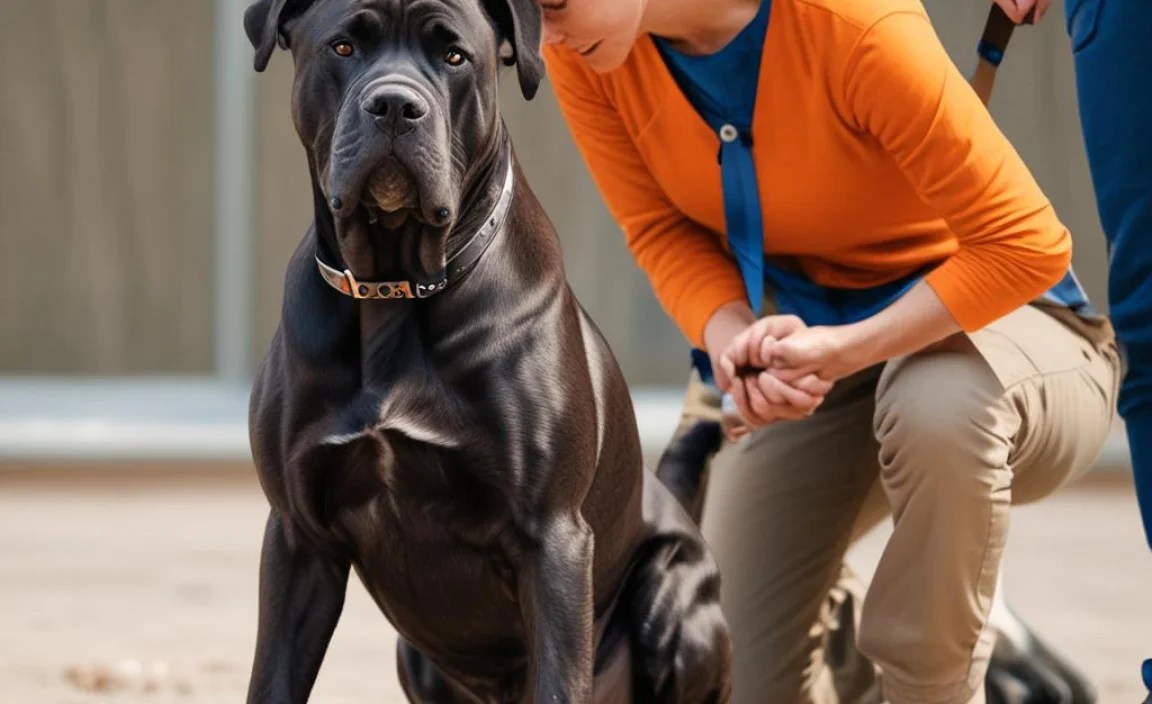
For any dog, especially a powerful breed like the Cane Corso, early and ongoing socialization is paramount. This process helps them become comfortable and well-adjusted in various environments, with different people, and around other animals. Starting early (between 8 and 16 weeks for puppies) is critical.
What socialization involves:
- Exposure to New People: Safely introduce your Cane Corso to a wide variety of people – different ages, appearances, and temperaments.
- Meeting Other Dogs: Arrange controlled introductions with calm, vaccinated, and well-behaved dogs. Puppy classes are excellent for this.
- Experiencing New Places: Take them to parks, pet-friendly stores, and different neighborhoods (once fully vaccinated).
- Sensory Experiences: Expose them to different sounds (traffic, vacuums, thunderstorms), sights, and textures.
Supervised and positive interactions are key. Avoid overwhelming your Cane Corso. If they seem stressed, back off and try again later with a less intense situation. The goal is to build positive associations, not to force them into uncomfortable scenarios.
For more on canine socialization, the American Kennel Club (AKC) offers comprehensive guidance.
Essential Obedience Training for Cane Corsos

Obedience training for a Cane Corso isn’t just about commands; it’s about establishing clear communication, building trust, and reinforcing your role as a calm and confident leader. Consistent, positive reinforcement methods are the most effective for this intelligent but potentially strong-willed breed.
Positive Reinforcement: The Cornerstone of Training
Positive reinforcement focuses on rewarding desired behaviors, making them more likely to occur again. This can include:
- Praise: Enthusiastic verbal praise.
- Treats: Small, high-value treats.
- Toys: A quick game of tug or fetch.
- Affection: Petting or scratching the dog.
Avoid punishment-based methods, as these can create fear, anxiety, and aggression, especially in a powerful breed. Instead, focus on guiding your Cane Corso’s behavior by rewarding what you want them to do.
Basic Obedience Commands
Start with the fundamental commands. These build a strong foundation for more complex training and ensure control in various situations.
- “Sit” How-to: Hold a treat near your Cane Corso’s nose. Move the treat upwards and slightly back over their head. As their head follows the treat, their rear end should naturally lower into a sit. As soon as they sit, say “Sit” and give them the treat and praise.
Why it’s important: Helps manage excitement, waiting for food, and greeting people.
- “Stay” How-to: Ask your dog to “Sit.” Then, say “Stay” and hold your flat hand out in front of them. Take one step back. If they remain seated, return, give them a treat, and praise. Gradually increase the distance and duration. If they break the stay, calmly guide them back to the original spot and try again without punishment.
Why it’s important: Crucial for safety, preventing them from running into traffic or away from you.
- “Come” (Recall)How-to: On a leash, encourage your dog to come to you, using a happy, excited tone. When they reach you, reward them with treats and praise. Never call your dog to punish them – this will make them less likely to come when called in the future. Practice in a safe, enclosed area first.
Why it’s important: The most critical command for safety, ensuring they return to you when called.
- “Down” How-to: From a “Sit” position, hold a treat at your dog’s nose. Lower it straight down to the floor and then slowly drag it away from them, towards the floor. They should follow the treat into a down position. As they lie down, say “Down” and reward them.
Why it’s important: Promotes relaxation and can be used to calm an excited dog.
- “Leave It” How-to: Place a low-value treat on the floor and cover it with your hand. Let your dog sniff or paw at your hand. The moment they pull away, even for a second, say “Leave It” and give them a higher-value treat from your other hand. Gradually progress to placing treats at a distance and having them ignore it until you say “Take It” (or a release word).
Why it’s important: Prevents them from picking up dangerous items or unwanted objects.
- “Drop It” How-to: When your dog has an object in their mouth, offer them a high-value treat near their mouth. As they open their mouth to take the treat and drop the object, say “Drop It.” Once they drop it, give them the treat. Practice with toys they enjoy.
Why it’s important: Essential for safety, especially if they pick up something dangerous.
Leash Training
A Cane Corso is a strong dog, and leash training is vital for walks and outings. The goal is a loose-leash walk, where the dog walks calmly beside you without pulling.
Steps for loose-leash walking:
- Introduce the Collar/Harness: Let your dog get used to wearing it for short periods.
- Attach the Leash: Keep it loose. Reward your dog for not pulling.
- Start Walking: If your dog pulls ahead, stop moving forward. Wait for the leash to slacken (they might look back at you or relax their pull). As soon as it slackens, start walking again and praise them.
- Change Direction: If they pull hard, change direction. This encourages them to pay attention to where you are going.
- Reward Proximity: Give treats and praise when they walk beside you with a loose leash.
Consider using a front-clip harness designed to discourage pulling, such as those offered by brands like Easy Walk Harness, which can be a helpful tool in conjunction with training.
Addressing Specific Cane Corso Behaviors

Cane Corsos can exhibit certain behaviors that owners need to understand and manage:
1. Guarding Instinct and Resource Guarding
While a dog’s guarding instinct is natural, it can become problematic if it leads to resource guarding (protecting food, toys, or even people). This doesn’t necessarily mean the dog is aggressive, but it needs management.
Management strategies include:
- Feed in a Quiet Place: Ensure their mealtime is calm and undisturbed.
- “Trade Up” Game: Practice trading a less valuable item for a high-value treat. This teaches them that giving up something results in something better.
- Management of Valuables: Put away high-value chew toys when you’re not actively supervising.
- Professional Help: If resource guarding is severe or involves aggression, seek guidance from a certified professional dog trainer or veterinary behaviorist.
2. Barking
Barking is a dog’s way of communicating. Cane Corsos may bark to alert you to something, out of excitement, or due to anxiety.
Tips for managing barking:
- Identify the Trigger: What is causing the barking? Is it the mail carrier, squirrels, or boredom?
- “Quiet” Command: Train a “Quiet” command. When they bark, let them bark a couple of times, then show them a treat. When they stop barking to sniff the treat, say “Quiet” and give them the treat.
- Manage the Environment: If they bark at things outside, block their view with curtains or frosted window film.
- Provide Enough Exercise and Mental Stimulation: A tired dog is less likely to bark excessively.
3. Stranger Wariness
Cane Corsos are naturally reserved with strangers. This is their protective nature. The key is to manage these introductions carefully.
How to manage stranger interactions:
- Controlled Introductions: When guests arrive, have your Cane Corso on a leash. Instruct guests to ignore the dog initially, allowing the dog to approach them on their terms.
- Positive Association: Ask guests to toss treats towards your dog (without direct interaction) to create a positive impression.
- Safe Space: Provide a safe, comfortable crate or room where your dog can retreat if they feel overwhelmed.
- Never Force Interaction: Allow your dog to dictate the level of interaction.
Advanced Training and Mental Stimulation

Once your Cane Corso has mastered basic obedience, you can explore advanced training and activities to keep their intelligent minds engaged.
Canine Sports and Activities
Engaging your Cane Corso in canine sports can strengthen your bond and further refine their obedience and focus.
- Agility: Navigating obstacle courses can be a great physical and mental challenge.
- Dock Diving: A fun, water-based sport if your dog enjoys swimming.
- Protection Sports (with Professional Guidance): While Cane Corsos have natural protective instincts, formal protection training should only be undertaken with experienced, ethical trainers and handlers who prioritize the dog’s welfare and control.
- Nose Work/Scent Training: This taps into their natural scenting abilities and is mentally very stimulating.
Mental Enrichment Tools
Beyond structured training, daily mental enrichment is crucial for preventing boredom and problem behaviors.
- Puzzle Toys: Food-dispensing toys that challenge them to figure out how to get treats.
- Chew Toys: Durable, safe chew toys can provide hours of entertainment.
- Training Games: Incorporate short, fun training sessions throughout the day, practicing existing commands or teaching new tricks.
Tools for Training Your Cane Corso
Choosing the right tools can make training more effective and safer. Always prioritize tools that promote positive reinforcement and avoid anything that could cause pain or fear.
Essential training tools:
| Tool | Description | When to Use |
|---|---|---|
| High-Value Training Treats | Small, soft, palatable treats that your dog loves. | Reward-based training, especially for new commands or difficult behaviors. |
| Standard Leash (6-foot) | A durable, non-retractable leash. | Daily walks, training sessions, public outings. |
| Martingale Collar or Flat Collar | Properly fitted collar that won’t slip off. Martingales offer a safety feature to prevent escape. | Daily wear, training (if not using a harness). |
| Front-Clip Harness | Harness that attaches to the leash at the chest. | Loose-leash walking training, for dogs that pull. |
| Clicker (Optional) | A small device that makes a clicking sound. | Marker training to precisely signal a desired behavior before delivering a reward. |
| Sturdy Chew Toys | Durable toys that can withstand strong chewing. | Provide enrichment, manage chewing instincts. |
| Food Puzzle Toys | Interactive toys that dispense food or treats. | Mental stimulation, to keep the dog occupied. |
For information on choosing the right gear, consult resources like The Humane Society.
Professional Help and When to Seek It
While this guide provides a solid foundation, professional help can be invaluable, especially with a powerful breed like the Cane Corso.
When to seek professional guidance:
- Aggression Issues: If your Cane Corso shows any signs of aggression towards people or other animals, consult a certified professional dog trainer or a veterinary behaviorist immediately. Organizations like the Certification Council for Professional Dog Trainers (CCPDT) can help you find a qualified professional.
- Lack of Progress: If you’re struggling to make progress with basic obedience or specific behaviors.
- First-Time Owners of the Breed: If you are new to the Cane Corso breed, working with a trainer early on can provide invaluable breed-specific insights.
- Complex Behavioral Problems: For issues like severe anxiety, fear-based aggression, or obsessive behaviors.
Remember, seeking professional help is a sign of responsible ownership, not failure. A good trainer can assess your dog’s unique situation and provide tailored solutions.
Frequently Asked Questions (FAQ)
Q1: Are Cane Corsos naturally aggressive dogs?
M.L.G.: Cane Corsos possess a strong protective instinct and can be wary of strangers, but they are not inherently aggressive. Proper socialization and consistent, positive training are crucial to channeling their instincts into responsible guardianship. With the right guidance, they are loyal and loving family dogs.
Q2: How much exercise does a Cane Corso need?
M.L.G.: A well-trained Cane Corso typically needs about 1-2 hours of exercise per day. This should include brisk walks, playtime, and mental stimulation through training or puzzle toys. Puppies require shorter, more frequent sessions.
Q3: When should I start training my Cane Corso puppy?
M.L.G.: You can and should start basic obedience and socialization training as soon as you bring your Cane Corso puppy home, typically around 8 weeks of age. The critical socialization window is between 8 and 16 weeks.
Q4: My Cane Corso pulls a lot when I walk them. What should I do?
M.L.G.: Consistent loose-leash walking training is key. When your Cane Corso pulls, stop moving. Wait for the leash to slacken, then resume walking and offer praise. Using a front-clip harness can also be a helpful tool to discourage pulling, in conjunction with training. Never yank or use punishment.
Q5: How do I socialize my Cane Corso with other dogs if they seem overly interested or reactive?
M.L.G.: Start with controlled introductions in neutral territory, ideally with calm, well-behaved dogs. Keep interactions short and positive. If your Cane Corso seems overwhelmed or reactive,


