A “Cane Corso dangerous dog workout plan” isn’t about making them aggressive. It’s about channeling their immense power and intelligence into positive, structured activities. This guide offers essential exercises to build a well-behaved, confident Cane Corso by focusing on physical and mental stimulation safely.
Cane Corso Powerhouse: Your Essential Workout Plan for a Well-Behavioned Giant

Owning a Cane Corso is a rewarding experience, but it comes with responsibility. These powerful, intelligent dogs need guidance to channel their energy positively. Many new owners wonder how to manage their dog’s strength and drive, leading to concerns about them being “dangerous.” The truth is, a well-exercised and trained Cane Corso is a stable, loyal companion. This guide will simplify creating an effective workout plan that builds confidence and good behavior.
We’ll cover everything from safe exercise routines to recognizing your dog’s needs. You’ll learn how to provide the right balance of physical activity and mental challenges. Get ready to transform your Cane Corso’s energy into a positive force!
Understanding the Cane Corso: More Than Just Muscle

The Cane Corso Italiano is a majestic breed known for its imposing presence, loyalty, and protective instincts. Bred as working dogs, they possess incredible strength, intelligence, and a strong desire to please their families. However, this combination of traits means they require more than just casual walks. They need structured activities that engage their minds and bodies to prevent boredom and potential behavioral issues.
Their heritage as guardians and hunters means they have a natural inclination to be alert and active. Without proper outlets, this energy can manifest in ways that might be misunderstood as aggression. A key to responsible ownership is understanding that a “dangerous dog” is often a dog whose needs are not being met.
Physical Needs: The Foundation of a Balanced Cane Corso
Cane Corsos are large, athletic dogs that require significant physical exertion. Their daily exercise needs go beyond a simple stroll around the block. They thrive on activities that challenge their stamina and strength.
- Daily Walks: Aim for at least two walks per day, each lasting 30-60 minutes. These walks should be brisk and engaging, not just a leisurely sniff-fest. Varying routes can keep things interesting.
- Interval Training: Incorporate jogging or faster-paced segments into your walks. This mimics activities they might have performed historically and provides a more intense workout.
- Stair Climbing: If your living situation allows, supervised stair climbing can be an excellent low-impact, high-reward exercise for building hindquarter strength. Start with a few flights and gradually increase.
- Swimming: Many Cane Corsos enjoy swimming. It’s a fantastic full-body workout that is easy on their joints. Always supervise your dog around water and ensure they have a safe way to exit the water.
- Agility and Obstacle Courses: Simple homemade obstacle courses in your yard can be incredibly stimulating. Jumping over low hurdles, weaving through poles (even broomsticks in the ground), and navigating tunnels can be great fun and build coordination.
Mental Stimulation: The Key to a Calm Cane Corso
A tired body is important, but a stimulated mind is crucial for preventing behavioral problems in intelligent breeds like the Cane Corso. Boredom can lead to destructive behaviors, excessive barking, and anxiety.
- Interactive Toys: Puzzle feeders and treat-dispensing toys are excellent for keeping their minds occupied. These toys require problem-solving skills to release treats, providing mental engagement.
- Scent Games: Hide treats or their favorite toy around the house or yard and encourage your dog to find them. This taps into their natural scenting abilities and is a highly engaging activity.
- Training Sessions: Short, consistent training sessions are a fantastic way to engage your Cane Corso’s mind. Practice basic obedience, learn new tricks, or work on impulse control exercises.
- “Find It” Games: A simple game of scattering kibble or treats in the grass and telling your dog “find it” can be very rewarding and mentally tiring.
The “Dangerous Dog” Misconception: Reframing the Workout

The term “dangerous dog workout plan” can be misleading. It’s vital to understand that the goal isn’t to create a more formidable dog, but rather a more stable, confident, and well-adjusted companion. When a powerful breed like the Cane Corso lacks appropriate outlets for their energy and intelligence, underlying instincts can surface problematically. The “workout” is about redirection, positive reinforcement, and building a strong bond.
Instead of focusing on a Cane Corso as a “dangerous dog,” we should focus on harnessing their natural drive and channeling it into constructive activities. This approach builds respect, trust, and a well-mannered dog.
Safety First: Essential Gear for Your Cane Corso’s Workout
Proper equipment is essential for ensuring your Cane Corso’s safety and comfort during workouts. Investing in good quality gear can prevent injuries and make exercise more enjoyable for both of you.
- Sturdy Leash and Collar/Harness: For a powerful dog, a robust, non-retractable leash (at least 6 feet long) is critical. A well-fitting, padded harness can distribute pressure more evenly than a collar during walks, especially if your dog pulls. Consider a front-clip harness for better control.
- Comfortable Walking Shoes (for you!): Ensure you have supportive footwear for those longer walks.
- Water Bottle and Bowl: Always carry fresh water, especially during warmer weather or extended exercise sessions. Dehydration can be dangerous.
- High-Value Treats: Small, highly palatable treats are essential for training and rewarding good behavior during workouts.
- Waste Bags: Always be prepared to clean up after your dog.
Introducing Strength Training: When and How
Once your Cane Corso has reached physical maturity (typically around 18-24 months), you can begin incorporating more structured strength-building exercises. It’s crucial to consult your veterinarian before starting any new, strenuous workout regimen, especially if your dog has any underlying health conditions.
Strength training should focus on building muscle tone and endurance safely. Overexertion can lead to injuries in growing dogs, so patience is key.
Basic Strength Exercises (for Mature Dogs)
- Controlled Inclines/Declines: Walking up and down gentle slopes can help build hindquarter and forequarter strength. Ensure the surface is safe and non-slippery.
- Weight-Pulling (with caution): This is an advanced activity and should only be considered for very mature, healthy Cane Corsos with proper guidance from experienced professionals. It involves pulling a weighted cart or sled short distances. This sport, when done correctly, can build incredible conditioning. More information on responsible weight-pulling can be found through organizations dedicated to canine sports, adhering to guidelines from bodies like the American Kennel Club (AKC).
- Cavaletti Work: This involves walking your dog over a series of low poles (like broomsticks) spaced appropriately for their stride. It helps improve coordination, proprioception (awareness of body position), and works core muscles. Start with poles very close together and gradually increase spacing as your dog masters it.
Structuring Your Cane Corso’s Weekly Workout Schedule
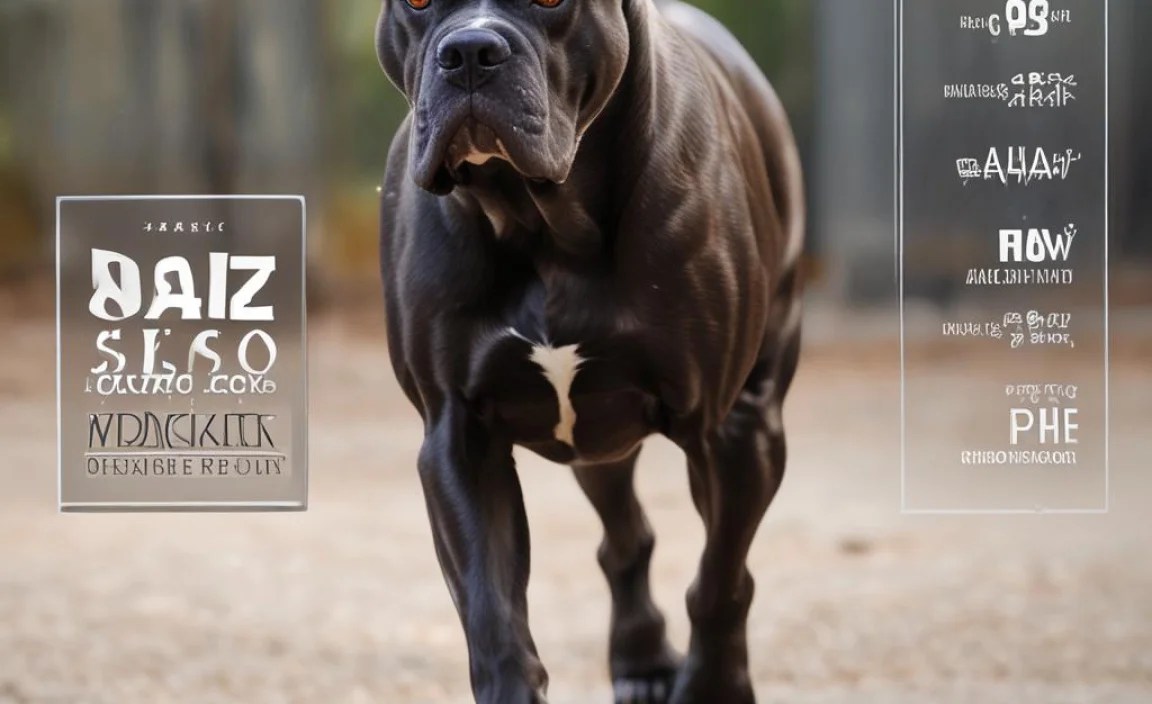
A consistent schedule is vital for managing your Cane Corso’s energy. This plan offers a balanced approach, but remember to adapt it to your dog’s specific age, energy level, and your lifestyle. Always observe your dog for signs of fatigue or overexertion.
Here’s a sample weekly outline:
| Day | Morning (30-45 mins) | Afternoon/Evening (45-60 mins) | Mental Stimulation |
|---|---|---|---|
| Monday | Brisk Walk with Interval Training | Leisurely Walk with Scent Game | Puzzle Feeder, Obedience Practice (10 mins) |
| Tuesday | Longer Brisk Walk, focus on Cadence | Agility/Obstacle Course or Dog Park (if well-socialized) | “Find It” Game, Trick Training (10 mins) |
| Wednesday | Moderate Walk, focus on loose-leash walking | Swimming (if accessible) or Stair Climbing (supervised) | Interactive Toy, Basic Commands Review |
| Thursday | Brisk Walk with varied terrain | Leisurely Walk, focus on sniffing and exploration | Puzzle Feeder, New Trick Practice (10 mins) |
| Friday | Interval Training Walk | Play Fetch, Tug-of-War (controlled, if appropriate) | Scent Game, Impulse Control Exercises |
| Saturday | Long Hike or Extended Exploration | Rest or very light walk/play | Relaxing grooming session with praise |
| Sunday | Moderate Walk, focus on responsiveness | Playtime with Handler, Light Training | “Find It” Game, Quiet Observation Training |
Recognizing Overexertion and Fatigue
It’s crucial to know the signs that your Cane Corso has had enough exercise. Pushing them too hard can lead to heatstroke, muscle strains, or stress. Be observant:
- Excessive Panting: Heavy, continuous panting after activity has ceased.
- Drooling Heavily: More than usual saliva production.
- Lethargy: Reluctance to move, lagging behind, or obvious tiredness.
- Stiffness or Limping: Pain or discomfort when moving.
- Vomiting or Diarrhea: Especially during or immediately after strenuous activity.
- Bright Red Gums: This can be a sign of heatstroke and requires immediate veterinary attention.
If you notice any of these signs, stop the activity immediately, provide water, and allow your dog to rest in a cool, shaded area. Contact your veterinarian if symptoms are severe or persist.
Training as Part of the Workout Plan

Training isn’t just about commands; it’s an integral part of a Cane Corso’s mental workout and socialization. Consistent, positive reinforcement training builds a strong bond and ensures your dog understands boundaries and expected behaviors.
Essential Commands to Reinforce
These commands are not only useful for daily management but also serve as excellent mental exercises:
- “Sit”: A fundamental command for impulse control.
- “Stay”: Teaches patience and self-control.
- “Come” (Recall): Crucial for safety, especially in open areas.
- “Leave It”: Essential for preventing them from picking up inappropriate or dangerous items.
- “Down”: Promotes relaxation and can be used to calm an excited dog.
- “Heel”: Teaches polite leash manners and builds a responsive partnership.
Keep training sessions short (5-15 minutes) and fun. Use positive reinforcement such as praise, treats, and toys. For more in-depth training strategies, resources like the Fear Free Happy Homes website offer excellent guidance on positive animal behavior management.
Socialization: A Critical Component
Proper socialization is not just a workout, but a vital life skill for any dog, especially a powerful breed like the Cane Corso. Early and ongoing positive exposure to various people, places, sounds, and other well-behaved animals is crucial.
- Controlled Introductions: Ensure interactions are positive and supervised. Avoid overwhelming your dog.
- Variety is Key: Expose them to different environments, surfaces, and gentle noises.
- Positive Associations: Pair new experiences with treats and praise to create positive memories.
- Seek Professional Guidance: Consider puppy classes or socialization groups led by experienced trainers.
A well-socialized Cane Corso is confident and less likely to react fearfully or aggressively in unfamiliar situations. This directly addresses any “dangerous dog” perceptions by building a stable temperament.
Common Mistakes to Avoid
Even with the best intentions, new owners can make common errors when devising exercise plans for their Cane Corsos. Being aware of these pitfalls can help you create a more effective and safer regimen.
- Underestimating Energy Levels: Cane Corsos are built for endurance and require more than a quick walk.
- Over-Exercising Young Dogs: Pushing puppies or young adults too hard can cause long-term joint damage. Wait until they are physically mature for intense strength work.
- Lack of Mental Stimulation: A bored Cane Corso can become a destructive or anxious dog, regardless of physical exercise.
- Inconsistent Schedules: Irregular routines can lead to pent-up energy.
- Forcing Interactions: Pushing your dog into situations they are uncomfortable with can worsen fear or anxiety.
- Using Punishment-Based Training: This can damage your bond and potentially lead to fear-based aggression, especially in a large, powerful breed.
Your Cane Corso’s Journey to Balance
Creating an effective workout plan for your Cane Corso is an ongoing process of understanding, consistency, and positive engagement. It’s about more than just physical exertion; it’s about building their confidence, channeling their inherent capabilities, and forging an unbreakable bond based on trust and respect.
By providing ample physical activity, consistent mental challenges, and consistent, positive training, you are not just exercising a dog; you are nurturing a well-adjusted, devoted companion. Remember that every dog is an individual, so pay attention to your Cane Corso’s specific needs and adjust the plan accordingly. With dedication and the right approach, your Cane Corso will be a shining example of their breed’s potential for loyalty and good temperament.
Frequently Asked Questions (FAQ)
Q1: How much exercise does a Cane Corso puppy need?
A1: For puppies, focus on short, frequent play sessions and walks, generally following the “5-minute rule” (5 minutes of structured exercise per month of age, twice a day). For example, a 4-month-old puppy can handle about 20 minutes of structured exercise per session. Over-exercising can harm their developing joints. Prioritize socialization and basic training.
Q2: Is it true that Cane Corsos are naturally aggressive?
A2: No, Cane Corsos are not inherently aggressive. They are naturally protective and loyal, which can be misinterpreted. With proper socialization, training, and consistent exercise that channels their energy positively, they are typically very stable and devoted family dogs. Their temperament is largely a reflection of how they are raised and managed.
Q3: How often should I exercise my adult Cane Corso?
A3: Adult Cane Corsos generally need at least 60-90 minutes of exercise per day, split into two or more sessions. This should include a mix of brisk walking, potentially some jogging or controlled running, and mental stimulation activities. Adjust based on your dog’s individual energy levels and health.
Q4: Can my Cane Corso do agility or other dog sports?
A4: Absolutely! Cane Corsos often excel in various dog sports, including agility, obedience, and even weight-pulling (when appropriate and professionally guided). These activities provide excellent physical and mental challenges that tap into their working heritage and build a strong partnership.
Q5: What if my Cane Corso pulls on the leash during walks?
A5: Leash pulling is common for strong breeds. Focus on loose-leash walking training using positive reinforcement. Equip yourself with a front-clip harness or a head halter, and reward your dog with treats and praise when the leash is slack. Shorter, more frequent training sessions focused solely on leash manners can be very effective.
Q6: Should I worry about my Cane Corso getting too much exercise?
A6: Yes, over-exercising, especially in young dogs or in hot weather, can be dangerous. Watch for signs of fatigue like excessive panting, lethargy, limping, or heatstroke. It’s better to err on the side of caution and provide rest when needed. Consult your veterinarian if you are unsure about your dog’s exercise capacity.
Q7: How can I introduce my Cane Corso to water safely?
A7: Not all dogs are natural swimmers. Start in shallow, calm water where they can easily stand. Use positive reinforcement, treats, and praise to encourage them. Ensure they have an easy way to exit the water, like a gradual slope. Never force them. Many Cane Corsos find swimming to be a great low-impact exercise.
Conclusion: Building a balanced Cane Corso is an empowering journey. By understanding their needs and implementing a thoughtful, consistent workout plan that includes physical activity, mental stimulation, and positive training, you’re not just managing a powerful breed; you’re cultivating a confident, well-mannered, and deeply loyal companion. Embrace the process, celebrate the successes, and enjoy the


