Cane Corso diet alpha behavior is all about feeding your powerful Italian Mastiff the right nutrients to support their impressive physique and strong temperament. A balanced diet aids in muscle development, sustained energy, and a stable, confident demeanor, preventing common behavioral issues that can arise from poor nutrition.
If you’re a proud owner of a Cane Corso, you know these dogs are magnificent. They’re powerful, protective, and incredibly loyal. But with their imposing size and strong personalities, it’s crucial to understand every aspect of their care, and their diet is a huge part of that. When we talk about “Cane Corso diet alpha behavior,” we’re referring to how optimal nutrition can influence your dog’s confidence, energy levels, and overall mental well-being, helping them exhibit the best version of their natural traits. It’s not really about making them “alpha” in a dominant sense, but rather about fostering a balanced, well-adjusted dog through proper feeding. Let’s dive into the essential guide to feeding your Cane Corso right, so they can be the happy, healthy, and well-behaved companions we all desire.
Understanding Cane Corso Diet Alpha Behavior

The term “alpha behavior” in dogs can sometimes be misinterpreted. In the context of a Cane Corso’s diet, it’s less about dominance and more about providing the foundational elements that support a dog’s confidence, energy, and general disposition. A well-nourished Cane Corso is more likely to be stable, responsive, and less prone to anxiety or reactivity that can be mistaken for undesirable “alpha” traits. Their diet directly impacts their muscle development, energy levels, coat health, and even their cognitive function. Think of it as fueling a high-performance athlete – consistency, quality, and the right balance are key.
The Nutritional Pillars for Your Cane Corso
A Cane Corso’s nutritional needs are different from smaller breeds due to their rapid growth during puppyhood and their large, muscular build as adults. Their diet must focus on key components that support these specific requirements.
Protein: The Building Blocks of Muscle
For a breed as robust as the Cane Corso, protein is paramount. It’s essential for building and repairing muscles, supporting organ function, and providing energy. High-quality animal-based protein sources should be the cornerstone of their diet.
Why it matters: Adequate protein ensures your puppy grows strong and your adult dog maintains lean muscle mass. It also contributes to a healthy immune system.
Good sources: Chicken, turkey, lamb, beef, and fish are excellent protein options. Look for these listed as the first ingredient in commercial dog food.
Recommended intake: Growing puppies require a higher percentage of protein than adult dogs. Adult Cane Corsos generally thrive on diets with 25-30% protein.
Fats: Energy and Health
Fats are a concentrated source of energy and are vital for absorbing fat-soluble vitamins (A, D, E, and K). They also play a role in maintaining healthy skin and a shiny coat, which Cane Corsos are known for.
Essential Fatty Acids (EFAs): Omega-3 and Omega-6 fatty acids are crucial. Omega-3s, found in fish oil, help reduce inflammation and support brain health. Omega-6s, common in vegetable oils and animal fats, are important for skin and coat.
Balance is key: A proper ratio of Omega-3 to Omega-6 fatty acids is more important than high amounts of either.
Good sources: Fish oil (salmon, anchovy), flaxseed oil, chicken fat, and beef fat.
Carbohydrates: Fuel for Activity
While not as primary as protein, quality carbohydrates provide essential fiber and energy for your active Cane Corso. They help maintain digestive health and provide sustained energy release.
Complex Carbohydrates: These are preferable to simple sugars. They are digested slower, providing a more consistent energy supply and preventing energy spikes and crashes.
Good sources: Sweet potatoes, brown rice, oats, peas, and barley.
Avoid: Excessive amounts of corn, wheat, or soy can be less digestible for some dogs and may not offer the same sustained energy benefits.
Vitamins and Minerals: Essential for Overall Well-being
A comprehensive diet should include a balanced array of vitamins and minerals. These micronutrients are vital for countless bodily functions, from bone health to immune response.
Calcium and Phosphorus: Crucial for bone development and strength, especially in large breeds like the Cane Corso. The ratio of calcium to phosphorus is important for proper absorption and preventing skeletal issues.
Other key vitamins: Vitamin A, Vitamin D, Vitamin E, B vitamins.
Other key minerals: Zinc, iron, selenium, potassium.
Choosing the Right Food for Your Cane Corso
With so many options on the market, selecting the best food can feel overwhelming. There are several approaches to feeding your Cane Corso, each with its own advantages.
High-Quality Kibble
Commercial kibble is convenient and formulated to provide complete nutrition. The key is to choose a high-quality product.
What to look for:
Meat as the first ingredient.
Named meat sources (e.g., “chicken,” not “poultry by-product”).
Formulated for large breeds, especially for puppies.
Avoid artificial colors, flavors, and preservatives.
Appropriate protein and fat content for their life stage (puppy, adult, senior).
Pros: Convenient, long shelf life, usually cost-effective, balanced nutrition when chosen wisely.
Cons: Processing can degrade some nutrients, some brands use lower-quality fillers.
Wet Food (Canned Food)
Wet food often has a higher moisture content and can be more palatable for some dogs.
Pros: Highly palatable, good source of hydration, often contains higher quality protein sources.
Cons: More expensive than kibble, shorter shelf life once opened, can be less convenient for storage.
Raw Diet (BARF – Biologically Appropriate Raw Food)
A raw diet typically consists of raw meat, bones, organs, and some fruits and vegetables. It aims to mimic the diet of ancestral dogs.
Pros: Can lead to improved coat condition, smaller stools, and increased energy for some dogs. Many owners report better overall health.
Cons: Requires meticulous planning to ensure nutritional balance, potential risk of bacterial contamination (for both dog and humans), can be more expensive and time-consuming to prepare, requires careful handling and storage. It’s important to consult with a veterinary nutritionist. The American Veterinary Medical Association (AVMA) provides guidance on raw feeding risks.
Home-Cooked Diet
Preparing your dog’s meals from scratch using whole ingredients.
Pros: Full control over ingredients, can be tailored to specific dietary needs or sensitivities.
Cons: Requires significant knowledge of canine nutrition to ensure a balanced diet, can be time-consuming and expensive. Consulting a veterinary nutritionist is highly recommended.
Feeding Puppies: The Growth Phase is Critical
Cane Corso puppies have a period of rapid skeletal and muscular development. Their diet during this time is crucial for preventing potential health issues like hip dysplasia and for ensuring they reach their full genetic potential.
Large Breed Puppy Formula: Always choose a food specifically formulated for large breed puppies. These foods have controlled levels of calcium and phosphorus to promote healthy bone growth and a moderate calorie content to prevent them from growing too quickly, which can stress developing joints.
Feeding Schedule: Puppies typically need to be fed 3-4 times a day. As they approach adulthood (around 6-12 months), you can gradually reduce this to 2 meals per day.
Portion Control: Follow the feeding guidelines on the food packaging, but adjust based on your puppy’s individual condition and activity level. Avoid overfeeding.
Monitoring: Keep an eye on your puppy’s body condition. You should be able to feel their ribs easily without them being visibly prominent.
Feeding Adult Cane Corsos: Maintenance and Well-being
Once your Cane Corso reaches adulthood (typically around 18-24 months), their dietary needs shift to maintenance. The focus is on sustaining their lean muscle mass and energy levels.
Transitioning to Adult Food: Gradually transition from puppy food to adult food over a week to avoid digestive upset.
Protein and Fat Balance: Look for adult formulas with high-quality protein (around 25-30%) and moderate fat content (around 14-18%).
Life Stage Appropriate: Consider foods designed for active dogs if your Cane Corso is very athletic, or a calorie-controlled option if they tend to be less active to prevent weight gain.
Monitoring: Continue to monitor their body condition. An adult Cane Corso should have a visible waist when viewed from above and their ribs should be palpable but not visible.
Feeding Senior Cane Corsos: Adapting to Age
As your Cane Corso ages, their metabolism slows, and their nutritional needs change. Senior formulas are designed to support joint health, maintain muscle mass, and provide easily digestible nutrients.
Reduced Calories: Senior formulas often have fewer calories to help prevent weight gain in less active seniors.
Joint Support: Many senior foods include supplements like glucosamine and chondroitin to support joint health.
Digestibility: Ingredients are often chosen for their easy digestibility.
Hydration: Ensure your senior dog has constant access to fresh water.
The Role of Treats and Supplements
Treats are great for training and bonding, but they should be given in moderation.
Healthy Treat Options: Small pieces of cooked chicken or lean beef, dog-specific training treats with natural ingredients, or certain fruits and vegetables (e.g., carrots, blueberries) in small amounts.
Supplements: While a high-quality diet should provide most necessary nutrients, some supplements may be beneficial:
Glucosamine and Chondroitin: Excellent for supporting joint health, especially in large breeds prone to arthritis.
Omega-3 Fatty Acids (Fish Oil): Great for coat health, skin, and can help reduce inflammation.
Probiotics: Can aid in digestive health and nutrient absorption.
Consult Your Vet: Always discuss any supplements with your veterinarian before starting them, to ensure they are appropriate and dosed correctly.
Factors Influencing Cane Corso Diet Alpha Behavior

Beyond the core nutritional content, several other factors play a role in how your Cane Corso’s diet impacts their behavior and overall disposition.
Quality of Ingredients is Non-Negotiable
The source and quality of ingredients in your dog’s food make a significant difference.
Avoid Fillers: Meals with high amounts of corn, wheat, and soy as primary ingredients can offer less nutritional value and may be harder for some dogs to digest.
Look for Whole Foods: Foods that list whole meats, vegetables, and fruits as their main components are generally superior.
Digestibility: A highly digestible food means your dog’s body can absorb and utilize more of the nutrients, leading to better energy and less waste.
Mealtime Routine and Consistency
Establishing a consistent feeding schedule is important for digestive regularity and can contribute to a sense of stability for your dog.
Scheduled Meals: Feeding your Cane Corso at the same times each day helps regulate their digestion and can prevent anxiety around food.
Avoid Free-Feeding: Leaving food out all day can lead to overeating, obesity, and can make it harder to monitor your dog’s intake, which is important for health.
Designated Feeding Area: Feed your dog in a calm, quiet area where they feel secure.
Hydration: The Underrated Nutrient
Water is essential for every bodily function, and dehydration can quickly lead to lethargy, confusion, and overall poor health, which can manifest as behavioral changes.
Constant Access: Always ensure your Cane Corso has access to fresh, clean water.
Clean Bowls: Wash water bowls daily to prevent bacteria buildup.
Monitor Intake: Pay attention to how much your dog is drinking, especially in hot weather or if they are ill.
Transitioning Foods Safely
Sudden changes in diet can cause digestive upset, including vomiting and diarrhea. This can lead to discomfort and anxiety in your dog.
The 7–10 Day Rule:
Days 1-3: 75% old food, 25% new food.
Days 4-6: 50% old food, 50% new food.
Days 7-9: 25% old food, 75% new food.
Day 10 and beyond: 100% new food.
Monitor Stools: During the transition, observe your dog’s stool quality. If you notice diarrhea or very loose stools, slow down the transition process.
Potential Pitfalls and How to Avoid Them

Understanding what to avoid can be just as important as knowing what to do.
Overfeeding and Obesity
As a large breed, Cane Corsos are prone to obesity, which can lead to numerous health problems and significantly impact their behavior and energy levels.
Risks of Obesity: Increased risk of hip and elbow dysplasia, arthritis, heart disease, diabetes, and reduced lifespan. Overweight dogs can also be more lethargic and less engaged.
How to Avoid:
Accurately measure food portions.
Limit treats – they should make up no more than 10% of daily caloric intake.
Ensure regular exercise.
Regularly assess your dog’s body condition. Websites like World Small Animal Veterinary Association (WSAVA) Global Nutrition Guidelines offer valuable insights into optimal canine nutrition.
Nutritional Deficiencies and Imbalances
Feeding an unbalanced diet, especially during puppyhood, can lead to bone deformities, poor coat quality, and a weakened immune system.
For Puppies: Avoid feeding adult food or a diet too high in calories, as this can lead to rapid growth and skeletal problems. Stick strictly to large-breed puppy formulas.
For Adults: Ensure the food is complete and balanced. If opting for homemade or raw diets, professional guidance from a veterinary nutritionist is essential.
Allergies and Sensitivities
Cane Corsos, like many breeds, can develop food allergies or sensitivities. These often manifest as skin issues (itching, redness, hot spots) or digestive problems.
Common Allergens: Chicken, beef, dairy, wheat, soy are common culprits.
Identifying Sensitivities: If you suspect a food allergy, consult your veterinarian. An elimination diet, often supervised by a vet, is the best way to identify the offending ingredient. Your vet might recommend a novel protein diet or a hydrolyzed protein diet.
The Link Between Diet and Behavior
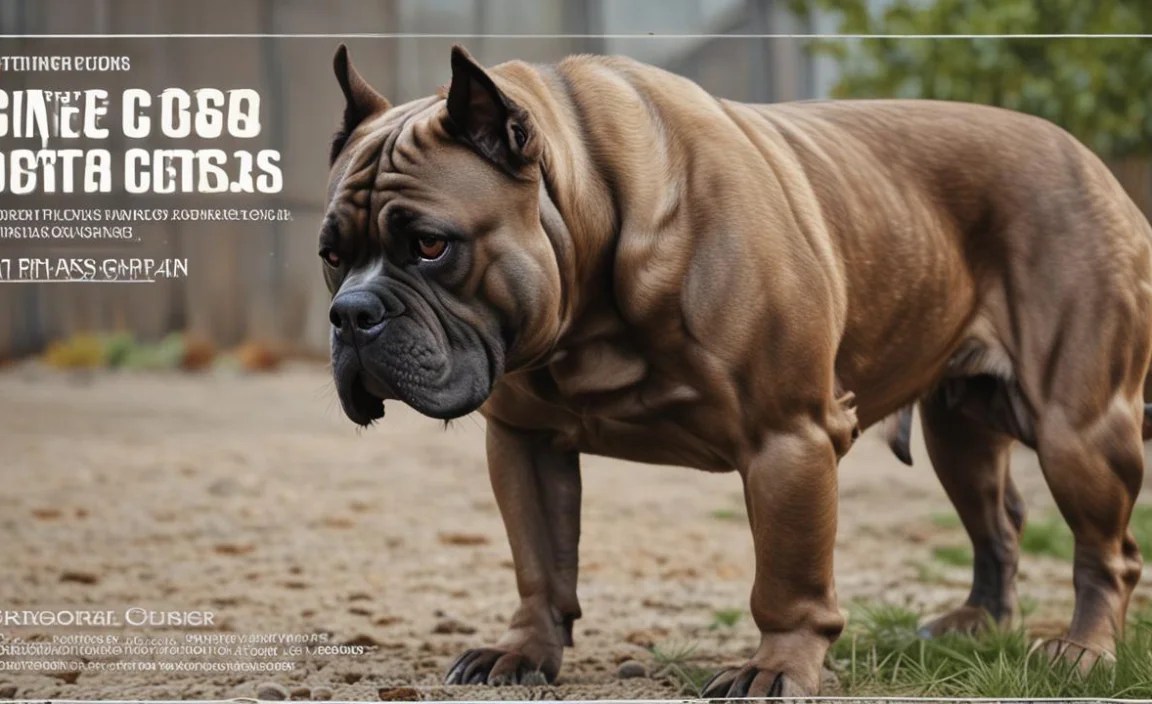
A well-chosen diet directly supports a balanced temperament in your Cane Corso.
Energy Levels and Mental Acuity
Properly balanced nutrition provides sustained energy.
Stable Energy: Complex carbohydrates and healthy fats provide consistent energy, preventing the highs and lows that can lead to restlessness or lethargy.
Brain Function: Omega-3 fatty acids, particularly DHA (docosahexaenoic acid), are crucial for cognitive development and function. This means a sharper, more responsive dog.
Digestive Health and Comfort
A healthy gut is linked to overall well-being, including mood and behavior.
Reduced Discomfort: Digestive upset can make any creature feel unwell and irritable. A diet high in digestible ingredients and fiber promotes a healthy gut, reducing this contributing factor to poor behavior.
Nutrient Absorption: When your dog’s digestive system works efficiently, they absorb more of the vital nutrients that contribute to a stable mood and robust health.
Skin and Coat Health
While seemingly superficial, a healthy coat and skin indicate good overall health and can prevent discomfort that might lead to excessive licking, scratching, or irritability.
Shiny Coat: Omega-3s and Omega-6s contribute to a healthy skin barrier and lustrous coat, reducing dryness and itching.


