A Cane Corso’s diet is crucial for their health and can impact how well they tolerate bathing and skin condition. Proper nutrition supports a healthy coat and skin, making bath time easier and more effective. This guide offers beginner-friendly tips for managing your Cane Corso’s diet and bathing routine.
Is your majestic Cane Corso a challenge when it comes to bath time? You’re not alone! Many large breed owners find these impressive dogs can be a bit resistant to suds and water. Often, the key to a smoother bathing experience lies not just in the towel and shampoo, but also in what’s in their food bowl. A Cane Corso’s diet plays a vital role in their skin and coat health, which directly influences their comfort and cooperation during grooming. Without the right nutrition, skin can become dry, itchy, or prone to issues, making bath time a stressful affair for both of you. But don’t worry! We’re here to break down exactly how to approach your Cane Corso’s diet and bathing routine in a way that’s simple, effective, and stress-free. You’ll learn how to nourish your furry companion for a healthier coat and an easier bath, step by step.
The Crucial Link Between Cane Corso Diet and Bathing

Your Cane Corso is a powerful and athletic breed, and their nutritional needs are just as significant as their stature. What your dog eats directly impacts their overall health, including the condition of their skin and coat. A well-balanced diet rich in essential nutrients can lead to a strong, healthy skin barrier and a lustrous coat, which in turn can make them more comfortable and less sensitive during bath time. Conversely, a poor diet might contribute to dry, flaky skin, allergies, or a dull coat, all of which can make bathing a more unpleasant experience and potentially exacerbate existing skin issues.
Think of it this way: a healthy body functions better in all aspects, and that includes how a dog tolerates grooming. When their skin is healthy and their coat is well-maintained through good nutrition, they are less likely to experience itching, discomfort, or pain that could make them associate bath time with negative feelings. Therefore, understanding and optimizing your Cane Corso’s diet is a foundational step towards a more enjoyable bathing routine.
Understanding Cane Corso Nutritional Needs

Cane Corsos are large, muscular dogs that require high-quality nutrition to support their active lifestyle and robust frame. Their diet should be formulated to provide the right balance of protein, fats, carbohydrates, vitamins, and minerals. This isn’t just about filling their bowl; it’s about fueling their body for health and vitality.
Key Nutritional Components for Cane Corsos
- Protein: Essential for muscle development and repair. Look for foods where a high-quality animal protein source (like chicken, beef, lamb, or fish) is the first ingredient. Cane Corsos, especially during their growth phases, need a significant amount of protein to support their large bodies and lean muscle mass.
- Fats: Provide energy and are crucial for healthy skin and a shiny coat. Omega-3 and Omega-6 fatty acids are particularly important. These healthy fats aid in reducing inflammation and maintaining skin hydration, which is critical for comfort during grooming.
- Carbohydrates: Provide energy. Whole grains, sweet potatoes, and peas are good sources. They should be digestible and provide sustained energy release.
- Vitamins and Minerals: A comprehensive blend is needed for all bodily functions, from immune support to bone health. Vitamins like A, D, E, and B-complex, along with minerals such as calcium, phosphorus, and zinc, are vital. Zinc, in particular, plays a significant role in skin health and healing.
Choosing the Right Food
When selecting food for your Cane Corso, consider their life stage (puppy, adult, senior) and activity level. Large breeds can be prone to certain health issues, like hip and elbow dysplasia, so foods formulated for large breeds often contain adjusted levels of calcium and phosphorus to support skeletal health.
Kibble, wet food, or a combination can work, but the quality of ingredients is paramount. Always read the ingredient list and the Guaranteed Analysis on the food packaging. Avoid foods with excessive fillers, artificial colors, flavors, or preservatives, as these can sometimes contribute to sensitivities or health problems.
For a comprehensive guide on canine nutrition, you can refer to resources from organizations like the U.S. Food and Drug Administration (FDA). They offer valuable information on pet food safety and regulations.
How Diet Impacts Skin and Coat Health

A Cane Corso’s skin is their largest organ, and its health is a direct reflection of their internal well-being, heavily influenced by their diet. A diet deficient in essential fatty acids, vitamins, or minerals can lead to a variety of skin and coat problems that can make bathing a challenge.
- Dry, Flaky Skin: Lack of essential fatty acids (like Omega-3 and Omega-6) can lead to dry skin that becomes itchy and can flake. This irritation can make your dog uncomfortable during baths, as direct contact with water or shampoo might exacerbate the dryness and itching.
- Dull Coat: A healthy coat is usually shiny and soft. Poor nutrition can result in a dull, brittle coat that lacks luster. This can sometimes indicate underlying health issues or nutritional deficiencies.
- Allergies and Sensitivities: Some dogs may develop food allergies or sensitivities. These can manifest as skin issues like redness, itching, hot spots, and excessive shedding, all of which can make bath time unpleasant and potentially worsen inflamed skin.
- Slow Healing: A balanced diet supports the immune system and the body’s natural healing processes. If your Cane Corso has dry or irritated skin from poor diet, it may take longer to heal, making them more susceptible to infections and discomfort.
Incorporating supplements rich in Omega-3 and Omega-6 fatty acids, like fish oil, can be incredibly beneficial for improving skin hydration and coat shine. Always consult with your veterinarian before adding any supplements to your dog’s diet. Your vet can recommend the appropriate type and dosage based on your Cane Corso’s specific needs.
Preparing Your Cane Corso for Bath Time
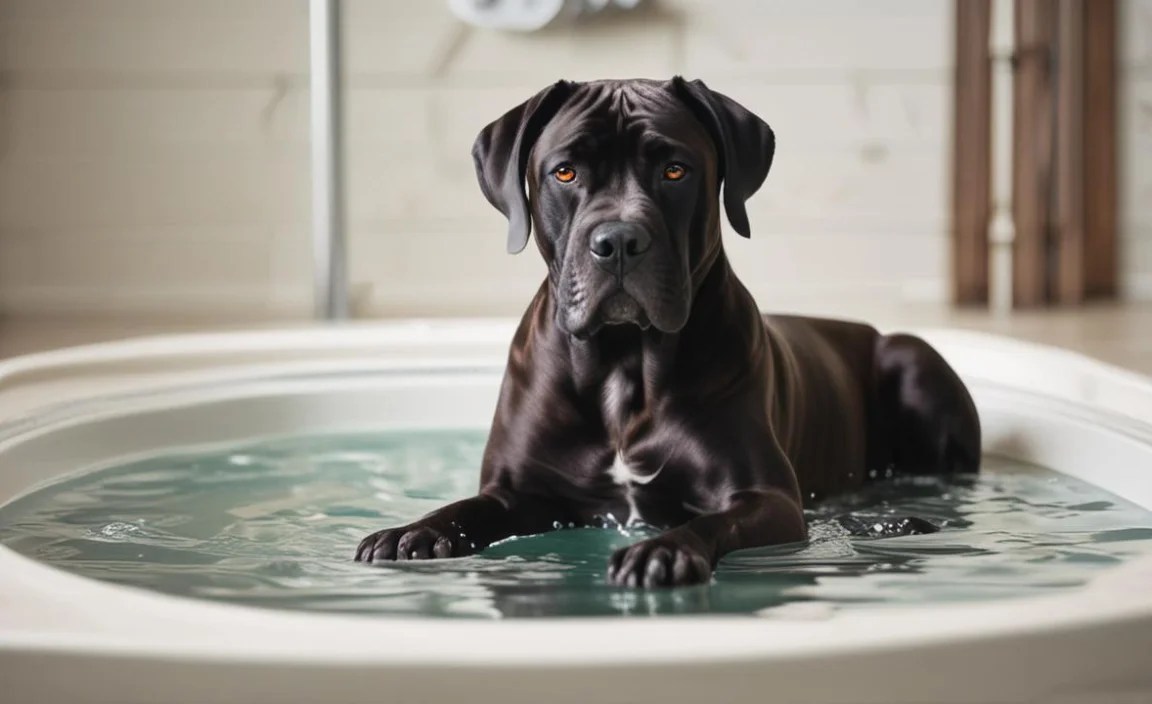
Even with optimal nutrition, some preparation can make a world of difference for bath time with a large dog like a Cane Corso. The goal is to create a positive and comfortable experience from the start.
Pre-Bath Routine
- Brush Thoroughly: Before the bath, give your Cane Corso a good brushing. This removes loose fur, dirt, and any mats or tangles. A well-brushed coat allows water and shampoo to reach the skin more effectively and helps prevent tangles from becoming worse when wet. This is especially important for the thick coat of a Cane Corso, which can trap water.
- Exercise Gently: A tired dog is often a more relaxed dog. A calm walk or some gentle play before the bath can help expend some energy, making them more amenable to standing still. Avoid overly vigorous activity right before bathing, as this can make them hot and more restless.
- Choose the Right Location: A large, walk-in shower or a large utility tub is ideal for a Cane Corso. Ensure the area is non-slip. You can place a rubber mat with suction cups on the bottom of the tub or shower floor to give your dog better traction and stability.
- Gather Supplies: Have everything you need within reach before you start. This includes dog-specific shampoo, conditioner (if needed), towels, a brush for post-bath, and any treats you’ll use for positive reinforcement.
Positive Association with the Bath Area
If your Cane Corso is nervous about the bath area, spend time there without actually bathing them. Toss treats into the tub or shower, let them explore, and associate the space with positive experiences. This desensitization can help reduce anxiety when it’s time for a wash.
Step-by-Step Bathing Guide for Cane Corsos

Bathing your Cane Corso doesn’t have to be a wrestling match. By following these steps, you can make the process more manageable and even enjoyable for both of you.
Step 1: Acclimation and Comfort
Gently lead your dog to the bathing area. Speak in a calm, encouraging voice. Offer a small, high-value treat. If they seem anxious, take a break and try again later. Patience is key.
Step 2: Wetting the Coat
Use lukewarm water. Start by wetting their paws and legs, gradually working your way up their body. Avoid spraying water directly into their face, ears, or eyes. You can use a cup or a washcloth to gently wet their face if necessary. Ensure their entire coat is thoroughly soaked down to the skin, as this helps the shampoo lather effectively.
Step 3: Shampooing
Use a high-quality, dog-specific shampoo. Shampoos formulated for sensitive skin or those with oatmeal can be beneficial for dogs prone to dryness or irritation, especially given the importance of a healthy skin barrier derived partly from their diet. Lather the shampoo thoroughly from neck to tail, massaging it into their coat. Be sure to get down to the skin.
For a Cane Corso, a good quality dog shampoo is essential. Look for ingredients that are moisturizing and gentle. If you’re looking for external resources on choosing pet grooming products, you can check out reviews and guides from reputable sources like the American Kennel Club (AKC), they often have product recommendations and grooming tips.
Step 4: Rinsing
This is a critical step. Rinse thoroughly until the water runs clear and there is no sign of shampoo suds. Leftover shampoo can irritate the skin and dull the coat. Pay extra attention to areas where the fur is thick, ensuring all shampoo residue is washed away. Incomplete rinsing is a common cause of post-bath itching.
Step 5: Conditioning (Optional but Recommended)
If your Cane Corso has dry skin or a rough coat, a dog-specific conditioner can help restore moisture and add shine. Apply it after shampooing, let it sit for a few minutes as per product instructions, and then rinse thoroughly. This can significantly improve coat texture and comfort.
Step 6: Drying
Gently squeeze excess water from their coat with your hands. Use large, absorbent towels to pat and blot their fur dry, rather than rubbing vigorously, which can create tangles. For Cane Corsos, especially in cooler weather, you might consider using a dog-specific blow dryer on a cool or low heat setting. Keep the dryer moving and the nozzle at a distance to avoid overheating their skin. This also helps fluff their coat.
Step 7: Post-Bath Brushing and Reward
Once mostly dry, give your Cane Corso another brush to detangle any remaining knots and ensure their coat is smooth and even. This is also a good time to check their skin for any new lumps, bumps, or irritations. End the session with praise and a special treat. You want them to associate the entire experience, from start to finish, with positive reinforcement.
Frequency of Bathing for Cane Corsos
The ideal bathing frequency for a Cane Corso depends on several factors, including their activity level, skin condition, environment, and the quality of their diet. Over-bathing can strip the natural oils from their skin and coat, leading to dryness and irritation, making the bathing process itself less pleasant. Under-bathing can lead to a buildup of dirt, odor, and potential skin issues.
General Guidelines
- Every 4-8 Weeks: For most Cane Corsos, a bath every 4 to 8 weeks is sufficient. This allows their natural oils to protect their skin while keeping them clean.
- As Needed: If your Cane Corso enjoys rolling in mud puddles or gets particularly dirty between scheduled baths, a spot clean or a full bath might be necessary. Use pet-safe wipes or a damp cloth for quick clean-ups.
- Active Dogs: Dogs that spend a lot of time outdoors, swimming, or participating in activities might need baths more frequently, but always monitor their skin for any signs of dryness or irritation.
- Skin Conditions: If your Cane Corso has a specific skin condition, your veterinarian might recommend medicated baths more or less frequently. Follow their professional advice strictly.
Remember, a consistent, high-quality diet contributes significantly to the health of your Cane Corso’s skin and coat, potentially reducing the need for frequent bathing due to issues like excessive dryness or oiliness.
When to Consult a Veterinarian
While diet and bathing are key components of your Cane Corso’s care, there are times when professional veterinary advice is essential. If you notice persistent skin issues, or if your dog shows extreme distress during bathing, it’s time to consult your vet.
Warning Signs to Watch For:
- Excessive Itching or Scratching: This can indicate fleas, allergies, or an underlying skin infection.
- Redness, Rashes, or Sores: These are clear signs of irritation or infection that need medical attention.
- Dull, Brittle, or Excessive Hair Loss: This can point to nutritional deficiencies, hormonal imbalances, or other health problems.
- Persistent Odor: A strong, foul odor that doesn’t go away with bathing might signify a skin infection or other medical issue.
- Extreme Stress or Aggression During Bathing: If your dog becomes overly anxious, fearful, or aggressive, there might be an underlying pain or discomfort that a vet can help diagnose.
- Poor Appetite or Lethargy: Changes in diet or bathing routine might coincide with other health changes that warrant veterinary attention.
Your veterinarian can help diagnose the root cause of skin problems, recommend specific dietary adjustments, suggest appropriate grooming products, or prescribe medicated shampoos or supplements. They are your best resource for ensuring your Cane Corso remains healthy and comfortable.
FAQ: Cane Corso Diet Bathing Essentials
Q1: How often should I feed my Cane Corso?
A1: Adult Cane Corsos are typically fed twice a day. Puppies require more frequent meals, usually three to four times a day, gradually reducing to twice a day as they mature. Always follow the feeding guidelines on your chosen dog food or your veterinarian’s recommendations.
Q2: Can I use human shampoo on my Cane Corso?
A2: No, it is not recommended to use human shampoo on your Cane Corso. Human shampoos have a different pH balance than dog skin and can strip natural oils, leading to dryness, irritation, and potential skin problems. Always use a shampoo specifically formulated for dogs.
Q3: My Cane Corso has dry, flaky skin. What should I do?
A3: Dry, flaky skin can often be improved through diet. Ensure your dog is eating a high-quality food rich in Omega-3 and Omega-6 fatty acids. Consider asking your vet about fish oil supplements. Gentle shampoos and conditioners designed for sensitive skin can also help during bathing. If it persists, consult your veterinarian.
Q4: My Cane Corso hates getting wet for baths. How can I make it easier?
A4: Start by making the bath area a positive place with treats and praise. Use lukewarm water and a gentle spray. Wet them gradually, avoiding their head at first. Use lots of verbal praise and treats throughout the process. Make sure the water in the tub or shower has good traction with a non-slip mat.
Q5: What is considered a “high-quality” dog food for a Cane Corso?
A5: High-quality dog food for a Cane Corso will have a named animal protein source (like chicken, beef, lamb) as the first ingredient, followed by other whole food ingredients. It will be free from excessive fillers, artificial colors, and flavors. Look for formulas specifically designed for large breeds and for your dog’s life stage.
Q6: Are there any specific foods that can improve my Cane Corso’s coat?
A6: Yes, foods rich in Omega-3 and Omega-6 fatty acids are excellent for coat health. These are often found in fish-based foods or can be supplemented through fish oil. Foods containing biotin and zinc also contribute to healthy skin and a shiny coat. Ensure your primary food is well-balanced.
Conclusion
Taking care of your Cane Corso’s skin and coat health is a cornerstone of their overall well-being, and it directly impacts how smoothly bath time goes. By focusing on a high-quality, balanced diet rich in essential nutrients, you’re laying the groundwork for healthy skin and a more manageable coat. This nutritional foundation, combined with a prepared, patient, and positive approach to bathing, will transform a potentially stressful chore into a rewarding bonding experience. Remember to brush thoroughly before baths, use gentle, dog-specific products, rinse completely, and always end on a positive note with praise and rewards. Regularly assess your Cane Corso’s skin and coat for any changes, and don’t hesitate to consult your veterinarian if you have concerns. With the right care and attention to their diet and grooming, your Cane Corso will not only look their best but feel their best too, making every bath a little bit easier and a lot more pleasant.


