Cane Corso diet crate meal prep simplifies feeding your giant breed. It involves pre-portioning high-quality food into labeled containers for each meal, ensuring consistent nutrition and portion control. This method prevents overfeeding, maintains freshness, and makes daily feeding effortless for busy owners.
Feeding a Cane Corso can feel like a big task, and it is! These magnificent giants need precise nutrition to thrive. One common challenge is keeping track of exactly how much your Cane Corso eats, ensuring they get the right amount of food at the right times. If you’ve ever felt a bit lost in the world of dog food portions or found yourself rushing at mealtime, you’re not alone. Getting your Cane Corso’s diet right is crucial for their health and happiness.
This guide will walk you through a simple, organized system called “Cane Corso diet crate meal prep” to make feeding your big dog a breeze. We’ll cover everything you need to know to set up a feeding routine that’s easy for you and perfect for your dog.
Why Meal Prep for Your Cane Corso?

Cane Corsos are powerful dogs with specific dietary needs. Their rapid growth as puppies and their active adult lives require a balanced diet to support strong bones, healthy muscles, and overall well-being. Meal prepping isn’t just about convenience; it’s about ensuring consistency and accuracy in your dog’s nutrition.
Consistency is Key
Dogs thrive on routine, and their diet is a big part of that. Consistent meal times and precisely measured food help regulate their digestion and energy levels. Pre-portioning eliminates guesswork, meaning your Cane Corso receives the exact amount of food recommended for their age, weight, and activity level every single day.
Portion Control for Large Breeds
Without careful management, it’s easy to overfeed a large breed like the Cane Corso, leading to weight gain. Obesity in dogs can cause serious health issues, including joint problems, heart disease, and diabetes. A Cane Corso diet crate system helps you stick to recommended feeding guidelines, preventing these risks.
Time-Saving for Busy Owners
We all lead busy lives. Spending precious minutes measuring out food multiple times a day can be a chore. Meal prepping allows you to prepare several days’ worth of meals in advance, saving you time and reducing the stress of feeding your dog, especially on hectic mornings or evenings.
Maintaining Food Freshness and Quality
Once you open a bag of dog food, it can start to lose its freshness and nutritional value over time. By portioning food into smaller, sealed containers, you help preserve its quality and prevent potential spoilage. This is especially important for kibble, which can become stale and less appealing if left exposed.
Understanding Cane Corso Nutritional Needs

Before you start prepping, it’s important to understand what your Cane Corso needs nutritionally. These dogs have specific requirements due to their breed characteristics.
Protein for Muscle Development
Cane Corsos are muscular working dogs. They require a diet rich in high-quality protein to support muscle growth and maintenance. Look for dog foods where a named meat source (like chicken, beef, or lamb) is the first ingredient.
Joint Support
Given their size, Cane Corsos are prone to joint issues like hip and elbow dysplasia. Many high-quality dog foods include glucosamine and chondroitin to support healthy joints. You might also consider supplements if recommended by your veterinarian. You can learn more about canine joint health from resources like the American Kennel Club (AKC).
Calorie Requirements
A Cane Corso puppy’s calorie needs are different from an adult’s. Puppies need more calories for growth, while adults need enough to maintain their ideal weight without gaining excess. Overfeeding during the rapid growth phase can actually be detrimental to skeletal development. Always follow the feeding guidelines on your chosen dog food packaging and adjust based on your dog’s specific needs and vet recommendations.
What Kind of Food?
The best food for your Cane Corso will depend on their life stage (puppy, adult, senior), activity level, and any specific health concerns. Most veterinarians recommend high-quality commercial dog food formulated for large breeds. There are various types:
- Kibble: Dry, convenient, and good for dental health.
- Wet Food: More palatable, higher moisture content, but can be more expensive.
- Raw Diet: Increasingly popular, but requires careful planning to ensure nutritional completeness and safety. Always consult your vet before switching to a raw diet.
- Home-Cooked Diet: Offers great control over ingredients, but absolutely requires veterinary nutritionist guidance to be balanced.
No matter the type of food, consistency in the ingredients and quality is vital. Always choose a food that meets AAFCO (Association of American Feed Control Officials) nutritional standards for your dog’s life stage.
Setting Up Your Cane Corso Diet Crate System

A “Cane Corso diet crate” isn’t a physical crate for confinement; it’s a system or a designated space where you organize your dog’s food for the week. Think of it as your dog’s personal meal station, laid out in advance.
What You’ll Need: Essential Tools
To get started with your meal prep, gather these items:
- A Designated Area: This can be a shelf in your pantry, a specific drawer, or even a clean plastic bin.
- Airtight Food Storage Containers: Reusable plastic containers, glass containers, or sturdy, sealable bags work well. Ensure they are food-grade and easy to clean.
- Measuring Cups and Spoons: Accurate tools are crucial for portion control.
- Labels and a Marker: For clear identification of each meal and date.
- Your Dog’s Food: High-quality food appropriate for your Cane Corso.
- A Scale (Optional but Recommended): For the most precise measurements, especially if transitioning foods or dealing with specific dietary needs.
Step-by-Step Meal Prep Guide
Here’s how to set up your Cane Corso diet crate for a week of stress-free feeding:
- Consult Your Veterinarian: Before you begin, confirm the exact portion size your Cane Corso needs per meal. This depends on their age, weight, activity level, and the specific food you are using. They can help you calculate this accurately.
- Determine Daily Food Amount: Check the feeding guide on your dog food bag for a dog of your Cane Corso’s weight and age. Remember to adjust based on your vet’s recommendation and your dog’s body condition.
- Calculate Per-Meal Portions: Divide the total daily amount by the number of meals you feed per day (usually two for adult Cane Corsos).
- Prepare Your Workspace: Find a clean, flat surface. Wash your hands thoroughly.
- Measure Out Each Meal: Using your measuring cups or scale, carefully measure the correct portion size for one meal.
- Portion into Containers: Place the measured food into an individual airtight container or bag.
- Label Each Container: This is a vital step! Label clearly with:
- The date the meal is intended for (e.g., “Monday AM,” “Monday PM”).
- Your dog’s name (especially if you have multiple dogs).
- The specific food type (if you use more than one).
- Repeat for All Meals: Continue this process for every meal you plan to prep. If you prep for 3 days, you’ll need containers for 6 meals (3 days x 2 meals/day).
- Store Appropriately: Store the pre-portioned meals:
- Refrigeration: For wet food or if you live in a very warm climate and are concerned about kibble’s freshness, refrigerate the containers. Most kibble can simply be stored in airtight containers in a cool pantry.
- Freezing: If you prep for longer than 3-4 days, consider freezing portions of kibble. Thaw them in the refrigerator overnight before feeding.
- Gather Serving Tools: Keep your dog’s designated food bowls clean and ready.
Example Meal Prep Schedule (3-Day Plan)
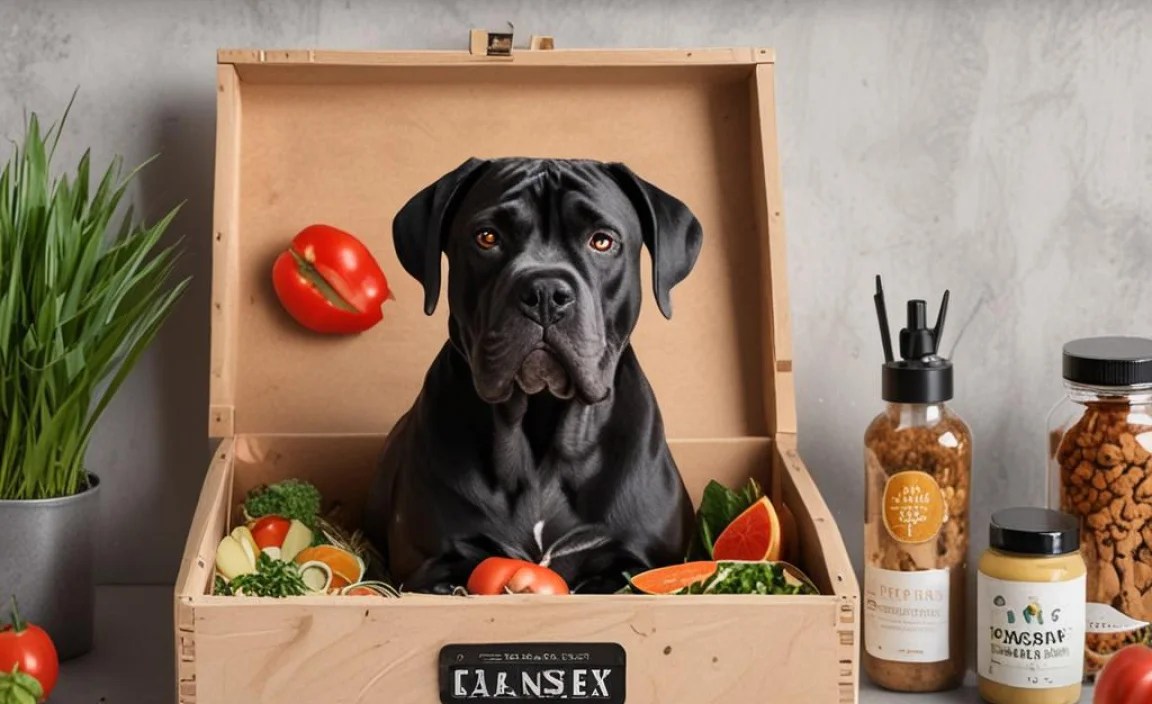
Let’s say your 100lb adult Cane Corso needs 4 cups of kibble per day, split into two meals of 2 cups each. Here’s how you might prep for 3 days:
Day 1
- Morning Meal: 2 cups of kibble in a container labeled “Monday AM – [Dog’s Name]”
- Evening Meal: 2 cups of kibble in a container labeled “Monday PM – [Dog’s Name]”
Day 2
- Morning Meal: 2 cups of kibble in a container labeled “Tuesday AM – [Dog’s Name]”
- Evening Meal: 2 cups of kibble in a container labeled “Tuesday PM – [Dog’s Name]”
Day 3
- Morning Meal: 2 cups of kibble in a container labeled “Wednesday AM – [Dog’s Name]”
- Evening Meal: 2 cups of kibble in a container labeled “Wednesday PM – [Dog’s Name]”
This ensures that at every mealtime, all you need to do is grab the correctly labeled container and serve. For ease, you can store these pre-portioned containers in a dedicated bin or shelf in your pantry or refrigerator.
Choosing the Right Food Containers

The type of container you use can impact freshness and ease of use. Here’s a look at common options:
| Container Type | Pros | Cons | Best For |
|---|---|---|---|
| Airtight Plastic Containers (e.g., Tupperware-style) | Durable, reusable, stackable, available in various sizes, good seal. | Can stain or retain odors over time, some plastics may leach chemicals if heated. Ensure they are BPA-free. | Kibble, pre-cooked wet food. |
| Glass Containers (e.g., Pyrex-style) | Non-porous, won’t stain or hold odors, microwave-safe (without lids), durable. | Heavier, can break if dropped, generally more expensive. | Wet food, home-cooked meals, for owners concerned about plastic. |
| Resealable Food Bags (e.g., Ziploc-style freezer bags) | Space-saving when empty, inexpensive, easy to label. | Less durable, less effective seal for long-term freshness compared to rigid containers, single-use (less eco-friendly). | Kibble, especially for short-term prep (2-3 days). |
| Dedicated Pet Food Storage Bins | Large capacity for bulk kibble, often airtight and on wheels, keeps food fresh and pests out. | Not ideal for individual meal portions, best for storing the main bag of food. | Storing large bags of kibble; not for pre-portioned meals. |
For individual meal prep, airtight plastic or glass containers are generally the most practical and effective. If you’re using ziploc-style bags, ensure they are specifically designed for food storage and are robust enough to prevent spills.
Tips for Success and Special Considerations
Making meal prep a habit is easier with a few extra tricks up your sleeve.
Consistency in Food Type
While variety can be good, sudden changes in diet can upset your dog’s stomach. If you need to switch foods, do so gradually over 7-10 days. The Cornell University College of Veterinary Medicine offers valuable insights into canine digestion.
Adding Supplements
If your veterinarian has recommended supplements (e.g., joint supplements, probiotics, omega-3 fatty acids), you can often mix them into your dog’s meal portions during the prep phase. Ensure they are well-distributed throughout the food.
Dealing with Wet Food
If you feed wet food, it’s crucial to store pre-portioned meals in airtight containers, preferably glass, and keep them refrigerated. Wet food is more perishable than kibble. You can also freeze portions of wet food if prepping for more than a few days, thawing them in the refrigerator overnight.
Puppy Meal Prep
Cane Corso puppies grow incredibly fast and require multiple meals per day (typically 3-4 for very young puppies, tapering to 2 as they approach adulthood). Meal prepping is especially beneficial for puppies to ensure they receive consistent nutrition for their rapid development. However, puppy nutritional needs change rapidly, so always consult your vet for exact portion sizes as they grow.
Incorporating Fresh Foods (with caution!)
Some owners like to add a small amount of fresh food to their dog’s diet. If you choose to do this, ensure the fresh additions are safe for dogs and are accounted for in your dog’s total daily calorie intake. For example, small amounts of plain, cooked chicken or certain vegetables like carrots or green beans can be added. Always research which human foods are safe for dogs and consult your vet. For example, onions, garlic, and grapes are highly toxic to dogs. Resources like the ASPCA’s Animal Poison Control list can be a lifesaver.
Hygiene is Paramount
Always wash your hands before and after handling your dog’s food and containers. Clean your prep area and containers thoroughly to prevent bacterial growth. If food smells off or looks unusual, discard it immediately.
Common Pitfalls to Avoid
Even with the best intentions, some mistakes can happen. Here are a few common pitfalls to watch out for:
- Not measuring accurately: Relying on free-pouring kibble is a recipe for over or underfeeding. Use measuring cups or a scale.
- Using inadequate containers: Food left exposed can go stale, attract pests, or become contaminated. Always use airtight containers.
- Forgetting to label: Mixing up meals or days can lead to feeding errors. Clear labels are essential.
- Overprepping: For kibble, prepping for more than 5-7 days at a time may lead to staleness. For wet food, 3-4 days refrigerated or a week frozen is a good maximum.
- Ignoring your dog’s body condition: Meal prep is a tool, not a substitute for observation. Adjust portions if your dog is gaining or losing weight inappropriately.
- Skipping vet consultations: Your vet is your best resource for determining your Cane Corso’s specific nutritional needs.
Making it a Habit
Like any new routine, meal prepping takes a little getting used to. Here are some ways to ensure it becomes a regular part of your week:
- Schedule dedicated prep time: Set aside an hour or two on a specific day each week (e.g., Sunday afternoon) for meal prepping. Treat it like any other appointment.
- Prep in bulk: If you have limited freezer or fridge space, decide if you want to prep for 3 days at a time and then repeat the process mid-week, or if you can prep for a full week.
- Involve the family: If other members of your household help with dog care, get them involved in the meal prep process. This ensures everyone is on the same page.
- Keep it simple: Don’t get overly complicated with recipes or additions, especially when you’re starting out. Focus on getting the basic portioning right.
- Celebrate successes: Notice how much easier feeding time becomes and how your dog benefits from consistent nutrition. Positive reinforcement for yourself!
Frequently Asked Questions (FAQs)
Q1: How much food does a Cane Corso puppy need daily?
A1: A Cane Corso puppy’s food needs change rapidly. Generally, very young puppies (8-12 weeks) might eat 3-4 meals a day totaling 3-4 cups, while older puppies (6-12 months) may eat 2 meals a day totaling 4-6 cups. Always follow the specific feeding guidelines on your puppy food and consult your veterinarian for precise amounts as they grow.
Q2: Can I use just one large container for all of my Cane Corso’s food for the week?
A2: While convenient for storing bulk kibble, using one large container for the entire week’s meals is not


