Discover the ideal Cane Corso diet for your dog park adventures, ensuring they have the energy and health to thrive in active social settings. A balanced diet rich in protein, healthy fats, and essential nutrients supports muscle development, sustained energy, and overall well-being for your big companion.
Taking your majestic Cane Corso to the dog park is one of the greatest joys of ownership. It’s a place for them to socialize, burn off energy, and simply be dogs. But to ensure these outings are as safe and enjoyable as possible, their diet plays a crucial role. A well-nourished Cane Corso is a happy and healthy Cane Corso, better equipped to handle the excitement and physical demands of the park.
For new owners, figuring out the “just right” food can feel overwhelming, especially with a breed as large and active as the Cane Corso. Don’t worry! This guide is here to break down exactly what your gentle giant needs to fuel their fun. We’ll cover everything from what goes into their bowl at home to what to consider before heading out to play.
Understanding Cane Corso Nutritional Needs
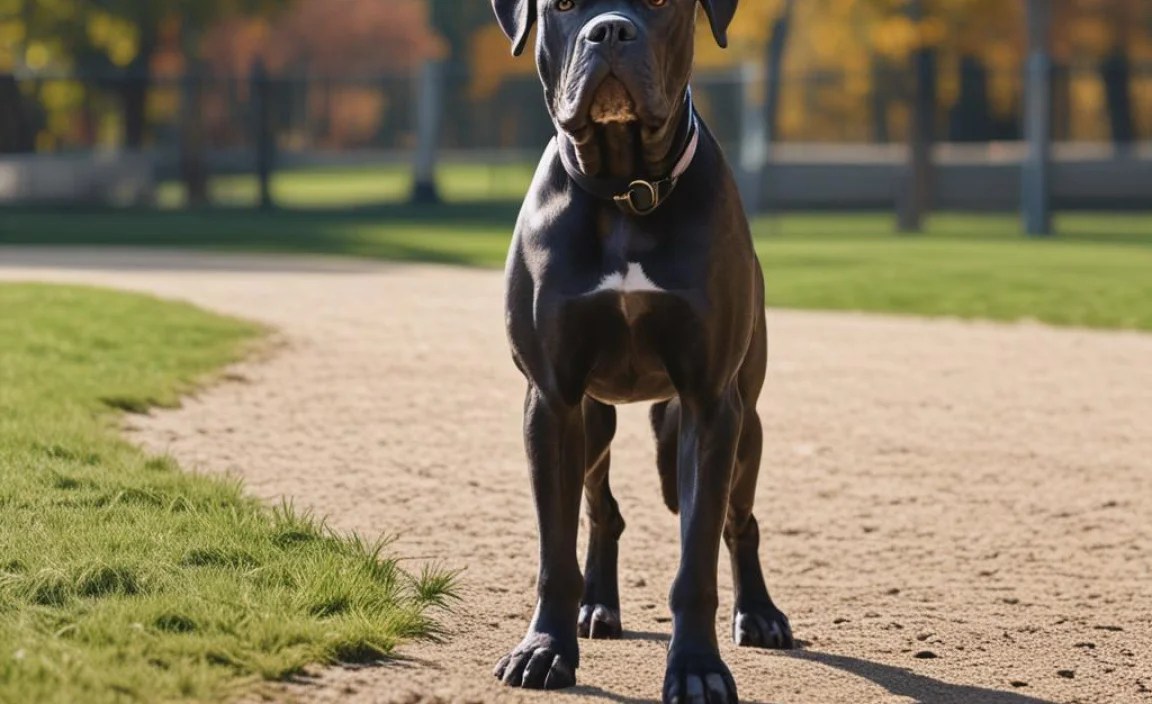
Cane Corsos are powerful, muscular dogs with a robust build. Their nutritional requirements are therefore quite different from those of smaller or less active breeds. Meeting these needs ensures they grow strong, maintain a healthy weight, and have the energy for their adventures, whether it’s a day at the dog park or simply accompanying you on a walk.
Key Nutritional Components for Cane Corsos
A balanced diet for a Cane Corso should focus on quality ingredients that provide the right mix of macronutrients and micronutrients.
- Protein: Essential for building and repairing muscle tissue. Look for high-quality animal protein sources like chicken, beef, lamb, or fish as the primary ingredients in their food. For a growing Cane Corso, protein needs are higher.
- Fats: Provide a concentrated source of energy and are vital for healthy skin and a shiny coat. Omega-3 and Omega-6 fatty acids are particularly beneficial.
- Carbohydrates: Offer readily available energy. Complex carbohydrates like sweet potatoes, brown rice, and oats are excellent choices, providing sustained energy release rather than quick spikes and crashes.
- Vitamins and Minerals: Crucial for numerous bodily functions, including immune health, bone strength, and metabolism. Calcium and Phosphorus are especially important for bone development in large breeds.
Life Stage Considerations
Your Cane Corso’s dietary needs will change as they grow.
- Puppies: Require a diet formulated specifically for large-breed puppies. This helps control their growth rate, preventing rapid bone development that can lead to skeletal issues like hip dysplasia. Feeding a high-quality large-breed puppy food is paramount.
- Adults: Once fully grown, they need a balanced adult maintenance diet that supports their activity level and overall health.
- Seniors: As they age, their metabolism may slow, and they might benefit from senior formulas with adjusted calorie counts, increased fiber, and joint-supporting supplements like glucosamine and chondroitin.
Choosing the Right Food for Your Cane Corso

The sheer variety of dog food on the market can be daunting. When selecting a diet for your Cane Corso, prioritize quality, suitability for large breeds, and your dog’s individual needs.
Kibble vs. Wet Food vs. Raw Diets
Each type of food has its pros and cons.
- Dry Kibble: Convenient, cost-effective, and can help with dental hygiene. It’s essential to choose a high-quality kibble specifically formulated for large breeds with premium protein sources.
- Wet Food: More palatable for some dogs and has a higher moisture content, which can be good for hydration. However, it’s typically more expensive and can contribute to dental issues if not managed.
- Raw Diets (BARF): Can offer significant benefits for some dogs, including improved digestion and coat health. However, they require careful planning to ensure nutritional completeness and can pose a risk of bacterial contamination if not handled properly. Consulting with a veterinary nutritionist is highly recommended before starting a raw diet. For beginners, kibble or a high-quality commercially prepared wet food is generally easier to manage.
For most Cane Corso owners, a high-quality, large-breed specific kibble is a reliable and accessible choice. Look for brands that list a named meat source (e.g., “deboned chicken,” “lamb meal”) as the first ingredient. You’ll want to avoid foods with excessive fillers like corn, wheat, and soy, especially if your dog has sensitivities.
Understanding Dog Food Labels
Decoding dog food labels can be tricky, but a few key points will help you make informed decisions.
- Guaranteed Analysis: This provides the minimum percentages of crude protein and crude fat, and the maximum percentages of crude fiber and moisture.
- Ingredient List: Ingredients are listed by weight, from highest to lowest. As mentioned, aim for meat as the first ingredient.
- AAFCO Statement: Look for a statement from the Association of American Feed Control Officials (AAFCO) indicating that the food is “complete and balanced” for a specific life stage (e.g., “for all life stages,” “for growth,” “for maintenance”).
Cane Corso Diet and the Dog Park: Fueling Fun and Safety

The dog park is a high-energy environment. Your Cane Corso needs the right fuel to enjoy it safely and responsibly. Timing meals and providing appropriate snacks can make a big difference.
Pre-Park Nutrition: Timing is Everything
Feeding your dog right before heading to the park can lead to discomfort and even dangerous bloat, a condition more common in deep-chested breeds like the Cane Corso.
It’s generally recommended to feed your Cane Corso at least 1-2 hours before any strenuous activity, including a trip to the dog park. This allows their stomach to empty partially, reducing the risk of bloat. Make sure it’s not their largest meal of the day, and avoid vigorous exercise immediately after eating.
Hydration at the Dog Park
Your Cane Corso will need plenty of water, especially during active play. Always bring a portable water bowl and a fresh supply of water from home. While dog park water fountains might seem convenient, their cleanliness can be questionable, and public water bowls can harbor germs. Bringing your own ensures your furry friend stays safely hydrated.
Post-Park Refueling
After a good romp at the park, your Cane Corso might be tired and hungry. A balanced meal after exercise can help with muscle recovery. If it’s not a scheduled mealtime, a small, nutritious treat can also be beneficial.
Treats and Snacks for the Park
If you plan to use treats for training or positive reinforcement at the park, choose wisely.
- High-Value, Small Treats: Opt for small, calorie-controlled treats. This prevents overfeeding and keeps your dog focused.
- Avoid Gassy Foods: Don’t feed your dog beans, certain vegetables, or rich foods close to park time, as an increase in activity can lead to uncomfortable gas.
- Water-Rich Snacks: On hot days, consider carrying small pieces of fruits like watermelon (seeds and rind removed) or cucumber for a hydrating, low-calorie snack.
Dietary Considerations for a Healthy Cane Corso at the Park

Specific dietary choices can enhance your Cane Corso’s experience and health at the dog park.
Joint Health Support
As a large breed, Cane Corsos can be prone to joint issues.
- Glucosamine and Chondroitin: Many large-breed formulas include these supplements to support cartilage health. You can also find them as standalone supplements.
- Omega-3 Fatty Acids: Found in fish oil, these can help reduce inflammation in the joints, making movement more comfortable.
Digestive Health
A healthy digestive system means a happier dog with fewer tummy troubles, which is important when introducing new environments or increasing activity.
- Probiotics and Prebiotics: These can aid digestion and support a healthy gut microbiome. Some high-quality dog foods include these, or they can be given as supplements.
- Consistent Feeding Schedule: Feeding your Cane Corso at roughly the same times each day helps regulate their digestive system.
Weight Management
An overweight Cane Corso will have a harder time at the park, leading to increased strain on their joints and a higher risk of heatstroke. An underweight dog may lack the stamina for extended play.
Regularly monitor your Cane Corso’s body condition. You should be able to feel their ribs without pressing hard, and they should have a visible waist when viewed from above. Adjust food portions as needed, and consult your veterinarian if you’re unsure about their ideal weight.
A Sample Feeding Schedule and Food Recommendations (Beginner-Friendly)

Here’s a basic guideline to help you establish a healthy routine. Remember, this is a template; your individual dog’s needs may vary. Always consult your veterinarian.
Daily Feeding Schedule Example
For an adult Cane Corso, typically two meals per day are recommended.
| Time | Meal/Activity | Notes |
|---|---|---|
| 7:00 AM | Breakfast | Portion of high-quality kibble (e.g., large breed formula). |
| 10:00 AM – 12:00 PM | Dog Park Visit | Ensure plenty of water is available before, during, and after. Avoid feeding within 1-2 hours prior. |
| 2:00 PM | Small, Healthy Snack (Optional) | A few training treats or a piece of safe fruit/vegetable if needed. |
| 6:00 PM | Dinner | Second portion of high-quality kibble. Avoid vigorous exercise immediately after. |
| Throughout the Day | Water | Constant access to fresh water. |
Recommended Food Qualities to Look For
When selecting a food, prioritize these attributes:
- Named Meat Source: Chicken, beef, lamb, fish, etc., as the first ingredient.
- Formulated for Large Breeds: Specifically designed to manage growth rates and development for big dogs.
- Appropriate Life Stage: Puppy, adult, or senior formula.
- Controlled Minerals: Particularly calcium and phosphorus, crucial for bone health.
- Added Joint Support: Glucosamine and chondroitin are beneficial.
- Natural Preservatives: Avoid artificial colors, flavors, and chemical preservatives like BHA, BHT, and ethoxyquin. Natural preservatives like Vitamin E (tocopherols) and Rosemary extract are preferred.
Examples of reputable brands that often meet these criteria (always check specific product labels as formulations can change and vary by product line):
- Orijen
- Acana
- Hill’s Science Diet (Large Breed formulas)
- Royal Canin (Giant Breed formulas)
- Blue Buffalo (Large Breed or specific life stage formulas)
It’s always best to discuss food choices with your veterinarian, as they can recommend brands and specific products based on your dog’s individual health and any potential sensitivities. For more information on canine nutrition, the FDA’s pet food advisories and recalls can be a useful, authoritative resource to stay informed about safety.
What to Avoid Feeding Your Cane Corso
While focusing on what to feed is important, knowing what to avoid is equally critical for your Cane Corso’s health and safety, especially around energetic activities like the dog park.
Common Toxic Foods
Many human foods that are safe for us can be extremely dangerous for dogs.
- Chocolate: Contains theobromine, which is toxic to dogs.
- Grapes and Raisins: Can cause kidney failure.
- Onions, Garlic, and Chives: Can damage red blood cells and lead to anemia.
- Xylitol: An artificial sweetener found in many sugar-free products (gum, candy, peanut butter); it can cause a rapid drop in blood sugar and liver failure.
- Alcohol and Caffeine: Highly toxic.
- Cooked Bones: Can splinter and cause internal damage or become a choking hazard.
Foods that Cause Digestive Upset
Even non-toxic foods can cause significant discomfort if your dog isn’t used to them or if they are fed in large quantities.
- Fatty Foods: High-fat snacks can lead to pancreatitis, a painful inflammation of the pancreas.
- Spicy Foods: Can irritate their digestive tract.
- Dairy Products: Many dogs are lactose intolerant and can experience diarrhea and vomiting.
- Excessive Grains or Fiber: Can lead to gas and bloating, especially problematic before or after strenuous activity.
When in doubt, always err on the side of caution. If you’re unsure if a food is safe, don’t feed it to your dog. The ASPCA Animal Poison Control Center offers extensive lists of toxic foods and plants, which is an excellent resource for every pet owner.
Common Dog Park Scenarios and Dietary Solutions
Sometimes, your dog’s diet can influence or be influenced by common dog park situations.
Loose Stools or Diarrhea at the Park
If your Cane Corso frequently experiences loose stools after socializing, it might be related to:
- Excitement/Stress: Some dogs get an upset stomach from the excitement or anxiety of the park.
- Dietary Indiscretion: They might be eating something they shouldn’t in the park.
- Sudden Diet Change: If you’ve recently switched their food without a proper transition.
Solution: Ensure a consistent, high-quality diet a few days before and after the park. Introduce probiotic supplements specifically designed for dogs, which can help regulate their digestive system. If it persists, consult your vet to rule out any underlying health issues. For a solid guide on transitioning dog food, sites like The American Kennel Club (AKC) provide vetted advice.
Low Energy Levels
If your Cane Corso seems to tire out too quickly at the park, it could be a sign of:
- Inadequate Calorie Intake: They aren’t eating enough to sustain their activity level.
- Poor Quality Food: The food they are eating doesn’t provide sufficient nutrients or energy.
- Underlying Health Issue: This is less common but possible.
Solution: Assess their current diet. Are they on a large-breed, highly active formula? Are the ingredients high quality? Ensure they are getting enough food for their size and activity level, but avoid overfeeding, which can also lead to lethargy. Consult your veterinarian to ensure there are no underlying medical reasons.
Allergic Reactions or Sensitivities
Some dogs develop sensitivities to common food ingredients like chicken, grain, or certain preservatives.
- Symptoms: Itchy skin, ear infections, digestive upset, or general redness.
- Suspect Ingredients: Grains (corn, wheat, soy), chicken, beef, artificial additives.
Solution: Work with your veterinarian to identify potential allergens and transition your Cane Corso to a limited ingredient diet (LID) or a novel protein diet. Foods with duck, fish, or venison, and those that are grain-free or made with alternative carbohydrates like sweet potato or peas, can be effective. Remember to transition slowly over 7-10 days to avoid further digestive upset.
Frequently Asked Questions About Cane Corso Diet and Dog Parks
Frequently Asked Questions
Q1: How much food should I feed my Cane Corso before going to the dog park?
It’s best to avoid feeding a large meal right before the park. Give them about 50-75% of their usual meal 2-3 hours beforehand, or if feeding a full meal, ensure it’s at least 2 hours prior to strenuous activity. This helps prevent bloat.
Q2: Can I give my Cane Corso supplements for energy or joint health?
Yes, supplements like glucosamine, chondroitin, and omega-3 fatty acids can be beneficial for joint health, especially in a large, active breed like the Cane Corso. For energy, ensure their diet is already high-quality and balanced. Always consult your veterinarian before starting any new supplements, as they can advise on appropriate types and dosages.
Q3: What are the best treats to use at the dog park for training my Cane Corso?
Small, nutrient-dense treats are ideal. Look for options that are low in calories and made with high-quality ingredients. Soft, chewy training treats or small pieces of freeze-dried meat work well and are highly motivating for dogs.


