Cane Corso diet and exercise are crucial for their health, strength, and temperament. Proper nutrition supports their large frame, while consistent physical activity prevents obesity and fosters a calm demeanor. This guide provides essential tips for feeding and exercising your Cane Corso, ensuring a happy and healthy life for your powerful companion.
Welcome to the world of Cane Corsos! These magnificent dogs are known for their impressive size, loyalty, and protective nature. But with great power comes great responsibility, especially when it comes to their diet and exercise. Many new Cane Corso owners find it confusing to figure out exactly what to feed their gentle giant and how much activity they truly need. It’s a common frustration, but don’t worry!
Getting their diet and exercise right doesn’t have to be complicated. We’ll walk through simple, actionable steps to ensure your Cane Corso thrives. Read on to discover the essential tips that will keep your canine companion healthy, happy, and by your side for years to come.
Understanding Your Cane Corso’s Nutritional Needs

Cane Corsos are large breed dogs. This means their nutritional requirements differ quite a bit from smaller breeds. They need food that supports strong bones, healthy muscles, and sustained energy levels without leading to unhealthy weight gain. Their growth during puppyhood is rapid, and it’s critical to provide them with the right balance of nutrients during this formative stage to prevent orthopedic issues. As adults, their diet needs to maintain their lean muscle mass and energy for their daily activities.
What to Look for in Cane Corso Food
When selecting food for your Cane Corso, think about high-quality ingredients. Look for foods that list a named meat source (like chicken, beef, or lamb) as the first ingredient. This protein is essential for building and repairing tissues, crucial for such an athletic breed. Avoid foods with excessive fillers like corn, wheat, or soy, especially if your dog shows signs of allergies or sensitivities. The best foods will also contain healthy fats for energy and coat health, as well as essential vitamins and minerals.
Protein Power
High-quality animal protein should be the cornerstone of your Cane Corso’s diet. Aim for foods with a protein content between 22-26% for adult dogs and 26-30% for puppies. This will help maintain their lean muscle mass and provide the energy they need for their active lifestyle.
Healthy Fats for Energy and Shine
Fats are a concentrated source of energy and are vital for absorbing fat-soluble vitamins. Look for omega-3 and omega-6 fatty acids, often found in fish oil or flaxseed. These are great for coat health, skin vitality, and reducing inflammation.
Carbohydrates for Fuel
Complex carbohydrates provide sustained energy. Good sources include sweet potatoes, brown rice, or oats. These are generally easier to digest than simple fillers and provide beneficial fiber.
Vitamins and Minerals
Ensure the food is fortified with essential vitamins and minerals like calcium and phosphorus, which are vital for skeletal health, especially in large breeds. Glucosamine and chondroitin are also beneficial for joint health.
Kibble vs. Wet Food vs. Raw Diet
There are various feeding options for your Cane Corso, each with pros and cons. The “best” diet is often the one that works well for your individual dog and fits into your lifestyle.
Kibble (Dry Food)
Pros: Convenient, easy to store, can help clean teeth, generally cost-effective.
Cons: Can be lower in moisture, some brands have lower-quality ingredients, might not be as palatable for some dogs.
Wet Food (Canned Food)
Pros: More palatable, higher moisture content, good for picky eaters.
Cons: More expensive, shorter shelf life once opened, doesn’t offer the same dental benefits as kibble.
Raw Diet (BARF – Biologically Appropriate Raw Food or Ancestral Diet)
Pros: Mimics a natural diet, can lead to improved digestion, shinier coat, and better dental health.
Cons: Can be challenging to balance nutritionally, requires careful handling to prevent bacterial contamination, more expensive and time-consuming.
Many owners choose a high-quality kibble, sometimes supplementing it with a small amount of wet food or adding healthy toppers like plain yogurt or cooked vegetables. If considering a raw diet, it’s essential to consult with a veterinary nutritionist to ensure it’s complete and balanced for your Cane Corso.
Feeding Guidelines for Cane Corso Puppies
Puppyhood is a critical time for growth. Cane Corso puppies grow very quickly, and it’s important to feed them a diet specifically formulated for large breed puppies. This type of food is designed to control the rate of growth, which helps prevent developmental orthopedic diseases like hip and elbow dysplasia. Overfeeding a puppy can lead to them growing too fast, putting excess strain on their developing joints.
Feed your Cane Corso puppy multiple small meals throughout the day. A general guideline is three to four meals per day for puppies up to six months, then reducing to two meals a day as they mature. Always follow the feeding guidelines on the puppy food packaging, but adjust based on your puppy’s individual body condition and activity level. It’s better to have a slightly leaner puppy than an overweight one.
Typical Puppy Feeding Schedule (Examples):
| Age | Meals Per Day | Approximate Amount Per Day (adjust as needed) |
|---|---|---|
| 8-12 weeks | 4 meals | 3-4 cups (high-quality large breed puppy food) |
| 3-6 months | 3-4 meals | 4-5 cups |
| 6-12 months | 3 meals, transitioning to 2 meals | 5-6+ cups |
Note: These are general guidelines. Consult your veterinarian or breeder for personalized advice.
Feeding Guidelines for Adult Cane Corsos
Once your Cane Corso reaches maturity (typically around 18-24 months), their dietary needs will shift to maintenance. Adult food should support their energy levels and help maintain a healthy body weight. Avoid foods with excessive calories, as this can lead to obesity, which can exacerbate joint problems and other health issues common in large breeds.
Most adult Cane Corsos do well on two balanced meals per day. The amount will vary based on their activity level, metabolism, and the specific food’s caloric density. A good rule of thumb is to monitor your dog’s body condition. You should be able to feel their ribs without pressing hard, and they should have a visible waist when viewed from above. If you’re unsure, ask your veterinarian for guidance.
Tips for Adult Feeding:
- Feed a high-quality adult dog food formulated for large breeds.
- Provide two meals per day.
- Measure food accurately to prevent overfeeding.
- Ensure fresh, clean water is always available.
- Monitor your dog’s body condition and adjust food intake as needed.
- Limit treats to no more than 10% of their daily caloric intake.
It’s also important to consider adding supplements if your veterinarian recommends them. For instance, some Cane Corsos may benefit from additional joint support supplements like joint health supplements, especially as they age.
Common Dietary Mistakes to Avoid
As a devoted owner, you want the best for your Cane Corso. However, some common mistakes can hinder their health. Being aware of these pitfalls can help you make better choices.
- Feeding table scraps: Human food can be too fatty, salty, or seasoned for dogs, leading to digestive upset and long-term health problems. Some common human foods are also toxic to dogs (like onions, garlic, chocolate, and grapes).
- Overfeeding: This is a major cause of obesity in dogs, leading to joint issues, heart problems, and diabetes. Stick to recommended feeding amounts and monitor your dog’s weight.
- Switching food too abruptly: Sudden changes in diet can cause stomach upset. When changing food, do so gradually over 7-10 days, slowly increasing the new food while decreasing the old.
- Ignoring ingredient quality: Cheaper foods often use lower-quality ingredients (fillers, by-products) that offer less nutritional value and can be harder to digest.
- Not enough water: Dehydration can be serious. Always ensure your dog has access to plenty of fresh, clean water.
Essential Exercise for Your Cane Corso
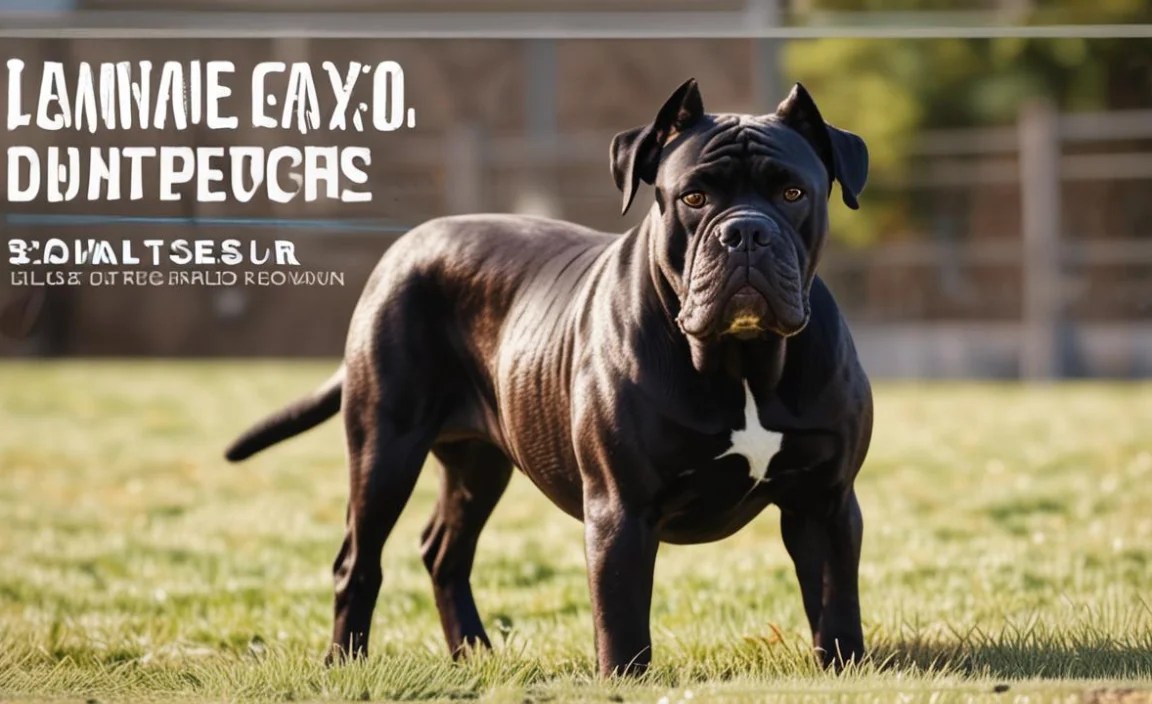
Cane Corsos were originally bred as working dogs, used for guarding, protection, and even bull-baiting. They are powerful, muscular animals with a good amount of energy. While they are not typically a breed that needs hours of high-impact exercise, they do require regular, moderate activity to stay physically and mentally healthy. Without adequate exercise, they can become bored, frustrated, and prone to developing destructive behaviors or weight gain.
How Much Exercise Does a Cane Corso Need?
An adult Cane Corso generally needs about 45-60 minutes of exercise per day. This can be broken down into two or three sessions. The intensity should be moderate – think brisk walks, playtime, and opportunities to run in a safe, enclosed area.
Puppies have different needs. Their bones and joints are still developing, so strenuous exercise should be avoided. Shorter, more frequent play sessions and gentle walks are best. Over-exercising a puppy can lead to serious joint problems later in life. A common guideline is 5 minutes of formal exercise per month of age per session, twice daily. So, a 4-month-old puppy would benefit from two 20-minute walks or play sessions per day.
Types of Exercise for Cane Corsos
Variety is key to keeping your Cane Corso engaged and preventing boredom. Here are some excellent ways to exercise your powerful companion:
Daily Walks
Daily walks are the foundation of exercise for most dogs. For a Cane Corso, these walks should be brisk and engaging. Aim for at least 30-45 minutes of walking each day. A good quality harness and a sturdy leash are essential for control.
Playtime in a Secure Area
A fenced yard is ideal for allowing your Cane Corso to run and play freely. Fetch, tug-of-war (played with rules), and interactive toys can provide both physical and mental stimulation.
Structured Training Sessions
Training isn’t just about manners; it’s also a fantastic way to exercise your dog’s mind and body. Short training sessions that incorporate commands,
obedience drills, and even simple trick training can be very rewarding and tiring for your dog.
Mental Stimulation
Don’t underestimate the power of a tired mind! Puzzle toys, treat-dispensing toys, and scent games (like hiding treats for your dog to find) can be as exhausting as physical exercise. This is especially important for preventing boredom and destructive behaviors when you can’t be actively exercising them.
Occasional Vigorous Activity
While daily intense workouts aren’t usually necessary, occasional activities can be great. Swimming is an excellent, low-impact exercise that Cane Corsos often enjoy. Long hikes on soft trails are also good, provided they are not too taxing for your dog’s joints.
Exercise Considerations for Cane Corso Puppies
As mentioned earlier, puppy exercise needs careful management. Their growth plates are still open, making them susceptible to injury from excessive or high-impact activities. Avoid:
- Long, strenuous runs or hikes.
- Jumping from heights.
- Repeated, forceful play like constant retrieving of hard objects.
- Strenuous play with much larger or older dogs.
Focus on gentle play sessions, short leash walks on soft surfaces (like grass), and basic obedience training. Socialization walks, where they safely experience new sights and sounds without overexertion, are also crucial.
Exercise Considerations for Senior Cane Corsos
As your Cane Corso ages, their exercise needs will change. While they may not have the same stamina as a young adult, regular gentle exercise is still vital for maintaining muscle mass, joint mobility, and overall health. Shorter, slower walks are ideal. Pay attention to signs of fatigue or discomfort. Swimming can be a fantastic option for seniors as it’s very gentle on the joints.
Monitor them closely for any signs of arthritis or pain. Your veterinarian can recommend supplements or medication to help manage age-related joint issues, making exercise more comfortable for your senior dog. A veterinary article on dog arthritis can provide more insight into managing joint health.
Safety First: Exercise Precautions
When exercising your Cane Corso, safety should always be your top priority. Because of their strength and protective instincts, proper management is key.
- Leash and Harness: Always use a strong, reliable leash and a well-fitting harness or collar when out in public. A front-clip harness can offer better control with less strain on the dog’s neck.
- Secure Environment: If exercising off-leash, ensure the area is completely fenced and secure. Cane Corsos have a strong prey drive and can easily get into trouble if they bolt.
- Weather Conditions: Be mindful of the weather. Brachycephalic (short-nosed) breeds like certain show-line Cane Corsos can have some breathing difficulties, and all dogs can suffer from heatstroke or frostbite. Exercise during cooler parts of the day in hot weather and provide extra protection in cold.
- Hydration: Always carry water, especially on longer walks or in warm weather.
- Awareness: Be aware of your surroundings, other dogs, and people. Train your Cane Corso to walk politely on leash and to be under good control at all times.
When Exercise Becomes a Problem
If your Cane Corso is not getting enough exercise, you might notice:
- Destructive behaviors (chewing furniture, digging).
- Excessive barking or vocalization.
- Restlessness or hyperactivity indoors after adequate rest.
- Picky eating (sometimes a sign of boredom or lack of stimulation).
- Weight gain.
Conversely, over-exercising can lead to:
- Limping or lameness.
- Reluctance to move or play.
- Swollen joints or muscles.
- Heatstroke symptoms (excessive panting, drooling, lethargy).
If you notice any concerning signs, consult your veterinarian.
Bridging Diet and Exercise: A Holistic Approach

The most effective way to ensure your Cane Corso’s well-being is to consider their diet and exercise not as separate entities, but as interconnected components of their overall health. A well-fed dog has the energy and physical resilience to engage in appropriate exercise, and regular exercise helps them efficiently utilize the nutrients they consume, reducing the risk of obesity and related health problems.
Consistency is Key
Just like with humans, consistency in feeding times and exercise routines helps establish a predictable rhythm for your Cane Corso. This stability can reduce anxiety and improve digestive regularity. Aim for feeding your dog at roughly the same times each day and providing exercise sessions with a similar frequency and duration.
Monitoring Body Condition Score (BCS)
A crucial tool for understanding if your diet and exercise regimen is working is monitoring your dog’s body condition. This isn’t just about weight; it’s about the distribution of fat and muscle. Veterinarians often use a 1-9 scale for BCS. An ideal BCS for a Cane Corso is around 4 or 5, where you can easily feel their ribs but not see them prominently, and they have a visible waistline when viewed from above and an abdominal tuck when viewed from the side.
You can learn more about body condition scoring from resources like Purina’s guide to body condition scoring.
Tailoring to the Individual
Every dog is an individual. What works perfectly for one Cane Corso might need adjustments for another. Factors like age, genetics, neuter status, underlying health conditions, and even personality play a role. A working Cane Corso will have different energy and caloric needs than a couch-potato companion dog. Regularly observe your dog. Are they maintaining a healthy weight? Do they have good energy levels? Are they happy and engaged? These observations are your best guide.
Working with Your Veterinarian
Your veterinarian is your most valuable partner in managing your Cane Corso’s health. They can help you:
- Determine the ideal food type and quantity for your dog’s life stage and health status.
- Assess your dog’s body condition score.
- Identify any potential health issues that might affect their diet or exercise needs (e


