A well-balanced Cane Corso diet is vital for their health, energy, and powerful physique. Focus on high-quality protein, appropriate fats, and essential nutrients tailored to their active, guardian nature for optimal well-being.
Cane Corsos are magnificent dogs with a purpose. They’re strong, loyal, and possess an innate desire to protect. To keep your majestic Corso functioning at their best, from playful romps to their watchful duties, proper nutrition is absolutely key. But with so many food options out there, it’s easy to feel overwhelmed. What’s the right food for such a powerful breed? Don’t worry, we’re here to guide you through the essentials of Cane Corso nutrition, making sure your furry guardian gets everything they need to thrive.
Understanding Your Cane Corso’s Nutritional Needs

Cane Corsos are a large and powerful breed, originally bred in Italy as farm dogs and guardians. Their heritage means they have specific dietary requirements to support their muscular build, energy levels, and overall health. Feeding them correctly is more than just filling a bowl; it’s about fueling their vitality and longevity.
Key Nutritional Components for a Cane Corso
This breed requires a diet rich in specific nutrients to support their active lifestyle and robust physique. Think of it like fueling a high-performance engine – the right fuel makes all the difference.
Protein: This is the absolute cornerstone of a Cane Corso’s diet. It builds and repairs muscle tissue, essential for their strong build. Look for high-quality animal protein sources like chicken, beef, lamb, or fish as the first ingredient in their food. Aim for a protein content typically between 25-30% for adult Corsos. Puppies will need a slightly higher percentage to support rapid growth.
Fats: Healthy fats are a crucial energy source and are vital for skin and coat health. Omega-3 and Omega-6 fatty acids are particularly important. Sources like fish oil, flaxseed, and chicken fat are beneficial. Aim for a fat content between 12-18% for adult dogs.
Carbohydrates: These provide energy. While important, they shouldn’t be the main focus. Whole grains like brown rice, oats, and barley are good options for complex carbohydrates. Avoid foods with excessive fillers like corn, wheat, or soy, which offer less nutritional value and can sometimes cause sensitivities.
Vitamins and Minerals: A balanced diet should provide all necessary vitamins and minerals. Key among these are calcium and phosphorus, which are critical for bone health, especially in large breeds prone to orthopedic issues. glucosamine and chondroitin are also beneficial for joint health.
Water: Always ensure your Cane Corso has access to fresh, clean water. Hydration is fundamental for all bodily functions.
Why Breed-Specific Needs Matter
Large breeds like the Cane Corso have different nutritional requirements than smaller dogs. They grow rapidly, making them susceptible to developmental orthopedic diseases if their diet isn’t properly balanced, especially regarding calcium and phosphorus ratios. Feeding a diet formulated for a large breed is often recommended.
Choosing the Right Food for Your Cane Corso

Making the right food choice can feel like a big decision. Fortunately, the market offers excellent options for your powerful friend. The goal is to find a food that provides balanced nutrition and suits your individual dog’s needs.
Dry Kibble vs. Wet Food vs. Raw Diets
Each type of dog food has its pros and cons. Understanding these can help you make the best choice for your Cane Corso.
Dry Kibble:
Pros: Convenient, good for dental health (helps scrape plaque), longer shelf life, often more cost-effective.
Cons: Can be less palatable for some dogs, lower moisture content, quality can vary greatly by brand.
Wet Food (Canned):
Pros: Highly palatable, higher moisture content (good for hydration), can be easier for some dogs to digest.
Cons: More expensive than kibble, shorter shelf life once opened, can be less beneficial for dental health.
Raw Diets (BARF or Prey Model):
Pros: Mimics ancestral diet, can lead to shinier coats and better digestion for some dogs, no artificial preservatives or fillers.
Cons: Risk of bacterial contamination (for both dog and humans), requires careful balancing to ensure all nutrients are met, can be time-consuming and expensive, requires freezer space.
For most beginner owners, high-quality dry kibble specifically formulated for large breeds is a safe and practical choice. If you’re considering a raw diet, it’s crucial to consult with a veterinary nutritionist to ensure it’s balanced and safe.
Reading Dog Food Labels Like a Pro
Don’t let those ingredient lists intimidate you! Here’s a quick guide to deciphering them:
First Ingredient: This is the most abundant ingredient. It should be a named meat source (e.g., “deboned chicken,” “lamb meal,” “beef”). Avoid vague terms like “meat by-products.”
Guaranteed Analysis: This section lists the minimum percentages of crude protein and fat, and the maximum percentages of crude fiber and moisture. Aim for the protein and fat ranges discussed earlier.
AAFCO Statement: Look for a statement from the Association of American Feed Control Officials (AAFCO) indicating that the food is “complete and balanced” for a specific life stage (e.g., “for all life stages,” “for adult maintenance”). This is a critical indicator of nutritional adequacy. You can learn more about AAFCO’s role in pet food standards at aafco.org.
Avoid Fillers: Be wary of foods with corn, wheat, or soy listed prominently in the first few ingredients, especially if they seem to be used as primary protein or carbohydrate sources.
Recommended Food Types for Cane Corsos
Large Breed Puppy Formulas: Crucial for controlled growth to prevent skeletal issues.
Large Breed Adult Formulas: Designed to meet the needs of mature, active large dogs.
Life Stage Appropriate Foods: Ensure the food matches your dog’s age (puppy, adult, senior).
Feeding Your Cane Corso Puppy

The puppy stage is critical for development. A Cane Corso puppy grows incredibly fast, and their diet plays a direct role in whether they develop into a healthy adult.
Controlled Growth is Key
Large breed puppies need a diet that promotes a slower, more consistent growth rate. This helps prevent common orthopedic problems like hip and elbow dysplasia.
Avoid Overfeeding: Overfeeding leads to rapid weight gain and puts undue stress on developing joints.
Calcium and Phosphorus Balance: The ratio of calcium to phosphorus is critical. Too much calcium can be detrimental. Always choose a food specifically formulated for “large breed puppies.”
Nutrient Density: Puppies need calorie-dense food to support their high energy levels and growth, but it must be balanced.
Feeding Schedule for Puppies
As a general guideline:
8-12 weeks: 3-4 meals per day.
3-6 months: 3 meals per day.
6-12 months: 2 meals per day.
Always follow the feeding guidelines on your chosen puppy food bag as a starting point and adjust based on your puppy’s body condition and activity level.
Transitioning From Puppy to Adult Food
Gradually transition your puppy to adult food between 12-18 months of age, depending on their growth rate. A slow transition over 7-10 days minimizes digestive upset.
Transition Schedule Example:
Days 1-3: 75% puppy food, 25% adult food
Days 4-6: 50% puppy food, 50% adult food
Days 7-9: 25% puppy food, 75% adult food
Day 10 onwards: 100% adult food
Feeding Your Adult Cane Corso

Once your Cane Corso reaches adulthood, their dietary needs shift to maintaining their health, muscle mass, and energy levels.
Portion Control and Frequency
Adult Cane Corsos generally do well with two meals per day. The amount of food will vary greatly depending on their age, activity level, metabolism, and the specific food’s calorie density. A good rule of thumb is to follow the guidelines on the food packaging, but always monitor your dog’s body condition.
Body Condition Score (BCS): You should be able to feel their ribs easily without seeing them protruding. They should have a visible waist when viewed from above and an abdominal tuck when viewed from the side.
Activity Level: A highly active working dog will need more food than a more sedentary companion.
High-Quality Ingredients for Adult Health
Protein: Continues to be paramount for muscle maintenance.
Balanced Fats: Support energy levels and coat shine.
Joint Support: Ingredients like glucosamine and chondroitin are beneficial for large, active dogs.
Foods to Avoid
Table Scraps: Many human foods are unhealthy or even toxic to dogs. They can also unbalance a carefully formulated diet.
Bones: Cooked bones can splinter and cause internal damage. Raw bones carry risks of choking and dental fractures.
Toxic Foods: Onions, garlic, chocolate, grapes, raisins, macadamia nuts, and artificial sweeteners like xylitol are extremely dangerous.
Supplements for Your Cane Corso
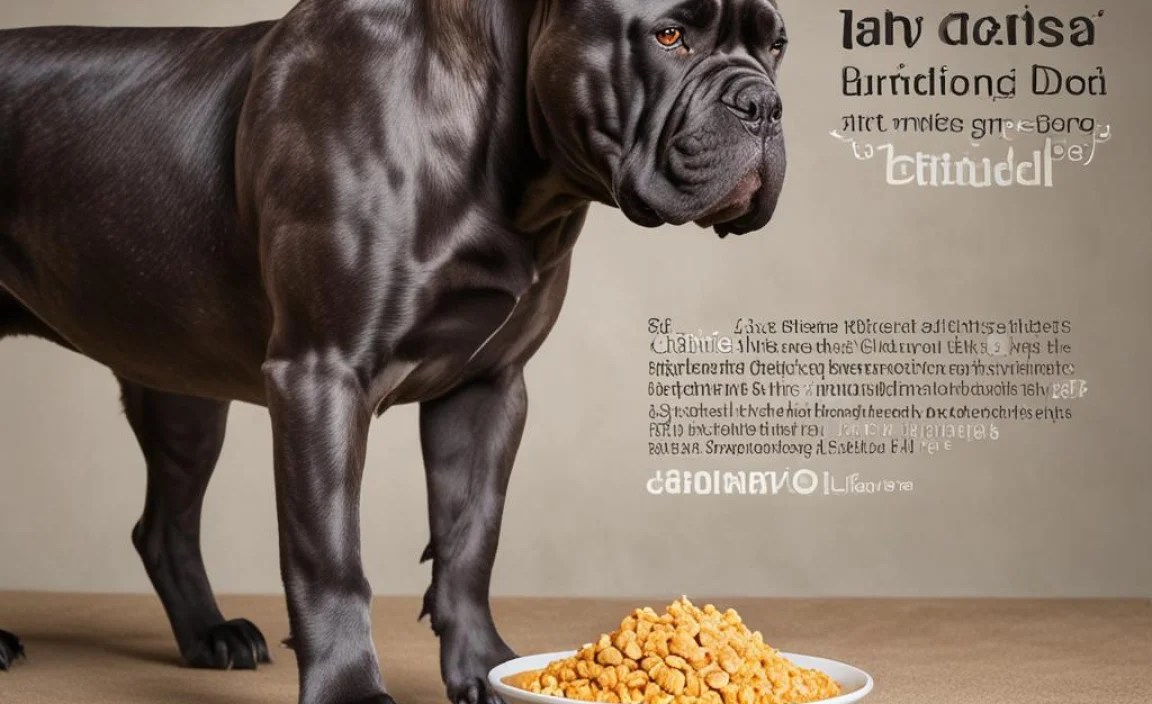
While a high-quality diet should provide most of the necessary nutrients, some supplements can offer additional benefits. Always consult your veterinarian before starting any new supplement regimen.
Popular and Beneficial Supplements
Glucosamine and Chondroitin: Excellent for maintaining joint health, especially in a large breed like the Cane Corso that can be prone to arthritis and hip dysplasia. These naturally occur in cartilage and connective tissues.
Omega-3 Fatty Acids (Fish Oil/Krill Oil): Beneficial for skin and coat health, can help reduce inflammation, and support cognitive function. Look for EPA and DHA.
Probiotics and Prebiotics: Can aid digestion and support a healthy gut microbiome, which is essential for nutrient absorption.
Vitamins and Minerals: Unless a deficiency is diagnosed by a vet, a balanced diet should suffice.
When Supplements Might Be Needed
Specific Health Conditions: Your vet might recommend supplements for diagnosed issues like allergies, joint pain, or digestive problems.
Senior Dogs: Older dogs may benefit from joint and cognitive support supplements.
Working Dogs: Dogs with extremely high activity levels might need additional energy support.
Common Feeding Mistakes to Avoid
Even with the best intentions, owners can make feeding mistakes that impact their Cane Corso’s health. Being aware of these can help you sidestep them.
Mistake 1: Free-Feeding
Leaving food out all day (free-feeding) can lead to overeating, obesity, and can make it difficult to monitor your dog’s appetite, which is an important health indicator. Scheduled meals (usually twice daily for adults) are generally better for portion control and digestive regularity.
Mistake 2: Feeding Low-Quality Dog Food
Cheaper foods often use lower-quality ingredients, more fillers, and fewer essential nutrients. This can lead to poor coat quality, digestive issues, lethargy, and even long-term health problems. Investing in a reputable, high-quality food is an investment in your dog’s health.
Mistake 3: Ignoring Body Condition
Failing to regularly assess your dog’s body condition can lead to obesity or being underweight without you realizing it. Regular physical checks (feeling ribs, observing waist) are crucial.
Mistake 4: Switching Food Too Frequently
Constantly changing your dog’s food can upset their digestive system. If you need to switch, do it gradually over a week. Stick with a high-quality food that works for your dog unless there’s a clear medical or nutritional reason to change.
Mistake 5: Over-Supplementation
More is not always better when it comes to supplements. Excessive amounts of certain vitamins and minerals can be toxic. Always follow veterinary advice and recommended dosages.
Dietary Considerations for Specific Cane Corso Life Stages
Your Cane Corso’s nutritional needs will evolve throughout their life.
Cane Corso Puppies
As mentioned, a large breed puppy formula is essential. These are designed with lower calcium and phosphorus levels and a specific calcium-to-phosphorus ratio to support healthy bone and joint development. They also contain the appropriate kilocalories per cup to prevent overeating and rapid weight gain.
Adult Cane Corsos
Maintenance is key here. A high-quality adult large breed formula that meets their protein, fat, and nutrient requirements will keep them healthy and energetic. Watch their weight and adjust food intake if they become too sedentary or if their workload increases.
Senior Cane Corsos
As your Cane Corso ages, their metabolism may slow down, and they might become less active. They may also develop joint issues. Senior formulas often have:
Lower calorie counts to prevent weight gain.
Increased fiber for digestive health.
Added joint-support nutrients like glucosamine, chondroitin, and Omega-3s.
Easier-to-digest ingredients.
It’s important to have regular veterinary check-ups to monitor for age-related conditions and adjust their diet accordingly.
Making Homemade Dog Food (With Caution)
Some owners explore making their own dog food. While it offers control over ingredients, it requires significant knowledge and careful planning to be safe and nutritionally complete.
The Challenges of Homemade Diets
Nutritional Balance: It is extremely difficult to achieve the correct balance of protein, fat, carbohydrates, vitamins, and minerals without expert guidance. Imbalances can lead to serious health issues.
Food Safety: Raw ingredients must be handled with extreme care to prevent bacterial contamination.
* Time and Cost: Preparing homemade meals can be very time-consuming and often more expensive than high-quality commercial food.
When to Consult a Professional
If you are determined to feed your Cane Corso a homemade diet, it is absolutely critical to work with a veterinary nutritionist. They can help you formulate a recipe that is balanced and safe for your dog. The American College of Veterinary Nutrition (acvn.org) can help you find a qualified professional.
FAQs for Cane Corso Diet
Q1: How much should I feed my Cane Corso?
The amount varies based on age, activity level, and the specific food. Always follow the AAFCO-approved feeding guidelines on the food packaging as a starting point, and adjust based on your dog’s body condition.
Q2: What is the best dog food brand for a Cane Corso?
There isn’t one single “best” brand. Focus on brands that use high-quality, named meat sources, are formulated for large breeds, and have an AAFCO statement guaranteeing they are complete and balanced. Popular, reputable brands often include Purina Pro Plan, Royal Canin, Hill’s Science Diet, and solid grain-inclusive options like Orijen or Acana.
Q3: Can Cane Corsos eat puppy food after 12 months?
No, it’s generally recommended to transition Cane Corsos to adult food between 12-18 months. Puppy food is too calorie-dense and has a different nutrient profile that can lead to orthopedic issues in maturing large breeds.
Q4: Is it okay to feed my Cane Corso raw meat?
While some people successfully feed raw diets, it carries risks of bacterial contamination and nutritional imbalances. If you choose to feed raw, consult a veterinary nutritionist to ensure it is safe and complete.
Q5: How much water does a Cane Corso need?
Dogs typically need about one ounce of water per pound of body weight per day. Ensure your Cane Corso always has access to fresh, clean water, and they will drink as needed.
Q6: What are signs of a poor diet in a Cane Corso?
Signs include dull coat, excessive shedding, flaky skin, digestive upset (vomiting, diarrhea), lethargy, poor appetite, and recurrent ear or skin infections.
Conclusion
Providing your Cane Corso with the right diet is one of the most impactful ways you can ensure they live a long, healthy, and happy life. By focusing on high-quality protein, balanced fats, essential vitamins and minerals, and choosing a food formulated for their large breed status, you’re setting them up for success. Remember to adjust their diet as they grow from a playful puppy to a majestic adult and into a graceful senior. Always consult with your veterinarian if you have any concerns or questions about your Cane Corso’s specific nutritional needs. A well-nourished Cane Corso is a vibrant, strong, and devoted companion, ready to fulfill their role as the incredible guardian you know them to be.


