Cane Corso diet guard training focuses on teaching your dog to protect food and possessions safely, preventing aggression and resource guarding. This approach prioritizes positive reinforcement and clear commands to build trust and respect, ensuring your Cane Corso becomes a well-behaved companion, not a danger around their cherished items.
Welcoming a Cane Corso into your home brings immense joy and a powerful, loyal companion. However, their natural protective instincts, especially concerning resources like food, toys, or even their favorite spot on the couch, can be a concern for new owners. This trait, often referred to as “diet guard” or resource guarding, can manifest as growling, snapping, or even biting when they feel their prized possessions are threatened. It’s a common worry for many, especially those new to guarding breeds.
The good news is that with the right approach, you can channel these instincts safely and constructively. This guide will walk you through essential diet guard training techniques, ensuring your Cane Corso is a confident, safe, and well-adjusted member of your family. We’ll cover understanding the behavior, implementing foundational training, and building a strong, trustworthy relationship with your magnificent guard dog.
Understanding Your Cane Corso’s Instincts

Cane Corsos are bred for protection. Their lineage is steeped in history as formidable guardians of property and livestock in Italy. This innate drive to protect is deeply embedded in their genetics, and it extends to their resources, including food, toys, and even their human family. It’s crucial to understand that this isn’t about “making” your dog aggressive. Instead, it’s about managing and directing a natural behavior.
Why Does Resource Guarding Happen?
Resource guarding is a normal canine behavior. Dogs guard things they value to ensure they have access to them. In the wild, this was essential for survival. For domestic dogs, it can be triggered by various factors:
Genetics: As mentioned, Cane Corsos have a strong guarding instinct.
Past Experiences: A dog that has been deprived of food or resources, or had their possessions taken away negatively, may guard more intensely.
Fear or Insecurity: A dog that feels unsure of its position or resources might try to hold onto them more tightly.
Learned Behavior: If a dog guards something and the perceived threat (like a human moving too quickly) backs off, the dog learns that guarding works.
Recognizing the Signs of Resource Guarding
Early recognition is key to managing resource guarding effectively. Signs can range from subtle to overt:
Stiffening: The dog’s body becomes rigid when someone approaches their resource.
Hard Stare: Direct, unwavering eye contact with the approaching person.
Mouth Closed or Tucked Lips: A tense, closed-mouth expression.
Growling: A low, rumbling sound indicating displeasure and a warning.
Snapping: A quick, open-mouthed bite without inflicting damage, to scare a threat away.
Lunging or Biting: The most severe forms, indicating a dog feeling cornered or extremely threatened.
It’s vital to remember that a growl is a warning, and punishing it can inadvertently teach your dog not to warn, leading to direct bites without any prior escalation.
Foundational Training for Diet Guarding
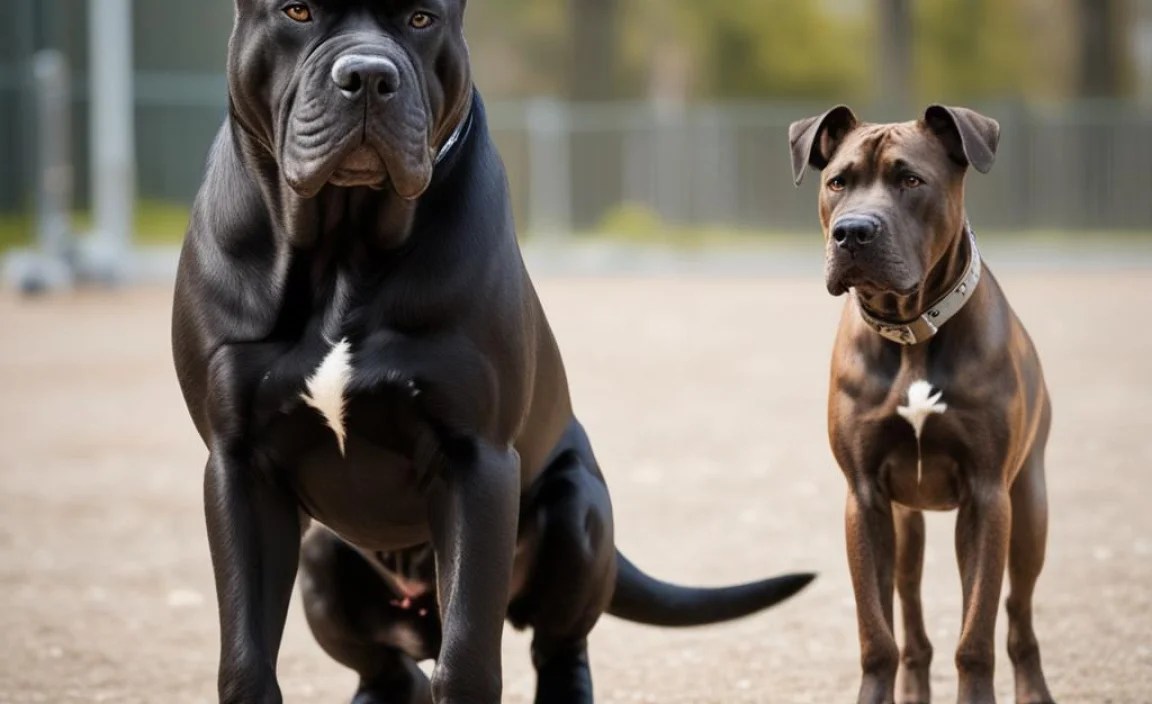
Before you even think about specific “diet guard” training, your Cane Corso needs a solid foundation in basic obedience and socialization. This builds a cooperative relationship and ensures they understand your commands.
Essential Obedience Commands
“Sit”: A foundational command that promotes calmness and compliance.
“Stay”: Crucial for impulse control and teaching your dog to wait patiently.
“Leave It”: Teaches your dog to disengage from an item you don’t want them to touch.
“Drop It”: Used to get your dog to release something they already have.
“Come”: Essential for recall, especially if they are guarding something.
Practicing these commands regularly in various environments will strengthen your dog’s responsiveness and build their confidence in listening to you.
Socialization: A Must-Have
Proper socialization from a young age is paramount for any dog, but especially for a powerful breed like the Cane Corso. Expose them to a wide variety of people, places, sounds, and other well-behaved dogs in positive and controlled environments. This helps them develop into well-adjusted adults who are more likely to be confident rather than fearful or reactive around their resources.
Beginner-Friendly Diet Guard Training Techniques

The core principle of diet guard training for beginners is to teach your dog that when you approach their food or prized possessions, good things happen. This shifts their perception from “threat” to “opportunity.”
The Counter-Conditioning Approach
Counter-conditioning involves pairing something the dog perceives negatively or neutrally with something highly positive. For diet guarding, it means associating your presence near their food bowl with a reward.
Step-by-Step: The “Trading Game”
This is one of the safest and most effective methods for beginners.
1. Start with a Low-Value Item: Begin with a toy or chew that your dog likes, but isn’t obsessed with.
2. Approach Slowly: While your dog is engaged with the item, approach them calmly.
3. Offer a Treat (or Higher Value Item): Before they show any signs of guarding, casually drop a high-value treat (like a piece of cheese or chicken) near their mouth or the item.
4. Remove the Item (if applicable): As they eat the treat, you can gently pick up the original item.
5. Repeat: Do this many times. The goal is for your dog to associate your approach with receiving a tasty reward and for them to learn that you can take things away and it’s no big deal – in fact, it’s often beneficial!
6. Progress to the Food Bowl: Once your dog is consistently relaxed and happy when you approach their toys, slowly introduce this to their food bowl.
While they are eating, walk past their bowl.
Calmly drop a few high-value treats into the side of the bowl.
Continue walking. You are not taking the food away; you are adding to it.
Gradually, you can progress to picking up the bowl for a second, dropping a few treats in, and then placing it back down. Always ensure you are adding value.
Important Note: Never try to force food from your dog’s mouth, snatch their bowl, or punish them for guarding. This will only increase their anxiety and guarding behavior.
“Value Exchange” for Food Security
This builds on the trading game, specifically for mealtimes. The goal is to make your dog believe you are the source of all good food and that your presence enhances mealtime.
1. Meal Interruption: During a meal, before your dog has finished, stand near their bowl.
2. Toss a Treat: Drop a few high-value treats into the bowl.
3. Resume Feeding: Let your dog continue eating.
4. Repeat: Do this a couple of times during the meal.
5. Optional: Bowl Pickup: For more advanced stages, you can pick up the bowl briefly, add a handful of the best kibble or some tasty additions (like plain cooked chicken or some wet food), and then place it back down. This teaches them that the bowl coming and going ensures more deliciousness.
This technique is based on the principle of positive reinforcement, making your dog more comfortable with you around their food.
Teaching “Enough” or “That’s Mine” (Optional, Advanced)
This is a more advanced technique and should only be attempted once your dog is very comfortable with the “Trading Game” and “Value Exchange.” It teaches your dog a cue that signifies they should relinquish what they have.
1. Start with a Toy: Have your dog hold a moderately interesting toy.
2. Offer a Treat: Hold a really high-value treat in front of their nose.
3. When they release the toy to take the treat, say “That’s mine” clearly but calmly.
4. Give the Treat: Let them eat the treat.
5. Immediately Return the Toy: Give the toy back to them.
6. Repeat: Practice this consistently.
The goal is for them to associate the phrase with giving up something temporarily and getting something better, and then getting the original item back.
Tools and Resources for Diet Guard Training

While training primarily relies on your consistency and positive reinforcement, certain tools can assist in the process and ensure safety.
High-Value Treats
These are crucial for making your training sessions rewarding. Think small pieces of:
Cooked chicken or turkey
Cheese
Peanut butter (xylitol-free!)
Commercial training treats
Food Bowls
Slow Feeder Bowls: These can be beneficial for dogs prone to gulping food, and by extension, dogs who might guard their food. They slow down eating and can make mealtime less intensely focused. You can find various designs at reputable pet supply stores.
Non-Slip Bowls: Prevent the bowl from sliding, which can sometimes be a trigger for guarding if the dog feels their food is moving away from them.
Leash and Collar/Harness
For safety, especially when you’re first starting or in environments where you might encounter unexpected situations, a leash is essential. A comfortable harness or collar is a must for your dog’s well-being.
Professional Guidance
If you’re struggling with resource guarding, or if your dog shows significant aggression, do not hesitate to seek help from a certified professional dog trainer or a veterinary behaviorist. Organizations like the Certification Council for Professional Dog Trainers (CCPDT) can help you find qualified professionals in your area.
Establishing Boundaries Safely

Beyond specific training exercises, establishing clear boundaries around your Cane Corso’s resources is vital for maintaining peace and preventing incidents.
Designated Feeding Area
Feed your Cane Corso in a quiet, consistent location where they won’t be disturbed.
During mealtimes, ask other family members and pets to give them space. This reinforces that their food is theirs, and no one will bother them while they eat.
Consider using a crate or exercise pen for feeding if you have very young children or multiple pets that might inadvertently stress your dog.
Managing Valued Items
Identify what your dog guards most intensely. Is it specific toys, their bed, or certain spots on furniture?
For high-value toys or chews that you know trigger guarding, consider only giving them these items when you can supervise closely.
When retrieving these items, employ the “Trading Game” consistently.
What NOT to Do
It’s just as important to know what to avoid as it is to know what to do.
Don’t Punish Growling: This is a warning sign. Punishing it can suppress the warning, leading to a bite without prior escalation.
Don’t Take Food or Toys Away Forcefully: This teaches them that people are a threat to their possessions, increasing guarding.
Don’t Crowd While They Eat: Respect their space during meals.
Don’t Stare Intently at Your Dog While They Guard: This can be perceived as a challenge.
Don’t Allow Children to Approach or Tease a Dog with Food or Toys: This is a recipe for disaster and is incredibly dangerous.
Cane Corso Diet Guard Training: A Sample Plan
Here’s a structured plan to implement the techniques discussed. Remember to tailor this to your dog’s individual pace and progress.
Week 1-2: Foundation & Value Exchange (Low-Value Items)
Daily: Practice basic obedience commands (“Sit,” “Stay,” “Leave It”).
Twice Daily: Implement the “Trading Game” with toys your dog enjoys but doesn’t obsess over. Aim for 5-10 repetitions per session. Focus on positive association.
Every Meal: Use the “Value Exchange” for their regular kibble. Walk by, drop treats without any interaction, and continue on.
Week 3-4: Increasing Value & Introducing Bowl Interaction
Daily: Continue obedience practice.
Daily: Progress with the “Trading Game.” Introduce slightly higher-value toys. You can start to pick up the toy for a second, drop a better treat, and give the toy back.
Every Meal: Continue “Value Exchange.” Start picking up the bowl for a moment, adding a few tasty extras, and placing it back down. Observe your dog’s reaction; if they show any tension, revert to just dropping treats in the bowl.
Month 2: Advanced Value Exchange & Controlled Practice
Daily: Maintain obedience.
Several Times a Week: If your dog is doing well, you can introduce the “Value Exchange” involving multiple people in the household (each taking turns). Ensure everyone understands the technique and uses high-value rewards.
Controlled Play: If you are comfortable and your dog is relaxed, you can practice the “That’s Mine” cue with toys, if you choose to implement it.
Ongoing: Management and Consistency
Always: Respect your dog’s space while they eat or chew high-value items.
Always: Continue practicing “Leave It” and “Drop It” regularly.
Observe: Be mindful of your dog’s body language and adjust as needed. If you see stress, back off and practice simpler steps.
Table: Signs of Resource Guarding and What to Do
| Behavior Seen | Dog’s Likely Feeling | Recommended Action |
| :———————- | :——————- | :————————————————————————————————————- |
| Stiffening, hard stare | Unease, warning | Slow down, increase distance. Offer a high-value treat from a distance, then retreat. Don’t push the interaction. |
| Growling | Discomfort, warning | Stop what you’re doing. Back away slowly. Make a note of the trigger and avoid it for now. |
| Snapping, lunging | Fear, high stress | Immediately create space. Do NOT punish. Evaluate the situation and consider professional help. |
| Body blocking a resource | Protective | Use the “Trading Game” to encourage them to move willingly, reinforcing that you are not a threat. |
Table: Comparing Diet Guard Training Methods
| Method | Description | Best For | Potential Risks if Done Incorrectly |
| :——————— | :———————————————————————————————————— | :——————————————————————— | :—————————————————————- |
| Trading Game | Exchanging a less-valued item for a high-value treat. | Building positive associations with owners around resources. | Dog may become overly focused on treats; if poorly executed, may increase anxiety. |
| Value Exchange | Adding value (treats) to the dog’s food bowl while they are eating. | Making mealtime a positive experience with owner present. | If the dog is already highly aggressive, this might trigger them. |
| “That’s Mine” Cue | Teaching the dog to release an item on cue for a reward. | Advanced owners; building clear communication about possession handover. | Can be confusing; may inadvertently create more guarding if not clear. |
| Counter-Conditioning | Changing the dog’s emotional response to a stimulus (e.g., owner near food) from negative to positive. | Addressing underlying fear or anxiety driving the guarding. | Requires patience and consistency; can backfire if not done properly. |
Frequently Asked Questions About Cane Corso Diet Guard Training
Q1: My Cane Corso growls when I go near their food. What should I do?
A growl is a warning. Stop immediately and back away. Do not punish the growl, as this can lead to bites without warning. Instead, use these moments to observe what triggered it. For future training, focus on the “Trading Game” and “Value Exchange” to build positive associations with your presence around their food.
Q2: When can I start diet guard training with my Cane Corso puppy?
You can start introducing the “Trading Game” with toys as soon as your puppy comes home. For food-related training, it’s best to wait until they have settled in and you have a solid understanding of their temperament. Basic socialization and obedience should be the priority in the early weeks.
Q3: Is it normal for a Cane Corso to guard their toys?
Yes, it’s normal for any dog, including a Cane Corso, to have protective instincts over things they value, such as toys. The key is to manage this behavior through positive training methods so it doesn’t escalate into aggression. The techniques discussed, like the “Trading Game,” are effective for toy guarding as well.
Q4: My Cane Corso is nipping when I try to take their favorite toy. What does this mean?
Nipping or snapping without intent to harm is a more serious sign of resource guarding than a growl. It means your dog is feeling stressed and is trying to make you back off. You should immediately stop trying to take the toy and reassess your approach. Focus on building trust through the “Trading Game” where the dog willingly gives the item up for a better reward. If this behavior is concerning, please consult a professional trainer.
Q5: How long does diet guard training take?
It varies greatly depending on the dog’s age, past experiences, and the severity of the guarding. For mild cases, you might see improvement in a few weeks. For more ingrained behaviors, it can take several months of consistent, positive training. Patience and consistency are key.
Q6: Can children safely interact with a Cane Corso during diet guard training?
This is a critical safety concern


