Comparing Cane Corso and Pitbull diets is crucial for their health. Both large breeds thrive on high-quality protein and balanced nutrition, but their specific needs can vary based on energy levels and growth stages. This guide breaks down the essentials for feeding your Cane Corso or Pitbull right.
Choosing the right food for your powerful furry friend can feel overwhelming, especially when you’re trying to ensure they get the very best. If you’re a proud owner of a Cane Corso or a lively Pitbull, you’ve probably wondered how their dietary needs stack up against each other. It’s a common question for those who love these robust and spirited breeds. Don’t worry, we’re here to make it simple! This guide will walk you through everything you need to know about feeding your Cane Corso and Pitbull, helping you avoid confusion and make confident choices for their health and happiness. Get ready to discover the perfect meal plan for your canine companion!
Understanding Your Dog’s Nutritional Needs
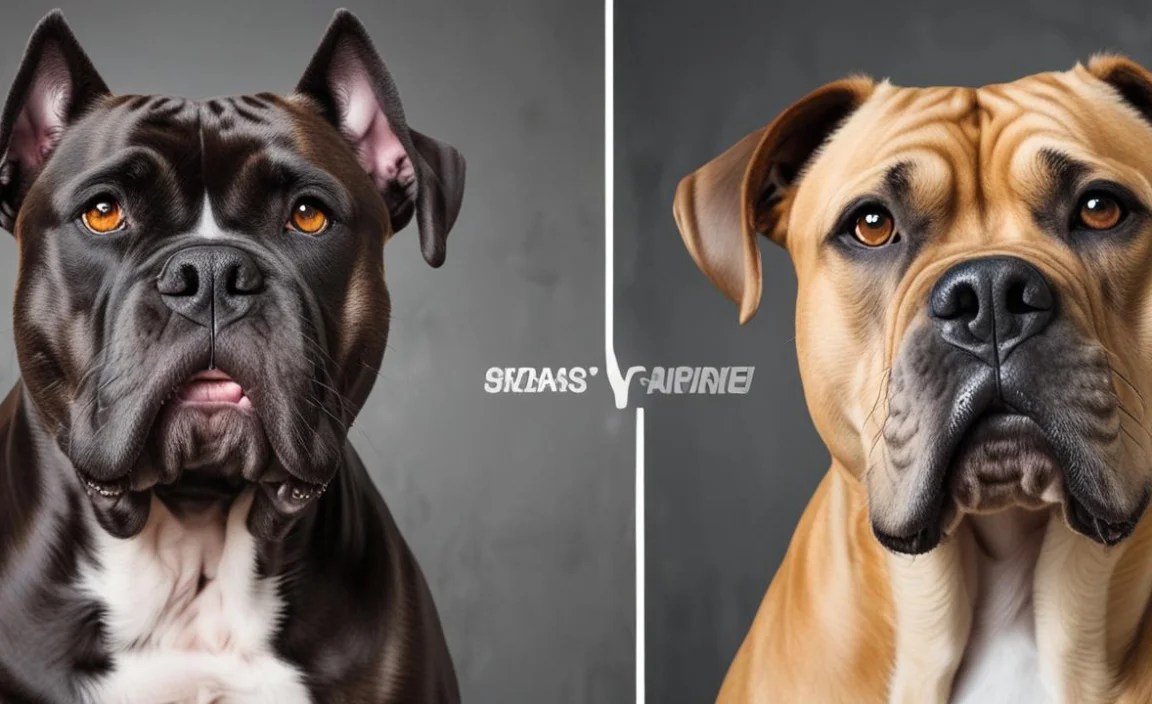
At their core, both the Cane Corso and the Pitbull are powerful breeds with specific nutritional requirements to support their muscular build, energy levels, and overall well-being. While they share some similarities, understanding their individual needs can make a significant difference in their health and longevity. A good diet is the foundation of a healthy dog, impacting everything from their coat and energy to their immune system and joint health. It’s not just about filling their bowl; it’s about providing the right fuel for these magnificent animals.
Key Nutritional Components for Large Breeds
Regardless of whether you have a Cane Corso or a Pitbull, certain nutritional components are non-negotiable for large breeds. These nutrients work together to keep them strong, agile, and healthy throughout their lives.
- Protein: Essential for building and repairing tissues, supporting muscle mass, and providing energy. Look for high-quality animal protein sources like chicken, beef, lamb, or fish as the first ingredient on the food label.
- Fats: Provide concentrated energy, essential fatty acids for skin and coat health, and help absorb fat-soluble vitamins. Omega-3 and Omega-6 fatty acids are particularly important.
- Carbohydrates: Offer a source of energy. Whole grains, sweet potatoes, and other healthy complex carbohydrates are preferable to simple sugars or fillers.
- Vitamins and Minerals: Crucial for countless bodily functions, from immune support to bone development. Calcium and phosphorus are vital for bone health, especially in growing large breeds susceptible to orthopedic issues.
- Fiber: Aids in digestion and helps maintain a healthy gut.
Why Nutrition Matters for Cane Corsos and Pitbulls
These breeds are known for their strength, athleticism, and sometimes, their tendency towards specific health concerns. A well-balanced diet plays a pivotal role in:
- Muscle Development and Maintenance: Both breeds are muscular. Adequate protein and essential amino acids are key to building and maintaining lean muscle mass.
- Energy Levels: These are active dogs that require sufficient calories and nutrients to fuel their adventures, playtimes, and daily routines.
- Joint Health: Large breeds can be prone to joint issues like hip and elbow dysplasia. Diets rich in glucosamine, chondroitin, and omega-3 fatty acids can help support joint function and reduce inflammation.
- Skin and Coat Health: A shiny coat and healthy skin are indicators of good overall health. Essential fatty acids contribute significantly to this.
- Digestive Health: A good diet promotes regular digestion and can help prevent common issues like bloating, which can be a concern for deep-chested breeds.
Cane Corso Diet Essentials

The Cane Corso, a majestic and powerful breed originating from Italy, requires a diet that supports its substantial build and working dog heritage. They need food that fuels their robust physique and maintains their dense muscle structure.
Growth Stages for Cane Corsos
A Cane Corso’s growth is a critical period. Feeding them appropriately during puppyhood and adolescence lays the groundwork for a healthy adult life. They grow rapidly, and their diet needs to be carefully managed to avoid developmental orthopedic diseases.
- Puppyhood (up to 18-24 months): Cane Corso puppies need a diet specifically formulated for large breed puppies. This means controlled levels of calcium and phosphorus to ensure proper bone development and prevent conditions like panosteitis or wobbler syndrome. High-quality protein is essential for muscle growth, but not in excessive amounts that could lead to overly rapid growth.
- Adult Stage (2 years onwards): Adult Cane Corsos require a diet that maintains their lean muscle mass and energy levels without promoting excessive weight gain. They typically do well on high-quality adult food with a good protein content (around 25-30%) and moderate fat levels (around 15-20%).
- Senior Stage: As Cane Corsos age, their metabolism may slow down. Senior diets often have fewer calories, added joint support supplements, and increased fiber for digestive health.
Recommended Food Ingredients for Cane Corsos
When choosing food for your Cane Corso, look for these ingredients:
- Primary Protein Sources: Chicken, beef, lamb, turkey, or fish.
- Complex Carbohydrates: Brown rice, barley, sweet potatoes, oats.
- Healthy Fats: Chicken fat, fish oil, flaxseed.
- Joint Support: Glucosamine, chondroitin sulfate.
- Antioxidants: Vitamins E and C, berries.
Foods to Avoid for Cane Corsos
Just as important as what to feed is what to avoid:
- By-product meals: Lesser quality protein sources.
- Artificial colors, flavors, and preservatives.
- Excessive fillers like corn, wheat, and soy, especially if your dog shows sensitivities.
- Excessive carbohydrates that can lead to weight gain.
Pitbull Diet Essentials

Pitbull type dogs, including the American Pit Bull Terrier, Staffordshire Bull Terrier, and American Staffordshire Terrier, are known for their boundless energy, strength, and athleticism. Their diet needs to support their active lifestyle and keep them in peak physical condition.
Growth Stages for Pitbulls
Pitbulls also experience significant growth, though their maturation might be slightly faster than the much larger Cane Corso. Proper nutrition during these phases is key.
- Puppyhood (up to 12-18 months): Similar to Cane Corsos, Pitbull puppies benefit from a large breed puppy formula. This ensures balanced calories, calcium, and phosphorus to support steady growth and minimize the risk of skeletal problems. Protein content should be high (around 28-30%) to support muscle development.
- Adult Stage (1.5 years onwards): Adult Pitbulls are very active and generally have a robust appetite. High-quality adult food with a protein content of 25-30% and a fat content of 12-18% is usually ideal. They thrive on nutrient-dense food that fuels their energy.
- Senior Stage: Senior Pitbulls may need a diet adjusted for lower activity levels, with fewer calories and potentially added joint support.
Recommended Food Ingredients for Pitbulls
Look for these in your Pitbull’s food:
- High-Quality Animal Protein: Chicken, beef, lamb, fish.
- Digestible Carbohydrates: Sweet potatoes, peas, oats, brown rice.
- Healthy Fats: Sunflower oil, canola oil, fish oil for Omega-3s.
- Vitamins and Minerals: Especially those supporting energy metabolism and immune function.
Foods to Avoid for Pitbulls
Common foods to steer clear of for Pitbulls include:
- Low-quality protein sources like “meat by-products” without specifying the animal.
- Artificial additives and excessive fillers.
- Foods high in simple sugars or unhealthy fats.
- Ingredients that may cause sensitivities; some Pitbulls can be prone to skin allergies, so monitoring ingredient lists is important.
Cane Corso Diet vs. Pitbull Diet: Key Differences and Similarities

While both breeds benefit from high-quality, balanced nutrition, there are subtle differences and significant similarities to consider when planning their diets.
Similarities
Both Cane Corsos and Pitbulls, as active and muscular breeds, share fundamental dietary needs:
- High-quality protein is paramount for muscle development and repair.
- Controlled calcium and phosphorus are essential during growth to prevent skeletal diseases.
- Omega-3 and Omega-6 fatty acids are vital for skin and coat health, as well as reducing inflammation.
- Avoidance of cheap fillers and artificial additives benefits both breeds’ overall health.
- Adequate hydration is crucial for digestion and bodily functions for both.
Differences
The primary differences stem from their size and typical activity levels:
- Portion Sizes: A fully grown Cane Corso will generally require a larger volume of food than a Pitbull due to their significantly larger body mass.
- Caloric Intake: While both are active, a Cane Corso’s overall caloric needs are higher simply because they have more body mass to sustain. A highly active Pitbull might even rival a less active Cane Corso in daily calorie requirements per pound of body weight, but the total daily intake will likely differ.
- Growth Rate & Duration: Cane Corsos typically have a longer growth period, sometimes up to 24 months, requiring a large breed puppy formula for an extended time compared to Pitbulls which might mature physically around 18 months.
- Potential Health Predispositions: While both large breeds can be prone to joint issues, the sheer size of the Cane Corso places them at a higher statistical risk for conditions like hip dysplasia. Thus, diligent focus on joint-supporting nutrients from a young age is especially critical. Pitbulls, while robust, can sometimes be more prone to skin sensitivities, making ingredient selection for their coat and skin health particularly important.
Feeding Guidelines Table
This table provides a general overview of feeding recommendations. Always consult your veterinarian for personalized advice.
| Category | Cane Corso | Pitbull |
|---|---|---|
| Protein Content (Adult) | 25-30% | 25-30% |
| Fat Content (Adult) | 15-20% | 12-18% |
| Puppy Growth Formula Duration | Up to 18-24 months | Up to 12-18 months |
| Key Nutrients Emphasis | Muscle mass, joint health, controlled growth | Energy, muscle mass, skin & coat health |
| Typical Daily Portion Size (Adjust for individual dog) | 3-5 cups of high-quality kibble (depending on food density and activity) | 2-3 cups of high-quality kibble (depending on food density and activity) |
Choosing the Right Food: Kibble vs. Wet vs. Raw
Selecting the best type of food for your Cane Corso or Pitbull is another crucial decision. Each option has its pros and cons.
Kibble (Dry Food)
Kibble is the most common type of dog food. It’s convenient, cost-effective, and can help clean teeth. For large breeds, it’s often recommended to choose a high-quality kibble formulated specifically for large dogs.
- Pros: Long shelf life, easy to store and serve, aids dental health by reducing tartar buildup, often cost-effective.
- Cons: Can be lower in moisture, quality varies greatly, some formulas may contain more fillers than premium ingredients.
When selecting kibble, always look for “complete and balanced” nutrition according to AAFCO (Association of American Feed Control Officials) standards and ensure it’s appropriate for your dog’s life stage (puppy, adult, senior) and breed size.
Wet Food (Canned Food)
Wet food has a higher moisture content, which can be beneficial for hydration. It’s often more palatable and can be a good option for picky eaters or dogs who need to increase their water intake.
- Pros: High moisture content aids hydration, highly palatable, comes in various flavors and protein sources.
- Cons: More expensive than kibble, shorter shelf life once opened, can be less convenient for storage, doesn’t offer the same dental cleaning benefits as kibble.
Wet food can be fed as a complete meal or as a topper to kibble to enhance flavor and moisture. For large breeds like Cane Corsos and Pitbulls, ensure the wet food is also formulated for their specific needs and life stage.
Raw Diet
A raw diet typically consists of raw meat, bones, organs, and some fruits and vegetables. Proponents argue it mimics a dog’s ancestral diet, promoting better digestion, coat health, and energy. However, it comes with significant considerations.
- Pros: Can lead to improved coat shine, better digestion, increased energy, and smaller stools.
- Cons: Risk of bacterial contamination (e.g., Salmonella, E. coli) for both the dog and humans, potential for nutritional imbalances if not properly formulated, can be expensive and time-consuming to prepare, potential for choking hazards if bones are not appropriately sized.
If considering a raw diet, it is essential to consult with a veterinary nutritionist to ensure it is complete, balanced, and safe. Organizations like the American Veterinary Medical Association (AVMA) strongly advise caution regarding raw food diets due to the health risks involved.
Factors Influencing Your Dog’s Diet
Beyond breed, several other factors should be considered when determining the best diet for your Cane Corso or Pitbull.
Activity Level
A highly active working Cane Corso or a Pitbull that participates in dog sports will require more calories and potentially a higher protein and fat content than a sedentary couch potato. Regularly assess your dog’s daily activity and adjust food portions accordingly.
Health Conditions
Specific health issues require specialized diets. For example:
- Allergies/Sensitivities: If your dog suffers from skin issues, itching, or gastrointestinal upset, an elimination diet or a food with limited ingredients, novel proteins, or hydrolyzed proteins might be necessary.
- Kidney Disease: May require a diet with controlled phosphorus levels and high-quality protein.
- Diabetes: May benefit from diets with lower carbohydrates and a consistent feeding schedule.
- Digestive Issues: Probiotics and prebiotics can be beneficial.
Always work with your veterinarian to manage any health conditions with an appropriate diet. For instance, the FDA provides guidance on pet food safety and recalls, which is crucial for all owners.
Age and Life Stage
As discussed, puppies, adults, and seniors have distinct nutritional requirements. Puppies need extra calories, protein, and specific mineral balances for growth. Adults need maintenance diets. Seniors often benefit from slower-metabolizing formulas with added joint support and fewer calories.
Individual Metabolism
Even within the same breed, dogs have different metabolisms. Some dogs are “easy keepers” and gain weight quickly, while others are “hard keepers” and need more calories to maintain a healthy weight. Monitor your dog’s body condition score regularly.
Tips for Transitioning Your Dog to a New Diet
Switching your dog’s food too quickly can lead to digestive upset, such as vomiting or diarrhea. A gradual transition is key.
- Days 1-3: Mix 25% new food with 75% old food.
- Days 4-6: Mix 50% new food with 50% old food.
- Days 7-9: Mix 75% new food with 25% old food.
- Day 10 onwards: Feed 100% new food.
During this transition, monitor your dog’s stool consistency and overall demeanor. If you notice any adverse reactions, slow down the transition or consult your veterinarian.
Monitoring Your Dog’s Health Through Diet
Your dog’s diet is a powerful tool for monitoring and maintaining their health.
Body Condition Scoring
Regularly assess your dog’s body condition. You should be able to feel their ribs easily without them being visibly protruding. They should have a visible waist when viewed from above and an abdominal tuck when viewed from the side. A proper diet will help


