Your Cane Corso needs high-quality, balanced nutrition for a healthy, active life. The best food provides complete protein, beneficial fats, essential vitamins, and minerals tailored to their large breed size and growth stages. Focus on reputable brands with whole ingredients to support muscle development and overall well-being.
Caring for a Cane Corso is an incredibly rewarding experience, but understanding their nutritional needs can sometimes feel a little overwhelming, especially for new owners. These magnificent dogs, with their powerful build and affectionate nature, require a specific diet to thrive. Getting their food right is one of the most important things you can do for their health and happiness. This guide is here to make it simple, breaking down exactly what your Cane Corso needs to eat at every stage of life. We’ll explore the building blocks of a great diet and how to choose the very best food to keep your gentle giant strong and vibrant.
Understanding Cane Corso Nutritional Needs
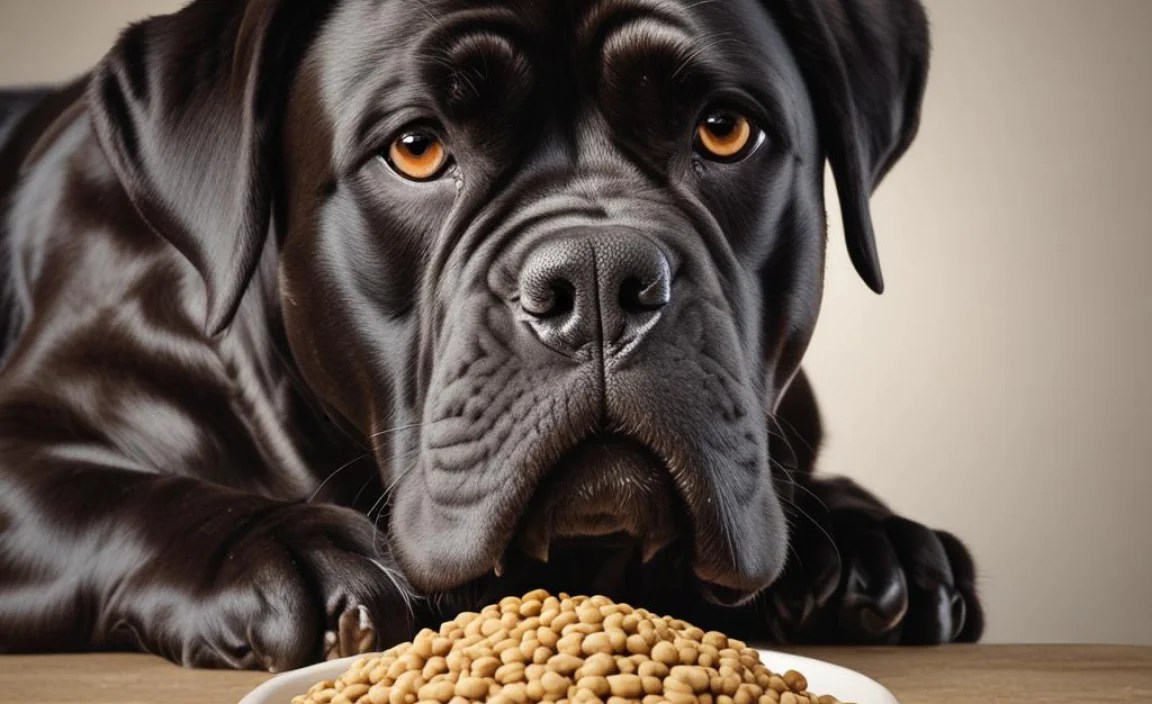
Your Cane Corso isn’t just any dog; they are a large breed with specific requirements. Their powerful muscles, strong bones, and energetic personalities mean they need more than just generic dog kibble. Providing the right nutrition is the foundation for a long, healthy, and happy life for your canine companion.
Why Specific Nutrition Matters for Cane Corsos
Cane Corsos, like other giant breeds, have unique dietary needs that differ from smaller dogs. Their growth rate is rapid but sustained over a longer period, making proper calcium and phosphorus balance crucial to avoid skeletal issues like hip dysplasia. High-quality protein supports their substantial muscle mass, while appropriate fat levels provide energy without leading to obesity. A well-balanced diet also contributes to a shiny coat, strong immune system, and overall vitality.
Key Nutrients Your Cane Corso Needs
At the core of any good dog food are several essential nutrients. For a Cane Corso, these are particularly critical:
Protein: This is the building block of muscles. Look for animal-based protein sources like chicken, beef, lamb, or fish as the first ingredient. For adult Cane Corsos, a protein content between 22-26% is generally recommended. Puppies need a bit more, around 25-28%.
Fat: Healthy fats are vital for energy, healthy skin, and a lustrous coat. Omega-3 and Omega-6 fatty acids are especially important. Aim for a fat content of around 12-16% for adult dogs.
Carbohydrates: These provide energy. Whole grains like brown rice, oats, or barley are good choices. Many grain-free options also use sweet potatoes or peas, which are also beneficial sources.
Vitamins and Minerals: Essential for countless bodily functions, from immune support to bone health. Calcium and phosphorus are especially critical for large breed puppies.
Fiber: Aids in digestion and helps maintain a healthy gut.
What to Look For on a Dog Food Label
Reading dog food labels can seem like deciphering a secret code, but it’s easier than you think! Here’s what to focus on:
Guaranteed Analysis: This tells you the minimum percentages of protein and fat, and the maximum percentages of fiber and moisture.
Ingredient List: Ingredients are listed by weight. The first few ingredients are the most important. Prioritize named animal proteins (e.g., “chicken,” not “poultry by-products”).
AAFCO Statement: The Association of American Feed Control Officials (AAFCO) provides nutritional standards for pet food. Look for a statement on the packaging that says the food meets the nutritional levels established by AAFCO for a specific life stage (e.g., “growth” for puppies, “maintenance” for adults). This is your assurance that the food is complete and balanced.
Cane Corso Puppy Nutrition: The Crucial First Year

The first year of your Cane Corso’s life is a period of rapid growth and development. Their nutrition during this time is critical for establishing a strong skeletal structure and ensuring they grow at a healthy pace.
Choosing the Right Puppy Food
For Cane Corso puppies, it’s imperative to choose a formula specifically designed for large breeds. These formulas have carefully controlled levels of calcium and phosphorus to promote proper bone development and prevent conditions like osteochondrosis or hip dysplasia.
High-Quality Protein Source: Essential for muscle growth.
Controlled Calcium and Phosphorus: To support skeletal health.
Appropriate Calorie Density: To ensure steady growth without rapid weight gain, which can strain developing joints.
Added Glucosamine and Chondroitin: These supplements can support joint health, especially important for large breeds.
Here’s a table outlining key nutritional considerations for Cane Corso puppies:
| Nutrient | Puppy Needs (Large Breed) | Why It’s Important |
|---|---|---|
| Protein | 25-28% | Muscle development and growth. |
| Fat | 14-18% | Energy, skin, and coat health. |
| Calcium | Controlled (typically around 1.0-1.4%) | Essential for bone and teeth development; too much can be harmful. |
| Phosphorus | Controlled (typically around 0.8-1.2%) | Works with calcium for strong bones. |
| Omega-3 & Omega-6 Fatty Acids | Always beneficial | Supports brain development, immune function, and skin/coat health. |
Feeding Schedule for Puppies
Consistency is key when feeding your puppy. Most veterinarians recommend feeding puppies multiple times a day to manage their energy levels and aid digestion.
2-3 months: 3-4 meals per day.
3-6 months: 3 meals per day.
6-12 months: 2-3 meals per day, gradually transitioning to 2 meals per day as they approach adulthood.
Always follow the feeding guidelines on your chosen puppy food bag, but adjust based on your puppy’s individual growth, activity level, and body condition. If you’re unsure, consult your veterinarian.
Transitioning to Puppy Food
When you first bring your puppy home, they are likely on a specific food. If you plan to switch, do so gradually over 7-10 days to avoid digestive upset. Mix a small amount of the new food with their current food, slowly increasing the proportion of the new food and decreasing the old food each day.
Adult Cane Corso Nutrition: Maintaining Peak Condition

Once your Cane Corso reaches maturity (typically around 18-24 months for giant breeds), their nutritional needs shift from growth to maintenance. The focus changes to sustaining their strong physique, energy levels, and overall health.
Choosing the Best Adult Dog Food
As your Cane Corso matures, look for a high-quality adult formula that caters to large breeds. These foods are designed to maintain muscle mass and provide sustained energy.
Named Protein Sources: Ensure the primary ingredients are recognizable animal proteins.
Balanced Fat Content: To provide energy without contributing to excess weight.
Omega Fatty Acids: Continue to be important for skin and coat health.
Joint Support Ingredients: Ingredients like glucosamine and chondroitin can still be beneficial for maintaining joint health in adult large breeds.
The ideal protein content for adult Cane Corsos generally falls between 22-26%, with fat around 12-16%.
Feeding Schedule for Adult Dogs
Most adult Cane Corsos do well with two meals per day. This helps manage their energy and reduces the risk of bloat, a serious condition more common in deep-chested breeds like the Cane Corso.
Morning Meal: Feed half of their daily portion.
Evening Meal: Feed the other half of their daily portion.
Avoid exercising your dog immediately before or after meals, as this can increase the risk of bloat.
Monitoring Your Cane Corso’s Weight and Condition
It’s essential to monitor your dog’s weight and body condition. You should be able to feel their ribs easily with a light touch, but not see them protruding. They should have a visible waist when viewed from above and an abdominal tuck when viewed from the side.
Overweight: Difficulty feeling ribs, no visible waist, rounded appearance from the side.
Underweight: Ribs are very prominent, backbone and hip bones are visible.
Adjust food portions as needed and consult your veterinarian if you have concerns about your dog’s weight.
Senior Cane Corso Nutrition: Supporting Longevity

As your Cane Corso enters their senior years (typically starting around 7-8 years old), their metabolism slows down, and their nutritional needs change again. The goal is to support their changing bodies and maintain their quality of life.
What to Look for in Senior Dog Food
Senior formulas are often lower in calories to help prevent weight gain and may contain ingredients that support aging joints and cognitive function.
Reduced Calories: To accommodate a slower metabolism.
Higher Fiber: To aid digestion, which can sometimes slow down in older dogs.
Joint-Supporting Ingredients: Glucosamine, chondroitin, and Omega-3 fatty acids are even more crucial for senior dogs to manage arthritis and stiffness.
Antioxidants: Vitamins E and C can help combat free radical damage and support immune health.
Easier to Digest Ingredients: To accommodate a potentially more sensitive digestive system.
Protein levels remain important, but the quality of the protein becomes even more critical. Look for highly digestible sources.
Feeding Your Senior Cane Corso
Continue with two meals a day. If your senior dog experiences appetite loss or difficulty chewing, you might consider switching to a wet food formula or soaking their kibble in warm water to soften it.
Monitor for Health Changes: Pay attention to any changes in appetite, digestion, energy levels, or mobility.
Consult Your Vet: Senior dogs often benefit from specific supplements or prescription diets recommended by their veterinarian to manage age-related health issues.
Common Nutritional Pitfalls to Avoid
Even with the best intentions, it’s easy to fall into common traps when feeding your Cane Corso. Being aware of these can help you provide the best possible nutrition.
Avoiding Overfeeding and Underfeeding
Overfeeding: Leads to obesity, which puts immense strain on your dog’s joints and can contribute to heart disease, diabetes, and a shortened lifespan.
Underfeeding: Results in malnutrition, poor growth, low energy, and a weakened immune system.
Always use feeding guidelines as a starting point and adjust based on your dog’s individual needs.
The Dangers of Unsuitable Foods and Treats
While it’s tempting to share your meals, many human foods are dangerous for dogs.
Toxic Foods: Onions, garlic, grapes, raisins, chocolate, xylitol (an artificial sweetener found in many sugar-free products) can be deadly.
High-Fat Foods: Can lead to pancreatitis.
Empty Calorie Treats: Too many treats can unbalance their diet and lead to weight gain. Opt for healthy, low-calorie treats or use a portion of their kibble as rewards.
For more on dangerous foods, the ASPCA’s poisonous plant list, while focused on plants, also provides excellent general advice on pet safety and toxicity.
Grain-Free Diets: Pros and Cons
The popularity of grain-free diets has risen, but they aren’t always the best choice for every dog, and there are ongoing concerns.
Pros: Can be beneficial for dogs with diagnosed grain allergies or sensitivities, and often use alternative carbohydrate sources like sweet potatoes.
Cons: The U.S. Food and Drug Administration (FDA) has been investigating a potential link between certain diets (many of which are grain-free or contain peas and lentils as primary ingredients) and a heart condition called dilated cardiomyopathy (DCM) in dogs. While the link is not definitively proven, it’s a significant concern. Always discuss grain-free diets with your veterinarian.
For most dogs, including Cane Corsos, a high-quality food that includes grains is perfectly healthy and provides valuable nutrients and fiber.
Making the Switch to a New Food: A Step-by-Step Guide
Changing your dog’s food should always be done gradually. This prevents common digestive issues like diarrhea and vomiting.
1. Start with Small Changes: On Day 1 and 2, mix 25% new food with 75% old food.
2. Gradually Increase New Food: On Days 3 and 4, use 50% new food and 50% old food.
3. Continue the Transition: On Days 5 and 6, use 75% new food and 25% old food.
4. Full Switch: By Day 7, you can feed 100% of the new food.
5. Monitor Your Dog: Watch for any signs of digestive upset (loose stools, vomiting, reluctance to eat) throughout the process. If you notice any issues, slow down the transition or consult your vet.
Supplementation: When and Why?
Most high-quality commercial dog foods are formulated to be complete and balanced, meaning they provide all the necessary nutrients.
When Supplements Might Be Needed:
Veterinarian Recommendation: Your vet might recommend supplements for specific health issues, such as joint support for arthritis, or for dogs with certain medical conditions.
Home-Cooked Diets: If you feed a home-cooked diet, it’s crucial to work with a veterinary nutritionist to ensure it’s balanced. Supplements are almost always necessary in this case.
Specific Life Stages: As mentioned, large breed puppies and senior dogs may benefit from added joint support.
Common Supplements to Discuss with Your Vet:
Glucosamine and Chondroitin: For joint health.
Omega-3 Fatty Acids (Fish Oil): For skin, coat, joint, and cognitive support.
Probiotics: To aid digestion.
Always consult your veterinarian before adding any supplements to your dog’s diet. They can help determine if a supplement is necessary and recommend appropriate products and dosages. You can learn more about canine nutrition from resources like The Ohio State University College of Veterinary Medicine’s Canine Nutrition website.
Water: The Most Essential Nutrient
While we focus on food, never forget the critical importance of fresh, clean water. Your Cane Corso, especially with their large size and potential for high activity levels, needs constant access to water.
Always Available: Ensure a bowl is always full of fresh water, especially during warm weather or after exercise.
Clean Bowls: Wash water bowls daily to prevent bacteria buildup.
Hydration Levels:** Monitor your dog to ensure they are drinking enough. Signs of dehydration include lethargy, dry gums, and sunken eyes.
Frequently Asked Questions About Cane Corso Dog Food
Q1: How much food should I feed my Cane Corso puppy?
A1: The amount of food depends on the puppy’s age, weight, activity level, and the specific food you’re using. Always follow the feeding guidelines on the food packaging as a starting point, and consult your veterinarian. As a general rule, younger puppies eat more frequently and in smaller portions per meal.
Q2: What is the best kibble topping for my Cane Corso?
A2: While high-quality kibble is usually sufficient, a small amount of plain, unsalted cooked chicken or beef, or a spoonful of plain yogurt (if your dog tolerates dairy) can be a healthy addition. Avoid dairy if your dog is lactose intolerant. Always check with your vet before adding new foods, and ensure the additions don’t unbalance their primary diet.
Q3: Can I feed my Cane Corso raw food?
A3: Raw food diets can be controversial. While some owners report benefits, there are risks associated with bacterial contamination (like Salmonella and E. coli) that can affect both your dog and your family. If you consider a raw diet, consult a veterinary nutritionist to ensure it’s safe, balanced, and properly prepared.
Q4: What signs indicate my Cane Corso’s food isn’t right for them?
A4: Indicators include excessive scratching, dull coat, digestive upset (diarrhea, vomiting, gas), low energy, poor stool quality, or a refusal to eat. If you notice these, it’s time to revisit your dog’s diet and consult your veterinarian.
Q5: How often should I feed my adult Cane Corso?
A5: Most adult Cane Corsos do well with two meals per day. This feeding schedule helps manage their energy levels and can reduce the risk of bloat, a serious condition to which large, deep-chested breeds are prone.
Q6: Is it okay to switch dog food brands frequently?
A6: It’s generally not recommended to switch food brands frequently, as it can lead to digestive upset. When you do need to switch, do so gradually over 7-10 days using the transition method outlined above.
Conclusion
Providing the best nutrition for your Cane Corso is one of the most powerful ways to ensure they lead a long, healthy, and happy life. By understanding their specific needs as a large breed, focusing on high-quality protein


