Cane Corso dog food crate training is an effective method to teach your dog boundaries, reduce anxiety, and simplify potty training. This guide offers a simple, step-by-step approach for beginners to successfully crate train their Cane Corso using positive reinforcement and their dog’s food as a reward.
Bringing a Cane Corso into your home is an exciting time! These magnificent dogs are known for their loyalty and gentle nature with family, but like all powerful breeds, they thrive with clear guidance and consistent training. One of the most effective tools in a new owner’s arsenal is crate training, often combined with using your dog’s food as a positive motivator. It might sound daunting, but with the right approach, crate training can be a breeze!
This guide will walk you through everything you need to know to make crate and food training a positive experience for both you and your Cane Corso, setting the foundation for a happy, well-adjusted companion. We’ll break down the process into simple, manageable steps so you can feel confident every step of the way.
Why Crate Training and Food Rewards Work for Cane Corsos

Cane Corsos are intelligent and sensitive dogs. They often benefit greatly from a structured environment that mimics their ancestral den. A crate provides a safe, secure space for your dog, helping to alleviate separation anxiety and prevent destructive behaviors. When combined with food rewards, crate training taps into your dog’s natural instincts and desire to please, making the learning process enjoyable and effective. Using your dog’s regular kibble or special treats reinforces the positive association with the crate. It’s a win-win: your dog learns good habits, and you build a stronger bond through positive reinforcement.
Understanding Your Cane Corso’s Needs
Before we dive into the how-to, it’s important to understand a few things about the Cane Corso breed that make this training particularly effective.
Intelligence: Cane Corsos are very smart and can learn commands quickly. This means they pick up on cues and routines associated with crate training easily.
Loyalty and Sensitivity: They form strong bonds with their families and can be sensitive to harsh training methods. Positive reinforcement with food is gentle and builds trust.
Size: As a large breed, a properly sized crate is crucial. It needs to be large enough for them to stand, turn around, and lie down comfortably, which is key to them viewing it as a den, not a cage.
Territorial Instincts: While loyal, they can be wary of strangers. A crate can help manage their natural guarding instincts by providing them with a designated safe space away from constant stimulation.
The Benefits of Crate Training Combined with Food Rewards
Integrating food rewards into your crate training regimen offers a multitude of benefits for both you and your Cane Corso.
Accelerated Learning: Dogs are highly motivated by food. Using treats as a reward for entering the crate, staying in it, and behaving calmly associated with the crate speeds up the learning process significantly.
Positive Association: Instead of viewing the crate as a punishment or confinement, your dog will associate it with good things – tasty treats and praise. This makes them want to go into their crate.
Reduced Anxiety: For dogs prone to separation anxiety, a crate can become a comforting den. Food scattered inside or given as a reward for quiet time in the crate can help ease their stress.
Potty Training Aid: Dogs are naturally reluctant to soil their sleeping area. A crate helps housebreak your Cane Corso by limiting accidents and allowing you to anticipate their needs when they are let out.
Management Tool: A crate offers a safe place for your dog when you can’t supervise them directly, whether you’re expecting guests or busy with other tasks.
Selecting the Right Crate and Food for Training

The foundation of successful crate training is having the right tools. This means choosing a crate that suits your Cane Corso’s size and a selection of high-value food rewards.
Choosing the Perfect Crate
Cane Corsos grow into large, strong dogs. Your crate needs to accommodate their adult size, even if you are starting training with a puppy. Investing in a larger crate from the start can save you money in the long run, coupled with a divider to adjust the space as your puppy grows.
Size Matters: The crate should be large enough for your Cane Corso to stand up, turn around, and lie down comfortably. If it’s too big, they might use one end as a potty area. Most manufacturers provide sizing charts based on breed. For a Cane Corso, look for crates around 42-48 inches in length.
Type of Crate:
Wire Crates: These are popular due to their affordability, ventilation, and portability. They often come with dividers.
Plastic Crates (Travel Crates): These offer a more den-like feel, which some dogs prefer. They are also durable and secure.
Heavy-Duty Crates: For a powerful breed like the Cane Corso, a heavy-duty or wire crate made of strong wire gauge can be a good investment to ensure durability. Look for brands like General Cage Company or Vari Kennel for robust options.
Crate Features: Ensure the door has a secure latch that your Cane Corso can’t easily nudge open once they’re older and stronger.
High-Value Food Rewards
The “food” in Cane Corso dog food crate training is your primary motivator. What constitutes a “high-value” treat? It’s anything your dog finds extra delicious and exciting – something they don’t get every day.
Types of Treats:
Small pieces of cooked chicken or lean beef (plain, no seasoning)
Low-sodium cheese cubes
Commercial training treats (look for high-quality, natural options)
Peanut butter (xylitol-free, smear a tiny bit inside the crate or on a Kong)
Their regular kibble, if they are highly motivated by it.
Use Appropriately: Reserve these special treats only for crate training sessions. This maintains their special appeal.
Portion Control: Be mindful of the total calories. Adjust your dog’s regular meal portions if you are using a lot of treats during training.
Step-by-Step Cane Corso Crate Training with Food Rewards

This guide breaks down crate training into manageable steps. Patience and consistency are key. Remember to keep sessions short and positive!
Step 1: Introduce the Crate as a Positive Space
The first step is to make the crate appealing. It shouldn’t be a place of confinement, but a desirable spot.
1. Placement: Set up the crate in a common living area where your Cane Corso can feel part of the family.
2. Open Door: Leave the crate door open initially.
3. Food Exploration: Toss a few high-value treats into the crate. Let your Cane Corso go in and out on their own to investigate and eat the treats. Never force them.
4. Verbal Cues: As they go in, calmly say a word like “Crate” or “Den.” Pair the word with the treat.
5. Comforts: Place a soft, washable blanket or bed inside the crate.
6. Duration: Keep these initial introductions short, just 5-10 minutes a few times a day. The goal is for them to willingly walk into the crate to get a treat.
Step 2: Short Crate Stays with Food
Once your Cane Corso is comfortable entering the crate for treats, begin gradually increasing the duration they stay inside.
1. Toss Treats Further Back: As they become comfortable, toss treats further back into the crate so they have to step inside to get them.
2. Close the Door (Briefly): Once they are happily eating treats inside, close the door for just a few seconds.
3. Open and Reward: Immediately open the door and let them out before they get anxious. If they remained calm, offer another treat and praise.
4. Gradually Increase Time: Slowly increase the amount of time the door is closed, starting with 30 seconds, then 1 minute, then 2 minutes, and so on. Always praise and reward when you open the door if they stayed calm.
5. Mealtime Integration: Start feeding your Cane Corso one of their meals inside the crate with the door open. You can gradually start closing the door for short periods once they are eating. This helps them associate the crate with something they love – food!
Step 3: Extending Crate Time (Quiet and Calm)
The goal is for your Cane Corso to be relaxed and quiet while inside the crate with the door closed.
1. Introduce a Special Toy: Before closing the door for longer periods, give them a safe, engaging chew toy, like a Kong filled with peanut butter or frozen broth. This provides mental stimulation and keeps them occupied.
2. Increase Duration Incrementally: Leave the door closed for longer intervals: 5 minutes, then 10, then 15. Always return and let them out before they start to whine or bark out of distress.
3. Ignore Mild Whining: If they whine softly, wait for a brief pause in the whining (even just a second) before opening the door. This teaches them that calm behavior leads to being let out. Never let them out when they are barking or excessively distressed, as this rewards the unwanted behavior.
4. Practice Leaving the Room: Once they are comfortable for 15-20 minutes, start gradually leaving the room for short periods. Return before they get anxious. Slowly extend the time you are gone.
Step 4: Crate Training for Potty Training and Overnight Stays
The crate becomes an invaluable tool for housebreaking and establishing a sleep routine.
Potty Breaks: Take your Cane Corso outside immediately after they exit the crate. Praise and reward them when they eliminate outdoors. Expect them to need to go out frequently, especially when they are young or new to crate training.
Overnight: For overnight sleeping, place the crate in your bedroom initially so they can hear and smell you, which offers reassurance. If they whine during the night, take them out for a quick potty break (no play or interaction), then return them to the crate.
Managing Accidents: If an accident occurs in the crate, clean it thoroughly with an enzymatic cleaner to remove all traces of odor. Do not scold your dog; this can make them fearful of the crate. Ensure the crate is the correct size and that you aren’t leaving them in it for too long for their age. The American Kennel Club offers excellent advice on house-training puppies that complements crate training.
Step 5: Establishing a Routine and Reinforcement
Consistency is crucial for long-term success.
1. Routine: Aim for a predictable schedule for crate time, meals, potty breaks, and exercise.
2. Positive Reinforcement: Continue to praise and offer occasional treats for calm behavior in the crate, even after training is established.
3. Never Use Crate as Punishment: This is critical. The crate should always be a safe haven. Punishing your dog by sending them to the crate will quickly undermine all your training efforts and create fear.
4. Gradual Introduction to Absence: When you leave the house, start with short absences. For longer absences, ensure your dog has had sufficient exercise and potty breaks beforehand. Provide a safe chew toy in their crate.
Common Crate Training Challenges and Solutions
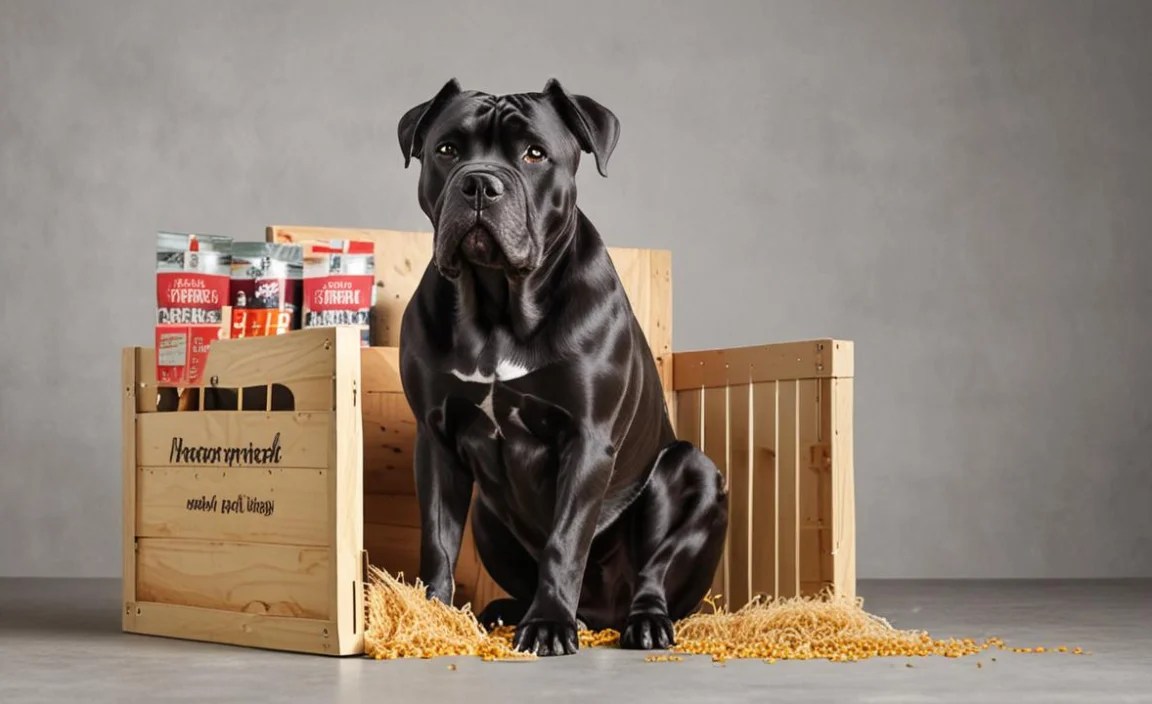
Even with the best intentions, you might encounter a few hurdles. Here’s how to tackle them:
Whining/Barking: If your Cane Corso whines, wait for a brief pause before opening the door. For persistent barking, consider if they need more exercise, a potty break, or if the duration in the crate is too long for their current stage. Ensure their crate is comfortable and not too large.
Refusal to Enter: Go back to Step 1 and make entering the crate much more rewarding. Toss treats, play a game of “find it” with food inside, or use a slightly more enticing treat.
Destructive Behavior Inside the Crate: This usually indicates anxiety or boredom. Ensure the toys provided are safe and appropriate. If they are trying to escape, they may be experiencing significant distress. This might require a slower training pace or consultation with a professional trainer. A reputable source like Fear Free Pets provides resources on managing pet anxiety.
Accidents in the Crate: Double-check the crate size – it might be too large. Ensure you are taking them out frequently for potty breaks, especially after waking up, after meals, and after play. Clean accidents thoroughly.
Table: Crate Training Progress Tracker
This table can help you monitor your progress and adjust as needed.
| Day | Session Duration (Minutes) | Behavior Observed (Calm/Anxious/Vocal) | Reward Given | Notes/Adjustments |
| :– | :————————- | :———————————– | :———— | :—————- |
| 1 | 5 | Calm, ate treats | Treats, Praise | Good start |
| 1 | 10 | Anxious, whined slightly | Treats, Praise | Shorter next time |
| 2 | 8 | Calm, chewed toy | Treats, Praise | Increased duration |
| 2 | 15 | Calm, rested | Treats, Praise | Successful |
Table: Recommended Crate Sizes for Cane Corsos (Approximate)
Always measure your dog and refer to manufacturer guidelines.
| Dog Age | Approximate Length Recommendation (Inches) | Crate Type |
| :—— | :—————————————– | :————————————— |
| Puppy | 36 (with divider to adjust space) | Wire or Plastic crate with divider |
| Adult | 42-48 | Heavy-duty Wire, Plastic, or Dog Kennel |
Beyond the Crate: Integrating Your Cane Corso into the Family

Crate training is a stepping stone to a well-behaved companion. Once your Cane Corso is reliably comfortable in their crate, you can start to phase out some of the intense food rewards and focus on building good manners outside the crate.
Socialization: Ensure your Cane Corso gets plenty of positive socialization with other dogs and people, under controlled circumstances. This is vital for this breed.
Exercise: Cane Corsos need regular, moderate exercise. A tired dog is a good dog! Walks, play sessions, and even canine sports can help manage their energy.
* Continued Training: Continue basic obedience training. Commands like “stay,” “come,” and “leave it” are essential for managing a large, strong breed. Resources like

Micheal L Garcia


