Choosing the right Cane Corso dog food and preparing for dog park visits are crucial for your large breed’s health and safety. This guide provides essential, easy-to-follow advice on nutrition, park etiquette, and safety tips, ensuring a happy and healthy experience for both you and your powerful companion.
Cane Corso Dog Food & Dog Park: Your Essential Guide to a Happy, Healthy Giant

Bringing a Cane Corso into your life is an exciting journey! These magnificent dogs are known for their loyalty, protective nature, and impressive size. Just like any breed, they thrive with proper care, and two key areas are their diet and safe social interaction. Sometimes, figuring out what to feed a large, active dog or how to navigate the busy dog park can feel a little overwhelming. You want the best for your furry family member, and that means making informed choices about their food and ensuring their experiences outside the home are positive and safe. This guide is here to help. We’ll break down the essentials of feeding your Cane Corso right and preparing them for fun and safe adventures at the dog park, step-by-step.
Understanding Cane Corso Nutritional Needs
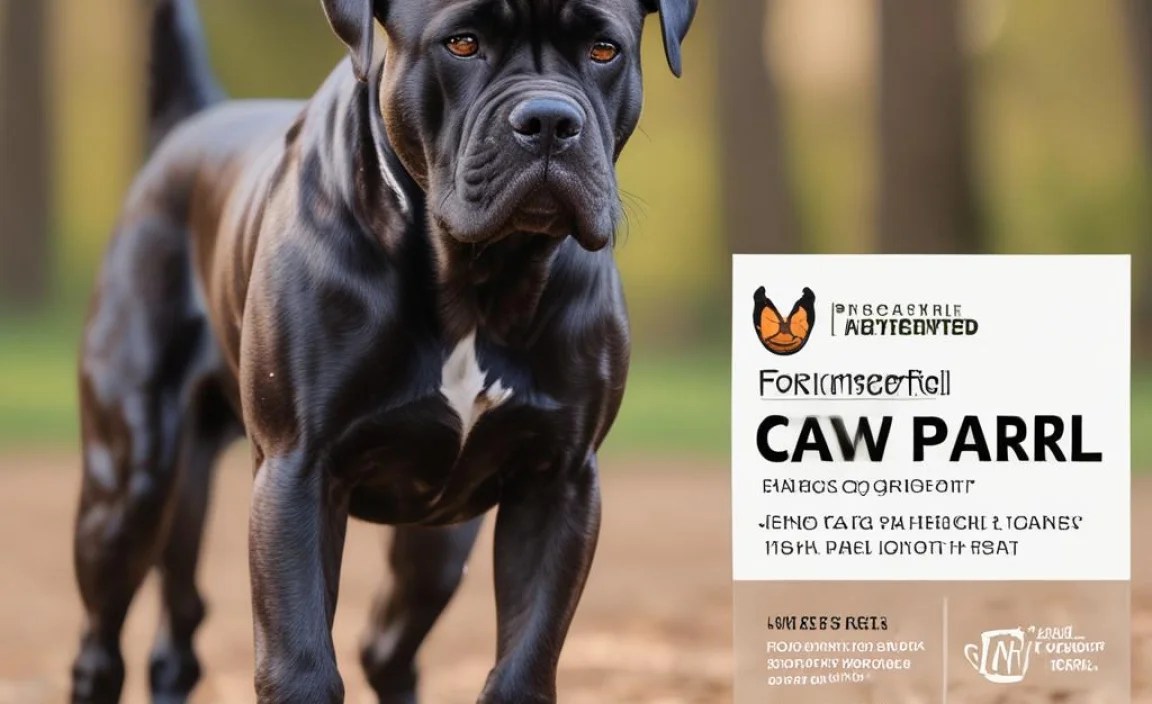
Cane Corsos are large, muscular dogs with significant energy needs. Their diet plays a vital role in their overall health, from bone development to maintaining a lustrous coat and supporting their active lifestyle. Feeding them a high-quality diet tailored to their breed and life stage is paramount.
Choosing the Right Cane Corso Dog Food
Not all dog food is created equal, especially when it comes to a breed as substantial as the Cane Corso. Look for foods specifically formulated for large breeds. These foods typically have:
- Balanced Protein: Essential for muscle development and repair. Aim for foods with moderate to high protein content (around 25-30%) derived from quality sources like chicken, lamb, or fish.
- Controlled Calcium and Phosphorus: Crucial for healthy bone growth, especially during their puppy stages. An imbalance can lead to skeletal problems.
- Glucosamine and Chondroitin: These supplements support joint health, which is vital for large breeds prone to hip and elbow dysplasia.
- Healthy Fats: Omega-3 and Omega-6 fatty acids contribute to a shiny coat, healthy skin, and provide energy.
- Appropriate Calorie Density: Large breeds can be prone to obesity if overfed, so choosing a food with the correct calorie count is important.
When selecting a commercial dog food, always check the first few ingredients. They should be whole, identifiable protein sources and not fillers like corn, wheat, or soy, especially if your dog has sensitivities. Consulting your veterinarian is always a wise step for personalized dietary recommendations based on your dog’s age, activity level, and any specific health concerns.
Life Stage Specific Food
Your Cane Corso’s nutritional needs will change throughout their life. It’s essential to feed them food appropriate for their life stage:
- Puppy Stage (Up to 18-24 months): Puppies need a diet rich in nutrients for rapid growth and development. Look for a high-quality large-breed puppy formula. Overfeeding or feeding a standard puppy food can lead to excessively fast growth, which can cause bone and joint issues later in life.
- Adult Stage (2-7 years): Once fully grown, switch to an adult large-breed formula that maintains muscle mass and energy without promoting excessive weight gain.
- Senior Stage (7+ years): Senior Cane Corsos may benefit from senior dog food formulas that often have lower calorie counts, added joint support, and ingredients to aid digestion.
Feeding Schedule and Portion Control
Consistency is key. Feed your Cane Corso at the same times each day. The amount of food will depend on the specific food you choose, its calorie density, and your dog’s individual metabolism and activity level. Always follow the feeding guidelines on the dog food packaging as a starting point, but monitor your dog’s body condition closely. You should be able to feel their ribs without them being prominently visible, and they should have a defined waist when viewed from above.
Overfeeding is a common problem with large breeds and can lead to obesity, which exacerbates joint problems and other health issues. If you’re unsure about portion sizes, ask your vet. They can help you calculate the exact caloric needs for your specific dog.
The Importance of Fresh Water
Always ensure your Cane Corso has access to fresh, clean water. This is non-negotiable for their health. Water is crucial for all bodily functions, digestion, temperature regulation, and nutrient transport.
Common Nutritional Pitfalls to Avoid
- Table Scraps: Many human foods are toxic to dogs or too rich for their digestive systems.
- Low-Quality Food: Foods with artificial colors, flavors, and excessive fillers can lead to poor digestion and nutrient deficiencies.
- Sudden Diet Changes: If you need to switch foods, do so gradually over a week to avoid upsetting your dog’s stomach. Mix increasing amounts of the new food with decreasing amounts of the old.
- Over-Supplementation: While some supplements are beneficial, more is not always better. Consult your vet before adding any supplements to your dog’s diet.
Preparing Your Cane Corso for the Dog Park

The dog park can be a fantastic place for socialization and exercise, but it requires careful preparation, especially for a strong breed like the Cane Corso. Safety, behavior, and awareness are key to ensuring a positive experience.
Essential Preparations Before You Go
Think of preparing your dog for the dog park like packing for a trip – you want to be ready for anything!
- Basic Obedience: Your Cane Corso should have a solid grasp of basic commands like “sit,” “stay,” “come,” and especially “leave it” and “drop it.” This is crucial for controlling them in a dynamic environment.
- Socialization History: Has your Cane Corso been well-socialized with other dogs and people from a young age? If not, the dog park might be too overwhelming initially. Gradual introductions in controlled settings are often best for less socialized dogs.
- Health Check: Ensure your dog is up-to-date on vaccinations and parasite prevention. A sick dog can spread illness, and you don’t want your Cane Corso catching anything nasty.
- Leash and Collar/Harness: Always use a secure leash and collar or harness. A sturdy, well-fitting harness is often preferable for large breeds as it distributes pressure more evenly.
- Water and Bowl: Bring water for your dog, especially on warm days. Dehydration can happen quickly. A collapsible travel bowl is handy.
- Waste Bags: Always clean up after your dog. It’s a matter of courtesy and public health.
Understanding Dog Park Dynamics
Dog parks are miniature societies with their own rules, often unwritten. Understanding these can save you and your dog a lot of stress.
Types of Dog Parks
While most are off-leash areas, some have specific sections for small and large dogs. If available, using the large dog area is highly recommended for your Cane Corso.
Choosing the Right Time to Visit
The busiest times can be overwhelming. Consider visiting during quieter hours, especially when you’re first introducing your dog. Early weekday mornings or late afternoons are often less crowded.
On-Leash Etiquette Before Entering
Even before you unleash your dog, your behavior matters.
- Observe First: Spend a few minutes watching the dogs already in the park. Are they playing nicely? Is there any aggressive behavior? Are the owners attentive?
- One Dog at a Time: When entering, it’s often best to have your dog on a leash and walk around the perimeter first to gauge the atmosphere.
- Calm Entry: Enter calmly. A calm demeanor from you will help your dog remain calm.
Off-Leash Rules and Safety
Once you’re inside and decide to unleash your dog, keep these points in mind:
- Supervise Constantly: Never leave your dog unattended. You are your dog’s advocate and need to monitor interactions.
- Read Dog Body Language: Learn to recognize signs of stress, fear, or aggression in your dog and other dogs. Look for tucked tails, pinned ears, lip licking, yawning, stiffening, or lunging.
- Know When to Intervene: If a scuffle starts, be prepared to calmly and safely break it up. Often, a loud clap or a firm “No!” is enough to interrupt. Avoid reaching directly into a dog fight.
- Limit Playtime if Needed: If your dog becomes overstimulated, tired, or stressed, it’s time to leash them up and go.
- Be Aware of Toy Aggression: Some dogs become possessive when toys or treats are present. It might be best to avoid bringing these to a crowded park.
What to Do if Your Cane Corso is the Target of Aggression
Unfortunately, not all dogs are well-behaved, and sometimes your dog might be on the receiving end of unwanted attention. If another dog is bothering your Cane Corso:
- Leash Up: Calmly leash your Cane Corso and remove them from the situation.
- Create Distance: Walk away from the aggressive dog.
- Communicate with the Owner: Politely inform the other owner that their dog was too much for your dog, or that their dog was showing concerning behavior.
Potential Dangers at the Dog Park
While generally safe, dog parks can present risks. Awareness is your best defense.
- Injuries: Dogs can get injured during play, especially if play gets too rough or a fight breaks out.
- Illnesses: Diseases like kennel cough, parvovirus, or distemper can spread through unvaccinated or inadequately vaccinated dogs. Ensure your dog is protected by consulting the AVMA on vaccination guidelines.
- Ingestion of Foreign Objects: Dogs might eat trash, dropped food, or other undesirable items, leading to internal blockages.
- Behavioral Issues: A poorly socialized or overly dominant dog can cause significant problems.
Nutrition and Dog Park: The Link

A well-nourished Cane Corso is generally more resilient and better equipped to handle the physical and mental demands of the dog park. Proper nutrition supports a strong immune system, healthy joints, and sustained energy levels.
Fueling Your Active Giant
A high-quality, large-breed-specific food will provide the necessary fuel for your Cane Corso’s adventures. Ensure they have access to fresh water before and after energetic play sessions. Avoid strenuous exercise immediately after a large meal, as this can increase the risk of bloat, a life-threatening condition in deep-chested breeds like the Cane Corso.
Can Nutrition Affect Behavior at the Park?
While behavior is complex and influenced by many factors, a dog that is consistently hungry or lacking essential nutrients might be more irritable or prone to anxiety. Ensuring your dog is on a balanced diet contributes to their overall well-being, which can positively impact their temperament and ability to interact appropriately with others.
Essential Gear for Cane Corso Owners

Having the right gear makes dog park visits and daily life with a Cane Corso much easier and safer.
The Must-Have Checklist
- Durable Leash: A 6-foot nylon or leather leash is versatile.
- Comfortable Harness: A front-clip or back-clip harness distributes pressure and can help with leash-pulling. Brands like the Ruffwear Front Range Harness are popular for their durability and comfort.
- ID Tags: Ensure your dog always wears a collar with up-to-date identification tags including your phone number. A microchip is also highly recommended in conjunction with tags.
- Waste Bags: Biodegradable bags are a good choice for the environmentally conscious.
- Water Bottle and Collapsible Bowl: Essential for hydration.
- High-Value Training Treats: Small, tasty treats can reinforce good behavior.
- First-Aid Kit: For minor scrapes and cuts. Consider adding a styptic pencil for nail bleeds.
- Towel: For wiping off mud or drying a wet dog.
Advanced Training for Cane Corsos
While basic obedience is crucial, continued training helps maintain your Cane Corso’s good manners, especially in stimulating environments like the dog park.
Recall Training
A reliable recall is paramount. Practice “come” in various distracting environments. Never punish your dog for coming to you, even if they were doing something they shouldn’t have been. You want them to associate coming to you with positive experiences.
“Leave It” Command
This command is invaluable for preventing your dog from picking up dangerous items at the park or from bothering other dogs. Practice with tempting objects and gradually increase the difficulty.
“Play Bow” and “Chill” Cues
Teaching your dog to initiate play with a clear “play bow” can help avoid misunderstandings. Conversely, teaching a “chill” or “settle” cue can help them relax when things get a bit too intense.
When the Dog Park Isn’t Right for Your Cane Corso
It’s important to be honest about your dog’s temperament and your ability to manage them. A dog park isn’t for every dog, or every owner.
- Fearful or Anxious Dogs: If your Cane Corso is genuinely fearful of other dogs or the environment, the dog park can cause more harm than good, potentially exacerbating their anxiety or leading to defensive aggression.
- Undersocialized Dogs: Dogs that lack proper socialization may not understand canine social cues and can become overwhelmed or inadvertently aggressive.
- Dogs with a High Prey Drive: While less common in Cane Corsos, some dogs may view smaller dogs as prey, which is a dangerous dynamic in a mixed-breed park.
- Owners Who Can’t Supervise: If you cannot dedicate your full attention to observing your dog and the surroundings, it’s best to avoid the park.
For dogs that aren’t suited for the free-for-all of the dog park, consider alternative socialization methods like structured playdates with known, well-behaved dogs, or professional training classes.
A Sample Feeding Schedule & Nutrition Breakdown for a Cane Corso Adult
This is a general example. Always consult your veterinarian for personalized advice.
| Time | Meal | What it Includes | Notes |
|---|---|---|---|
| 7:00 AM | Breakfast | High-quality large-breed dry kibble (e.g., 2-3 cups depending on brand and dog’s needs) | Ensure fresh water is always available. |
| 12:00 PM – 1:00 PM | Optional Snack/Treat | A few healthy, small training treats or a small portion of dog-safe fruit (e.g., blueberries, apple slices – no seeds) | Only if needed for training or if dog is particularly active. Avoid overfeeding. |
| 5:00 PM – 6:00 PM | Dinner | High-quality large-breed dry kibble (e.g., 2-3 cups depending on brand and dog’s needs) | This helps distribute caloric intake throughout the day. |
Key Nutritional Components to Look For in Food:
- Protein: 25-30%
- Fat: 12-18%
- Fiber: 3-5%
- Calcium: 0.8-1.2%
- Phosphorus: 0.7-1.0%
- Glucosamine: ~500 mg/kg
- Chondroitin: ~400 mg/kg
Always check the specific guaranteed analysis on your chosen dog food bag. The FDA offers excellent resources for understanding pet food labels and regulations.
Frequently Asked Questions (FAQs)
Q1: How much should I feed my Cane Corso puppy?
Cane Corso puppies grow rapidly and need a specialized large-breed puppy formula. Follow the feeding guidelines on the food packaging, but always monitor your puppy’s body condition. Avoid overfeeding, as rapid growth can lead to skeletal issues. Consult your veterinarian for a precise feeding plan.


