Choosing the right Cane Corso dog food is essential for their health and well-being. Focus on high-quality protein, balanced nutrients, and age-appropriate formulas to support their growth, energy, and overall vitality. This guide simplifies the process, ensuring your gentle giant thrives.
Welcoming a Cane Corso into your home is a truly special experience. These magnificent dogs, known for their loyalty and protective nature, are often called gentle giants for a reason. But like any large breed, they have specific nutritional needs that can sometimes feel overwhelming to figure out. Getting their diet right from the start is a cornerstone of good pet parenting.
It’s easy to get lost in a sea of choices at the pet store or online, wondering what truly benefits your furry friend the most. This guide is designed to cut through the confusion, offering clear, practical advice on the essentials of Cane Corso dog food. We’ll cover everything from understanding their dietary requirements to selecting the best food for every stage of their life, ensuring your Cane Corso stays happy, healthy, and full of life for years to come.
Understanding Cane Corso Nutritional Needs
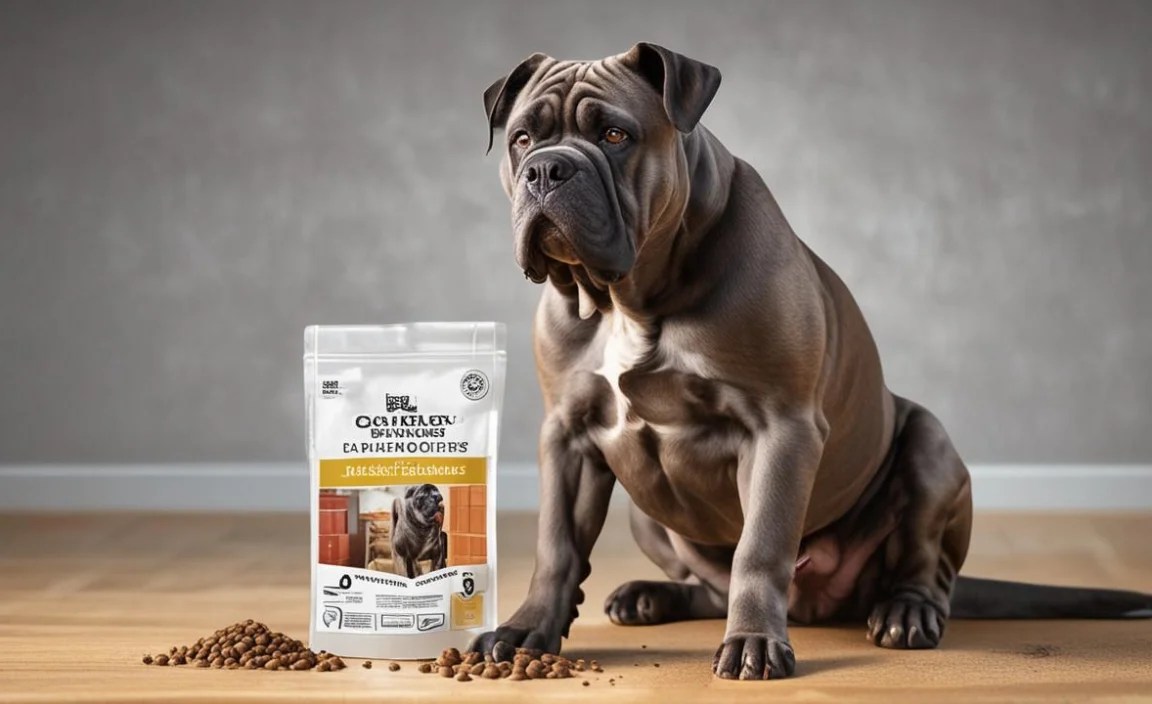
Cane Corsos are a breed that demands specific attention to their diet. As they grow into their impressive size, their bodies require a carefully balanced intake of nutrients. This isn’t just about filling a bowl; it’s about providing the building blocks for a long and healthy life. Their large frame means they are prone to certain health issues if their diet isn’t managed properly. Think of their food as fuel – the right kind keeps their engine running smoothly, while the wrong kind can cause all sorts of problems.
Protein: The Building Block
For any dog, protein is paramount, but for a powerful breed like the Cane Corso, it’s especially critical. Protein is essential for building and repairing tissues, supporting muscle development, and providing energy. A high-protein diet helps your Cane Corso maintain its strong physique and active lifestyle. When looking at dog food labels, you’ll want to see a good source of animal protein listed among the first ingredients. This indicates quality and that your dog is getting the protein they need to thrive.
Healthy Fats for Energy and Coat
Fats are another vital component of a dog’s diet. They are a concentrated source of energy, help absorb essential vitamins, and contribute to a healthy skin and coat. For a breed as active and outwardly impressive as the Cane Corso, a shiny coat and healthy skin aren’t just cosmetic; they’re indicators of good health. Omega-3 and Omega-6 fatty acids, often found in fish oils and certain plant-based oils, are particularly beneficial for joint health and reducing inflammation, which can be important for large breeds.
Carbohydrates: Fueling the Giant
While protein and fats get a lot of attention, carbohydrates also play a crucial role. They provide readily available energy and dietary fiber, which aids in digestion. It’s important to choose digestible carbohydrate sources. Complex carbohydrates like sweet potatoes, brown rice, and oats are generally better than simple carbohydrates, as they release energy more slowly and provide more sustained fuel for your active Cane Corso. They also contribute essential vitamins and minerals.
Vitamins and Minerals: The Essential Extras
A complete and balanced dog food will also contain a full spectrum of vitamins and minerals. These micronutrients perform countless functions in the body, from supporting the immune system to ensuring proper bone growth and nerve function. Calcium and phosphorus are particularly important in large breeds like the Cane Corso to support strong bone development and prevent issues like hip dysplasia. Always choose a food that is formulated to meet the nutritional standards set by organizations like the Association of American Feed Control Officials (AAFCO), which ensures a food is complete and balanced for a specific life stage.
Choosing the Right Food for Your Cane Corso

Selecting the perfect food for your Cane Corso isn’t a one-size-fits-all situation. Their needs change as they grow from a playful puppy to a mature adult and into their senior years. Each stage of life requires a tailored approach to nutrition to ensure optimal health and development. Understanding these differences will help you make the best choices for your gentle giant.
Puppy Food: Building a Strong Foundation
Cane Corso puppies grow incredibly fast, and their puppy food needs to support this rapid development without causing them to grow too quickly. Rapid growth can sometimes lead to skeletal issues in large breeds. Look for a high-quality puppy formula specifically designed for large breeds. These foods typically have controlled levels of calcium and phosphorus to promote healthy bone and joint development, along with adequate protein and calories to fuel their growth. The first few years are critical, and the right nutrition during this period sets the stage for a lifetime of health.
Key elements of a good large-breed puppy food:
- Controlled Calcium and Phosphorus: Crucial for preventing developmental orthopedic diseases.
- Adequate Protein: Supports muscle growth without stimulating excessively rapid bone growth.
- Glucosamine and Chondroitin: Supports joint health.
- Omega Fatty Acids: For brain development and a healthy coat.
Adult Food: Maintaining Health and Vitality
Once your Cane Corso reaches adulthood (typically around 18-24 months), their nutritional needs shift. Their growth plates have closed, and they require a food that maintains their lean muscle mass, energy levels, and overall health. Adult formulas should still be high-quality and balanced, but the proportions of certain nutrients might change. For active adult Cane Corsos, a food with a good balance of protein, healthy fats, and carbohydrates will keep them in top condition. If your adult dog is less active or prone to weight gain, you might consider an “active” or “healthy weight” formula.
Senior Food: Supporting Aging Needs
As your Cane Corso ages, their metabolism slows down, and they may develop specific health concerns. Senior dog food formulas are designed to address these changes. They often contain fewer calories to prevent weight gain, added fiber for digestive health, and increased levels of joint-supporting nutrients like glucosamine and chondroitin. They may also include antioxidants to support a healthy immune system and ingredients to support cognitive function. Consult your veterinarian about the best senior formula for your aging companion.
Types of Cane Corso Dog Food

The world of dog food offers a variety of formats, each with its own set of pros and cons. Understanding these options will help you choose the best fit for your Cane Corso’s preferences, your lifestyle, and their specific dietary needs.
Dry Kibble: The Popular Choice
Dry kibble is, by far, the most common type of dog food. It’s convenient, has a long shelf life, and can be cost-effective. High-quality kibble is formulated to be nutritionally complete and balanced. One of the benefits of kibble is that the dry texture can help to clean your dog’s teeth and reduce tartar buildup. When choosing kibble, look for brands that use whole meat sources as the primary ingredient and avoid fillers like excessive corn, wheat, or soy, especially if your dog has sensitivities.
Pros of Kibble:
- Convenient and easy to store.
- Long shelf life.
- Can aid in dental hygiene.
- Cost-effective.
Cons of Kibble:
- Lower moisture content (can be an issue for dogs who don’t drink much water).
- Processing can sometimes degrade nutrient quality compared to fresh foods.
- Quality varies greatly between brands.
Wet or Canned Food: Palatable and Hydrating
Wet food has a higher moisture content, making it more palatable for many dogs and contributing to their daily hydration. It often contains higher levels of protein and fat and can be a good option for picky eaters or dogs who need to increase their water intake. However, wet food is typically more expensive than kibble, has a shorter shelf life once opened, and doesn’t offer the same dental benefits as dry kibble. It’s often used as a topper for kibble or fed as a complete diet.
Pros of Wet Food:
- High palatability.
- Increased moisture content for hydration.
- Often higher in protein.
Cons of Wet Food:
- More expensive than kibble.
- Shorter shelf life after opening.
- May not offer dental benefits.
Raw Food Diets: A Growing Trend?
Raw food diets involve feeding your dog uncooked meat, bones, fruits, and vegetables. Proponents claim benefits like improved digestion, shinier coats, and increased energy. However, raw diets also come with significant risks. The primary concerns include potential bacterial contamination (such as Salmonella or E. coli) that can affect both the dog and humans in the household, as well as the risk of bone fragments causing internal injury. If you are considering a raw diet, it is absolutely crucial to consult with your veterinarian and a veterinary nutritionist to ensure it is safely prepared and nutritionally complete, following guidelines from resources like the American Veterinary Medical Association (AVMA).
Pros of Raw Food Diets (claimed):
- Anecdotal reports of improved coat and digestion.
- May be more palatable for some dogs.
Cons of Raw Food Diets:
- Risk of bacterial contamination (Salmonella, E. coli).
- Risk of physical injury from bones.
- Nutritional imbalances if not meticulously prepared.
- Potential transmission of pathogens to humans.
Limited Ingredient Diets (LID): For Sensitive Stomachs
If your Cane Corso has a sensitive stomach or known food allergies, a limited ingredient diet might be the answer. These foods are formulated with a single source of protein and a limited number of carbohydrate sources, making it easier to identify and avoid trigger ingredients. They are designed to minimize the risk of allergic reactions. If you suspect your dog has food sensitivities, work with your veterinarian to choose an appropriate LID and a plan for transitioning to it.
How to Read Dog Food Labels

Navigating the dog food aisle can feel like deciphering a foreign language. Understanding how to read a dog food label is a crucial skill for any pet owner. It empowers you to make informed decisions about what you’re feeding your Cane Corso. Here’s a breakdown of what to look for:
Ingredient List: What Goes In
The ingredients are listed in descending order by weight. This means the first few ingredients are the most abundant. Look for a named meat source (like chicken, beef, lamb, or fish) as the first ingredient. Avoid generic terms like “meat by-products” as the primary ingredient. Whole grains, vegetables, and fruits should also be present rather than heavily reliant on fillers.
Example of a Good Ingredient List Start:
- Deboned Chicken
- Chicken Meal
- Brown Rice
- Oats
- Barley
Example of a Less Ideal Ingredient List Start:
- Corn
- Wheat Flour
- Chicken By-Product Meal
- Soybean Meal
- Animal Fat
Guaranteed Analysis: The Nutrient Breakdown
This section provides the minimum percentages of crude protein and crude fat, and the maximum percentages of crude fiber and moisture. While useful, it doesn’t tell the whole story about the quality or digestibility of those nutrients. For example, a food might list “chicken” as an ingredient, but the guaranteed analysis won’t tell you if it’s whole chicken or just chicken meal (which is more concentrated in protein).
AAFCO Statement: Nutritional Adequacy
This is one of the most important parts of the label. Look for a statement that says the food is “formulated to meet the nutritional levels established by the AAFCO Dog Food Nutrient Profiles for [life stage].” Life stages typically include “growth” (puppy), “maintenance” (adult), or “all life stages.” This statement assures you that the food provides a complete and balanced diet for that specific stage.
Feeding Guidelines: How Much to Give
These are just recommendations and serve as a starting point. Factors like your dog’s age, activity level, metabolism, and whether they are spayed or neutered will influence their actual caloric needs. It’s best to monitor your dog’s body condition and adjust the amount accordingly. You should be able to feel their ribs easily without them being overly prominent.
Key Nutrients for Cane Corso Health

Beyond the general categories, certain nutrients have a pronounced impact on the health of a large breed like the Cane Corso. Prioritizing these can make a significant difference in their well-being.
Joint Health: Glucosamine and Chondroitin
Large breeds are more susceptible to joint issues like hip and elbow dysplasia. Glucosamine and chondroitin are natural compounds that are essential components of cartilage. They help to maintain joint health and can slow the progression of arthritis. Many high-quality large-breed specific dog foods include these as added supplements, but you can also find them in joint health supplements if your vet recommends them. Research from institutions like Cornell University College of Veterinary Medicine highlights the importance of joint care throughout a dog’s life.
Digestive Health: Probiotics and Fiber
A healthy digestive system is crucial for nutrient absorption and overall well-being. Foods enriched with probiotics can introduce beneficial bacteria to your dog’s gut, aiding digestion and supporting a strong immune system. Dietary fiber, from sources like brown rice, sweet potatoes, and peas, also plays a vital role in digestive health by promoting regular bowel movements and supporting the gut microbiome. Look for these ingredients in your Cane Corso’s food to support their gut health.
Omega Fatty Acids: Skin, Coat, and Brain
The Omega family of fatty acids, particularly Omega-3 and Omega-6, are vital for your Cane Corso’s health. Omega-6 fatty acids, commonly found in vegetable oils, are important for skin and coat health. Omega-3 fatty acids, often derived from fish oils (like salmon oil), are crucial for reducing inflammation, supporting brain development, and promoting cardiovascular health. A good balance of these essential fatty acids contributes to a glossy coat and healthy skin, and supports your dog’s overall physiological functions.
Transitioning Your Cane Corso to a New Food
Changing your dog’s food abruptly can lead to digestive upset, such as vomiting or diarrhea. A slow, gradual transition is key to a happy tummy and a comfortable Cane Corso.
Step-by-Step Transition Process
- Days 1-2: Mix 25% new food with 75% old food.
- Days 3-4: Mix 50% new food with 50% old food.
- Days 5-6: Mix 75% new food with 25% old food.
- Day 7 onwards: Feed 100% new food.
During this transition, monitor your dog closely for any signs of digestive distress. If you notice any issues, slow down the transition by extending the previous step for a few more days.
When to Consult Your Veterinarian
It’s always a good idea to discuss any significant dietary changes with your veterinarian, especially if your Cane Corso has pre-existing health conditions or known sensitivities. Your vet can provide personalized recommendations based on your dog’s specific needs, age, and health history. They can also help you interpret food labels and understand which ingredients might be beneficial or detrimental for your individual dog.
Cane Corso Dog Food and Obedience Training
While food is primarily for nutrition, it can also play a supportive role in your Cane Corso’s obedience training. High-value training treats can be incredibly motivating for dogs, helping them learn and reinforce desired behaviors. Small, palatable, and nutrient-dense treats are ideal for training sessions.
High-Value Treats for Training
For a breed as intelligent and sometimes stubborn as the Cane Corso, effective training rewards are essential. Think of tiny pieces of cooked chicken, cheese, or specially designed training treats. These should be small enough to be given frequently without overfeeding and appealing enough to capture your dog’s attention. Make sure these training treats are healthy and don’t make up a significant portion of their daily caloric intake, to avoid weight gain.
Portion Control and Training
It’s important to account for the calories from training treats when calculating your Cane Corso’s overall daily food intake. You might need to slightly reduce their regular meal portions to compensate for the extra calories consumed during training. This helps prevent obesity, which can lead to various health issues for large breeds. A balanced diet remains the priority, with training treats serving as useful, supplementary motivators.
Recommended Cane Corso Feeding Schedule
Consistency is key when it comes to feeding your Cane Corso. Establishing a regular feeding schedule helps regulate their digestion and can contribute to a more predictable temperament.
Puppy Feeding Schedule
- 3-6 months: 3-4 meals per day.
- 6-12 months: 2-3 meals per day.


