Cane Corso as a dog park farm dog? Absolutely! This powerful breed thrives with socialization and a job. Learn essential facts about integrating your Cane Corso into dog parks and farm life, ensuring a happy, well-adjusted companion for any adventure.
So, you’re curious about bringing your powerful Cane Corso to the dog park or considering them as a farm companion. It’s a fantastic idea, but one that requires understanding and preparation. Many dog owners wonder if these imposing dogs are suited for bustling environments or working roles. The good news is, with the right approach, a Cane Corso can be a wonderfully social and capable farm dog. We’ll walk through everything you need to know to make it a success, from crucial early socialization to understanding their needs. Get ready to discover how your Cane Corso can shine in new environments!
Understanding the Cane Corso: More Than Just a Big Dog

The Cane Corso is an Italian mastiff breed with a rich history as a guardian and working dog. They are known for their loyalty, intelligence, and protective nature. While their imposing presence might be intimidating to some, with proper training and socialization, they are gentle giants.
Physical Characteristics
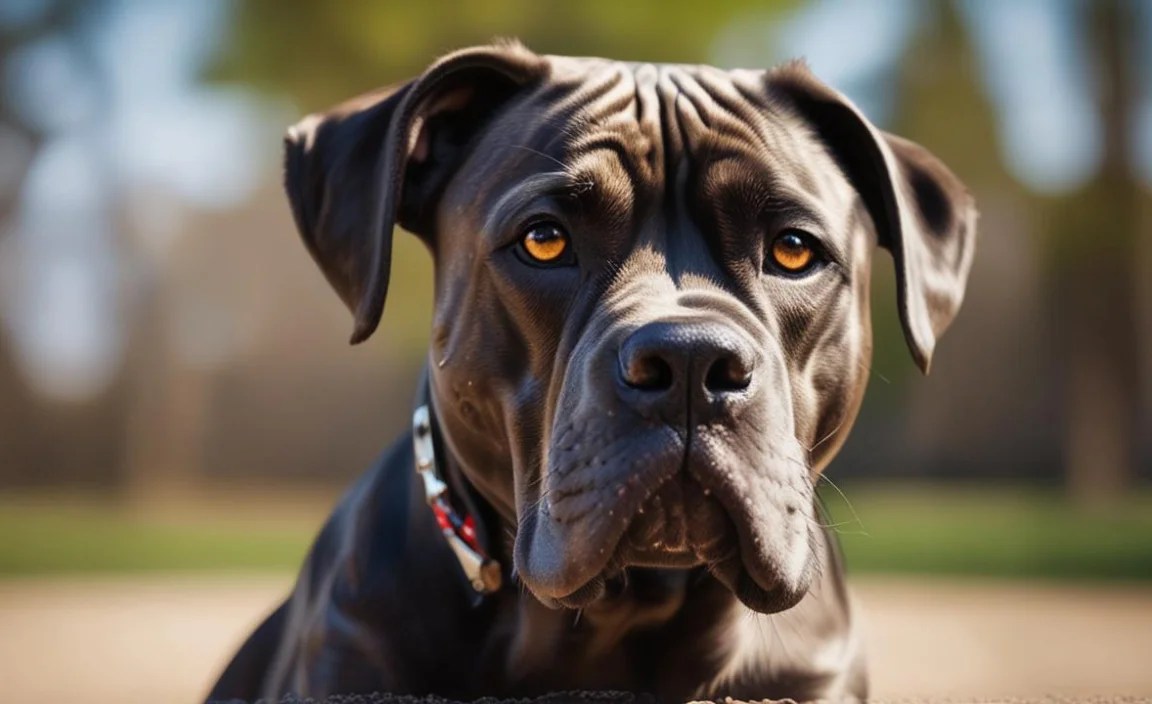
Cane Corsos are large, muscular dogs. They typically stand between 24 to 27.5 inches at the shoulder and weigh between 90 to 110 pounds, though some can be larger. Their coat is short and dense, requiring minimal grooming. They come in various colors, including black, fawn, red, and brindle.
Temperament and Personality
This breed is known for being calm, confident, and courageous. They are incredibly loyal to their families and can be aloof with strangers, which is why early socialization is so important. They are intelligent and eager to please, making them highly trainable. However, they also possess a strong independent streak.
History and Purpose
Originating from Italy, the Cane Corso was historically used for various farm tasks, including guarding property, herding livestock, and hunting large game. Their strength, agility, and protective instincts made them ideal for these demanding roles. This working heritage is still deeply ingrained in their nature.
Cane Corso at the Dog Park: A Socialization Success Story

Introducing your Cane Corso to a dog park requires careful planning and continuous reinforcement of good behavior. The goal is to create a positive experience that enhances their social skills.
Pre-Park Preparations
Before even stepping foot in a dog park, ensure your Cane Corso has a solid foundation in basic obedience. Commands like “sit,” “stay,” “come,” and “leave it” are crucial for managing them in a dynamic environment. A well-practiced “recall” is paramount for safety.
Basic Obedience Essentials
A well-trained Cane Corso is a happy Cane Corso, especially in public. Focus on these commands:
- Sit: Essential for controlled greetings and managing excitement.
- Stay: Helps prevent them from chasing or reacting impulsively.
- Come (Recall): The most important command for safety, always.
- Leave It: Useful for ignoring dropped food or other distractions.
- Loose-Leash Walking: Keeps them manageable and prevents pulling.
Choosing the Right Dog Park
Not all dog parks are created equal, and some might not be suitable for a large, powerful breed like the Cane Corso. Look for parks with good fencing, separate areas for large and small dogs, and a generally well-behaved canine population.
Ideal Dog Park Features
- Secure Perimeter Fencing: No gaps or weak spots.
- Separate Areas: A dedicated large-dog run is ideal.
- Good Ground Cover: Grass or soft mulch is better than mud or gravel.
- Water Access: Important for hydration, especially during play.
- Plenty of Space: Room for dogs to run and play without constant collision.
First Dog Park Visits: A Gradual Approach
Your first few visits should be short and focused on positive experiences. Go during off-peak hours to avoid overwhelming your dog. Observe other dogs and owners from a distance initially.
Step-by-Step Introduction
- Observe from the outside: Let your Corso get used to the sounds and sights.
- Enter calmly: Keep your Corso on a loose leash. Don’t pull.
- Allow brief sniff-and-goes: Let them greet a few calm dogs.
- Keep it short: 10-15 minutes is plenty for a first visit.
- End on a positive note: Leave before your dog becomes stressed or overly boisterous.
Managing Interactions
Always supervise your Cane Corso closely. Intervene if they seem overwhelmed, stressed, or are exhibiting dominant behavior. Learn to read dog body language – flattened ears, tucked tail, lip licking, or stiffening are signs of discomfort.
Key Interaction Tips
- Supervise constantly: Never leave your dog unattended.
- Advocate for your dog: If another dog is bothering yours, step in.
- Watch for stress signals: Remove your dog if they seem uncomfortable.
- Keep greetings brief: Avoid long, intense nose-to-nose greetings.
- Discourage mounting: This can escalate into conflict.
Potential Challenges and Solutions
Some Cane Corsos can be overly protective or possessive. Socialization helps, but consistent training is key. If your dog shows signs of aggression, consult a professional dog trainer.
Common Issues at Dog Parks
| Issue | Solution |
|---|---|
| Over-excitement/Boisterousness | Practice impulse control exercises. Keep visits short. Manage greetings. |
| Resource Guarding (toys, food) | Never feed or give high-value treats in the park. Practice “trade” games at home. |
| Fear or Anxiety | Gradual introductions. Stick to calmer parks. Provide a safe space (e.g., a mat to lie on). |
| Dominance Displays | Consistent obedience training. Redirect unwanted behaviors. Seek professional help if persistent. |
Cane Corso as a Farm Dog: A Natural Fit

The Cane Corso’s natural guarding instincts, strength, and intelligence make them exceptionally well-suited for farm life. They can be invaluable assets when properly trained and integrated.
Roles on the Farm
Cane Corsos can perform a variety of tasks on a farm, leveraging their innate abilities.
Potential Farm Duties
- Livestock Guardian: Protecting sheep, cattle, or poultry from predators. Their presence alone can deter threats.
- Property Guardian: Deterring intruders or unauthorized visitors from entering the farm.
- Companion and Assistant: Accompanying the farmer on rounds, offering companionship and an extra set of eyes (and ears).
- Herding (with training): While not their primary historical role, they can learn to assist with moving livestock under guidance.
Essential Farm Training
For a Cane Corso to be a successful farm dog, specialized training is necessary to channel their instincts appropriately. Training should focus on control, clear boundaries, and understanding what is expected.
Key Training Areas for Farm Work
- Boundary Training: Teaching your dog the limits of the farm property and where they are allowed.
- Livestock Etiquette: Educating your dog on how to interact (or not interact) with different animals. This is crucial to prevent them from harming livestock.
- Alerting/Alarm Barking: Training them to alert to genuine threats versus every passing car or squirrel.
- Off-Switch Training: Teaching them when it’s time to relax and when it’s time to be alert.
- “Leave It” for Farm Hazards: This is vital for avoiding dangerous tools, chemicals, or toxic plants found on a farm.
Integrating with Livestock
Introducing your Cane Corso to farm animals requires patience and careful management.
Steps for Successful Integration
- Start young: Early exposure, when the Cane Corso is a puppy, is most effective.
- Controlled Introductions: Supervise every interaction from a safe distance at first. Use leashes.
- Positive Reinforcement: Reward calm behavior around livestock.
- Respect Individual Personalities: Some livestock are more tolerant than others; consider this in your approach.
- Continuous Supervision: Never assume your dog is safe with livestock without your direct oversight.
Farm Safety Considerations
Farms present unique hazards that owners must be aware of for their Cane Corso.
Farm Hazards for Dogs
- Machinery: Tractors, combines, and other equipment can be dangerous. Train for “stay back” around operating machinery.
- Toxic Plants and Substances: Many common plants and pesticides are poisonous to dogs. Know what to avoid. The ASPCA Animal Poison Control website is a valuable resource.
- Fencing and Barriers: Ensure farm fencing is secure not only for livestock but also to keep your dog safe and contained.
- Water Sources: Ponds, troughs, or irrigation ditches can pose drowning risks, especially for younger or less experienced swimmers.
- Other Farm Animals: Even if trained, interactions with unfamiliar animals or particularly aggressive farm residents should be managed with caution.
Daily Care and Well-being for Your Cane Corso

Whether at the dog park or working on the farm, your Cane Corso needs consistent, quality care to thrive.
Nutrition: Fueling a Working Dog
A high-quality diet is essential for a large, active breed like the Cane Corso.
Choosing the Right Food
- High-Quality Kibble: Look for brands with a named meat source as the first ingredient.
- Life-Stage Appropriate: Puppy, adult, and senior formulas cater to different needs.
- Joint Support: Many large-breed formulas include glucosamine and chondroitin.
- Portion Control: Feed according to your dog’s activity level and the food manufacturer’s guidelines to prevent obesity.
Consult your veterinarian for specific dietary recommendations. They may suggest supplements, especially for working dogs. For instance, a healthy diet can be supported by ingredients found in high-quality dog foods. You can find more information on canine nutrition from resources like
Cornell University’s College of Veterinary Medicine.
Exercise Requirements
Cane Corsos are active dogs that need regular, vigorous exercise. This helps manage their energy levels and prevent destructive behaviors.
Types of Exercise
- Daily Walks: Brisk walks of at least 30-60 minutes per day.
- Running/Jogging: Once fully grown, they can accompany you on runs.
- Playtime: Fetch, tug-of-war, and interactive games.
- Mental Stimulation: Puzzle toys, training sessions, and scent games are vital to prevent boredom.
Grooming and Health
While generally low-maintenance, regular grooming and health checks are important.
Grooming Routine
- Brushing: Weekly brushing with a slicker brush or grooming glove to remove loose hair.
- Bathing: As needed, usually every 1-2 months, using a dog-specific shampoo.
- Nail Trimming: Trim nails every 2-4 weeks to prevent overgrowth.
- Ear Cleaning: Check and clean ears weekly to prevent infections.
- Dental Care: Brush teeth regularly with dog toothpaste.
Common Health Concerns
Like all breeds, Cane Corsos are predisposed to certain health issues. Responsible breeding and proactive care can mitigate risks.
Breed-Specific Health Considerations
- Hip and Elbow Dysplasia: Common in large breeds; maintain a healthy weight and provide appropriate exercise.
- Bloat (Gastric Dilatation-Volvulus – GDV): A life-threatening condition. Feed smaller meals, avoid strenuous exercise after eating, and consider prophylactic gastropexy surgery.
- Eye Conditions: Such as entropion and ectropion.
- Heart Conditions: Various issues can affect the breed.
Regular veterinary check-ups are the best way to monitor your dog’s health and catch potential problems early. The
provides excellent breed-specific health information.
Gear Essentials for Your Cane Corso
The right equipment makes managing and enjoying your Cane Corso much easier and safer.
Best Collars and Harnesses
A sturdy collar and a well-fitting harness are essential.
Choosing Quality Gear
- Martingale Collars: Good for dogs with slender heads that can slip out of flat collars.
- Flat Buckle Collars: Ensure it’s made of durable material and fits snugly but comfortably (two-finger rule).
- Harnesses: A front-clip harness can help reduce pulling. A sturdy harness is also useful for attaching leashes for farm work or transport.
- Avoid Choke Chains/Prong Collars: These can cause injury and are generally not recommended for this breed by modern trainers.
Leashes and Training Tools
A strong, reliable leash is non-negotiable.
Recommended Leash Types
- Standard 6-foot Leash: Made of nylon or leather, strong enough for a powerful dog.
- Long Line (15-30 feet): Useful for recall training in safe, open areas.
- Head Halters (e.g., Gentle Leader): Can provide excellent control for strong pullers, but require proper introduction.
Travel and Safety
Transporting your Cane Corso safely is paramount.
Travel Safety
- Car Crate or Seat Belt Harness: Never let your dog roam free in a vehicle.
- Vehicle Protection: Seat covers and cargo liners can protect your car’s interior.
- Water and Snacks: Always carry water and a portable bowl for longer trips.
Frequently Asked Questions (FAQ) about Cane Corsos on the Farm and in Parks
Are Cane Corsos good with children?
When properly socialized from a young age and raised in a family environment, Cane Corsos can be very good with children. However, due to their size and strength, supervision is always recommended when they are around young children to prevent accidental injury. They are naturally protective but need to be taught gentle interaction.
Do Cane Corsos shed a lot?
Cane Corsos have a short, dense double coat that sheds moderately year-round, with heavier shedding periods seasonally (usually spring and fall). Regular brushing can help manage the shedding.
How much exercise does a Cane Corso need daily?
A Cane Corso typically needs at least 60-90 minutes of vigorous exercise per day. This can be broken down into walks, runs, playtime, and mental stimulation. More active individuals might require even more.
Can a Cane Corso live in an apartment?
While Cane Corsos can adapt to apartment living, it is not ideal for this breed due to their size and energy levels. They require ample space to move and a yard is highly recommended. If living in an apartment, significantly more time and effort must be dedicated to daily exercise and mental stimulation outside the home.
Are Cane Corsos aggressive dogs?
Cane Corsos are naturally protective and can be aloof with strangers, which is sometimes misinterpreted as aggression. With proper socialization, training, and responsible ownership, they are loyal, calm, and devoted companions. Unsocialized or poorly trained individuals of any breed can exhibit undesirable behaviors.
What is the most crucial training for a farm Cane Corso?
The most crucial training focuses on reliable recall, boundary awareness, and a clear understanding of how to behave around livestock. Teaching them “leave it” for farm hazards and to differentiate between genuine threats and everyday occurrences is also vital for safety.
When is the best time to introduce a Cane Corso puppy to a dog park?
It’s best to wait until your Cane Corso puppy has completed their initial vaccination series and has been cleared by your veterinarian to enter public spaces. Before visiting a dog park, focus on foundational obedience and ensuring they are comfortable with basic socialization in controlled environments.
Conclusion: A Rewarding Partnership
Bringing a Cane Corso into your life, whether for the joys of the dog park or the hardworking demands of a farm, is a commitment filled with immense rewards. These magnificent dogs possess a unique blend of power, loyalty, and intelligence that, when channeled correctly, makes them exceptional companions and capable workers. By understanding their needs, investing in consistent training and socialization, and providing them with the right environment and care, you can build a strong, trusting bond. A well-prepared Cane Corso can confidently navigate the social dynamics of a dog park and diligently serve as a


