Cane Corso dominance intelligence is a reality; these dogs are brilliant protectors, highly trainable, and eager to please when their innate intelligence and strong nature are channeled correctly through leadership and consistent training.
Thinking about welcoming a Cane Corso into your life, or perhaps you already have one of these magnificent dogs? You might be wondering about their intelligence and that famous “dominance” people talk about. It’s easy to get a little concerned, but knowing the facts can make all the difference. The good news? Understanding your Cane Corso’s sharp mind and natural instincts is the key to a happy, well-behaved companion. We’re here to break down exactly how their intelligence works and how you can nurture it. Get ready to discover the genius within your gentle giant!
Understanding Cane Corso Dominance: It’s About Leadership, Not Control

When we talk about “dominance” in dogs, especially powerful breeds like the Cane Corso, it’s crucial to understand what that really means. It’s not about being a bully or an aggressor. Instead, for a breed like the Cane Corso, dominance is deeply rooted in their historical role as guardians and protectors. They are naturally confident, possess a strong sense of their environment, and have an inherent desire to lead and keep their “pack” safe. For a Cane Corso, leadership is about clear direction and consistent boundaries, not about outright control over you or other pets. They respect and thrive under a calm, firm, and consistent leader.
This breed was developed in Italy to be a versatile farm dog, working cattle, guarding property, and participating in hunts. This demanding role required them to be intelligent, resourceful, and capable of making decisions independently, while always remaining loyal to their handler. Their intelligence means they learn quickly, but their strong will and guardian instincts mean they need guidance from day one. Without a clear leader, their natural confidence can sometimes be misinterpreted or manifest in ways that are challenging for inexperienced owners. This is why understanding their specific breed traits is so important.
The Genius Within: How Cane Corso Intelligence Shines
Cane Corsos are undeniably intelligent dogs. This isn’t just a feeling; it’s backed by their ability to learn, problem-solve, and adapt. Their intelligence manifests in several key areas:
- Problem-Solving Ability: These dogs can figure things out. If a toy is hidden, they’ll often strategize how to get to it. If a door is slightly ajar, they might learn how to nudge it open. This keen intellect requires an owner who can provide mental stimulation.
- Quick Learning: Cane Corsos learn commands and routines very quickly, especially when motivated. This makes them highly trainable for a variety of tasks.
- Environmental Awareness: They have a keen sense of their surroundings and are acutely aware of who and what belongs in their territory. This vigilance is a hallmark of their guardian nature.
- Emotional Intelligence: While often perceived as stoic guardians, Cane Corsos can be surprisingly attuned to their owner’s emotions. They may offer comfort when you’re down or mirror your excitement when you’re happy.
Their intelligence isn’t just about obedience; it’s about a deep understanding of their world and their place in it. This makes them incredibly rewarding companions when their intelligence is nurtured and directed positively.
Training Your Intelligent Cane Corso: The Keys to Success

Training a Cane Corso is a rewarding experience precisely because of their intelligence. However, it requires a different approach than with some other breeds. Their innate strength and powerful guardian instincts mean that consistency, clear communication, and establishing yourself as a benevolent leader are paramount. Here’s how to tap into their genius:
Early Socialization: Building a Confident and Well-Adjusted Dog
This is non-negotiable for any powerful breed, and especially crucial for the Cane Corso. From the moment you bring your puppy home (ideally between 8-16 weeks), expose them to a wide variety of positive experiences:
- People: Introduce them to different ages, genders, and types of people.
- Environments: Take them to parks (once vaccinated), pet-friendly stores, beaches, and different neighborhoods.
- Sounds: Let them hear everyday noises like vacuum cleaners, doorbells, traffic, and even fireworks from a distance.
- Other Animals: Carefully introduce them to well-behaved, vaccinated dogs and other pets. Always supervise these initial interactions.
The goal is to help your Cane Corso puppy understand that the world is a safe and interesting place, filled with things to explore rather than threats to guard. A well-socialized Cane Corso will be more adaptable, less fearful, and overall a more balanced companion.
Positive Reinforcement: The Language of Your Cane Corso
Cane Corsos respond best to positive reinforcement training methods. This means rewarding desired behaviors rather than solely punishing unwanted ones. When your dog does something right – like sitting when asked, coming when called, or remaining calm around strangers – reward them generously.
- High-Value Treats: Use small, tasty treats that your dog absolutely loves. For a picky eater, this might be tiny pieces of cooked chicken, cheese, or specialized training treats.
- Praise: Enthusiastic verbal praise (“Good boy!”, “Yes!”) goes a long way.
- Affection: Petting and ear scratches can also be effective rewards.
- Temptation and Reward: For example, when someone approaches your home, have them drop a treat for your dog. This teaches your dog to associate visitors with good things.
This approach builds a strong bond based on trust and cooperation. It leverages their intelligence by showing them exactly what you want and making it rewarding for them to do it. According to studies on animal behavior, positive reinforcement is highly effective in shaping desirable behaviors and reducing aggression. You can learn more about effective training techniques on websites like the American Kennel Club.
Consistency is Key: Setting Clear Boundaries
Because Cane Corsos are intelligent and naturally inclined to take charge, consistency in rules and routines is vital. Everyone in the household must be on the same page regarding commands, rules, and expectations.
- No “Sometimes” Rules: If your dog is not allowed on the couch, they should never be allowed on the couch. If they are allowed, the rule needs to be clear.
- Firm but Fair: Your tone should always be calm and confident. Avoid getting angry or frustrated, as this can create anxiety in your dog. Your dog needs to understand that you are the capable leader.
- Daily Routine: Establish a consistent schedule for feeding, potty breaks, walks, and training sessions. This predictability helps your dog feel secure.
A confused dog, or one who doesn’t understand the rules, is more likely to try and make their own decisions, which can lead to behavioral issues. Your consistency provides the structure they need to feel safe and confident.
Leadership Training: Establishing Your Role
Think of yourself as the benevolent pack leader. This means you set the rules, provide structure, and ensure your dog’s needs are met. It’s not about being harsh, but about being clear and in control.
- “Nothing in life is free” (NILIF): This philosophy suggests that your dog should “earn” things they want. For example, they must sit before you put their food bowl down, or sit before you open the door for them to go outside.
- Calm Assertiveness: Walk with your dog, don’t let them pull you. Enter doorways and walk through gates first. These subtle cues reinforce your leadership.
- Respect: True leadership is built on mutual respect. By providing clear guidance and fair rules, you earn your dog’s respect and trust.
Establishing this leadership early on is foundational for having a well-mannered Cane Corso. It guides their natural instincts in a way that benefits both you and your dog.
Beyond Basic Obedience: Mental Stimulation for the Genius Mind
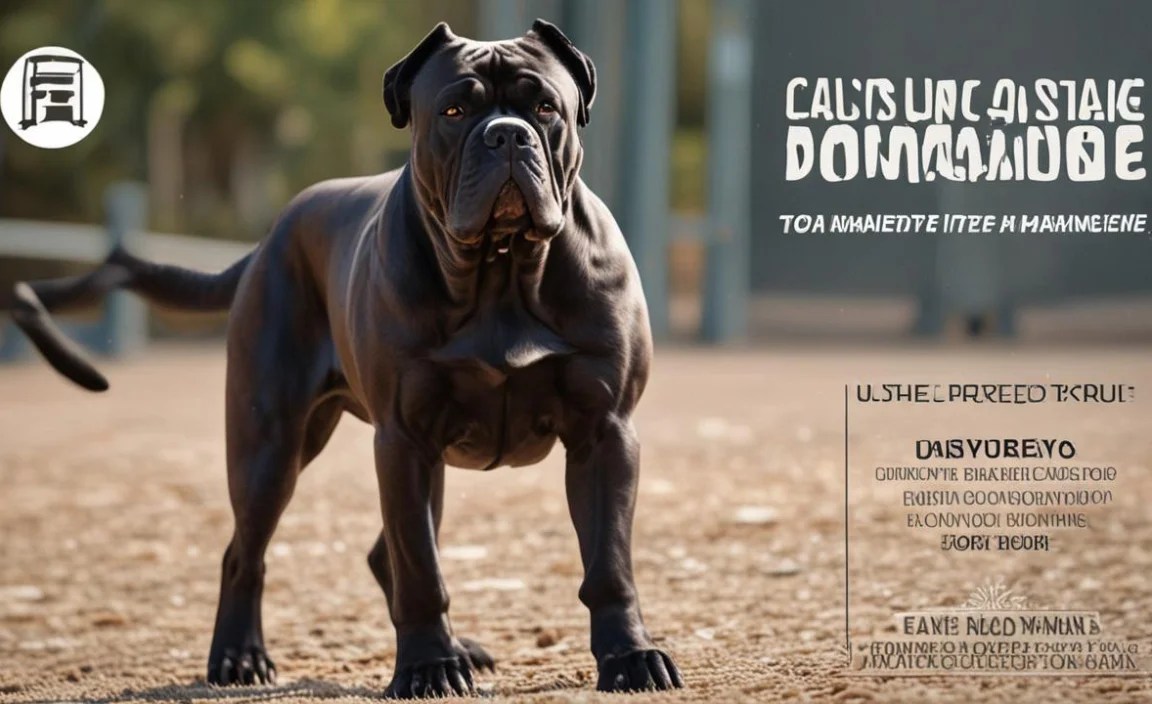
A bored Cane Corso with a sharp mind can become a destructive Cane Corso. Providing ample mental stimulation is just as important as physical exercise. This taps into their intelligence and prevents frustration from turning into unwanted behaviors.
Puzzle Toys and Interactive Feeders
These are fantastic tools for engaging your dog’s brain. Fill them with kibble or treats, and let your dog figure out how to get the goodies out. This mimics foraging and problem-solving.
- KONG Toys: Freezable and stuffable, KONGs can keep a smart dog occupied for a long time.
- Food-Dispensing Balls: These require your dog to roll or manipulate the ball to get kibble out.
- Slow Feeders: Even a simple slow feeder bowl can make mealtime a mental exercise, preventing them from gulping their food and encouraging more thoughtful eating.
Resources from veterinary behaviorists often highlight the importance of mental enrichment for preventing behavioral problems like anxiety and destructiveness. Organizations like the American Veterinary Medical Association (AVMA) offer insights into canine enrichment.
Canine Sports and Advanced Training
Once your Cane Corso has mastered basic obedience, consider introducing them to activities that challenge their minds and bodies:
- Agility: Navigating obstacle courses requires focus, athleticism, and problem-solving.
- Nose Work/Scent Training: Dogs have an incredible sense of smell, and engaging this instinct can be incredibly rewarding and mentally draining in a good way.
- Obedience Trials: Formal obedience training and competition channels their intelligence and desire to please.
- Trick Training: Teaching fun tricks is a great way to bond and keep their minds sharp.
These activities not only stimulate their intelligence but also strengthen the bond between you and your dog. They reinforce the idea that training is fun and rewarding, not a chore.
Diet and Health: Fueling the Brain and Body

A healthy body supports a healthy brain. Proper nutrition plays a crucial role in your Cane Corso’s overall well-being, including cognitive function.
Choosing the Right Food
Feed a high-quality dog food with good protein sources. Look for foods specifically formulated for large breeds, as they often contain nutrients to support joint health and controlled growth, which is important for a breed that grows so rapidly.
Consider factors like:
- Protein Content: Essential for muscle development and energy.
- Vitamins and Minerals: Crucial for overall health, including brain function.
- Omega-3 and Omega-6 Fatty Acids: Can contribute to cognitive health and a shiny coat.
- Avoid Fillers: Corn, wheat, and soy can be problematic for some dogs.
Consult your veterinarian about the best diet for your individual dog, factoring in their age, activity level, and any potential sensitivities. A well-nourished dog will have more energy for training and play.
The Role of Diet in Behavior
While diet won’t solve behavioral issues on its own, a diet lacking in essential nutrients can contribute to lethargy or excitability. Ensuring your dog has a balanced diet supports their overall physical and mental state, making them more receptive to training and less prone to unwanted behaviors driven by discomfort.
For instance, studies suggest that diets rich in antioxidants and Omega-3 fatty acids can support brain health in dogs, much like in humans. You can find credible information on dog nutrition from reputable sources like veterinary schools or well-established pet health organizations.
Cane Corso Dominance Intelligence: A Comparative Look

It can be helpful to see how the Cane Corso’s intelligence and dominance traits stack up against other breeds that are often described as intelligent or dominant. This isn’t to rank breeds, but to highlight the specific characteristics of the Cane Corso.
| Breed | Intelligence | Guard/Protective Instinct | Trainability Notes |
|---|---|---|---|
| Cane Corso | High (problem-solving, situational awareness) | Very High (natural guardian, territorial) | Eager to please with clear leadership; requires consistency. |
| German Shepherd | Very High (easily trained, versatile) | High (protective, alert) | Highly trainable, excels in many working roles. |
| Golden Retriever | High (eager to please, quick learning) | Moderate (friendly, can be protective of family) | Very trainable and adaptable, excels in obedience. |
| Siberian Husky | High (independent problem-solving) | Low (friendly to strangers, not naturally territorial) | Can be stubborn, requires engaging training that respects their independent spirit. |
| Akita | High (independent thinker, learning) | Very High (loyal, protective of family, wary of strangers) | Requires a very experienced owner; firm, consistent, positive training needed. |
As you can see, while other breeds possess high intelligence and protective instincts, the Cane Corso’s blend of these traits, coupled with their powerful physique, truly defines them. Their intelligence means they understand what you’re asking, and their protective genetics mean they are naturally inclined to act as guardians. This combination is why clear, confident, and consistent guidance is so vital.
Common Misconceptions About Cane Corso Dominance
The term “Cane Corso dominance” often conjures images of a dog needing to be broken or subdued. This couldn’t be further from the truth and often leads to improper training methods that can be detrimental.
- Misconception 1: Cane Corsos are naturally aggressive and need to be dominated.
Reality: Aggression in Cane Corsos, like any breed, is often a result of poor socialization, fear, or lack of clear leadership, not inherent malice. They are naturally protective, which can be mistaken for aggression. - Misconception 2: Dominance means fighting for control.
Reality: For intelligent breeds like the Cane Corso, dominance is about establishing a clear, benevolent hierarchy. It’s about them understanding you are the leader, not challenging you for it through force. - Misconception 3: Their intelligence makes them manipulative.
Reality: Their intelligence allows them to learn quickly, including learning what works to get them what they want. This isn’t manipulation; it’s a sign of their smarts. Consistent training redirects this learning towards desired behaviors.
Understanding these nuances ensures you approach your Cane Corso with the right mindset, focusing on partnership and positive guidance rather than conflict.
FAQ: Your Cane Corso Intelligence Questions Answered
Q1: Is a Cane Corso too much for a first-time dog owner?
While loving and intelligent, Cane Corsos require a confident, consistent, and experienced owner. Their size, strength, and guardian instincts mean they need early and consistent training and socialization. For a first-time owner, breeds that are typically easier to manage might be a better starting point, unless you are fully committed to learning and applying expert training and leadership techniques.
Q2: How can I tell if my Cane Corso is intelligent?
You’ll see their intelligence in how quickly they learn commands, solve problems (like figuring out how to open a cabinet), remember routes or routines, and their keen awareness of their surroundings and people. They often seem to understand expectations even before you give a command.
Q3: What are the signs of dominance in a Cane Corso puppy?
Early signs might include testing boundaries, gentle nudging when they want something, or trying to lead when walking. These are natural puppy behaviors, but in a Cane Corso, they signal the need for clear leadership. The key is to channel this exploratory drive into positive training rather than letting it develop into challenging behavior.
Q4: How much exercise does a Cane Corso need?
Adult Cane Corsos need substantial daily exercise, including a good walk and opportunities for play. Puppies need shorter, more frequent exercise sessions to protect their developing joints. Mental stimulation through training and puzzle toys is also crucial for this intelligent breed.
Q5: Should my Cane Corso be around other dogs?
With proper socialization from a young age, Cane Corsos can coexist with other dogs. However, their guardian instincts mean they may be wary of unfamiliar dogs. Supervised introductions and ongoing management are important, especially with other intact males. Their relationship with their family is primary.
Q6: What if my Cane Corso ‘ignores’ me during training?
This usually means they haven’t understood the command, aren’t motivated enough, or are testing boundaries. Ensure your commands are clear and consistent, your rewards are high-value, and you are establishing yourself as the calm, assertive leader they look to for guidance. Sometimes, a simple break from training and returning when you’re both calm can help.


