Effectively trimming your Cane Corso’s nails, especially if they exhibit dominant behaviors, requires patience, the right tools, and a calm approach. Start young, create positive associations, and establish yourself as a confident leader during nail trims to ensure a safe and stress-free experience for both of you.
Nail trimming can be a tricky task for many dog owners, and with a powerful breed like the Cane Corso, it can feel even more daunting. Is your big friend a little too resistant when it’s time to tackle those paws? You’re not alone! Many Cane Corso owners find their dogs can be strong-willed when it comes to nail care, sometimes interpreting it as a challenge to their authority. But don’t worry!
With the right knowledge and a gentle, consistent approach, you can make nail trimming a smooth and even enjoyable experience for your Cane Corso. We’ll guide you through everything you need to know, from choosing the right tools to understanding why your dog might be acting out and how to build their confidence (and yours!). Get ready to transform nail trimming from a battle into a bonding moment.
Understanding Cane Corso Dominance and Nail Trimming
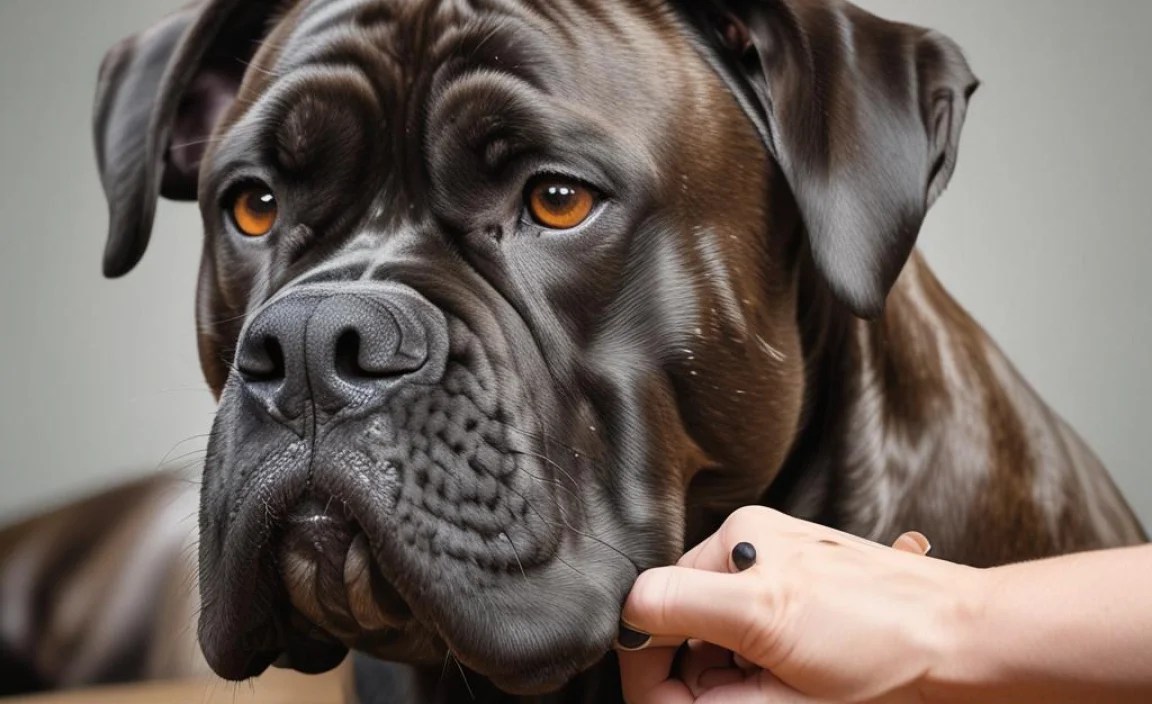
The Cane Corso is a majestic and intelligent breed known for its loyalty and protective nature. This inherently noble spirit can sometimes translate into a strong will, and if they perceive something as uncomfortable or unnecessary, they might push back. This is where “dominance” in nail trimming comes in. It’s not about your dog being “bad,” but rather them asserting their boundaries or feeling uneasy. Early and consistent training, coupled with a clear understanding of dog body language, is key to navigating this.
When we talk about “dominance” in this context, we’re not referring to aggressive challenges of leadership that require harsh correction. Instead, it’s about establishing yourself as the calm, confident leader who is in charge of their well-being. Your Cane Corso needs to trust that you know what you’re doing and that the process, while perhaps not their favorite, is for their own good. This builds a foundation of trust and respect, making all aspects of care, including nail trimming, much easier.
Why Nail Trimming is Crucial for Your Cane Corso

Overgrown nails aren’t just an aesthetic issue; they can lead to serious health problems for your Cane Corso. Long nails can:
- Cause Pain and Discomfort: As nails grow, they curve. When your dog walks, their paws splay outwards to compensate for the pressure of the curved nails on the ground. This can feel like walking on pebbles and can lead to pain in their toes, legs, and even hips.
- Lead to Foot Problems: Overgrown nails can grow into the paw pads, causing infection and severe pain. They can also cause a dog’s toes to splay excessively, leading to structural issues in the feet over time.
- Increase Risk of Injury: Long nails are more prone to snagging on carpets, furniture, or outdoor terrain, which can cause them to break or tear. A torn nail is extremely painful and often bleeds profusely, requiring immediate veterinary attention.
- Affect Gait and Posture: When nails are too long, they alter how your dog walks. This unnatural gait can lead to skeletal misalignment and joint problems over time, affecting their overall mobility and health.
- Impact Overall Health: While seemingly minor, persistent pain from paws can affect a dog’s mood, activity levels, and even their appetite.
Regular nail trims are a vital part of preventative care for your Cane Corso. It’s a foundational aspect of keeping them healthy, comfortable, and mobile throughout their lives.
The Right Tools for the Job

Choosing the right grooming tools makes a significant difference in the ease and safety of nail trimming. For a large, strong breed like the Cane Corso, investing in good quality tools is essential.
Types of Nail Trimmers:
There are primarily two types of nail clippers suitable for dogs:
- Guillotine-style clippers: These are best for small to medium-sized dogs. They work by a blade sliding across the nail to cut it. However, for a Cane Corso’s thick nails, they can sometimes crush rather than cut cleanly, which can be more painful.
- Plier-style or Scissor-style clippers: These resemble small pruning shears and are generally recommended for larger breeds like the Cane Corso. Their sharp, strong blades make cleaner cuts through tougher, thicker nails.
Recommended Nail Grinders:
Nail grinders (also known as Dremels) are an excellent alternative or complementary tool. They sand down the nail gradually, reducing the risk of cutting the quick (the blood vessel and nerve inside the nail). For Cane Corsos, especially if they’re fearful of clippers, a grinder can be a more humane option.
- Benefits of Grinders: Smoother edges (less likely to snag), less risk of cutting the quick, can be less intimidating than clippers for some dogs.
- Considerations for Grinders: They can be noisy and produce vibrations, which might scare some dogs. It takes longer to grind each nail than to clip it.
Essential Accessories:
Don’t forget these other helpful items:
- Styptic Powder or Cornstarch: This is an absolute must-have. If you accidentally cut the quick, styptic powder will quickly stop the bleeding. Cornstarch can also be used in a pinch.
- High-Value Treats: Use small, delicious treats your dog absolutely loves. These will be vital for positive reinforcement.
- Comfortable Leash and Collar/Harness: Ensure your dog is securely but comfortably restrained.
- Good Lighting: You need to see clearly to avoid cutting the quick.
- Towels or a Mat: To make the experience more comfortable for your dog and to catch any nail clippings.
| Tool Type | Best For | Considerations for Cane Corsos |
|---|---|---|
| Plier-Style Clippers | Large, thick nails | Sharp blades are crucial for clean cuts. Look for sturdy construction. |
| Nail Grinder (Dremel) | All nail types, especially for dogs fearful of clippers | Quieter models and gradual introduction to sound/vibration are recommended. |
| Styptic Powder | Accidental quicking | Essential safety item for all nail trimming sessions. |
Getting Your Cane Corso Comfortable with Nail Trims
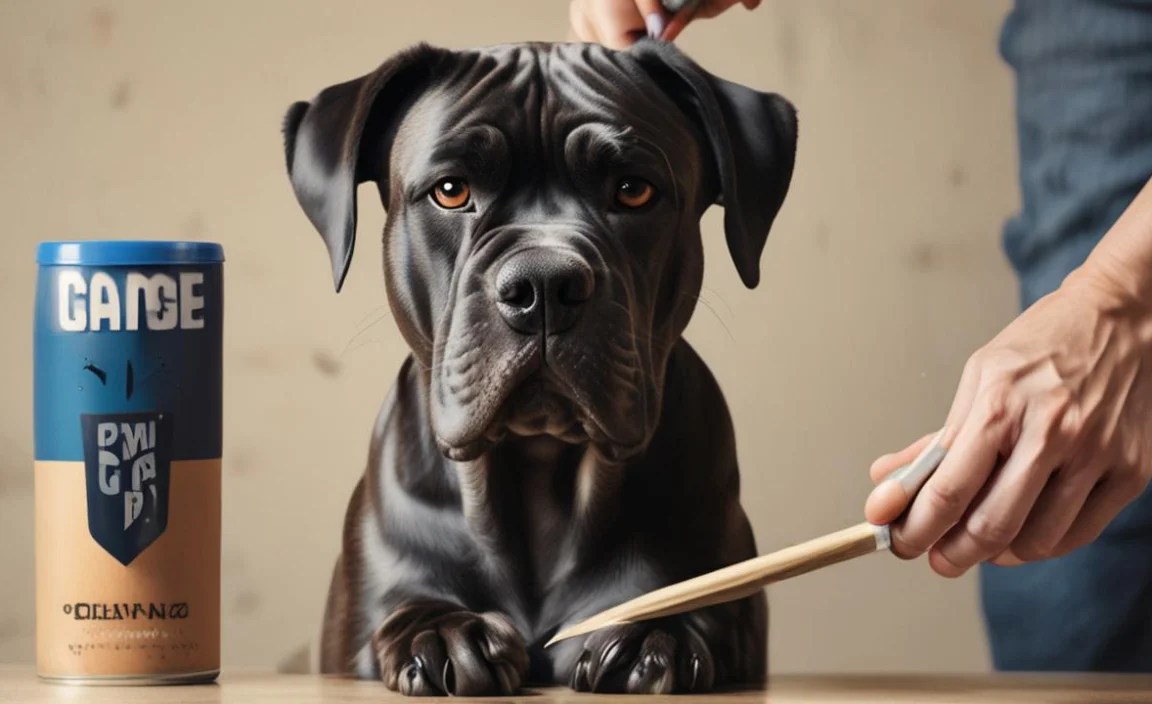
Success with nail trimming, especially for a strong-willed breed like the Cane Corso, hinges on early desensitization and positive association. If your dog is already older or fearful, it’s never too late to start, but it will require more patience.
Step 1: Paw Handling (Desensitization)
Before you even bring out the clippers, your dog needs to be comfortable with you touching their paws. Start by simply touching their paws for a few seconds while they are relaxed, perhaps while you’re petting them. Pair this with gentle praise and a small treat. Gradually increase the duration you touch their paws.
- Frequency: Do this daily for a few minutes.
- During touch: Gently massage their paw, run your fingers between their toes, and gently spread their toes.
- Reward: Immediately give a treat and praise when they remain calm. If they pull their paw away, you’ve gone too fast; ease up next time.
Step 2: Introducing the Tools
Let your dog see and sniff the nail clippers or grinder. Don’t do anything with them yet. Let them investigate on their own terms. You can place the tools near their food bowl or give them treats around the tools. The goal is to make the tools seem non-threatening.
- Positive Association: Place treats on or next to the clippers. Let your dog eat them.
- Sound Training (for Grinders): If using a grinder, turn it on briefly at a distance while giving treats. Gradually decrease the distance and increase the duration as your dog remains calm.
Step 3: Touching Nails with Tools
Once your dog is comfortable with paw handling and the sight/sound of the tools, you can combine them. Gently touch the clippers to your dog’s nail for a second, then immediately reward. Do the same with the grinder, just letting it touch the nail without turning it on, then reward. Progress slowly; some dogs take days or weeks for each small step.
The Step-by-Step Nail Trimming Process

Once your Cane Corso is tolerating paw handling and is familiar with the tools, you can begin the actual trimming process. Remember, the key is calmness and positiveness.
Preparation is Key:
Gather all your supplies before you get your dog. Ensure you have excellent lighting and that your dog is in a comfortable, familiar space.
- Choose the Right Time: Pick a time when your Cane Corso is relaxed, perhaps after a good play session but not overly tired. Avoid times when they are anxious or energetic.
- Secure Your Dog: Gently hold your dog. You can have them sit, lie down, or stand, whichever is most comfortable for them and allows you good access to their paws. A helper can be beneficial to offer treats and praise while you focus on the nails.
- Identify the Quick: This is the most critical part to avoid pain and bleeding. On light-colored nails, the quick is visible as a pink or reddish area inside the nail. On dark nails, it’s much harder to see. If you can’t see the quick, cut off only tiny slivers at a time. You’ll know you’re getting close to the quick when you see a small, dark circle appear in the center of the cut surface of the nail.
The Trimming Action:
Using Clippers:
- Gently hold your dog’s paw.
- Take one nail. Carefully position the clippers.
- Cut off only a small tip – no more than 2-3 millimeters.
- If the nail is dark and you’re unsure, err on the side of cutting too little. It’s better to do frequent trims than to cut too much.
- Immediately give a treat and praise.
- Repeat for another nail, or stop for the day if your dog is showing signs of stress.
Using a Grinder:
- Turn the grinder on and let your dog hear/feel the vibration from a short distance, rewarding them.
- Gently touch the grinder to the nail, moving it back and forth.
- Grind for a few seconds, then stop and reward.
- Continue grinding small amounts off the nail, checking frequently by looking at the nail’s surface. You’ll see a pinkish or greyish center start to appear as you get close to the quick.
- The quick will appear as a dark, black dot in the center of the nail when you’ve ground close. Stop here.
- If you accidentally hit the quick, don’t panic. Apply styptic powder immediately.
- Take breaks and offer treats throughout the process.
Aftercare and Reinforcement:
Always end on a positive note. Even if you only managed to trim one or two nails, that’s a success! Praise your dog extensively and give them a special treat or a favorite toy. This reinforces that nail trims lead to good things.
- Wash your hands after handling your dog’s paws.
- Check your dog’s nails a few days later to ensure no irritation or issues have arisen.
Handling Resistance and “Dominant” Behavior

It’s common for some Cane Corsos, due to their inherent strength and intelligence, to show resistance during nail trims. This resistance can manifest as pulling away, growling, or even snapping. Remember, this often stems from fear, anxiety, or a lack of understanding, rather than true aggression.
Why They Might Resist:
- Past Negative Experiences: If nail trims have been painful or frightening in the past, they will associate them with dread.
- Discomfort with Paw Handling: Some dogs are naturally sensitive about their feet being touched.
- Fear of the Tools: The sound, vibration, or appearance of clippers/grinders can be scary.
- Lack of Proper Socialization: If they weren’t introduced to nail trims as puppies, they might never have learned to be comfortable.
- Seeking Control: Similar to other training scenarios, a dog might try to dictate when and how things happen if they feel they have a choice.
Calm and Confident Strategies:
- Rule out medical issues: Before assuming dominance, consult your veterinarian to ensure there isn’t an underlying medical condition causing paw pain.
- Never Force: Forcing a dog to endure nail trimming is counterproductive and can escalate fear and aggression. It also damages your bond.
- Short, Frequent Sessions: Instead of tackling all nails at once, trim just one or two nails every few days. Celebrate this small victory with immense praise and treats.
- Know When to Stop: If your dog shows signs of stress (lip licking, yawning, whale eye, freezing, growling), stop immediately. End the session on a positive note with a treat for something they are comfortable with (e.g., sitting nicely) and try again another day.
- Professional Help: If you’re struggling significantly, don’t hesitate to seek help from a certified professional dog trainer or a groomer experienced with large breeds and fearful dogs. They can provide in-person guidance and demonstrate techniques. The AKC’s guide to finding a dog trainer can be a great resource.
- Positive Reinforcement is Key: Every positive interaction with the nail trimming process—even just looking at the clippers—should be rewarded.
Remember that your calm demeanor is contagious. If you are anxious or frustrated, your dog will pick up on it, making them more likely to react negatively. Project confidence and patience.
Cane Corso Nail Trimming Frequency and Best Practices
How often should you trim your Cane Corso’s nails? The general rule of thumb is that if you can hear their nails clicking on hard surfaces, they are likely too long.
Recommended Schedule:
- Every 2-4 Weeks: For most dogs with average nail growth, this is a good starting point.
- Observe Your Dog: Pay attention to the sounds their nails make when they walk. You should ideally not hear them clicking on linoleum or hardwood floors.
- Factors Affecting Growth: Factors like age, diet, activity level, and genetics can influence how quickly nails grow. Dogs that run on rough surfaces like concrete often wear their nails down naturally, requiring less frequent trims.
Best Practices for Long-Term Success:
- Start Young: The earlier you introduce your Cane Corso puppy to paw handling and nail trims, the more likely they are to accept it throughout their life.
- Be Consistent: Regular, consistent nail care helps dogs get used to the routine.
- Vary Your Trimming Location: Sometimes, dogs can become territorial about their ‘grooming spot.’ Varying where you trim their nails can help prevent this.
- Reward Every Step: Continue to offer high-value treats and praise, even when your dog is quite comfortable. This keeps the positive association strong.
- Trim the Dewclaw: Cane Corsos often have dewclaws, especially on their front paws. These are located on the inner side of the leg, higher up. They don’t


