Cane Corso dominance size means understanding their impressive physical presence and the responsible ownership needed to manage it. This guide helps you navigate their size and strength, ensuring a well-behaved companion.
Welcome to the World of the Majestic Cane Corso!

So, you’re curious about the Cane Corso’s impressive size and what “dominance” means in this context? It’s completely natural to wonder, especially with such a powerful and beautiful breed. Many new owners feel a bit overwhelmed by their dog’s potential stature. But don’t worry! Understanding your Cane Corso’s size and responsible leadership is the key to a happy, harmonious life together. This guide breaks down everything you need to know, from their growth stages to how to manage their strength with confidence and love. Get ready to discover how to build a strong bond with your gentle giant!
Cane Corso Dominance Size: An Essential Guide

The Cane Corso, a majestic Italian mastiff, is renowned for its imposing physique and confident demeanor. When we talk about “Cane Corso dominance size,” it’s crucial to understand that this refers to their sheer physical presence and strength, not necessarily an aggressive or uncontrollable nature if raised correctly. These dogs are powerful animals, and responsible ownership, early socialization, and consistent training are paramount to channeling that power into a loyal and well-behaved companion. This guide will help you navigate the unique aspects of owning a Cane Corso, focusing on their impressive size and the necessary steps for ensuring they are a well-adjusted member of your family and community.
Understanding the Cane Corso’s Growth and Size

The Cane Corso is a large breed, and their development is as impressive as their adult size. Understanding their growth trajectory helps owners anticipate their needs and responsibilities.
Puppy Development Stages

Puppyhood (0-6 months): This is a critical period of rapid growth for Cane Corso puppies. They are still developing bone structure and muscle mass. It’s vital to provide balanced nutrition to support healthy growth without causing skeletal issues. Early socialization and basic obedience training should begin now.
Adolescence (6-18 months): During this phase, your Cane Corso will experience a growth spurt. They might seem a bit gangly and awkward as their bodies catch up. This is also a time when their confident temperament emerges. Consistent training and continued socialization are essential to manage their increasing strength and potential for boisterous behavior.
Maturity (18-24 months onwards): By around 18-24 months, most Cane Corsos reach their full physical maturity. They will be powerful, muscular dogs with a substantial presence. This is when their calm, steady demeanor typically solidifies, provided they have had proper guidance throughout their development.
Typical Adult Size and Weight

The Cane Corso is a powerfully built dog, characterized by a muscular body and a sturdy bone structure. Their size can vary, but they are undeniably large dogs.
| Sex | Height (at the shoulder) | Weight (approximate) |
| :—– | :———————– | :——————- |
| Male | 26-28 inches | 90-110 pounds |
| Female | 24-26 inches | 80-100 pounds |
It’s important to remember that these are averages. Some Cane Corsos may be slightly smaller or larger, but they are consistently a large and powerful breed. Their physical presence alone requires a confident and capable owner.
What “Dominance” Means with a Cane Corso

The term “dominance” in dog behavior can be misunderstood. For breeds like the Cane Corso, it’s less about innate aggression and more about their inherent traits of confidence, protectiveness, and a strong desire for clear leadership.
Confidence and Self-Assurance: Cane Corsos are naturally confident dogs. They possess a calm assurance that can sometimes be misinterpreted as dominant. They are not naturally eager to please in the way some other breeds are; they need a clear understanding of their place within the family structure.
Protective Instincts: This breed was historically used as guard dogs. They have a strong protective instinct for their family and territory. This is a natural trait, not a sign of problematic dominance. Proper training will help them understand acceptable boundaries for their protective behaviors.
Need for Leadership: A Cane Corso thrives under firm, consistent, and fair leadership. They look to their owners for direction and cues on how to behave. Without this clear guidance, any breed, especially a large one, can develop unwanted behaviors. This is where the concept of “dominance” comes into play – the owner needs to establish themselves as the benevolent leader.
Essential Training and Socialization Strategies

For a breed as powerful and intelligent as the Cane Corso, training and socialization aren’t just beneficial; they are non-negotiable.
Early Socialization: The Cornerstone of a Well-Adjusted Dog

Socialization is the process by which puppies learn to interact safely and appropriately with people, other animals, and various environments. For a Cane Corso, this process should start as early as possible, ideally from 7-12 weeks of age, and continue throughout their life.
Expose them to diverse experiences:
People: Introduce them to people of all ages, genders, and ethnicities in a positive way.
Animals: Safely introduce them to well-behaved, vaccinated dogs and other friendly pets.
Environments: Take them to different places like parks, pet-friendly stores, and quiet streets.
Sounds and sights: Help them get used to common noises like traffic, vacuums, and doorbells.
Positive Reinforcement: Use praise, treats, and play to create positive associations with new experiences. Avoid overwhelming the puppy. Keep introductions short and sweet.
Enroll in Puppy Classes: Well-run puppy socialization classes are an excellent way to introduce your Cane Corso to other dogs and people in a controlled environment.
Obedience Training: Building a Foundation of Trust

Obedience training is crucial for managing a Cane Corso’s size and strength. It establishes communication and mutual respect between you and your dog.
Start Early: Begin basic obedience commands as soon as you bring your puppy home.
Consistency is Key: Use the same commands and expectations every time. Ensure all family members are on the same page.
Positive Reinforcement Methods: Reward good behavior with treats, praise, and affection. This method builds trust and makes training enjoyable for your dog. Avoid harsh punishment, which can lead to fear or aggression.
Key Commands for Cane Corsos:
“Sit”: Essential for controlling excitement and for greeting people.
“Stay”: Crucial for safety, especially when around distractions.
“Come” (Recall): A lifesaver when your dog might be tempted to run off.
“Leave It”: Important for preventing them from picking up unwanted or dangerous items.
“Heel” or “Loose-Leash Walking”: Vital for safely walking such a strong dog.
For more in-depth training strategies, consulting resources from reputable organizations like the American Kennel Club (AKC) can be very beneficial. You can find their guides on responsible dog ownership and breed-specific advice at www.akc.org.
Managing Your Cane Corso’s Physical Presence

A Cane Corso’s size demands a certain level of awareness and management from their owner. It’s about harnessing their power responsibly.
Leash Manners: A Priority for Large Dogs

Poor leash manners can turn a simple walk into a difficult and potentially dangerous chore. A Cane Corso can easily pull an average person off balance.
Choose the Right Equipment: A sturdy, well-fitting collar or harness is essential. For strong pullers, a front-clip harness can redirect their forward momentum. Consider a head halter for ultimate control if needed, but always introduce it gradually and positively.
Teach Loose-Leash Walking: Start training in a quiet environment with minimal distractions. Reward your dog for walking beside you without pulling. If they pull, stop walking until the leash slackens, then resume.
Professional Help: If you’re struggling with leash pulling, don’t hesitate to seek guidance from a professional dog trainer well-versed in large breed management.
Establishing Boundaries and Rules

Clear boundaries are critical for any dog, but especially for a powerful breed like the Cane Corso. This helps them understand acceptable behavior within the household and in public.
Consistency: Rules should be consistent and enforced by all members of the household.
Physical Space: Teach your dog where they are allowed and not allowed to go within the home.
Interaction with Others: Train them how to interact appropriately with children, visitors, and other animals. This includes not jumping up, not being overly boisterous, and respecting personal space.
Calm Demeanor: Encourage a calm demeanor in your dog by rewarding quiet behavior and managing exciting situations.
Exercise and Mental Stimulation
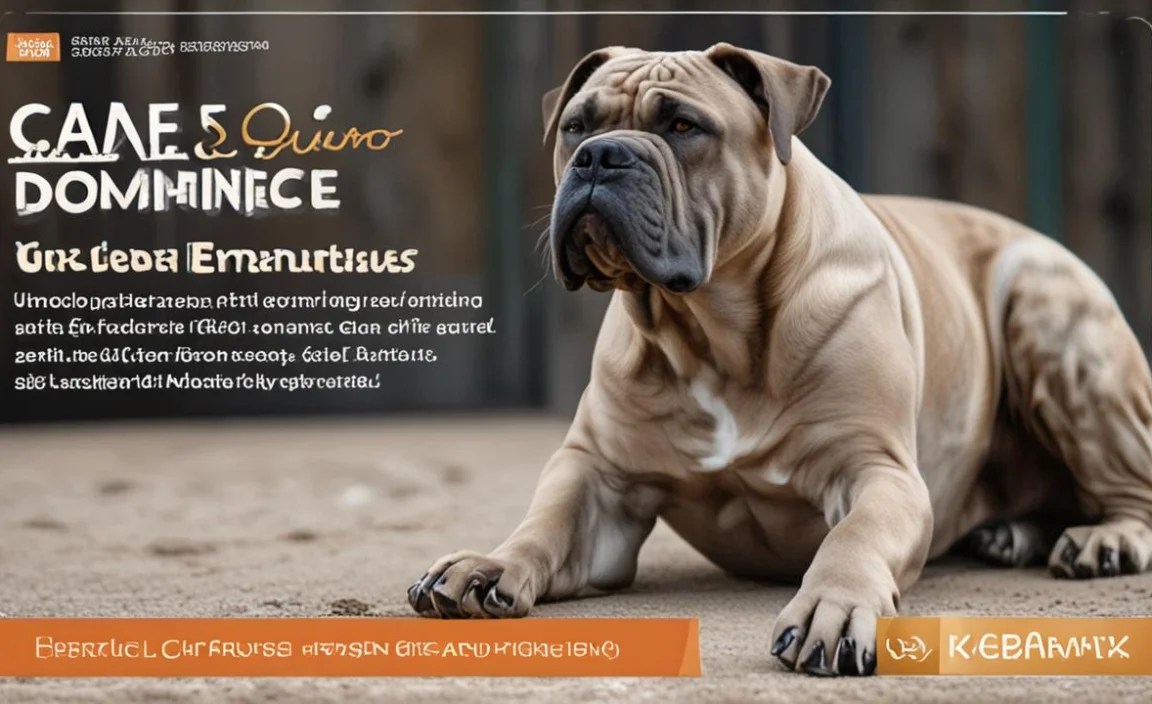
A tired dog is a well-behaved dog. Cane Corsos need ample opportunities to expend their energy and engage their intelligent minds.
Physical Exercise: Daily walks are a must. Aim for at least one to two hours of activity per day, which can include brisk walks, jogging, or playtime in a securely fenced area.
Mental Stimulation: Engage their minds with puzzle toys, training sessions, and scent games. This helps prevent boredom and destructive behaviors.
Variety: Mix up their routine to keep them mentally stimulated. Explore new walking routes or introduce agility exercises.
Nutrition for Growing and Adult Cane Corsos

Proper nutrition plays a vital role in the healthy development and maintenance of a Cane Corso’s large, muscular frame.
Puppy Nutrition

From puppies to adulthood, a Cane Corso’s dietary needs evolve. Puppyhood is a period of rapid growth, and the wrong nutrition can lead to musculoskeletal problems.
High-Quality Puppy Food: Choose a large-breed puppy formula specifically designed to support slow, steady growth. These foods have controlled levels of calcium and phosphorus to prevent skeletal deformities.
Feeding Schedule: Follow the feeding guidelines on the food packaging or consult with your veterinarian. Typically, puppies are fed 3-4 times a day, gradually reducing to 2 times a day as they mature.
Avoid Overfeeding: Overfeeding can lead to rapid weight gain, putting undue stress on developing bones and joints.
Adult Nutrition

Once your Cane Corso has reached maturity, their dietary needs shift to maintaining their muscle mass and energy levels.
Large Breed Adult Food: Transition to a high-quality adult food formulated for large breeds. Look for foods with a good source of protein, moderate fat content, and essential vitamins and minerals.
Portion Control: Monitor your dog’s weight and adjust food intake accordingly to prevent obesity. Overweight dogs are prone to joint problems, heart disease, and other health issues.
Consider Supplements: Your veterinarian may recommend supplements such as glucosamine and chondroitin to support joint health, especially as your dog ages.
For detailed dietary recommendations and to ensure you’re meeting your dog’s specific needs, it’s always best to consult with your veterinarian. They can assess your dog’s health, activity level, and life stage to provide personalized nutritional advice. Resources from veterinary nutrition organizations can also offer valuable insights.
Common Health Concerns in Cane Corsos

Like all breeds, Cane Corsos are predisposed to certain health conditions due to their genetics and size. Being aware of these can help you monitor your dog and seek timely veterinary care.
Genetic Predispositions

Hip and Elbow Dysplasia: This is common in large breeds. It’s a malformation of the hip or elbow joints. Early detection and management are key.
Gastric Dilatation-Volvulus (GDV) / Bloat: This is a life-threatening condition where the stomach fills with gas and twists. Feeding smaller meals, avoiding exercise immediately after eating, and potentially considering a gastropexy surgery can reduce the risk.
Eye Conditions: Conditions like entropion (eyelids rolling inward) and ectropion (eyelids rolling outward) can affect Cane Corsos.
Heart Conditions: Some Cane Corsos may be prone to certain cardiac issues.
Skin Allergies: Some individuals can develop sensitivities causing itchy skin and ear infections.
Preventative Care

Regular Veterinary Check-ups: Annual or semi-annual visits are crucial for monitoring overall health and detecting issues early.
Vaccinations and Parasite Control: Keep up-to-date on vaccinations and maintain a consistent flea, tick, and heartworm prevention schedule.
Responsible Breeding Practices: If you are considering a Cane Corso puppy, choose a reputable breeder who screens their breeding dogs for common health issues. Organizations like the Orthopedic Foundation for Animals (OFA) provide health testing information for many breeds: www.ofa.org.
Essential Gear for Cane Corso Owners

Equipping yourself with the right tools will make managing your Cane Corso’s size and ensuring their comfort and safety much easier.
Feeding and Drinking Supplies

Elevated Feeders: Can help reduce strain on the neck and facilitate easier digestion, especially for deep-chested breeds. Ensure they are the correct height for your dog.
Durable Bowls: Look for sturdy, non-slip stainless steel or ceramic bowls that are easy to clean.
Walking and Containment Gear

Robust Leash: A strong, comfortable leash (4-6 feet) made of durable material like nylon or leather.
Appropriate Collar/Harness: As mentioned earlier, a well-fitting collar or front-clip harness is essential. Ensure it is secure and comfortable.
ID Tag: Must include your dog’s name and your phone number.
Secure Crate: For training and providing a safe den space, a large, sturdy wire or plastic crate is recommended.
Bedding and Comfort

Orthopedic Bedding: Given their size and potential for joint issues, a supportive, orthopedic dog bed is a worthwhile investment.
Living with a Cane Corso of Dominance Size

Bringing a Cane Corso into your home is a commitment that offers immense rewards. Their imposing size is matched by their loyal hearts.
Family Integration
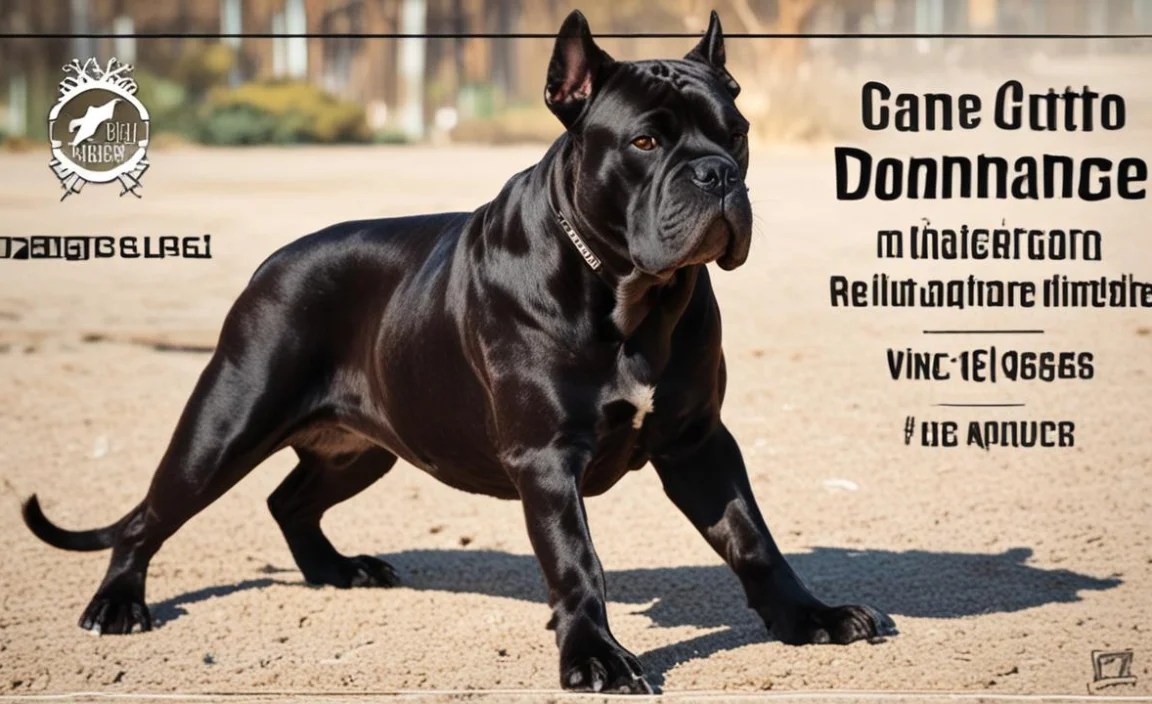
Supervision with Children: Always supervise interactions between Cane Corsos and young children. Teach children how to interact respectfully with dogs.
* Introducing New Pets: Introduce new pets gradually and carefully, always under supervision, ensuring positive experiences.
Community Responsibility

As an owner of a large, powerful breed, you have a significant responsibility to the public. Always ensure your dog is leashed when in public, well-behaved, and under your control. Responsible ownership helps foster positive public perception of the breed.
Frequently Asked Questions About Cane Corso Dominance Size
Is a Cane Corso naturally aggressive?
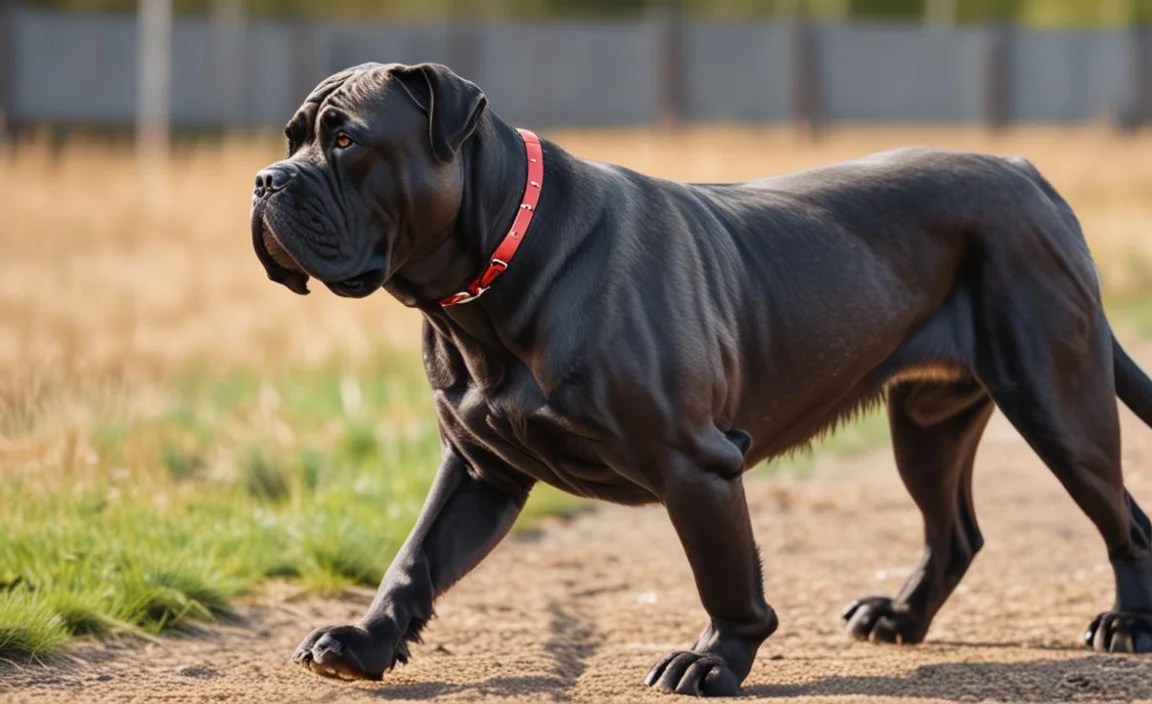
Cane Corsos are not naturally aggressive, but they are powerful dogs with strong protective instincts. With proper socialization, training, and confident leadership from a young age, they are typically calm, devoted, and gentle family protectors. Aggression is usually a result of poor socialization, inadequate training, or fear.
How do I establish myself as the leader for my Cane Corso?

Establishing leadership involves consistency, clear communication, and setting firm but fair boundaries. This means sticking to a routine, enforcing rules reliably, and ensuring your dog understands basic obedience commands. It’s about being a calm, confident, and decisive guide, not an aggressive disciplinarian.
Can a Cane Corso live in an apartment?

While a Cane Corso can adapt to apartment living, it requires a significant commitment to daily exercise and mental stimulation. They need ample opportunity to expend energy outside the apartment to prevent boredom and destructive behaviors. A small living space with insufficient activity can lead to problems.
How much exercise does a Cane Corso really need?

Cane Corsos need a good amount of daily exercise to stay healthy and well-behaved. This typically includes at least one to two hours of moderate to vigorous activity each day, such as brisk walks, jogging, or playtime in a securely fenced yard. Mental stimulation through training and puzzle toys is also vital.
What are the biggest challenges of owning a Cane Corso?

The biggest challenges often stem from their size and strength. This includes managing their powerful pull on a leash, ensuring proper socialization to prevent potential overprotectiveness, and providing enough consistent training and exercise. Potential owners must be prepared for their substantial needs and responsibilities.
When does a Cane Corso stop growing?

Most Cane Corsos reach their full physical maturity and stop growing in height and length between 18 to 24 months of age. However, they may continue to fill out and gain muscle mass until they are around two years old.
Are Cane Corsos good with children?
Yes, Cane Corsos can be excellent family dogs and are often very good with children, especially if raised with them and properly socialized from a young age. They tend to be protective of their families. However, due to their size and power, supervision is always recommended during interactions with young children to ensure everyone’s safety.
Finding Your Way with Your Mighty Cane Corso
Owning a Cane Corso is an incredibly rewarding experience. Their imposing “dominance size” is a characteristic that, when understood and managed with love, consistency, and proper training, translates into a loyal, protective, and deeply affectionate companion. From their early puppy stages through maturity, providing balanced nutrition, engaging mental and physical exercise, and a strong foundation of socialization and obedience will ensure your Cane Corso grows into a well-adjusted, confident, and cherished member of your family. Remember, responsible ownership is about building a partnership based on trust and clear communication. By embracing their nature and guiding them with a steady hand, you’ll enjoy years of devoted companionship with your magnificent Cane Corso.


