Cane Corso ear cleaning is crucial for preventing infections. Gentle, regular cleaning with the right supplies keeps your Corso’s ears healthy and comfortable, preventing common issues with ease.
Cane Corsos, with their large, imposing presence, are also gentle giants. Like all dogs, they need regular grooming, and keeping their ears clean is a vital part of that. Many new Cane Corso owners find themselves wondering about the best way to tackle this task without causing their dog distress or harm. If you’re new to Cane Corso ownership and feeling a bit unsure about ear cleaning, you’ve come to the right place. This guide is designed to demystify the process, offering simple, step-by-step instructions and essential tips to ensure your furry friend’s ears stay healthy and happy. We’ll cover everything from understanding why ear cleaning is important to choosing the right tools and techniques. Get ready to become a Cane Corso ear cleaning pro!
Why Cane Corso Ear Cleaning is a Big Deal

Your Cane Corso’s ears are more than just a way for them to hear the world; they’re complex structures that can easily become a breeding ground for problems if not cared for properly. Deep ear canals and floppy ears, common in many breeds including the Cane Corso, can trap moisture and debris. This creates a warm, dark environment perfect for yeast and bacteria to thrive, leading to infections.
Regular ear cleaning helps prevent these issues by removing excess wax, dirt, and any potential irritants before they can cause trouble. Think of it as a proactive health measure that saves your dog discomfort and you the expense and stress of veterinary visits. Catching potential problems early can make a world of difference in your dog’s overall well-being.
Signs Your Cane Corso Might Need Their Ears Cleaned (or Checked!)
Before diving into the cleaning process, it’s good to know what to look out for. Your dog can’t tell you they have an earache, but they can show you through their behavior. Keep an eye out for these common signs:
Excessive head shaking: This is a classic sign that something is bothering their ears.
Scratching at their ears: They might be trying to relieve an itch or irritation.
Redness or swelling inside the ear flap.
Unpleasant odor coming from the ear.
Discharge: This can be waxy, pus-like, or dark and crumbly.
Pain or sensitivity: Your dog might yelp or pull away if you try to touch their ears.
Loss of balance or disorientation: In severe cases.
If you notice any of these signs, it’s best to consult your veterinarian before attempting to clean their ears. An underlying infection might need professional treatment.
Your Cane Corso Ear Cleaning Toolkit
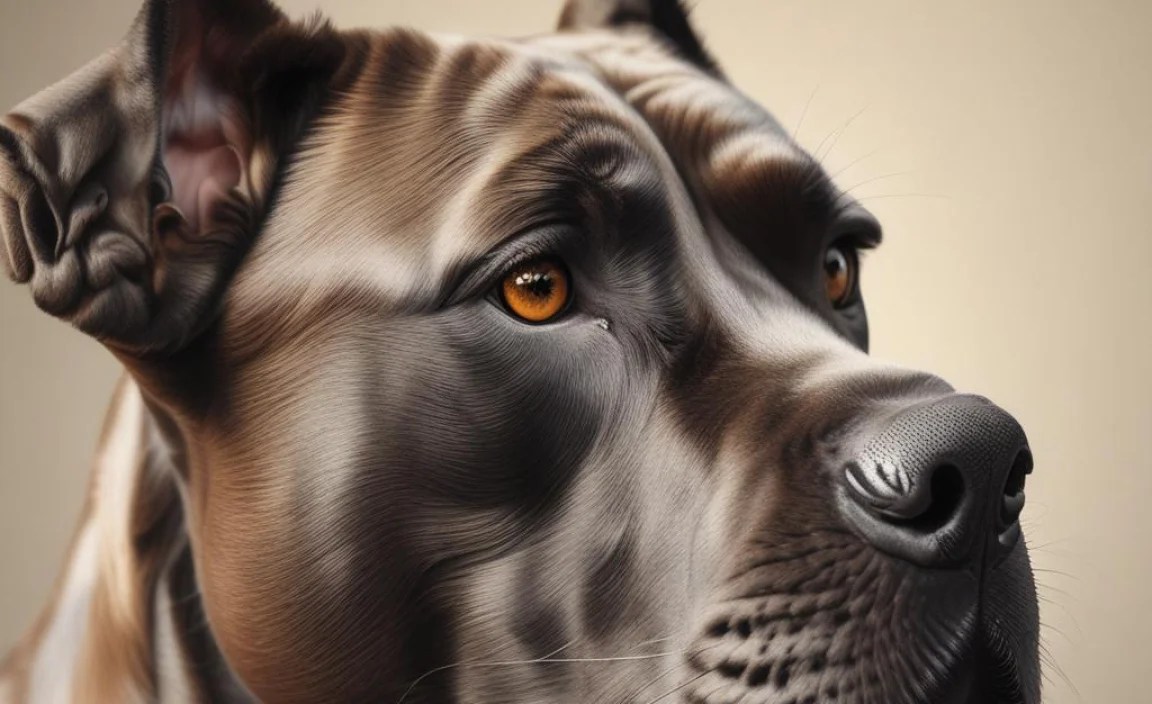
Gathering the right supplies beforehand makes the process much smoother. You don’t need anything fancy, just effective and dog-safe items.
Here’s a list of what you’ll need:
Veterinarian-approved ear cleaning solution: Look for solutions specifically designed for dogs. Your vet can recommend a good brand. Avoid using water, alcohol, or hydrogen peroxide, as these can be irritating.
Cotton balls or gauze pads: These are for gently wiping the outer parts of the ear.
TREATS! Essential for positive reinforcement and making this a good experience.
(Optional) Ofloxacin Otic Drops or similar prescribed medication: If your vet has prescribed medication for an existing ear issue, you’ll obviously need this.
(Optional) Ear drying solution: Some breeds are prone to moisture in their ears, and a drying solution can help.
Important Note: Never use cotton swabs (Q-tips) deep inside your dog’s ear canal. They can push debris further in or even damage the eardrum.
Step-by-Step Guide to Cleaning Your Cane Corso’s Ears

Now that you have your supplies and know what to look for, let’s get cleaning! The key here is to be gentle, patient, and positive.
Step 1: Preparation and Setting the Mood
Choose the Right Time: Pick a moment when your Cane Corso is calm and relaxed. Avoid times when they are overly excited or anxious. After a walk or a good play session, when they are winding down, can be a great time.
Find a Quiet, Comfortable Spot: A well-lit area where you can easily clean without making a mess is ideal. A bathroom or a room with easy-to-clean flooring works well. You might want to have towels handy.
Gather Your Supplies: Have everything within easy reach so you don’t have to leave your dog unattended.
Inform Your Assistants (if any): If someone is helping you, make sure they know the plan. One person can gently hold the dog and offer praise and treats, while the other cleans.
Step 2: Gently Examining the Ear
Before you even think about adding solution, take a good look.
Gently lift your Cane Corso’s ear flap to get a clear view of the ear canal opening.
Note the color and general appearance. Is it clean and a healthy pink, or is it red, inflamed, or dirty?
Do you notice any strong odors?
If anything looks significantly abnormal, stop and consult your veterinarian.
Step 3: Applying the Cleaning Solution
This is where the magic happens.
Hold the ear flap back firmly but gently. This straightens the ear canal slightly and allows better access.
Insert the tip of the cleaning solution bottle into the ear canal opening. Don’t force it deep. Just enough to direct the solution inside.
Squeeze the bottle to fill the ear canal with the cleaning solution. You should hear a squishing sound as the liquid goes in.
Massage the base of the ear for about 20-30 seconds. You should feel the solution moving around inside, helping to break down wax and debris. Your dog might flinch or shake their head during this – this is normal! Hold their head steady.
Step 4: Wiping Away the Mess
Now it’s time to clean out what the solution has loosened.
Let your dog shake their head! After massaging, step back slightly (or protect yourself!) and let them shake. This helps bring the loosened debris and excess solution to the outer ear.
Use cotton balls or gauze pads to gently wipe away any visible dirt, wax, and solution from the outer ear flap and the entrance of the ear canal.
Be thorough but gentle. You want to remove the gunk, not irritate the skin.
Repeat on the other ear.
Step 5: Reward and Admire!
Praise your Cane Corso lavishly! Tell them they are a good dog and give them plenty of praise.
Offer those high-value treats! Make sure they associate ear cleaning with very positive experiences.
Inspect their ears again to see the progress.
If you used a prescribed medication, follow your vet’s specific instructions for administration after cleaning.
How Often Should You Clean Your Cane Corso’s Ears?

The frequency of ear cleaning for your Cane Corso depends on a few factors, including their genetics, lifestyle, and any predispositions to ear issues. As a general guideline:
For most Cane Corsos, cleaning their ears every 2-4 weeks is a good starting point. This helps maintain cleanliness without overdoing it.
If your dog spends a lot of time swimming or gets wet frequently, you might need to clean their ears more often, especially after water activities, to prevent moisture buildup.
If your Cane Corso has allergies or a history of ear infections, your veterinarian might recommend a more frequent cleaning schedule. Always follow your vet’s specific advice.
It’s always better to be slightly more frequent than too infrequent, especially for breeds prone to ear problems.
Important Considerations for Cane Corso Ear Health

Beyond regular cleaning, there are other aspects to consider for maintaining optimal ear health for your Cane Corso.
Breed-Specific Predispositions
Cane Corsos, like many other large breeds with pendulous ears, can be more prone to certain ear issues. Their ear structure can limit airflow, creating a moist environment where infections can take hold. Additionally, some Cane Corsos may have allergies (food or environmental) that manifest as itchy ears, leading to scratching and secondary infections.
The Role of Diet and Allergies
A high-quality diet formulated for large breeds can contribute to overall health, including skin and ear health. If you suspect your Cane Corso might have allergies, your veterinarian can help diagnose and manage them. Reducing inflammation and itching through proper allergy management can significantly decrease the chances of ear problems developing.
When to Seek Veterinary Care
It’s crucial to know when home care isn’t enough. As mentioned earlier, signs like excessive pain, strong foul odor, significant discharge, or sudden hearing loss warrant an immediate veterinary visit. Attempting to clean severely infected ears can cause pain and potentially worsen the condition if not done with appropriate medication.
Your vet can perform a thorough examination, including looking down the ear canal with an otoscope, and take samples for analysis if an infection is suspected. They can then prescribe the correct medication, which is often essential for clearing up infections.
Tools to Avoid
Let’s reiterate:
Never use Q-tips (cotton swabs) deep in the ear canal. They are the most common cause of injuries and inserting foreign objects into a dog’s ear.
Avoid rubbing alcohol or hydrogen peroxide. While they can clean, they are harsh and can irritate the sensitive skin lining the ear canal, potentially leading to more problems.
Do not use water alone. Water can get trapped and create more moisture, increasing the risk of infection.
Making it a Positive Experience
This cannot be stressed enough! Your Cane Corso will pick up on your energy. If you are nervous or rushed, they will become anxious.
Start slow: If your dog is really resistant, just touch their ears gently for a few seconds and give a treat. Gradually increase the duration and the amount of handling over several sessions.
Positive reinforcement is key: Always associate ear cleaning with good things – praise, petting, and delicious treats.
* Be patient: Some dogs take time to get used to any kind of grooming. Don’t get discouraged if it’s not perfect the first time.
Understanding Cane Corso Ear Anatomy and Health
To better grasp why specific cleaning methods are recommended, a basic understanding of a dog’s ear can be helpful. A dog’s ear canal is shaped like an “L,” with a vertical portion and then a horizontal portion leading to the eardrum. This structure makes it easier for debris, wax, and moisture to get trapped, especially in breeds with long, floppy ears like the Cane Corso.
The outer ear (pinna) is the part you see, like the ear flap. Inside this, the ear canal extends down to the eardrum.
Here’s a look at the typical ear parts:
| Part of Ear | Description | Importance for Cleaning |
|---|---|---|
| Pinna (Ear Flap) | The visible, outer part of the ear. | Collects sound. Can accumulate dirt and hair, especially on the inner surface. |
| Ear Canal | The tube leading from the outer ear to the eardrum. It has a vertical and horizontal portion. | Prone to trapping moisture, wax, and debris. This is where most infections and issues occur. |
| Eardrum (Tympanic Membrane) | A thin membrane at the end of the ear canal. | Essential for hearing. Care must be taken not to damage it during cleaning. |
Caring for the pinna and the entrance to the ear canal helps prevent buildup that can advance into the deeper parts.
Common Cane Corso Ear Health Concerns
While regular cleaning is preventative, understanding common issues can help you spot them sooner.
Here are some frequent ear health concerns for Cane Corsos:
- Otitis Externa (Outer Ear Infection): This is inflammation or infection of the external ear canal. It can be caused by bacteria, yeast, allergies, or foreign bodies. Symptoms include redness, pain, itching, and discharge.
- Ear Mites: Tiny parasites that can infest the ear canal, causing intense itching and a dark, crusty discharge that looks like coffee grounds. While more common in puppies, any dog can get them.
- Allergic Reactions: Both food and environmental allergies can cause itchy ears in Cane Corsos, often leading to them scratching and damaging their ears, making them susceptible to secondary infections.
- Excessive Wax Buildup: Some dogs naturally produce more wax than others. If left unaddressed, this can clog the ear canal and create an environment for infection.
For more detailed information on canine ear health, the American Veterinary Medical Association (AVMA) provides excellent resources.
Tools of the Trade: Choosing the Right Cleaning Solution
Not all ear cleaners are created equal. For your Cane Corso, you want a solution that is effective but gentle.
When selecting a dog ear cleaning solution, look for solutions that:
- Are veterinarian-approved or recommended.
- Contain ingredients that help break down wax and debris. Common ingredients include salicylic acid, lactic acid, or docusate sodium.
- May include antimicrobial agents (like chlorhexidine or ketoconazole) if the dog is prone to infections, but these should ideally be recommended by a vet.
- Are pH-balanced for a dog’s ear.
- Do NOT contain alcohol or harsh chemicals.
Here’s a quick comparison of common types of ear cleaning solutions:
| Solution Type | Pros | Cons | Best Use Case |
|---|---|---|---|
| General Purpose/Wax Dissolving | Effective at loosening everyday wax and debris. Widely available. | May not be sufficient for inflammatory conditions or severe buildup. | Routine cleaning for dogs with minimal ear issues; preventing buildup. |
| Antimicrobial/Antifungal | Combats bacteria and yeast infections. | Can be drying if used too often; requires vet recommendation for specific conditions. | Dogs prone to recurrent infections; under veterinary guidance. |
| Drying Solutions | Helps evaporate residual moisture, preventing infections. | Less effective at breaking down wax. Often used in conjunction with other cleaners. | Dogs who swim frequently or live in humid climates. |
Always consult your veterinarian before switching to a specialized ear cleaner, especially if your dog has a history of ear problems. They can help you choose the most appropriate product for your specific Cane Corso.


