A Cane Corso ear cleaning collar is not a standard or recognized grooming tool. Proper ear hygiene for Cane Corsos involves gentle cleaning with veterinarian-approved solutions, not specialized collars.
Caring for your Cane Corso is a rewarding journey, and keeping them healthy includes their ears! You might be wondering about special tools, like an “ear cleaning collar.” Let’s clear things up right away: there isn’t a specific collar designed for cleaning a Cane Corso’s ears. Instead, we’ll focus on the safest and most effective ways to keep those impressively droopy ears clean and healthy, preventing common issues. No need to worry; it’s simpler than you think, and we’ll walk through it step-by-step. We’ll cover why ear care is vital for your gentle giant and how to do it right.
Understanding Cane Corso Ear Anatomy and Hygiene Needs

The Cane Corso, with their majestic presence and affectionate nature, also have ears that require special attention. Unlike breeds with erect ears, the Cane Corso’s pendant or “drop” ears can create a warm, moist environment deep inside. This environment can be a breeding ground for bacteria and yeast, potentially leading to uncomfortable and even painful ear infections.
Regular cleaning isn’t just about aesthetics; it’s a crucial part of preventative healthcare. Neglecting ear hygiene can result in:
- Ear Infections: Characterized by itching, redness, discharge, and a foul odor.
- Pain and Discomfort: Leading to head shaking, pawing at the ears, and changes in behavior.
- Hearing Issues: Chronic inflammation or severe infections can sometimes affect a dog’s hearing.
- More Serious Complications: Untreated infections can spread deeper into the ear, leading to permanent damage.
It’s important to remember that the Cane Corso is a sensitive breed. Gentle handling and a positive approach are key when it comes to any grooming or health-related task, including ear cleaning.
Why a Cane Corso Ear Cleaning Collar Isn’t the Solution

The idea of a “Cane Corso ear cleaning collar” might sound convenient, but in reality, such products don’t exist in the veterinary or professional grooming world for good reason. The complexity of a dog’s ear canal means that a collar cannot effectively reach or clean its internal structures.
Here’s why specialized collars for direct ear cleaning are not recommended or produced:
- Inaccessibility: A collar sits around the neck. It cannot physically access the ear canal where debris, wax, and potential infections accumulate.
- Potential for Harm: Any device not designed for precise ear cleaning could potentially push debris further into the ear or cause irritation.
- Lack of Effectiveness: Even if a collar had some cleaning component, it would likely be superficial and do nothing to address the core hygienic needs of the ear canal.
- Focus on the Wrong Area: Ear cleaning primarily involves focusing on the visible part of the ear and the entrance to the canal, not the entire head or neck.
Instead of searching for a non-existent collar, owners should focus on proven, veterinarian-approved methods. This ensures the safety and well-being of their beloved Cane Corso.
The Right Way: How to Clean Your Cane Corso’s Ears

Proper ear cleaning for your Cane Corso involves a gentle, methodical approach. The goal is to remove excess wax and debris without causing pain or irritation. Here’s a step-by-step guide:
What You’ll Need:
- Veterinarian-approved ear cleaning solution (ask your vet for a recommendation)
- Cotton balls or soft gauze pads
- A towel (for any drips)
- Optional: Treats to reward your dog
Step-by-Step Cleaning Process:
- Preparation: Choose a calm, quiet time. Have all your supplies ready. You might want to do this in a bathroom or outside, where any spills are easy to clean.
- Gather Your Cane Corso: Gently call your dog to you or get them into a comfortable position. Praise them and offer a treat to build positive associations.
- Examine the Ear: Gently lift your dog’s ear flap to expose the ear canal. Look for any redness, swelling, or unusual discharge. If you notice anything concerning, stop and consult your veterinarian.
- Apply Cleaning Solution: Carefully hold the ear flap up. Insert the tip of the ear cleaning solution bottle into the ear canal opening (do not push it in deeply). Squeeze the bottle to fill the ear canal with the solution. You should be able to see the solution moving into the canal.
- Massage the Base of the Ear: Gently massage the base of the ear (below the opening) for about 20-30 seconds. You should hear a squishing sound as the solution works its way in and loosens debris. This is a crucial step that helps the cleaner reach all areas.
- Allow Your Dog to Shake: Let your Cane Corso shake their head. This is natural and helps bring loosened debris and excess solution to the surface. Stand back with your towel!
- Wipe Away Debris: Use a cotton ball or gauze pad to gently wipe away any visible debris and excess wax from the outer ear and the entrance to the canal. Never use cotton swabs (Q-tips) inside the ear canal, as they can push debris further in and potentially damage the eardrum.
- Repeat on the Other Ear: Follow the same steps for the other ear.
- Reward Your Dog: End with plenty of praise and a well-deserved treat for being a good sport!
0>
Tips for Success:
- Frequency: Most dogs, including Cane Corsos, benefit from ear cleaning once or twice a month. However, this can vary based on individual ear health and activity levels. Your vet can provide a tailored recommendation.
- Consistency is Key: The more accustomed your dog gets to the process, the easier it will be. Start young if possible.
- Gentle Approach: Always be gentle and observant of your dog’s reactions. If your dog shows significant distress, stop and consult your vet.
- Solution Matters: Always use solutions recommended by your veterinarian. Avoid water, alcohol, or hydrogen peroxide, as these can be irritating.
When to Consult Your Veterinarian

While regular ear cleaning is a great preventative measure, it’s essential to know when to seek professional help. Your veterinarian is your best resource for diagnosing and treating any ear issues your Cane Corso may develop.
You should contact your vet immediately if you notice any of the following:
- Persistent head shaking or tilting
- Excessive scratching at the ears
- Redness or swelling inside the ear flap or canal
- A foul odor coming from the ears
- Thick, dark, or pus-like discharge
- Pain when you touch their ears
- Changes in balance or unusual walking
- Your dog seems generally unwell or lethargic
These symptoms can indicate an infection, mites, allergies, or other underlying health problems that require medical attention. Your vet can perform a thorough examination, take samples for diagnostic testing, and prescribe appropriate treatment, which might include medications or specialized ear flushes.
Choosing the Right Ear Cleaning Solution
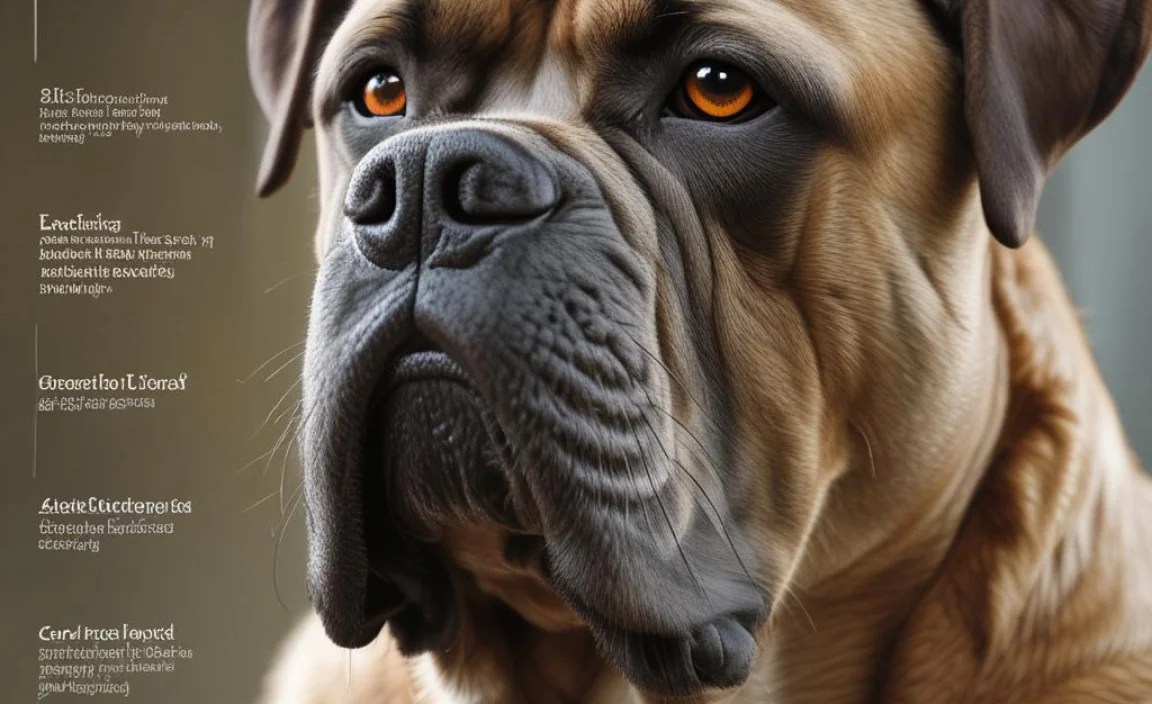
The choice of ear cleaning solution is critical for the health of your Cane Corso’s ears. Not all products are created equal, and using the wrong one can do more harm than good.
A good veterinary-approved ear cleaner typically has these properties:
- Drying Agents: Help to dry out the ear canal, reducing moisture and making it a less hospitable environment for bacteria and yeast.
- Gentle Cleansers: Effectively break down wax and debris without irritating the delicate skin of the ear canal.
- Antimicrobial Properties: Some solutions may contain ingredients that help inhibit the growth of common ear pathogens.
- pH Balanced: Formulated to match the natural pH of a dog’s ear canal.
Recommended Ingredients to Look For (and Why):
When discussing solutions with your vet, you might hear about common effective ingredients. For example, salicylic acid can help break down ear wax, while acetic acid (vinegar) can create an environment less favorable to yeast. Antiseptic ingredients like chlorhexidine are often used to combat bacterial infections.
The American Veterinary Medical Association (AVMA) emphasizes the importance of consulting with your veterinarian for specific product recommendations, as the best choice can depend on your dog’s individual ear health and any pre-existing conditions. Always check the ingredient list and avoid solutions containing alcohol, as it can sting irritated ears.
Solutions to Avoid:
- Water: While it seems harmless, plain water doesn’t effectively break down wax and can introduce more moisture, potentially worsening problems.
- Rubbing Alcohol: Extremely drying and can cause significant stinging and irritation, especially if the ear canal is inflamed.
- Hydrogen Peroxide: Can be too harsh for the sensitive tissues within the ear canal and may cause cellular damage. It also creates bubbling that can be frightening to dogs.
- Oils: Unless specifically formulated for dog ears and recommended by a vet, oils can trap moisture and debris, creating a perfect environment for infection.
Always err on the side of caution and seek guidance from your veterinarian for the most appropriate ear cleaning solution for your Cane Corso. They can recommend a product that is safe, effective, and suited to your dog’s specific needs. For instance, a vet might recommend a product like Triz Ultra + Keto Flushing Solution if your dog has a history of yeast issues, as it contains ingredients to help control fungal growth and clean effectively.
A Comparative Look at Ear Care Tools
To further understand why a “collar” isn’t the answer, let’s look at some common and recommended tools for dog ear care. This highlights the specialized nature of what’s needed for cleaning.
| Tool/Method | Purpose | Pros | Cons | Suitability for Cane Corso Ears |
|---|---|---|---|---|
| Veterinarian-Recommended Ear Cleaning Solution | To loosen and flush out ear wax and debris; to maintain ear canal health. | Effective, specifically formulated for dog ears, vet-approved. | Requires manual application, need for proper technique. | Highly Suitable. Essential for deep cleaning the ear canal safely. |
| Cotton Balls/Gauze Pads | To gently wipe away cleaning solution and debris from the outer ear and canal opening. | Soft, absorbent, disposable. | Can leave fibers behind if not careful; not for deep cleaning. | Highly Suitable. Necessary for wiping the ear after flushing. |
| Ear Syringe (without needle) | To administer ear cleaning solution effectively into the ear canal. | Allows for controlled application of solution, can help flush debris. | Requires careful handling to avoid excessive pressure. | Suitable. Often used with cleaning solutions for thorough flushing. |
| Soft Cloth/Towel | To dry the outer ear and catch drips. | Absorbent, gentle. | Not for cleaning inside the canal. | Essential. For after the cleaning process. |
| “Cane Corso Ear Cleaning Collar” (Hypothetical) | (Assumed) To clean ears automatically or with minimal effort. | (Potentially) Convenient if it worked. | No such product exists; unlikely to be effective or safe; could cause harm. | Not Suitable. Does not address the actual hygiene needs of the ear canal. |
This comparison clearly shows that effective ear hygiene for breeds like the Cane Corso relies on direct, careful cleaning of the ear canal using appropriate solutions and gentle wiping, rather than an external device like a collar.
Beyond Cleaning: Maintaining Overall Ear Health
Ear cleaning is a vital part of your Cane Corso’s health routine, but it’s just one piece of the puzzle. Several other factors contribute to maintaining healthy ears and can help prevent issues before they start.
1. Diet and Allergies
Did you know that what your dog eats can impact their ears? Food allergies are a common cause of recurrent ear infections in many breeds, including the Cane Corso. If your dog suffers from frequent ear issues, it’s worth discussing with your veterinarian if a food sensitivity or allergy could be at play.
An elimination diet, guided by your vet, can help identify specific ingredients that might be causing an inflammatory response. Transitioning to a high-quality, limited-ingredient diet may significantly improve ear health over time. Resources from organizations like the American Kennel Club (AKC) often provide general guidance on breed-specific health considerations, including potential dietary sensitivities.
2. Environmental Factors
Just like us, dogs can react to their environment. Pollen, dust, mold, and other airborne allergens can trigger allergic reactions that manifest as skin and ear problems. If your Cane Corso seems to develop ear issues more frequently during certain seasons, allergies might be a contributing factor.
Keeping your dog’s living space clean, vacuuming regularly, and considering air purifiers can help reduce exposure to environmental allergens. After walks in dusty or grassy areas, a gentle wipe-down of your dog’s ears with a dry cloth can help remove potential irritants.
3. Regular Veterinary Check-ups
Routine veterinary visits are non-negotiable for your Cane Corso’s overall well-being. During these check-ups, your vet will typically examine your dog’s ears as part of the physical assessment. This allows for early detection of any budding problems, such as mild inflammation or wax buildup, before they become serious infections.
Your vet is the best source for personalized advice on ear care frequency, product recommendations, and early warning signs to watch for, tailored specifically to your dog’s breed and individual health history.
4. Hydrolyzed Protein Diets for Allergies
For dogs with confirmed severe food allergies, veterinarians sometimes recommend specialized diets that use hydrolyzed proteins. In these diets, the protein molecules are broken down into such small pieces that the dog’s immune system is less likely to recognize them as allergens. This can be a highly effective way to manage chronic ear inflammation stemming from food sensitivities. Discussing these options with your vet is crucial if allergies are suspected.
5. Supplementation
Omega-3 fatty acids, commonly found in fish oil, are known for their anti-inflammatory properties. Some studies suggest that supplementation can help manage skin and ear conditions associated with allergies. However, always consult your veterinarian before starting any new supplements for your dog, as they can advise on the correct dosage and type of supplement for your individual dog.
Frequently Asked Questions About Cane Corso Ear Care
Q1: How often should I clean my Cane Corso’s ears?
A1: For most Cane Corsos, cleaning their ears once to twice a month is sufficient. However, this can vary. If your dog swims frequently, has a history of infections, or shows signs of wax buildup, you might need to clean them more often. Always consult your veterinarian for a schedule tailored to your dog’s specific needs.
Q2: What are the signs of an ear infection in my Cane Corso?
A2: Look out for excessive head shaking or tilting, scratching at the ears, redness or swelling inside the ear, a foul odor, or discharge (which can be dark, waxy, or pus-like). If you notice any of these signs, contact your vet immediately.
Q3: Can I use Q-tips to clean my Cane Corso’s ears?
A3: No, you should never use Q-tips (cotton swabs) to clean inside your Cane Corso’s ear canal. They can push wax and debris further into the ear, potentially causing impaction or even damaging the delicate eardrum. Only use them to gently wipe the outer parts of the ear flap, if needed.
Q4: My Cane Corso tolerates ear cleaning poorly. What can I do?
A4: Start by making the experience positive. Associate the cleaning supplies with high-value treats and praise. Practice handling their ears without cleaning for short periods, rewarding them for calm behavior. Introduce the cleaning process gradually, perhaps only applying solution and massaging on one day, and then wiping the next. If your dog becomes very distressed, consult your vet for advice or to assess potential pain that might be contributing to their reaction.
Q5: Are there any natural remedies for cleaning Cane Corso ears?
A5: While some natural ingredients are used in veterinary ear cleaners (like specific kinds of


