Cane Corso ear cleaning height is mostly about your comfort and your dog’s size. Aim for what allows you to comfortably and safely access their ears without straining your back or causing your dog undue stress, typically between waist and chest height for most adults.
Are you a proud Cane Corso owner wondering about the best way to clean your magnificent giant’s ears? You’re not alone! Many new and experienced owners alike have questions about how to properly care for their dog’s ears, especially for a breed as substantial as the Cane Corso.
It can seem a bit daunting when your furry friend is so big, and you might even wonder if there’s a specific “height” you need to aim for when it’s cleaning time. Don’t worry, we’re here to demystify the process and give you the confidence to tackle ear cleaning with ease. Let’s dive into everything you need to know to keep those impressive ears healthy and clean, ensuring your Cane Corso stays happy and comfortable.
Understanding Cane Corso Ears: Why Cleaning Matters

Cane Corsos, with their muscular build and dignified presence, are wonderful companions. Like all dogs, their ears need regular attention. Unlike some breeds with tiny, delicate ears, a Cane Corso’s ears are larger and can be prone to certain issues if not maintained. Regular cleaning is a vital part of preventative care that helps ward off common ear problems such as infections, excessive wax buildup, and the discomfort they cause.
Common Ear Issues in Dogs (and How to Prevent Them)
Here are some of the common culprits that can affect your dog’s ears:
- Ear Infections: These are often caused by bacteria or yeast that thrive in warm, moist environments. If your dog’s ear canal stays damp due to activities like swimming or if it’s not cleaned regularly, it can become a breeding ground for these microorganisms. Symptoms can include redness, swelling, a foul odor, and your dog shaking its head frequently or scratching its ears.
- Ear Mites: These tiny parasites are highly contagious and can cause intense itching and irritation. You might notice dark, crumbly debris in the ear that looks like coffee grounds.
- Excessive Wax Buildup: While some earwax is normal, too much can trap debris and moisture, leading to further problems.
- Foreign Objects: Things like grass seeds, small burrs, or even insects can find their way into a dog’s ear canal, causing pain and potential damage.
By establishing a routine for ear cleaning, you significantly reduce the risk of these issues. It’s about being proactive and keeping a close watch on your dog’s well-being. For more in-depth information on dog ear health, the American Veterinary Medical Association (AVMA) offers excellent resources on pet care.
What is the “Cane Corso Ear Cleaning Height”?

When we talk about “Cane Corso ear cleaning height,” we’re not referring to a specific scientific measurement or a breed standard. Instead, it’s a practical consideration based on your own physical comfort, your dog’s size, and ensuring a safe and calm experience for both of you. Since Cane Corsos are a large breed, their height can be a factor. You want to be able to comfortably position yourself to access their ears without having to bend excessively or strain your back, while also ensuring they are calm and steady.
Factors Influencing Your Cleaning Setup:
- Your Height and Mobility: If you’re on the shorter side or have back issues, you might prefer to have your Cane Corso standing on a slightly elevated surface, or you might choose to sit on a stool.
- Your Cane Corso’s Temperament: A calm and cooperative dog makes the process much easier. If your dog is fidgety, you’ll want a setup that minimizes movement and allows you to maintain control.
- Your Veterinarian’s Recommendations: Always follow the advice of your vet. They might have specific recommendations based on your dog’s ear health.
The goal is to create a comfortable, controlled environment where you can effectively clean your dog’s ears without causing any distress. This usually means finding a position where your dog is neither too high nor too low for you to manage.
Preparing for Cane Corso Ear Cleaning
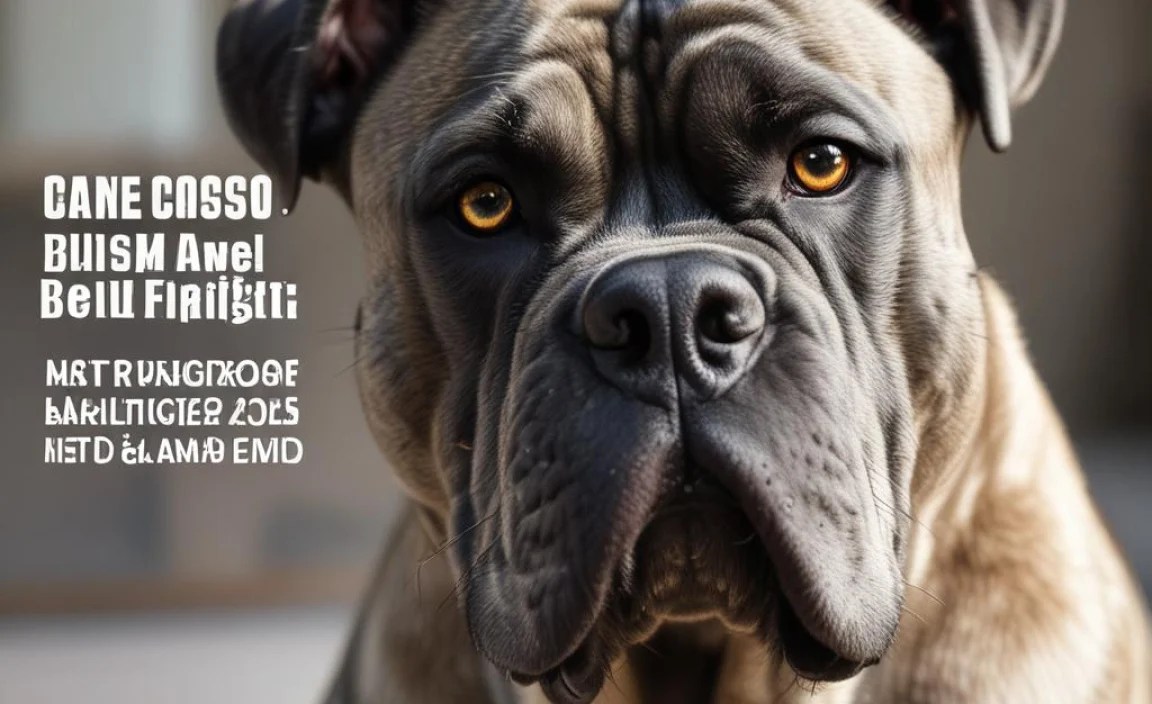
A little preparation goes a long way in making the ear cleaning process smooth and stress-free for both you and your Cane Corso. Gathering your supplies beforehand ensures you have everything you need at your fingertips, reducing the chances of having to leave your dog unattended.
Essential Supplies for Cane Corso Ear Cleaning:
Here’s a checklist of what you’ll need:
- Veterinarian-Approved Ear Cleaning Solution: Always use a cleaning solution recommended by your vet. Avoid using water, alcohol, hydrogen peroxide, or ear drops not specifically formulated for dogs’ ears, as these can cause irritation or damage.
- Cotton Balls or Gauze Pads: These are for gently wiping away debris and excess solution. Never use cotton swabs (like Q-tips) deep inside the ear canal, as you could push debris further in or even damage the eardrum.
- A Towel: Canister have a tendency to shake their heads after ear cleaning, so a towel is handy to catch any spray and to gently dry their outer ear.
- Dog Treats: Positive reinforcement is key! Have plenty of your dog’s favorite treats ready to reward them for their cooperation.
- A Partner (Optional but Recommended): If your Cane Corso is particularly energetic or new to ear cleaning, having a second person to gently hold and reassure them can be very helpful.
Where to Buy: Reputable pet supply stores and your veterinarian’s office are the best places to purchase a quality, veterinarian-approved ear cleaning solution. Look for brands recommended by veterinary professionals. For general dog grooming supplies, sites like Chewy often carry a variety of trusted brands.
Setting the Scene: Creating a Calm Environment
Choose a quiet area of your home where your dog typically feels relaxed. Away from distractions like other pets or loud noises, this space will help your Cane Corso feel more at ease. Ensure the lighting is good so you can clearly see what you’re doing.
Step-by-Step Guide to Cleaning Your Cane Corso’s Ears

Cleaning your Cane Corso’s ears doesn’t have to be a chore. By following these simple steps, you can make it a positive and effective part of your dog’s grooming routine. Remember to be patient and gentle throughout the process.
Step 1: Gentle Introduction and Positioning
Begin by calmly approaching your Cane Corso. Speak to them in a soft, reassuring voice. Gently lift one of their ears to expose the ear canal. If your dog is standing, you might find it easiest to have them stand near a wall or in a corner to discourage them from circling. If they are lying down, ensure they are comfortable. You might position yourself so their head is at your waist or chest height for optimal access. If your dog is very large, or if you have any back concerns, consider having your dog stand on a sturdy, low platform (like a large, stable mat or a very low bench designed for grooming pets), or sit on a stool yourself. This adjustment in “height” is purely for your ergonomic comfort.
Step 2: Applying the Ear Cleaning Solution
Hold the ear flap back gently with one hand. With the other hand, carefully insert the tip of the ear cleaning solution bottle into the ear canal. Don’t push it in too far – just enough to direct the liquid. Squeeze the bottle gently to fill the ear canal with the cleaning solution. You should hear a squishing sound as the liquid goes in.
Step 3: Massaging the Ear Base
Keeping the ear flap held back, use your fingers to gently massage the base of your Cane Corso’s ear (the part just below where the ear canal opens). You should hear a squishing sound as the solution works its way down and loosens any debris or wax. Massage for about 20-30 seconds.
Step 4: Allowing Your Dog to Shake
Release the ear flap and let your Cane Corso shake their head. This is a natural reflex that helps to bring loosened debris and excess solution up and out of the ear canal. This is where that towel comes in handy!
Step 5: Wiping Away Debris
Take a clean cotton ball or gauze pad and gently wipe away any visible dirt, wax, or residue from the outer part of the ear canal and the inside of the ear flap. Again, do not insert anything deep into the ear canal. The goal is to clean what you can see and reach without causing harm.
Step 6: Repeat and Reward
Repeat steps 1-5 for the other ear. Once you’ve finished both ears, praise your dog enthusiastically and give them plenty of treats. Make it a positive experience so they look forward to it (or at least tolerate it!) next time.
Step 7: Inspect the Ears
After cleaning, take a moment to visually inspect your Cane Corso’s ears. Look for any signs of redness, unusual discharge, or lingering debris. If you notice anything concerning, contact your veterinarian.
How Often Should You Clean a Cane Corso’s Ears?

The frequency of ear cleaning for your Cane Corso depends on several factors, including their genetics, lifestyle, and overall ear health. For most dogs, a routine check once a week is recommended. Actual cleaning might only be necessary every few weeks, or even less often, if their ears appear clean and healthy.
General Guidelines:
- Weekly Checks: Aim to visually inspect your dog’s ears at least once a week. Look for redness, odor, discharge, or excessive wax. If you see any of these signs, it might be time for a cleaning.
- Lifestyle Factors: Dogs that swim frequently or spend a lot of time outdoors in dusty or grassy environments may need more frequent ear cleanings.
- Veterinarian’s Advice: Your veterinarian is the best resource for determining the ideal cleaning schedule for your individual dog. They can assess your dog’s ear health and provide personalized recommendations.
Over-cleaning can be just as harmful as not cleaning enough, as it can strip away natural protective oils and potentially irritate the ear canal. It’s a balance, and observing your dog is key.
What NOT to Do When Cleaning Cane Corso Ears
Just as important as knowing what to do is knowing what to avoid. Certain practices can inadvertently harm your Cane Corso’s ears. Sticking to safe methods ensures you’re protecting your dog’s delicate hearing.
Key “Don’ts” for Ear Cleaning:
- Never use cotton swabs (Q-tips) deep inside the ear canal: As mentioned before, these can push debris further in, potentially damaging the eardrum.
- Avoid harsh cleaning agents: Do not use rubbing alcohol, hydrogen peroxide, or plain water. These can dry out the ear canal, cause irritation, or introduce moisture that promotes infection. Only use veterinarian-approved ear cleaning solutions.
- Don’t over-clean: Cleaning too often can remove natural protective earwax, leading to dryness and irritation.
- Don’t clean if the ear is already infected or injured: If you suspect an infection (redness, swelling, foul odor, pain) or injury, stop cleaning and consult your veterinarian immediately. Cleaning an infected ear can worsen the condition or cause pain.
- Don’t ignore changes: If you notice any persistent discomfort, excessive scratching, head shaking, unusual discharge, or odor, these are warning signs that require veterinary attention.
Following these guidelines will help ensure that your ear cleaning efforts are beneficial rather than detrimental to your Cane Corso’s health.
When to Seek Professional Veterinary Help
While regular ear cleaning is an important part of at-home care, there are times when professional veterinary attention is necessary. Recognizing the signs that require a vet’s expertise can save your Cane Corso from unnecessary discomfort and potential long-term issues.
Signs Your Cane Corso Needs to See the Vet:
- Persistent Head Shaking or Scratching: If your dog is constantly shaking their head or pawing at their ears, it indicates significant discomfort that home remedies might not fix.
- Foul Odor: A strong, unpleasant smell coming from the ear is a common sign of infection.
- Discharge: Any discharge, whether it’s thick and pus-like, or dark and waxy (like coffee grounds, which can indicate mites), needs professional evaluation.
- Redness and Swelling: Significant inflammation or redness inside the ear flap or canal is a sign of irritation or infection.
- Pain or Sensitivity: If your Cane Corso yelps, flinches, or tries to bite when you touch their ears or head, they are likely in pain.
- Loss of Balance or Unusual Head Tilting: These can be symptoms of more severe ear issues, such as middle or inner ear infections, which require immediate veterinary care.
- Visible Foreign Objects: If you can see something lodged in the ear canal that you cannot safely remove with gauze, do not attempt to retrieve it yourself.
Your veterinarian has specialized tools and knowledge to diagnose and treat ear conditions effectively. For example, they can use an otoscope to get a clear view deep into the ear canal and perform cytology tests to identify bacteria or yeast causing an infection. For more on diagnosing ear problems, consult resources from the Cornell University College of Veterinary Medicine on diagnostic cytology, which often includes ear sample analysis.
Grooming Tools and Accessories for Cane Corso Care
Beyond ear cleaning solutions, other grooming tools can support your Cane Corso’s overall well-being. Investing in quality tools makes grooming easier and more effective.
| Tool | Purpose | Description |
|---|---|---|
| Shedding Blade / Deshedding Tool | Managing loose undercoat | Effectively removes loose fur from the undercoat, reducing shedding around your home. Use gently to avoid irritating the skin. |
| Sturdy Bristle Brush | General grooming and massaging skin | Helps to distribute natural oils, keep the coat healthy, and provides a soothing massage. Good for their short, dense coat. |
| Nail Clippers / Grinder | Nail maintenance | Essential for keeping nails at a safe length to prevent discomfort, paw issues, and damage to flooring. Aim for regular trims. |
| Dog Toothbrush and Paste | Dental hygiene | Regular brushing helps prevent dental disease, bad breath, and keeps your dog’s mouth healthy. Use only dog-specific products. |
| High-Quality Ear Cleaner | Ear hygiene | As discussed, this is crucial for preventing infections and keeping ears clean. Always vet-approved. |
When selecting tools, consider durability and comfort. For a large breed like the Cane Corso, you’ll want robust tools that can withstand regular use. Brands like Furminator for deshedding or Andis for clippers are well-regarded. Always introduce new grooming tools gradually and associate them with positive experiences, like treats and praise.
Frequently Asked Questions About Cane Corso Ear Cleaning
Q1: How do I know if my Cane Corso’s ears are dirty?
A: You can usually tell if your Cane Corso’s ears need cleaning by visually inspecting them weekly. Look for any visible dirt, debris, excessive wax buildup, or a foul odor. A little bit of light-colored earwax is normal, but anything more significant warrants attention.
Q2: Can I use baby wipes to clean my Cane Corso’s ears?
A: It’s best to avoid baby wipes, as they can contain fragrances and chemicals that may irritate your dog’s sensitive ear canal. Stick to veterinarian-approved ear cleaning solutions designed specifically for canine ears.
Q3: My Cane Corso seems to tolerate ear cleaning, but is there anything I can do to make it even better?
A: Absolutely! Always end the cleaning session with high-value treats and plenty of praise. You can also try to make it a part of a routine grooming session, associating it with other positive experiences. Some dogs respond well to desensitization exercises where you practice handling their ears without cleaning.
Q4: Is it normal for my Cane Corso’s ears to have a slight odor after cleaning?
A: A mild, clean scent from the ear cleaner is normal. However, if there is a strong, unpleasant, or “yeasty” odor after cleaning, or if it persists, it could indicate an underlying issue like


