Cane Corso exercise is crucial for channeling their natural power into balanced, confident behavior. Providing consistent, structured activity helps establish their role in the family and prevents behavioral issues, making them well-behaved companions.
Cane Corsos are magnificent dogs! They possess a strong build and a natural desire to protect their families. For anyone new to this impressive breed, you might wonder, “How much exercise does my Cane Corso really need?” It’s a common question, and getting it right is key to a happy, well-adjusted pup. Too little exercise can lead to frustration, and that’s where unwanted behaviors can creep in.
But don’t worry! We’ve got you covered with a simple, step-by-step guide to meeting your Cane Corso’s exercise needs. This will help build their confidence and strengthen your bond. Let’s dive into how to provide the essential “alpha behavior” through exercise.
Understanding the Cane Corso’s Drive

The Cane Corso, often referred to as the Italian Mastiff, is a breed with a rich history rooted in guarding and protection. Their ancestors were bred to work cattle and guard estates, meaning they are naturally athletic, intelligent, and possess a strong protective instinct. This inherent drive means they need more than just a casual stroll around the block to thrive. They require a balance of physical exertion and mental stimulation to keep them content and well-behaved.
When we talk about “alpha behavior” in the context of dogs, it’s important to understand that modern dog behaviorists emphasize leadership and guidance rather than outdated dominance hierarchies. For a powerful breed like the Cane Corso, being a calm, consistent leader is paramount. Providing them with structured exercise is one of the most effective ways to demonstrate this leadership. It allows them to expend energy constructively, build confidence, and understand their place within the family unit. It’s about guiding their natural alpha tendencies into positive outlets, preventing them from becoming disruptive or anxious.
Physical Needs: More Than Just a Walk
A Cane Corso’s physical needs are substantial. They are a large, muscular breed designed for stamina and strength. A quick daily walk is usually insufficient to meet their requirements. Think of it this way: if their ancestors were working dogs, they need activities that engage their physical capabilities. This doesn’t mean exhaustion, but rather purposeful activity.
Here’s a breakdown of what physical exercise looks like for your Cane Corso:
Endurance Building: Regular, longer walks (30-60 minutes, one to two times a day) are foundational. These walks should be brisk and engaging, not just leisurely strolls.
Strength Training: Activities that engage their muscles, like controlled fetch sessions or swimming, can be beneficial.
Mental Engagement: Puzzle toys, obedience training sessions, and scent work help tire their minds, which is just as important as physical exertion.
Mental Stimulation: The Brain Needs a Workout Too
Just like their bodies, a Cane Corso’s mind needs to be challenged. A bored Cane Corso can become a destructive Cane Corso. Mental stimulation helps prevent this by engaging their intelligence and problem-solving skills.
Here are some excellent ways to provide mental workout:
Obedience Training: Regular training sessions reinforce good manners and strengthen your bond.
Puzzle Feeders: Make mealtime a challenge with slow feeders or puzzle toys.
New Environments: Exploring new parks or walking routes provides novel sensory experiences.
Trick Training: Teaching your dog new tricks is a fantastic way to engage their mind and build confidence.
Designing a Cane Corso Exercise Routine
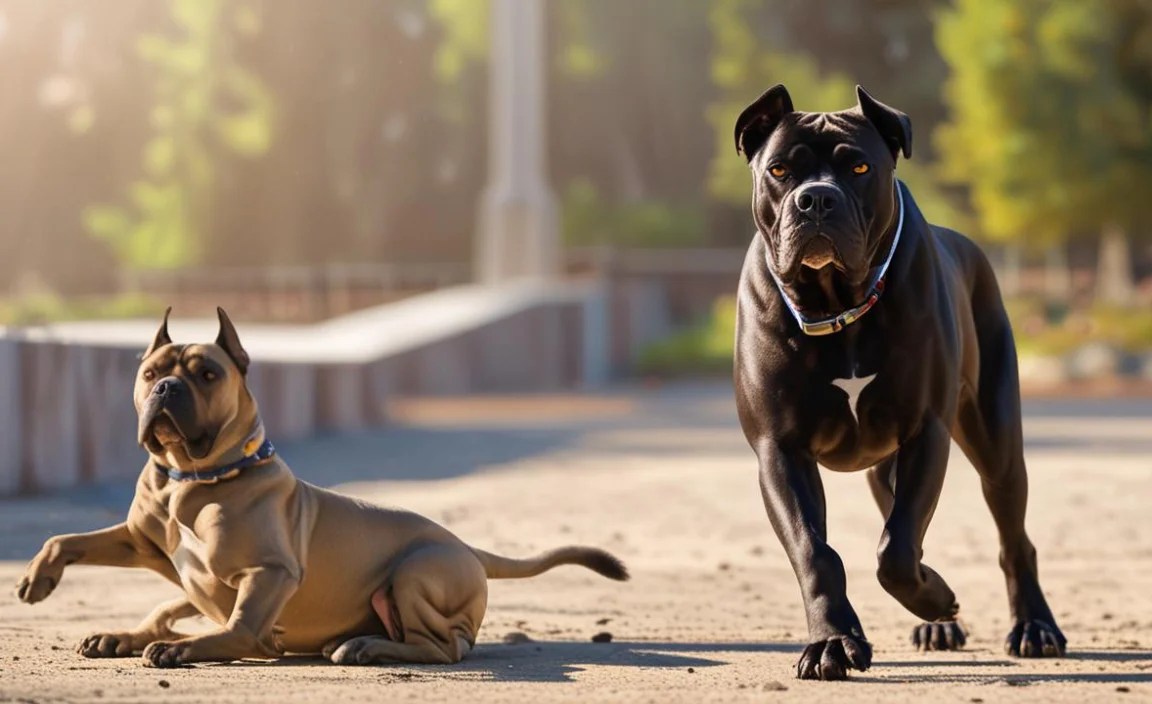
Creating a consistent exercise routine is vital for your Cane Corso. This routine should be tailored to their age, energy level, and individual personality. A puppy’s needs will differ significantly from those of an adult or senior dog.
Puppy Exercise Guidelines
For Cane Corso puppies, the focus should be on safe, age-appropriate exercise that doesn’t overexert developing joints. Too much strenuous activity can lead to skeletal issues.
Short, Frequent Sessions: Aim for 5 minutes of structured exercise per month of age, twice a day. So, a 3-month-old puppy gets about 15 minutes per session.
Leash Training: Introduce leash walking gradually in a safe, enclosed area.
Socialization: Safe, supervised interactions with vaccinated dogs and positive exposure to various gentle sights and sounds are crucial.
Gentle Play: Short play sessions in a secure yard with age-appropriate toys are great. Avoid rough play that could cause injuries.
A great resource for understanding puppy development and exercise can be found on the American Kennel Club (AKC), which provides breed-specific insights.
Adult Cane Corso Exercise Plan
Once your Cane Corso reaches maturity (typically around 18-24 months), their exercise needs will be at their peak. A well-rounded routine is essential.
Here’s a sample weekly plan:
Daily Routine:
- Morning: 30-45 minute brisk walk or jog.
- Afternoon: 15-20 minute training session or puzzle toy play.
- Evening: 30-45 minute walk, perhaps exploring a new route or park.
Weekly Additions:
- 1-2 times per week: longer hikes (60+ minutes) or structured playdates with well-matched dogs.
- 1-2 times per week: swimming sessions (if your dog enjoys it and it’s safe).
- Daily: short, engaging training moments (e.g., practicing commands before meals).
Senior Cane Corso Exercise
As your Cane Corso ages, their exercise needs will change. The focus shifts from high-intensity activity to maintaining mobility and mental engagement, always being mindful of their physical limitations.
Shorter, More Frequent Walks: Instead of one long walk, opt for two or three gentler, shorter walks throughout the day.
Low-Impact Activities: Swimming or gentle strolls on softer surfaces can be ideal.
Mental Stimulation: Continue with puzzle toys and short training sessions to keep their minds sharp.
Veterinary Consultations: Always consult your veterinarian about the appropriate level of exercise for a senior dog, especially if they have any health concerns like arthritis.
Proven Exercise Methods for Alpha Behavior
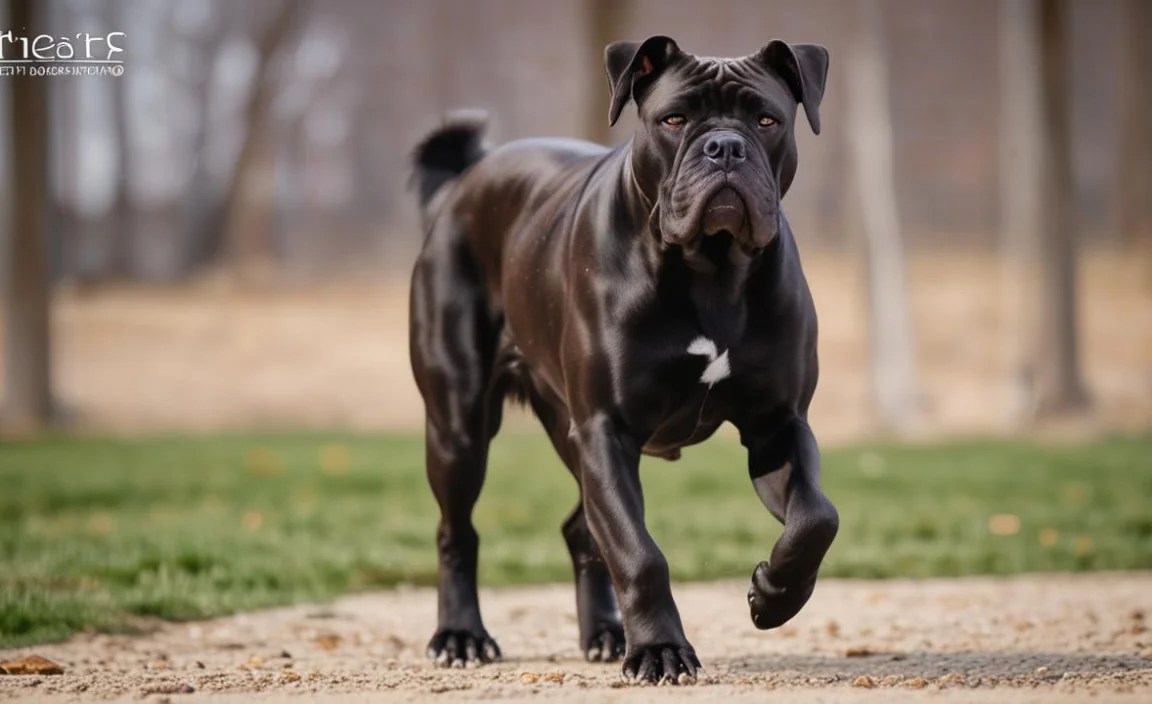
The term “alpha behavior” in dog training refers to establishing yourself as a confident, consistent leader. For a powerful breed like the Cane Corso, this is crucial for their well-being and your harmonious coexistence. Structured exercise is a cornerstone of this leadership. It’s not about dominance, but responsible guidance.
Structured Walking and Hiking
Structured walks are more than just letting your dog sniff around. They involve leadership from you.
Leash Etiquette: Your Cane Corso should walk calmly by your side, not pull ahead or lag behind. This reinforces that you are in control of the pace and direction.
Controlled Exploration: Allow brief sniffing opportunities, but keep the pace consistent. This teaches them to be present and engaged with you.
Varying Terrain: Hiking in nature provides excellent physical and mental challenges. Uneven ground, hills, and new scents offer a rich sensory experience. Always ensure your dog is fit enough for longer hikes. For more on hiking safety with dogs, National Park Service offers valuable advice.
Obedience Training as Exercise
Obedience training is a potent form of exercise for Cane Corsos, engaging their minds and building their understanding of what is expected. It channels their natural intelligence and desire to please into productive actions.
Reinforcement: Positive reinforcement techniques, like using treats and praise, are highly effective.
Command Practice: Regularly practice basic commands such as sit, stay, come, and down.
Advanced Training: Consider agility or other canine sports for a more advanced mental and physical challenge.
Canine Sports and Activities
For Cane Corsos that excel with structured challenges, canine sports can be incredibly beneficial:
Agility: Navigating obstacles like jumps, tunnels, and weave poles is a fantastic way to build confidence and coordination.
Herding/Lure Coursing (Simulated): While not for every urban Cane Corso, activities that mimic their heritage can be very fulfilling, even in a controlled environment.
Protection Sports (Trained and Controlled): For highly driven individuals, with experienced handlers and reputable organizations, specific protection training can be a responsible outlet. This is NOT for unsupervised or novice owners.
Play and Games
Play is a vital part of a dog’s life, and for a Cane Corso, it should be engaging and managed.
Fetch: A classic for a reason, but ensure your dog has good recall and doesn’t obsessively chase.
Tug-of-War: A controlled game of tug can be fun, but always end the game on your command, teaching impulse control.
Problem-Solving Toys: Puzzle toys and treat-dispensing balls provide mental stimulation and can keep them occupied when you’re busy.
Integrating Exercise for ‘Proven Alpha Behavior’

The “alpha behavior” you’re aiming for is one of calm confidence, where your Cane Corso looks to you for direction and feels secure in their role within the family. Consistent, structured exercise is a key tool in achieving this. It provides an outlet for their energy, reduces the likelihood of behavioral issues arising from pent-up frustration, and reinforces your role as a benevolent leader.
Consistency is Key
Just like any training, exercise needs to be consistent. A haphazard approach won’t yield the desired results. Establish a daily and weekly routine that you can stick to. This predictability helps your Cane Corso understand what to expect and feel more secure.
Structure and Rules
The exercise itself should have an element of structure. This means:
Leash Control: During walks, you set the pace and direction.
Command Reinforcement: Integrate commands into your play and walks. For example, ask for a “sit” before tossing a ball.
Controlled Transitions: Entering and exiting the house or car should be calm and orderly, reinforcing your leadership.
Utilizing Gear Wisely
The right gear can make exercising your Cane Corso safer and more effective.
Harnesses: A well-fitting harness can provide better control during walks than a collar, especially for strong pullers. Look for front-clip harnesses to discourage pulling.
Leashes: A standard 6-foot leash is usually ideal for daily walks. Avoid retractable leashes, which offer less control and can be dangerous.
Appropriate Footwear: For longer hikes, consider dog boots if your dog’s paws are sensitive to rough terrain or extreme temperatures.
Water: Always carry plenty of fresh water for your dog, especially during warmer months or longer excursions. A portable water bowl is a must-have.
Table: Comparing Outdoor Activity Benefits
| Activity | Physical Benefit | Mental Benefit | Suitability for Cane Corso |
| :——————- | :———————————————— | :—————————————— | :—————————————————————————————————————————————————————————————————————————- |
| Brisk Walking | Cardiovascular health, muscle toning | Exposure to new sights/smells, routine | Excellent for daily exercise, builds stamina, reinforces structure. |
| Hiking | Full-body conditioning, endurance | Navigating varied terrain, novel scents | Great for adventurous Corsos; provides a significant physical and mental challenge. Ensure safe trails and proper hydration. |
| Swimming | Low-impact cardiovascular exercise, joint-friendly | Novel sensory experience, problem-solving | Ideal for older dogs or those with joint issues. Requires supervision and ensuring your dog is comfortable with water. |
| Structured Fetch | Cardiovascular, some agility | Focus, obedience (sit/stay before retrieve) | Good for short bursts of energy. Teach a reliable “drop it” and “wait.” |
| Agility Training | Coordination, agility, strength | Focus, problem-solving, confidence building | Excellent for intelligent, energetic Corsos; requires dedication and good command of basic obedience. Organizations like US Agility can provide resources. |
Recognizing Over-Exercise or Under-Exercise
It’s essential to be able to identify the signs of both too much and too little exercise.
Signs of Over-Exercise:
Extreme exhaustion, lethargy, or refusal to move.
Excessive panting, sometimes accompanied by drooling.
Soreness or limping, especially after activity.
Heatstroke signs: excessive panting, drooling, bright red gums, vomiting, disorientation. Seek immediate veterinary care for heatstroke.
Signs of Under-Exercise:
Restlessness, pacing, or inability to settle.
Destructive behavior (chewing furniture, digging).
Excessive barking or whining.
Anxiety or irritability.
Weight gain.
If you notice these signs, it’s time to reassess your Cane Corso’s exercise routine and consult with your veterinarian or a professional dog trainer if needed.
Common Misconceptions About Cane Corso Exercise
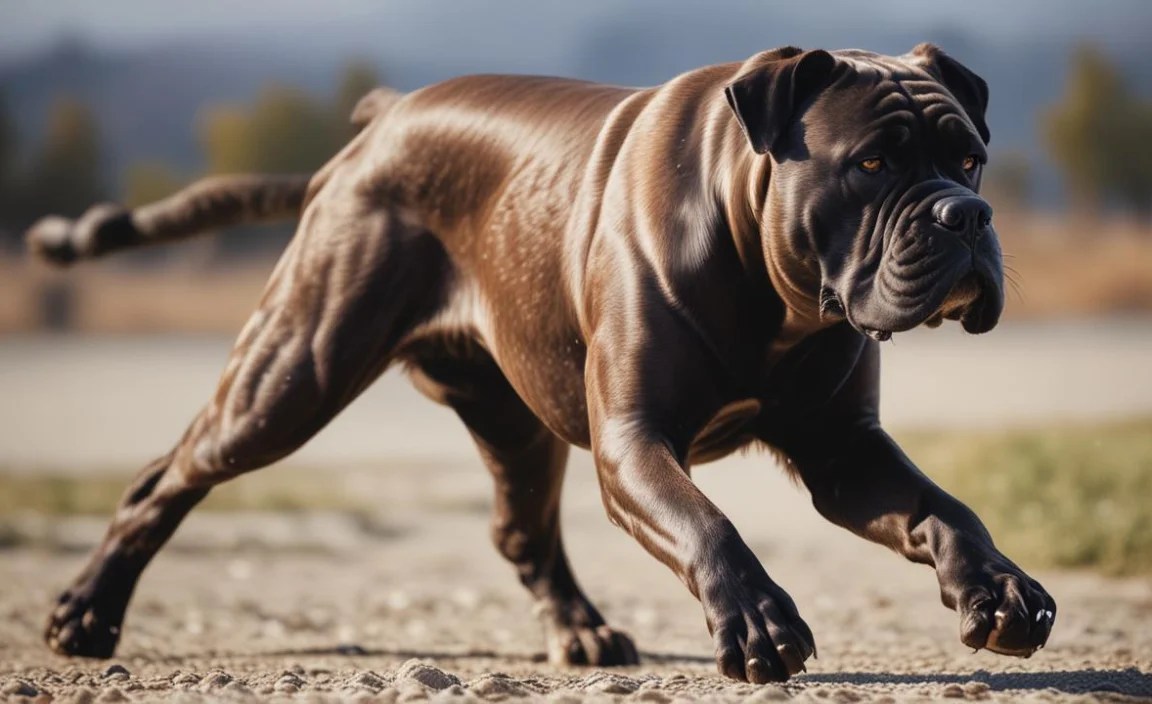
There are several myths surrounding the exercise needs of powerful breeds like the Cane Corso. Dispelling these is key to providing appropriate care.
Myth: “They are guard dogs, so they need to run laps around the yard.”
Reality: While they have guarding instincts, unstructured time in the yard is not a substitute for structured exercise and mental stimulation. In fact, excessive running in circles can lead to frustration if not paired with other activities.
Myth: “They are a large breed, so they can handle intense exercise all the time.”
Reality: Cane Corsos, especially as puppies, have developing joints. Over-exertion can cause serious damage. It’s crucial to provide age-appropriate, consistent, and varied exercise.
Myth: “My Cane Corso doesn’t seem hyper, so they don’t need much exercise.”
Reality: Some dogs may internalize their need for exercise, leading to lethargy or even depression. Others may develop anxiety or aggression without sufficient outlets. It’s important to proactively provide the necessary stimulation, not just react to perceived hyperactivity.
Health Considerations and Exercise
Exercise is beneficial for your Cane Corso’s overall health, but it’s important to be aware of potential health issues that can impact their activity levels.
Orthopedic Issues: Cane Corsos can be prone to hip and elbow dysplasia. During their growth phases, avoid high-impact activities and ensure they maintain a healthy weight to reduce stress on their joints. Regular, moderate exercise as adults can help maintain muscle mass supporting their joints.
Heart Health: A healthy cardiovascular system is vital. Moderate, consistent aerobic exercise helps keep hearts strong. Always consult your vet if you have concerns about your dog’s heart health.
Weight Management: Obesity can exacerbate many health problems. Proper diet combined with adequate exercise is the best way to keep your Cane Corso at a healthy weight. For more on canine nutrition, resources from organizations like the U.S. Food and Drug Administration (FDA) can be informative.
Always discuss any exercise plan with your veterinarian. They can provide personalized recommendations based on your dog’s specific health status and age.
FAQ: Cane Corso Exercise and Alpha Behavior
How much exercise does a Cane Corso puppy need?
A good rule of thumb for puppies is 5 minutes of structured exercise per month of age, twice a day. For example, a 4-month-old puppy needs about 20 minutes of activity in the morning and 20 minutes in the evening. Focus on gentle play, short walks, and socialization.
What is the best way to establish ‘alpha behavior’ with my Cane Corso through exercise?
The goal is to be a calm, consistent leader. This means structured walks where you set the pace, controlled playtime, and integrating commands into your routines. It’s about guidance, not dominance.
Can my Cane Corso get enough exercise just by playing in the backyard?
While backyard play is good, it’s usually not enough for a breed like the Cane Corso. They need structured outings, mental challenges, and interaction that a yard alone cannot provide.
What if my Cane Corso pulls on the leash?
Leash-pulling indicates they haven’t learned proper leash etiquette or are not getting enough exercise. Use a front-clip harness, practice loose-leash walking exercises, and ensure their exercise needs are met. Consistency is key.
Is swimming good exercise for a Cane Corso?
Yes, swimming is excellent, especially for older dogs or those with joint issues, as it’s very low-impact. Always supervise your dog when they are in or around water.
How do I know if my Cane Corso is getting too much exercise?
Signs include extreme fatigue, reluctance to move, soreness, excessive panting, and heatstroke symptoms. If you see these, reduce the exercise.
Should I use special equipment for my Cane Corso’s exercise?
A well-fitting harness (like a front-clip harness) can be helpful for controlling pulling. Always carry water and consider paw protection for rough terrain. Avoid retractable leashes for safety.
Conclusion
Providing your Cane Corso with consistent, appropriate, and engaging exercise is fundamental to fostering their confident, balanced “alpha behavior.” It’s about understanding their powerful instincts and channeling that energy into positive outlets. From structured walks and hikes to obedience training and controlled play, each activity contributes to a well-rounded, happy, and secure canine companion. Remember that consistency, leadership, and a keen awareness


