Cane Corso exercise is crucial for their well-being, requiring daily physical and mental stimulation. Aim for at least 60-90 minutes of varied activities, including walks, playtime, and training, to keep your Cane Corso happy and well-behaved. Adjust based on age and energy levels.
Cane Corsos are magnificent dogs, known for their loyalty and protective nature. But like all powerful breeds, they have specific needs when it comes to staying active and healthy. It’s easy to feel overwhelmed wondering just how much exercise your Cane Corso needs, or what kind is best.
You might worry about them being restless, destructive, or even anxious if they aren’t getting enough. Don’t worry! This guide will break down everything you need to know about Cane Corso exercise in a simple, easy-to-follow way. We’ll cover their daily requirements, different types of activities, and how to tailor exercise to your dog’s specific needs, ensuring a happy and well-adjusted companion.
Why Exercise is Non-Negotiable for Your Cane Corso

Cane Corsos are a breed with a purpose. Historically, they were bred for guarding property, driving cattle, and hunting large game. This means they have a robust physique and a keen mind that needs to be engaged. Insufficient exercise can lead to a host of problems, both physical and behavioral. A bored or under-exercised Cane Corso can become destructive, overly boisterous, or even develop anxiety. Regular, appropriate exercise helps them expend pent-up energy, maintain a healthy weight, strengthen their muscles and joints, and, importantly, solidify their bond with you. It’s not just about burning energy; it’s about fulfilling their breed’s natural needs and promoting their overall well-being.
Understanding Your Cane Corso’s Exercise Needs
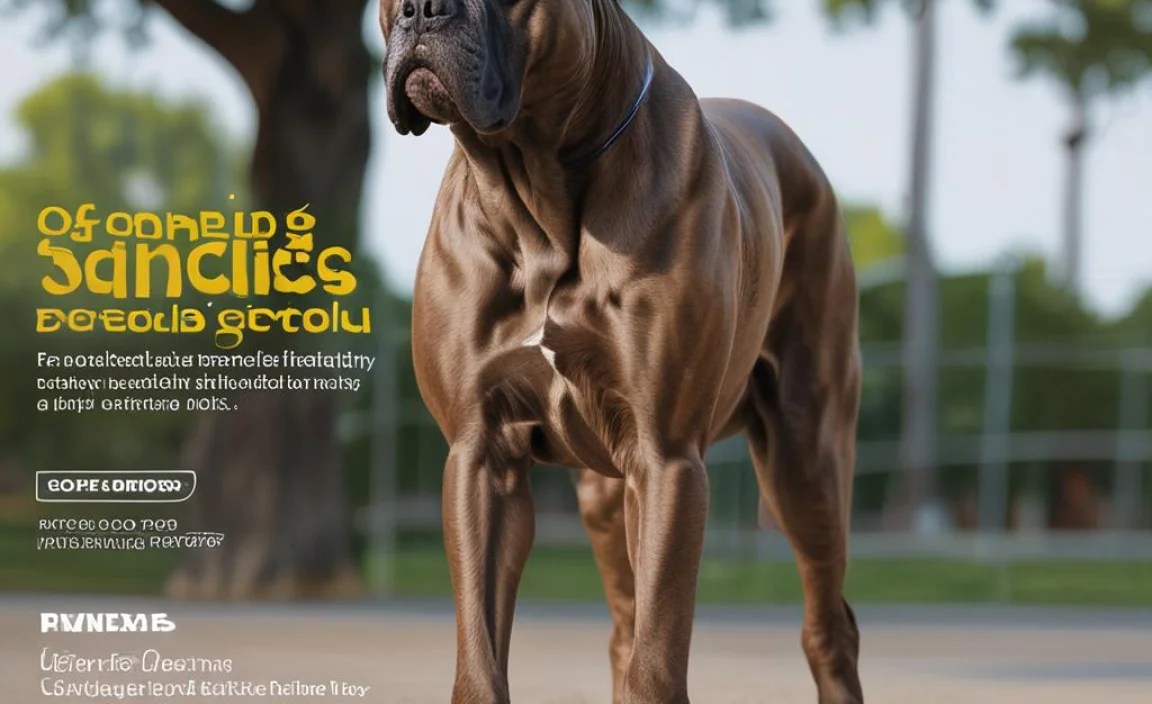
The amount of exercise a Cane Corso needs can vary depending on their age, health, and individual temperament. However, as a general rule, this breed requires a significant amount of daily physical and mental stimulation.
Age-Specific Exercise Guidelines
Puppies and adolescent Cane Corsos have different needs than adult dogs. Over-exercising young dogs, especially during their rapid growth phases, can be detrimental to their developing joints.
Puppies (up to 12-18 months): Focus on short, frequent play sessions and gentle walks. Over-exertion should be strictly avoided. The general guideline is five minutes of structured exercise per month of age, twice a day. So, a 4-month-old puppy would benefit from two 20-minute walks or play sessions daily. Mental stimulation through training and puzzle toys is also key.
Adults (18 months to 7-8 years): This is when your Cane Corso will have their highest energy levels. They typically need at least 60-90 minutes of vigorous exercise per day. This can be broken into two or three sessions.
Seniors (8+ years): As your Cane Corso ages, their exercise needs may decrease. Shorter, more frequent walks at a relaxed pace are usually best. Pay close attention to their mobility and stamina, and adjust accordingly. Consult your veterinarian if you notice any signs of pain or reduced mobility.
Factors Influencing Exercise Needs
Beyond age, consider these factors:
Individual Temperament: Some Corsos are naturally more laid-back, while others are more energetic. Observe your dog’s behavior. Do they seem restless after a certain amount of activity, or do they happily settle down?
Health Conditions: Dogs with joint issues, heart conditions, or other health problems will require modified exercise routines. Always consult your vet for personalized recommendations.
Climate: Extremely hot or cold weather can make strenuous exercise unsafe. On hot days, exercise during cooler parts of the day (early morning, late evening) and provide plenty of water. On very cold days, consider indoor activities.
Types of Cane Corso Exercise

A well-rounded exercise routine for a Cane Corso should include a mix of physical activity and mental challenges.
1. Physical Exercise: Getting the Blood Pumping
This is what most people think of when they hear “exercise.” For a Cane Corso, this means activities that engage their powerful bodies.
Leashed Walks: This is a cornerstone of any dog’s exercise, and for a Cane Corso, it’s a primary outlet for energy and exploration. Aim for brisk walks, at least 30-45 minutes each, once or twice a day. The walk isn’t just about covering ground; it’s about letting your dog sniff, explore, and experience their environment. This sensory input is a crucial form of mental enrichment.
Jogging/Running: Once fully grown and cleared by a vet, many Cane Corsos can be excellent jogging companions. Start with short distances and gradually increase them. Ensure your dog is healthy and conditioned for this type of activity.
Hiking: Exploring trails is fantastic for both physical and mental stimulation. The varied terrain challenges their balance and coordination, and the new sights and smells offer a significant mental workout. Always keep your Cane Corso on a leash in areas where wildlife is present or where off-leash is not permitted.
Swimming: Many Cane Corsos enjoy swimming, which is a low-impact way to get a full-body workout. It’s excellent for dogs with joint issues. Always introduce your dog to water safely and supervise them closely.
Playtime: Games of fetch with durable toys, tug-of-war (with rules!), or supervised play with other well-matched, vaccinated dogs can be great energy outlets.
2. Mental Stimulation: Engaging the Brain
A Cane Corso’s intelligence means they need mental challenges just as much as physical ones. A tired mind is as important as a tired body in preventing behavioral issues.
Training Sessions: Regular training reinforces good behavior, strengthens your bond, and provides mental work. Even 10-15 minutes of focused training per day can make a big difference. Practice basic commands, introduce new tricks, or work on impulse control exercises.
Puzzle Feeders and Treat-Dispensing Toys: These toys make your dog work for their food or treats, engaging their problem-solving skills and slowing down their eating. Examples include KONG Wobblers, Nina Ottosson puzzle toys, or simple rolled-up towels with treats inside.
Nose Work/Scent Games: Hide treats around the house or yard and encourage your dog to find them. This taps into their natural scenting abilities and is incredibly rewarding for them. You can start simple and gradually make the hiding spots more challenging.
Chew Toys: Providing appropriate, durable chew toys can help satisfy their natural urge to chew and provide a calming activity.
Creating a Daily Exercise Routine

Consistency is key. Here’s how you might structure a typical day for an adult Cane Corso:
Morning (e.g., 7:00 AM): Brisk 30-minute walk. This helps them start the day, get essential bathroom breaks, and burn off morning energy.
Midday (e.g., 12:00 PM): Short training session (10-15 minutes) or a puzzle toy filled with part of their meal.
Evening (e.g., 5:30 PM): Longer activity session, which could be:
A vigorous 45-60 minute walk, potentially including some jogging.
A trip to a secure dog park (if your dog is well-socialized and enjoys it) for play and socialization.
A significant play session in a fenced yard.
A hike on a weekend.
Before Bed: A short potty break and perhaps a brief, calm training reinforcement.
Remember to adjust this based on your dog’s feedback and your schedule. The goal is to prevent boredom and ensure they have adequate outlets for their energy and intelligence.
Introducing Your Cane Corso to New Activities

When introducing any new activity, do so gradually and positively.
Start Slow: Don’t expect your dog to run a marathon on the first day. For new activities like jogging or hiking, begin with short durations and gradually increase.
Positive Reinforcement: Use praise, treats, and affection to make new experiences enjoyable.
Watch for Signs of Fatigue or Distress: Panting heavily, slowing down significantly, limping, or seeming reluctant can all be signs that your dog has had enough.
Hydration is Key: Always bring water for your dog, especially during longer outings or in warm weather.
Cane Corso Exercise Accessories and Gear
Having the right gear can make exercise safer and more enjoyable for both you and your Cane Corso.
Essential Gear
Sturdy Leash: A 6-foot sturdy nylon or leather leash is ideal for walks and training. Avoid retractable leashes for strong breeds like Cane Corsos, as they offer less control.
Comfortable Collar or Harness: A flat collar with proper ID tags is essential. For walks, many owners prefer a well-fitting harness. Look for a sturdy, front-clip harness or a no-pull harness that distributes pressure evenly and can help manage pulling. A standard back-clip harness might not offer enough control for a powerful breed.
Durable Toys: Invest in toys made from tough materials for fetch and tug-of-war. Brands like KONG (Extreme line) or Goughnuts are often recommended for strong chewers.
Water Bottle and Bowl: Collapsible water bowls or dedicated dog water bottles are perfect for outings.
High-Value Training Treats: Small, palatable treats will keep your dog engaged during training sessions.
Optional Gear
Dog Booties: For protection from hot pavement, rough terrain, or winter salt. Introduce these gradually so your dog gets used to wearing them.
Life Vest: If your Cane Corso loves swimming but isn’t a naturally strong swimmer, a dog life vest can provide extra buoyancy and safety.
GPS Tracker: For added peace of mind during outdoor adventures.
Common Cane Corso Exercise Misconceptions and How to Avoid Them
It’s easy to fall into common traps when exercising powerful breeds like the Cane Corso.
Misconception 1: A long walk is enough.
Reality: While walks are crucial, they often don’t provide enough mental stimulation or high-intensity physical output for a breed like the Cane Corso. They need variety and challenges.
Solution: Incorporate training, puzzle toys, and varied environments into their routine.
Misconception 2: Cane Corsos are inherently aggressive and need “calming down.”
Reality: Cane Corsos are naturally protective, but not inherently aggressive. Behavioral issues, including excessive guarding or reactivity, often stem from lack of socialization, inconsistent training, or insufficient exercise.
Solution: Focus on providing ample positive socialization from a young age, consistent training, and meeting their exercise needs to build confidence and stability.
Misconception 3: Extreme weather means no exercise.
Reality: While extreme heat and cold require caution, you can still provide mental stimulation and modified physical activity indoors.
Solution: Utilize puzzle toys, indoor training games, and scent work on days when outdoor exercise is limited. On warmer days, opt for early morning or late evening walks. Ensure shade and water are always available. Learn to recognize signs of heatstroke: excessive panting, drooling, weakness, or vomiting.
Misconception 4: My puppy is young, so they can’t handle much exercise.
Reality: This is true to an extent, regarding vigorous exercise. However, puppies need short, frequent periods of gentle activity and play, alongside significant mental stimulation.
Solution: Follow age-appropriate guidelines for puppy exercise (5 minutes per month of age, twice a day) and prioritize mental games and basic training. Avoid long runs or strenuous activities until they are physically mature.
Misconception 5: My Cane Corso is tired, so they’re good.
Reality: A dog that is simply “tired” in a sleepy way might not be truly fulfilled. True canine contentment comes from mental and physical engagement that satisfies their breed-specific needs.
Solution: Observe your dog’s overall demeanor. Are they calm and settling readily, or are they still restless or anxious even after physical exertion? Ensure your exercise routine provides both physical challenge and mental engagement.
The Link Between Exercise and Cane Corso Health
Adequate and appropriate exercise is vital for maintaining your Cane Corso’s overall health.
Weight Management
Cane Corsos are prone to becoming overweight if not exercised sufficiently, which puts significant strain on their joints and can lead to various health problems like diabetes and heart disease. Regular activity helps burn calories and maintain a healthy body weight.
Joint Health
While over-exercising young dogs can harm their developing joints, adequate and controlled exercise for adult dogs helps strengthen the muscles that support their joints. For older dogs or those prone to conditions like hip or elbow dysplasia, swimming and controlled walks can improve joint mobility and reduce stiffness. The American Kennel Club provides comprehensive information on canine hip dysplasia, which is a concern for many large breeds.
Cardiovascular Health
Like any living being, regular physical exertion strengthens the heart and improves circulation, leading to better cardiovascular health for your Cane Corso.
Mental Well-being
As mentioned, mental stimulation is as important as physical exercise. Dogs who are mentally engaged are less likely to develop anxiety, depression, or compulsive behaviors. This is crucial for a breed that is naturally intelligent and can be prone to certain anxieties if not properly managed.
Safety First: Exercising Your Cane Corso Responsibly
Safety should always be your top priority when exercising your Cane Corso.
Supervise Play: Always supervise your Cane Corso during any play session, whether with other dogs or children. Ensure interactions are positive and interrupt if play becomes too rough.
Environmental Hazards: Be aware of your surroundings. Watch out for toxic plants, sharp objects, unleashed dogs, or other potential dangers on your walking routes.
Weather Conditions: Never leave your dog in a parked car under any circumstances. On hot days, be mindful of heat exhaustion. On cold days, short-haired breeds can get cold quickly.
Leash Laws: Obey all local leash laws. This protects your dog, others, and ensures you are a responsible pet owner.
Know Your Dog’s Limits: Learn to read your dog’s body language. Excessive panting, lagging behind, or trembling are signs they need a break or to stop altogether.
* Veterinary Check-ups:** Regular veterinary check-ups are essential. Your vet can advise on appropriate exercise levels based on your dog’s specific health condition and age. They can also offer advice on diet to complement their exercise routine. For more on canine nutrition, you can refer to resources like the FDA’s pet food frequently asked questions, which touches on the importance of balanced nutrition alongside exercise.
Frequently Asked Questions About Cane Corso Exercise
How much exercise does a Cane Corso puppy need daily?
Cane Corso puppies need short, frequent bursts of gentle exercise. A good rule of thumb is 5 minutes of structured exercise per month of age, twice a day. For example, a 3-month-old puppy would benefit from two 15-minute sessions. Focus on play, gentle walks, and lots of mental stimulation like training. Avoid strenuous activities that can harm their developing bones and joints.
Are Cane Corsos good for first-time dog owners if they are well-exercised?
While good exercise is vital for any dog, Cane Corsos are generally not recommended for first-time owners. They are a powerful, large breed with strong guarding instincts, requiring experienced handling, consistent training, and extensive socialization from a young age. Their exercise needs are significant and require a dedicated owner.
Can I jog with my Cane Corso?
Yes, many adult Cane Corsos can jog with you once they are fully physically mature (around 18-24 months) and have been cleared by a veterinarian. Start with short distances and gradually increase, ensuring they are healthy and conditioned for the activity. If your dog has any joint issues, consult your vet before starting a jogging routine.
What if my Cane Corso is destructive when left alone? Does more exercise help?
Destructive behavior is often a sign of boredom, anxiety, or excess energy. Increasing physical and mental exercise is usually a crucial part of the solution. Ensure your Cane Corso is getting at least 60-90 minutes of vigorous activity and plenty of mental stimulation daily. This will help them expend energy and reduce the inclination for destructive behaviors when you’re away. Combine this with training and potentially puzzle toys left for them.
Is swimming a good exercise for Cane Corsos?
Swimming is an excellent low-impact exercise for Cane Corsos. It provides a full-body workout, strengthens muscles, and is particularly beneficial for dogs with joint issues or those recovering from injuries. Ensure your dog is comfortable with water and always supervise them closely when swimming. Not all Corsos are natural swimmers, so introduce it gradually and positively.
What are the best indoor exercises for a Cane Corso on bad weather days?
On days when outdoor exercise is limited, focus on indoor activities. This can include: training sessions (basic obedience, new tricks, impulse control exercises), games like “find the treat” (scent games), using puzzle feeders or treat-dispensing toys, and indoor fetch with a soft toy. Even just walking your dog around the house and practicing skills can provide some mental and physical engagement.
How do I know if my Cane Corso is getting enough exercise?
Signs your Cane Corso is getting enough exercise include: a happy, relaxed demeanor when not actively engaged, good sleep patterns, maintaining a healthy weight, and not exhibiting destructive behaviors or excessive barking due to pent-up energy. If they seem restless, are destructive, have trouble settling, or are overweight, they likely need more or different types of exercise and mental stimulation.


