Living in an apartment with a Cane Corso is entirely manageable with the right exercise strategy. Focus on structured indoor activities, consistent outdoor routines, and mental stimulation to keep your powerful breed happy and healthy without a large yard.
Welcoming a Cane Corso into your home is an exciting journey! Many people wonder if these magnificent dogs are suited for apartment living. It’s a common concern, especially given their size and strength. The good news is, with a thoughtful approach to exercise, your Cane Corso can thrive in an apartment setting. You don’t need a sprawling backyard to have a content and well-behaved companion.
Over the next few paragraphs, we’ll walk you through exactly what your Cane Corso needs to stay physically and mentally stimulated, even when living in tighter quarters. We’ll cover everything from daily walk routines to engaging indoor games and vital training techniques.
Understanding Your Cane Corso’s Exercise Needs
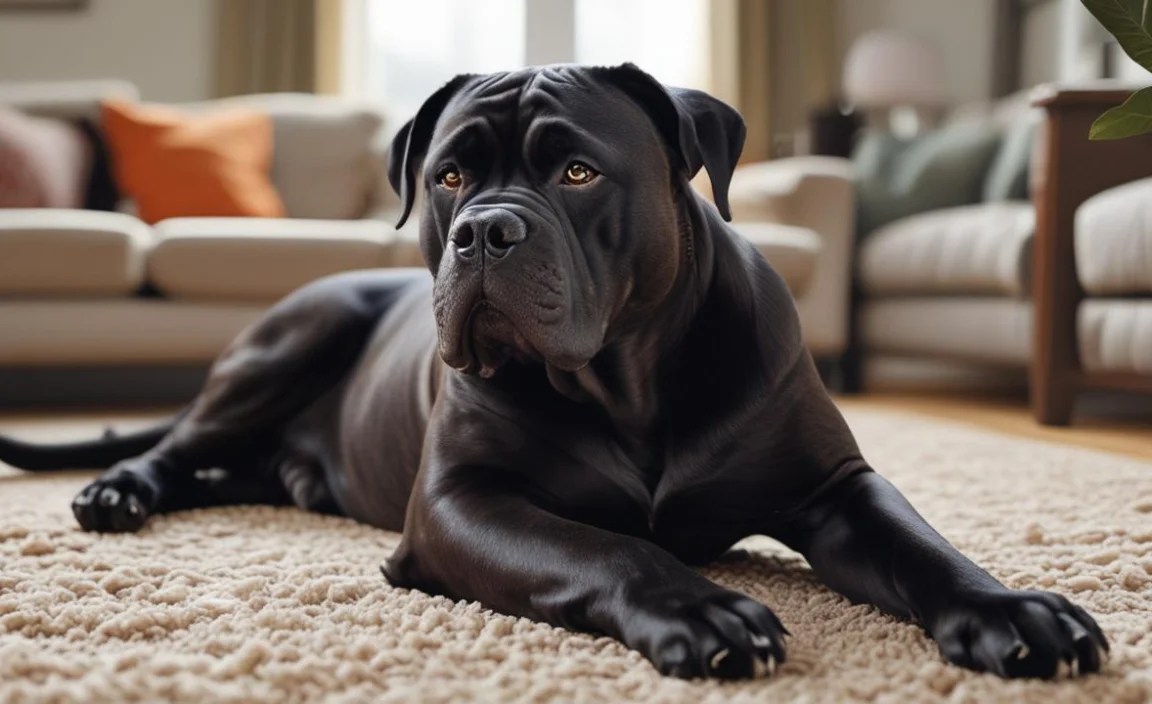
Cane Corsos, despite their imposing presence, are not typically hyperactive dogs. Bred as guardians and working dogs, their energy levels are often moderate rather than intense. However, they are intelligent and powerful animals who need regular physical and mental outlets to prevent boredom and potential destructive behaviors. Confining a dog of this breed with pent-up energy in an apartment can lead to frustration for both the dog and the owner. The key is consistency and variety in their exercise regimen.
For a Cane Corso, a good rule of thumb is to aim for about 1-2 hours of dedicated exercise per day. This doesn’t mean hour-long runs every single time, but rather a combination of activities that engage their bodies and minds. Understanding their breed history as guard dogs and farm workers can give us insight into why mental stimulation is just as crucial as physical exertion.
Key Components of Cane Corso Exercise:
- Physical Activity: This includes walks, runs, and active play.
- Mental Stimulation: Puzzle toys, training sessions, and scent games are excellent for this.
- Socialization: Controlled interactions with other dogs and people can be beneficial.
- Rest and Recovery: Allowing your dog ample time to rest is also important for their overall well-being.
The Importance of Outdoor Exercise

Outdoor exercise is non-negotiable for any dog, and it’s especially vital for large breeds like the Cane Corso living in an apartment. This is where they can truly expend energy, explore new scents, and experience the world outside their living space.
Daily Walking Routine: The Foundation
A structured daily walking routine is the cornerstone of keeping your Cane Corso happy and well-exercised in an apartment. Aim for at least two walks per day, each lasting between 20-45 minutes, depending on your dog’s age, health, and stamina. One longer walk and one shorter one can also work well.
- Morning Walk: Start the day with a brisk walk to help your dog relieve themselves and get their energy out before you head to work or start your day.
- Afternoon/Evening Walk: This walk can be more leisurely or include some training exercises, allowing your dog to unwind and socialize (if appropriate).
- Leash Manners are Crucial: Because of their size and strength, teaching your Cane Corso to walk politely on a leash is paramount. A strong puller can be a hazard, especially in urban environments.
Consider the environment you walk in. Bustling city streets offer more distractions and stimulation than a quiet park. Varying your routes can keep things interesting for your dog.
Beyond the Walk: Other Outdoor Activities
- Jogging/Running: Once your Cane Corso is fully grown (typically after 18-24 months, to protect their developing joints), jogging or running with them can be a fantastic way to provide intense cardiovascular exercise. Ensure you start slowly and gradually increase distance and intensity.
- Hiking: If you live near trails, hiking is an excellent way for your Cane Corso to explore and get a good workout. Always ensure your dog is on a leash and on safe terrain.
- Dog Parks (with caution): While some Cane Corsos enjoy dog parks, it’s crucial to assess the environment and the other dogs present. A poorly managed dog park can be stressful or dangerous. Ensure your dog has good social skills and is supervised closely.
- Swimming: Many Cane Corsos enjoy swimming. If you have access to a safe body of water, this can be a low-impact but highly effective form of exercise. Always supervise them.
Indoor Exercise and Mental Stimulation
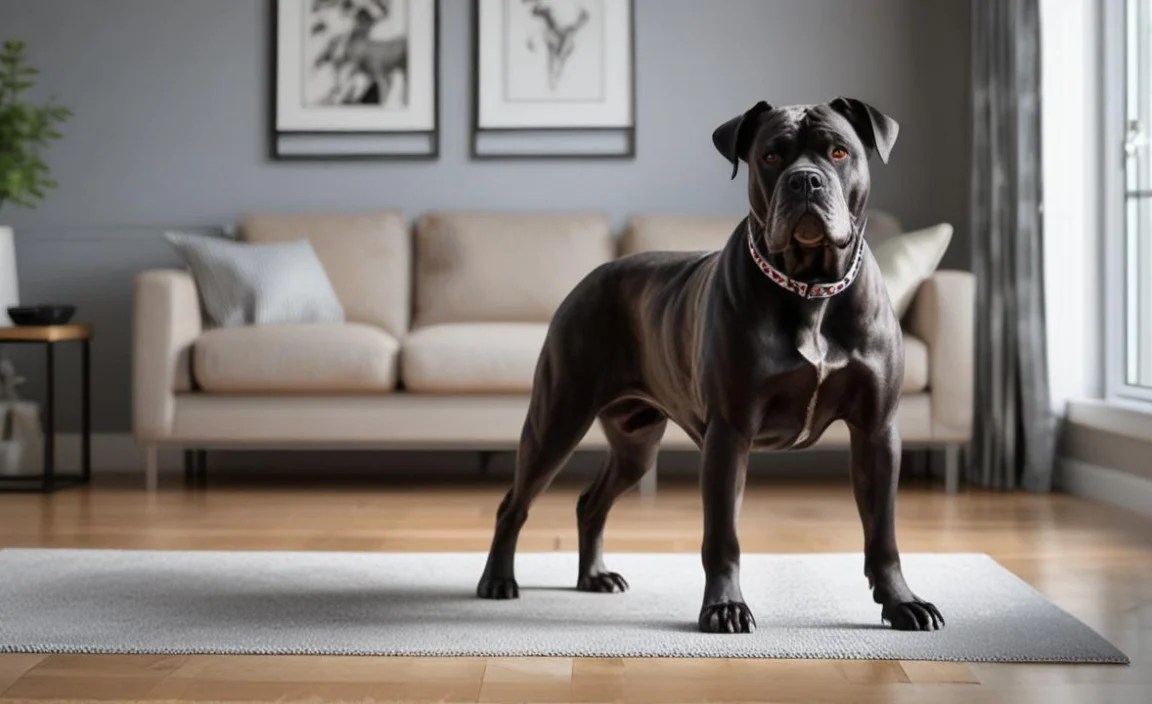
When the weather is poor, or you simply can’t get out for as long as you’d like, indoor activities become essential. Mental stimulation is just as important as physical exercise for preventing boredom and behavioral issues in intelligent breeds like the Cane Corso.
Engaging Indoor Games
- Fetch in the Hallway: If you have a long hallway, a soft toy can be a great way to play fetch indoors. Keep it low-key to avoid accidents.
- Tug-of-War: This can be a great way to burn energy and bond with your dog. Ensure you have clear rules, such as your dog releasing the toy when you say so, to maintain control.
- Hide-and-Seek: Have your dog stay while you hide a favorite toy or treat. Then, call them to find it. This engages their problem-solving skills and senses.
- “Find It” Scent Games: Sprinkle a few of your dog’s kibble around a room or several rooms and tell them “Find it!” This is a simple but effective way to get them to use their nose and burn some mental energy.
The Power of Puzzle Toys and Treat-Dispensing Gadgets
Puzzle toys are invaluable for apartment-dwelling Cane Corsos. They provide mental challenges and keep your dog occupied, especially when you’re busy or away from home. Look for toys that require your dog to manipulate them to get treats out.
Examples of Great Puzzle Toys:
- KONG Wobbler: A durable toy that dispenses treats as it rolls and wobbles.
- Interactive Treat Balls: Balls that release kibble or treats as they are rolled or nudged.
- West Paw Zogoflex Qwizl: This toy holds treats and can be stuffed for added difficulty.
- Outward Hound Hide-A-Squirrel: A plush toy with smaller squirrels hidden inside that your dog needs to extract.
Choosing the Right Puzzle Toy:
| Toy Type | Benefit | Considerations |
|---|---|---|
| Stuffer Toys (e.g., KONG) | Keeps dogs occupied for extended periods. | Requires time to fill and freeze for maximum challenge. |
| Dispensing Toys (e.g., Wobblers, Treat Balls) | Encourages active problem-solving. | May require supervision initially to ensure the dog doesn’t get frustrated. |
| Snuffle Mats | Engages natural foraging instincts. | Best for smaller amounts of kibble or treats, and requires supervision. |
Training: The Ultimate Mental Workout
Training sessions are not just for basic obedience; they are a fantastic form of mental exercise for your Cane Corso. Even 10-15 minutes of focused training can tire them out mentally.
- Basic Obedience: Reinforce commands like “sit,” “stay,” “come,” “down,” and “leave it.” This sharpens their focus and listening skills.
- Advanced Tricks: Teach them new tricks like “shake,” “roll over,” “play dead,” or “fetch a specific toy.” This keeps their minds engaged and strengthens your bond.
- Impulse Control: Exercises like waiting for a treat or waiting at doorways help build self-control, which is vital for a well-behaved dog in a confined space.
For more on effective training techniques, the American Kennel Club (AKC) offers comprehensive resources.
Health and Safety Considerations

When exercising a powerful breed like the Cane Corso, especially in a high-density living situation, health and safety must be top priorities.
Joint Health and Exercise Intensity
Cane Corsos are a large breed, and their joints are susceptible to issues like hip and elbow dysplasia. It’s crucial to manage exercise intensity, especially during their growth phases.
- Puppy Exercise: Avoid excessive forced exercise, like long runs or jumping, from puppies. Short, frequent play sessions are better.
- Adult Exercise: While adult Cane Corsos can handle more strenuous activity, always watch for signs of fatigue or discomfort. Pay attention to their gait and energy levels.
- Consult Your Vet: Always discuss your dog’s exercise plan with your veterinarian, especially if you notice any limping, stiffness, or reluctance to move. They can provide breed-specific advice and recommend supplements if needed.
According to the American Veterinary Medical Association (AVMA), appropriate exercise is key to maintaining a healthy weight, which in turn reduces stress on joints.
Leash Safety and Equipment
For apartment living, secure and appropriate gear is essential for safe outdoor excursions.
- Harness vs. Collar: A front-clip or no-pull harness can be very effective for managing Cane Corsos who tend to pull. It redirects their momentum without putting pressure on their throat like a collar can.
- Sturdy Leash: A standard 6-foot leash made of durable material is usually best. Avoid retractable leashes, as they offer less control and can be dangerous.
- Identification: Ensure your Cane Corso always wears a collar with up-to-date ID tags and is microchipped. This is crucial in case they ever get loose.
Recognizing Signs of Overexertion or Boredom
It’s vital to accurately read your dog’s signals to ensure they are getting the right amount and type of exercise.
Signs of Overexertion:
- Excessive panting
- Drooling heavily
- Slowed pace or lagging behind
- Stiff or sore movements
- Lethargy or collapse
Signs of Boredom/Under-stimulation:
- Destructive chewing
- Excessive barking or whining
- Pacing
- Digging
- Restlessness
- Nipping or jumping behavior
If you notice signs of boredom, it’s a clear indicator that you need to increase the mental and physical stimulation in your dog’s day. If you see signs of overexertion, it’s time to cool them down and re-evaluate the intensity or duration of their activity.
Integrating Exercise into Your Daily Apartment Routine

Making exercise a seamless part of your day is key to success. Here’s how to integrate it smoothly:
Morning Routine:
- First Thing: A short potty break immediately upon waking.
- Pre-Work/Activity Walk: A 20-30 minute brisk walk before you leave.
- Mid-day Break (if possible): If you work from home or have someone who can help, a brief mid-day walk or potty break is ideal.
Evening Routine:
- Post-Work/Activity: A 30-45 minute walk, potentially incorporating some training or a visit to a dog-friendly park.
- Dinner Time: Feed your dog after their walk to prevent bloat (a risk for deep-chested breeds like the Cane Corso).
- Wind-Down: A short training session or a puzzle toy to use up remaining energy before bedtime.
Weekend Flexibility:
Weekends offer a great opportunity for longer outings. Consider:
- Longer Hikes: Explore a local nature reserve or state park.
- Dog-Friendly Outings: Visit a brewery or cafe that allows dogs.
- Active Play Sessions: Dedicate time for extended fetch or flirt pole sessions.
- Social Playdates: Arrange controlled play sessions with known, well-behaved dogs.
Remember that consistency is more important than intensity. A predictable schedule helps your Cane Corso feel secure and understand when t


