Cane Corso exercise beginner tips are crucial for a well-behaved, healthy giant breed from puppyhood. Start with short, controlled sessions, gradually increasing duration and intensity. Focus on breed-appropriate activities like structured walks, controlled playtime, and mental stimulation to ensure your Cane Corso thrives.
Bringing a Cane Corso into your home is an exciting adventure! These majestic dogs are known for their loyalty and protective nature. However, they are also powerful giants who need proper exercise to stay happy and healthy. Many new Cane Corso owners wonder if they’re doing enough for their furry friend, or if their approach is right. It’s easy to feel overwhelmed with all the information out there, but don’t worry! This guide is designed to give you clear, simple steps to ensure your Cane Corso gets the exercise it needs, right from the start. We’ll break down exactly what your big dog needs and how to provide it, making it manageable and fun for both of you.
Understanding Cane Corso Exercise Needs for Beginners
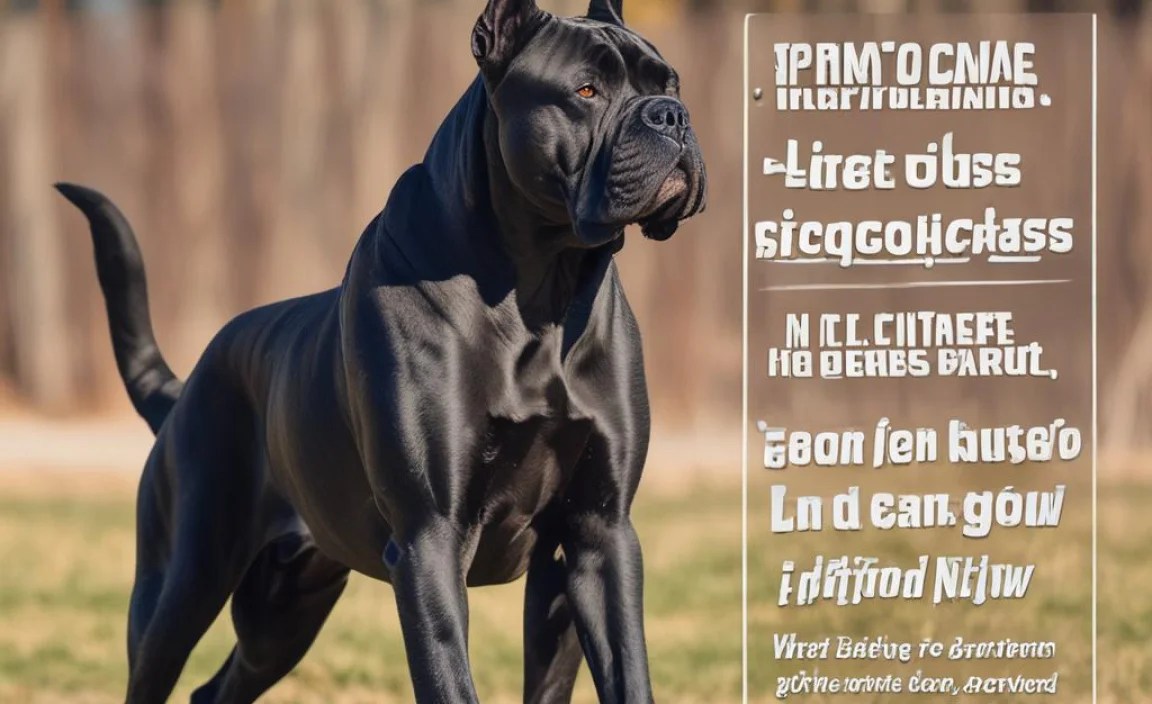
The Cane Corso is a large, athletic breed originally bred for work. This means they have a natural inclination for physical activity and mental engagement. For a beginner owner, understanding their specific needs is the first step to a well-adjusted dog. Ignoring their exercise requirements can lead to boredom, destructive behavior, and potential health issues. It’s not just about burning off energy; it’s about channeling their intelligence and strength positively.
Think of your Cane Corso like a powerful engine. Without regular maintenance and controlled use, that engine can sputter or even cause damage. Proper exercise is the fuel and the tune-up that keeps everything running smoothly. For a beginner, this means starting slow and building up, just like you would when beginning a new fitness routine yourself.
Why Breed-Specific Exercise Matters
Every dog breed is unique, and the Cane Corso is no exception. Their history as Roman war dogs and farm guardians has instilled in them a need for purpose and physical exertion. Unlike some smaller breeds that might be content with a quick romp in the yard, Cane Corsos benefit from activities that challenge their strength, stamina, and mind. Their powerful build means they can do a lot, but also that uncontrolled energy can be problematic. Understanding their background helps us understand their present needs.
For instance, an under-exercised Cane Corso might become anxious or overly protective, channeling their energy into behaviors you don’t want. Conversely, a well-exercised Cane Corso is often calmer, more confident, and more receptive to training. This is a breed that thrives on structure and engagement, and exercise is a cornerstone of that.
Getting Started: Essential Cane Corso Exercise Beginner Tips

When you first bring a Cane Corso puppy or an adult dog into your home, you need to ease them into an exercise routine. This is especially true for puppies, whose bones and joints are still developing. Over-exercising a young Cane Corso can lead to serious long-term health problems. The key is consistency, moderation, and variety.
Age-Appropriate Exercise: The Golden Rules
This is perhaps the most critical piece of advice for new Cane Corso owners. Puppies have delicate growth plates that can be easily damaged by too much strenuous activity. A common guideline for impact exercises (like long runs or jumping) is the “5-minute rule” per month of age, per session, up to twice a day. For example, a 4-month-old puppy could handle roughly 20 minutes of moderate exercise. Adult Cane Corsos, however, generally need much more.
Here’s a quick breakdown:
- Puppies (under 12 months): Focus on short, frequent play sessions and gentle walks. Avoid long hikes, jumping from heights, or repetitive strenuous activities.
- Adolescents (12-24 months): Gradually increase the duration and intensity of exercise. They are building strength and stamina now, but still need to be monitored.
- Adults (2+ years): Can handle more vigorous and longer exercise routines, but always listen to your dog’s signals and adjust as needed.
The Importance of Controlled Walks
Walking is fundamental for any dog, but for a Cane Corso, it’s a vital training and bonding opportunity. A leash walk isn’t just about letting your dog relieve themselves; it’s about teaching them polite leash manners and exposing them to the world in a structured way. For a beginner, this means starting with short walks in quiet areas.
Key elements of a good walk:
- Leash Manners: Teach your dog to walk beside you without pulling. This requires patience and consistent training.
- Socialization: Expose your dog to different sights, sounds, and smells on walks, but do so in a controlled manner, especially if they are nervous or young.
- Consistency: Aim for at least two walks per day.
You can find great resources on leash training techniques from organizations like the American Kennel Club (AKC). They offer practical tips for building loose-leash walking skills.
Structuring Your Cane Corso’s Exercise Routine
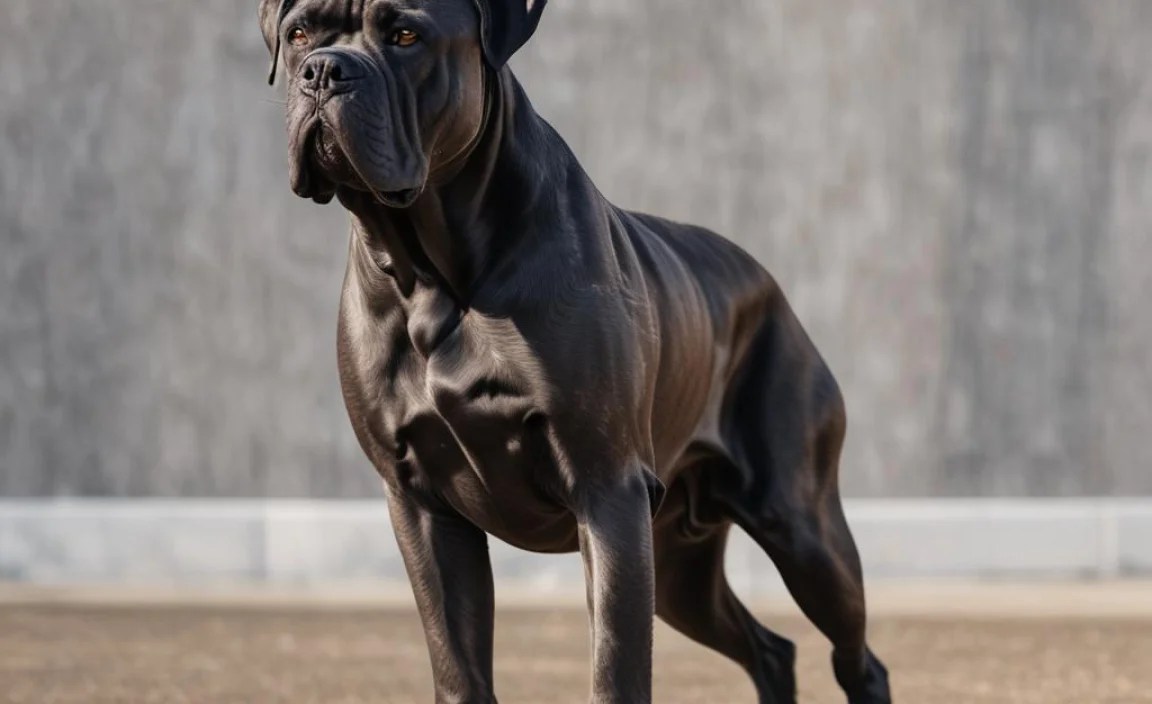
A balanced exercise routine for a Cane Corso involves more than just daily walks. It should include a mix of physical activity, mental stimulation, and controlled playtime. For beginners, creating a predictable routine can make management much easier and set your dog up for success.
Physical Activities: Beyond the Basic Walk
While walks are essential, they are only one piece of the puzzle. Cane Corsos have the stamina and strength to enjoy more involved activities.
1. Jogging and Hiking (for Adolescents/Adults)
Once your Cane Corso is physically mature (after 18-24 months for more strenuous activity), controlled jogging or hiking can be excellent. Start with short distances on soft surfaces like trails rather than pavement, which can be hard on their joints. Always carry water for both you and your dog.
Beginner’s Hiking/Jogging Checklist:
- Dog is physically mature (over 18-24 months).
- Start with 15-30 minute sessions.
- Choose trails over pavement.
- Bring water and a collapsible bowl.
- Monitor for signs of fatigue (excessive panting, lagging behind).
2. Fetch and Tug-of-War
These are fantastic for burning energy and building a bond. With fetch, keep the distances moderate, especially for younger dogs. For tug-of-war, teach your dog a “drop it” command and ensure they understand that you initiate and end the game. This channelss their prey drive in a controlled way.
3. Agility and Dog Sports (Future Considerations)
While not for absolute beginners to jump into immediately, activities like agility, obedience, or even protection sports (handled by professionals) can be incredibly fulfilling for a Cane Corso. They utilize both their body and their brain. It’s something to consider as your dog matures and your confidence grows.
Mental Stimulation: The Brain Game
A tired body is great, but a tired mind is even better for a calm dog. Mental stimulation is crucial for intelligent breeds like the Cane Corso and can significantly reduce boredom and anxiety. It’s as important as physical exercise!
- Puzzle Toys: Food-dispensing toys and puzzles require your dog to work for their treats, engaging their problem-solving skills.
- Training Sessions: Short, daily training sessions working on basic commands or new tricks are excellent mental workouts. Even 5-10 minutes can make a difference.
- Nose Work: Hide treats around the house or yard and encourage your dog to find them. This taps into their natural scenting abilities.
- Chew Toys: Provide safe, durable chew toys. The act of chewing can be a stress reliever and mentally engaging.
A durable chew toy can be a lifesaver. Brands like Nylabone offer tough options suitable for powerful chewers. Always supervise your dog with new toys to ensure they don’t ingest pieces.
Mental stimulation can tire a dog out just as much, if not more, than physical exercise. For example, a 15-minute training session can be as mentally exhausting for a dog as a 30-minute walk.
Playtime with Other Dogs (Carefully Managed)
Socializing your Cane Corso with other dogs is important, but it needs to be managed carefully, especially given their size and strength. Introduce them to calm, well-behaved dogs in controlled environments. Dog parks can be overwhelming, so one-on-one playdates with known dogs are often a better starting point for beginners.
Tips for Playdates:
- Start in a neutral, fenced location.
- Keep initial sessions short (15-30 minutes).
- Supervise closely for any signs of overstimulation or aggression (from either dog).
- Ensure the other dog is vaccinated and healthy.
Tools and Gear for Cane Corso Exercise

Having the right gear makes exercising your Cane Corso safer and more enjoyable. For a powerful breed like the Cane Corso, durability and control are key.
Leashes and Collars/Harnesses
For walks, a strong, non-retractable leash is recommended. Retractable leashes offer less control and can be dangerous. For collars, a flat buckle collar with an ID tag is standard. Many owners prefer a well-fitting harness for better control and to avoid pressure on the dog’s throat, especially during training. Front-clip harnesses can be particularly helpful for dogs that pull.
Recommended Gear Types
- Leashes: 6-foot, durable nylon or leather lead.
- Collars: Flat buckle collar (martingale collars can be an option for escape artists, but require careful fitting).
- Harnesses: Front-clip or back-clip harnesses designed for larger, stronger breeds. Look for padded options for comfort.
A reputable brand for harnesses is Ruffwear, known for its durable and comfortable designs. For training, consider a head halter or a front-clip harness, always introduced gently and positively.
Water and Safety Gear
When you’re out and about, especially for longer excursions, always bring water and a way to give it to your dog. Collapsible bowls are lightweight and easy to carry. In warmer weather, be mindful of heatstroke. For nighttime walks, reflective gear for both you and your dog enhances visibility and safety.
Exercise Safety Essentials
- Collapsible water bowl
- Plenty of fresh water
- Reflective leash, collar, or vest
- First-aid kit (for longer outings)
Treats for Training
High-value training treats are essential for rewarding good behavior during walks and training sessions. Small, soft, and easily digestible treats work best.
Common Beginner Mistakes and How to Avoid Them

Even with the best intentions, new owners can make common mistakes. Awareness is the first step to avoiding them.
Mistake 1: Too Much, Too Soon
As mentioned, puppies and even young adolescents are prone to injury from excessive exercise. Always err on the side of caution. Consult your veterinarian about appropriate exercise levels for your dog’s age and breed. They can provide breed-specific advice based on your dog’s individual health.
Mistake 2: Neglecting Mental Stimulation
Focusing only on physical exhaustion won’t address behavioral issues stemming from boredom or a lack of mental engagement. A dog that is physically tired but mentally bored can still develop destructive habits.
Mistake 3: Lack of Consistency
Sporadic exercise routines can be less effective than regular, consistent efforts. Try to establish a daily schedule for walks and playtime that you can stick to.
Mistake 4: Ignoring Your Dog’s Cues
Learn to read your dog’s body language. Excessive panting, lagging behind, lying down, or a tucked tail can all indicate that your dog is tired or uncomfortable. Pushing them too hard can be detrimental.
Mistake 5: Uncontrolled or Unsupervised Outings
Letting your dog off-leash in unsecured areas or allowing boisterous play with unknown dogs can lead to dangerous situations. Start with controlled environments until your dog’s training and temperament are well-established.
A Sample Beginner Exercise Schedule
This is a template and should be adjusted based on your specific dog’s age, energy level, and health. Always consult your veterinarian for personalized advice.
For a Cane Corso Puppy (Approx. 6-12 months)
Morning:
- 5-10 minute potty break and short walk (expose to neighborhood sights and sounds).
- 5-10 minute training session (basic commands, “sit,” “stay,” “come”).
- Gentle play in the yard.
Afternoon:
- 10-15 minute walk – focus on loose-leash walking; explore a different, quiet route.
- 10 minute puzzle toy or treat dispensing activity.
Evening:
- 5-10 minute potty break.
- Short, gentle play session before bedtime.
Remember the 5-minute rule per month of age, twice a day for structured physical activity like walks.
For an Adult Cane Corso (2+ years)
Morning:
- 20-30 minute brisk walk – focus on pace and covering ground.
- 10-15 minute training session (e.g., practicing obedience, learning a new trick).
- Free play in a secured yard (supervised).
Afternoon:
- 20-30 minute walk or a dedicated play session (e.g., controlled fetch).
- Mental Stimulation: 15-20 minutes with puzzle toys, scent games, or a durable chew.
Evening:
- 15-20 minute evening walk, potentially a more relaxed pace.
- 10-15 minute calm training session or gentle play before settling down.
Total daily exercise for an adult Cane Corso can range from 60-120 minutes of physical activity, plus significant mental stimulation.
When to Consult a Professional
As a beginner owner, it’s wise to know when to seek expert advice. If you’re struggling with leash pulling, reactivity, or your dog seems unusually lethargic or hyperactive despite your efforts, consulting a professional can be invaluable. A certified professional dog trainer or a veterinary behaviorist can help diagnose issues and create a tailored plan for your Cane Corso.
Organizations like the Certification Council for Professional Dog Trainers (CCPDT) offer directories to find qualified trainers in your area. They can also advise on specific exercises that are beneficial or should be avoided based on your dog’s individual needs and any pre-existing conditions.
Conclusion
Establishing a consistent and appropriate exercise routine is one of the most rewarding aspects of owning a Cane Corso. By understanding your dog’s breed-specific needs and starting with beginner-friendly approaches, you can build a strong foundation for a happy, healthy, and well-behaved companion. Remember the importance of age-appropriateness, mental stimulation, and consistency. Don’t be afraid to seek professional guidance when needed. With patience, understanding, and the right approach, you and your Cane Corso will enjoy many years of active adventures together!
Frequently Asked Questions
Q1: How much exercise does a Cane Corso puppy need daily?
A1: For puppies, follow the rule of 5 minutes of structured exercise per month of age, up to twice a day. For example, a 4-month-old puppy might need around 20 minutes of brisk walking or active play twice daily. Always focus on controlled, gentle activity and avoid overexertion to protect their growing joints.
Q2: Can I take my Cane Corso for a long run if they are an adult?
A2: Yes, mature adult Cane Corsos (over 18-24 months) can often handle longer runs. Start with shorter distances on softer surfaces like trails and gradually increase duration. Always carry water and monitor your dog for signs of fatigue. Pavement can be hard on their joints, so use it sparingly.
Q3: What are the signs my Cane Corso is getting too much exercise?
A3: Signs include excessive panting, lagging behind on walks, reluctance to move, extreme fatigue after activity, stiff gait, or lameness. If you notice these, reduce the intensity and duration of exercise and consult your veterinarian if symptoms persist.
Q4: Is mental stimulation as important as physical exercise for a Cane Corso?
A4: Absolutely. Mental stimulation is crucial for intelligent breeds like the Cane Corso. It helps prevent boredom, reduces anxiety, and can curb destructive behaviors. Activities like puzzle


