Cane Corso exercise and diet are perfectly matched when you understand their nutritional needs and energy levels, ensuring a healthy, happy giant breed.
Cane Corsos are magnificent, powerful dogs. They need just the right fuel to support their impressive physique and active lifestyle. Think of it like this: a high-performance car needs premium gasoline, and your Cane Corso needs a well-balanced diet tailored to their size and energy output. When their exercise routine and food align, you’ll see a noticeable difference in their overall health and happiness. It’s not just about avoiding problems; it’s about unlocking their best potential. Let’s dive into how to achieve that perfect synergy between exercise and diet.
Understanding the Cane Corso’s Needs
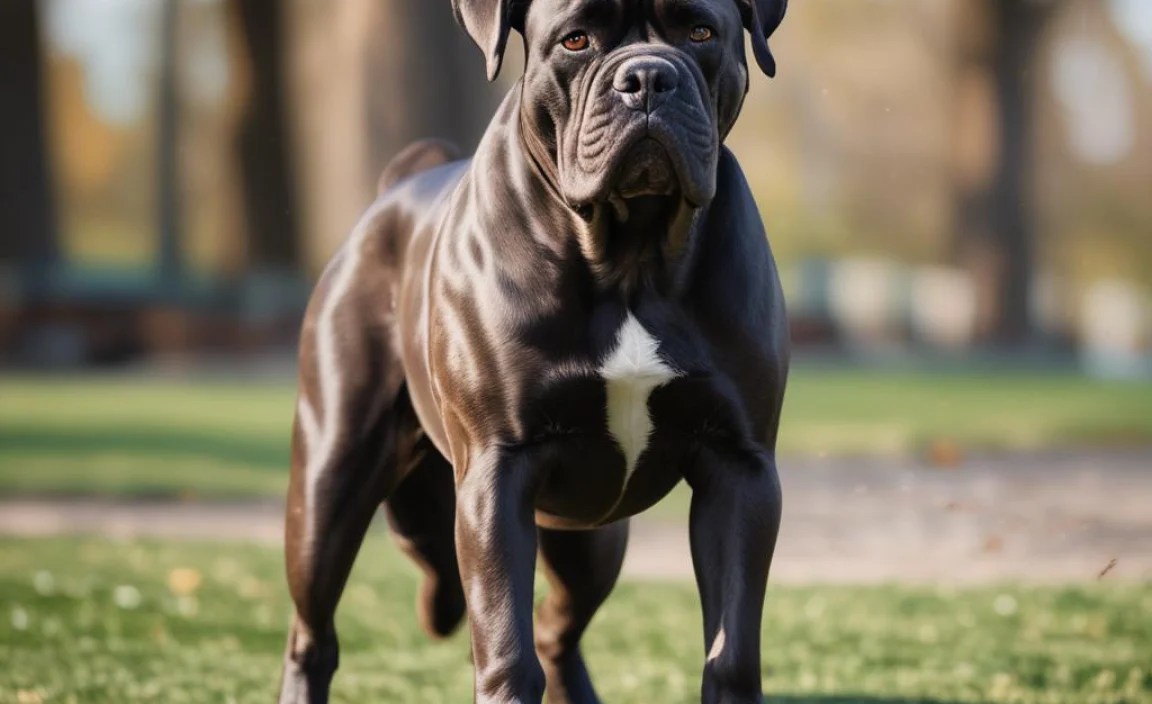
Before we talk about specific foods or exercises, it’s crucial to grasp what makes a Cane Corso unique. These dogs are known for their loyal nature, protective instincts, and substantial build. They aren’t a breed that thrives on minimal activity or a “one-size-fits-all” diet. Their health and well-being are a direct result of careful management of both their physical and nutritional needs.
Size Matters: The Impact of a Giant Breed
As a giant breed, Cane Corsos have different nutritional requirements than smaller dogs. Their growth rate is rapid, and this period requires a carefully controlled diet to prevent developmental orthopedic diseases like hip and elbow dysplasia. This means focusing on appropriate calcium-to-phosphorus ratios and ensuring they don’t grow too quickly. Even as adults, their large frame means they require more calories but also need balanced nutrition to maintain lean muscle mass and healthy joints.
Energy Levels and Lifestyle
Cane Corsos are generally active dogs, especially when young. They were originally bred as guard dogs and companions, and they possess a natural inclination to be alert and engaged. This means they need regular, substantial exercise to stay physically and mentally fit. Without adequate exercise, they can become bored, leading to potential behavioral issues. Equally, if they are over-exercised without proper caloric intake, they can become depleted. Finding the sweet spot is key.
The Link Between Exercise and Diet
Think of exercise and diet as two sides of the same coin for your Cane Corso.
- Exercise burns calories: This helps maintain a healthy weight, preventing obesity, which is detrimental to a giant breed’s joints.
- Diet provides energy: The right food gives your dog the fuel they need to perform during exercise and recover afterward.
- Nutrients support recovery: Proteins, healthy fats, and specific supplements can aid muscle repair and joint health.
- Balanced diet prevents deficiencies: Ensuring all nutritional needs are met supports overall health, from coat shine to immune function.
Without a balanced diet, consistent exercise can lead to muscle fatigue or nutrient deficiencies. Conversely, an excellent diet won’t prevent health issues if the dog is sedentary and gains too much weight.
Essential Cane Corso Diet Secrets
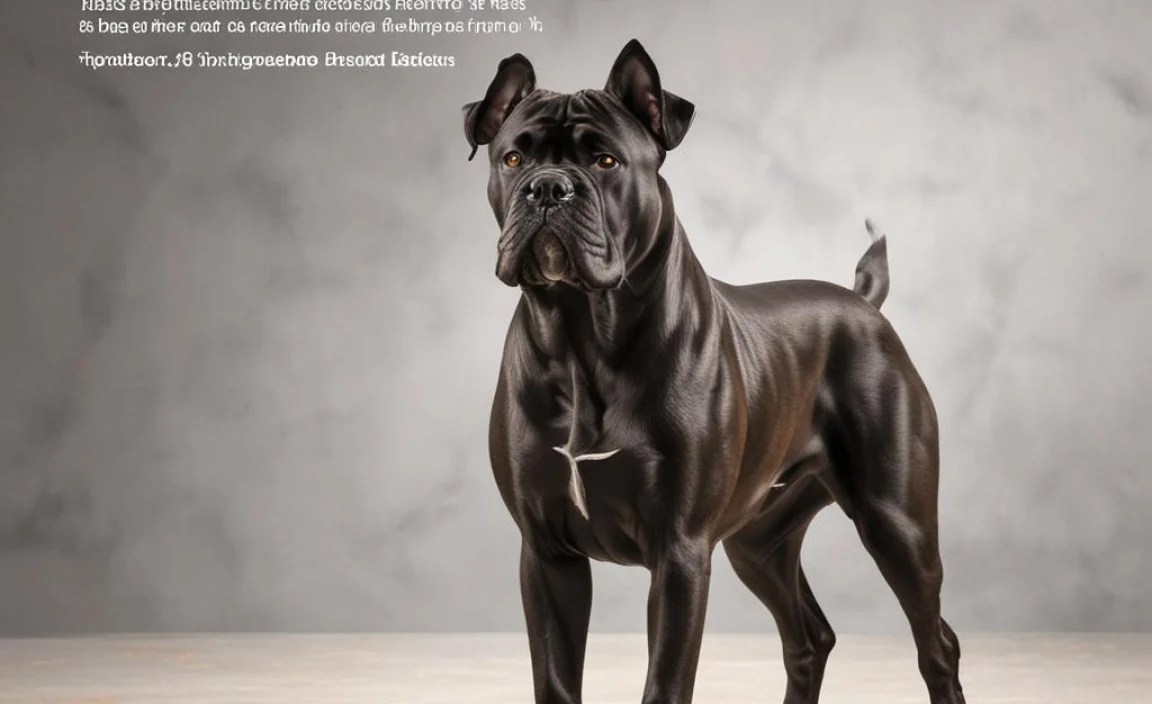
Feeding your Cane Corso the right food is paramount. It goes beyond just filling a bowl; it’s about providing the building blocks for a long, healthy, and active life.
Choosing the Right Food Formula
When selecting commercial dog food for your Cane Corso, look for brands that specialize in large breeds. These formulas are typically designed with:
- Appropriate protein levels: Aim for high-quality protein sources like chicken, beef, lamb, or fish. The protein content should generally be between 22% and 26% for adult dogs, with a fat content of around 12% to 16%. Puppies will need higher percentages, but it’s crucial they come from a reputable large-breed puppy formula to manage growth.
- Controlled calcium and phosphorus: As mentioned, this is critical for proper bone development in large breeds. The ratio is as important as the absolute amount.
- Glucosamine and chondroitin: These are joint-supporting supplements that can be beneficial for large, active breeds prone to joint issues.
- Omega-3 and Omega-6 fatty acids: These promote healthy skin and a shiny coat, and also have anti-inflammatory benefits.
Always check the ingredients list. The first few ingredients should be named meat sources, not fillers like corn, wheat, or soy, which can be common allergens for some dogs.
The Role of Kibble vs. Wet Food vs. Raw
Each feeding method has its pros and cons for a Cane Corso:
Kibble (Dry Food)
Kibble is the most common and convenient option. It’s shelf-stable, easy to measure, and can help clean teeth. For a Cane Corso, choose a high-quality kibble formulated for large breeds.
- Pros: Convenient, long shelf life, cost-effective, aids dental hygiene.
- Cons: Can be highly processed, might contain lower-quality ingredients if not chosen carefully, less palatable for some dogs.
Wet Food (Canned Food)
Wet food is more palatable and contains higher moisture content, which can be good for hydration. It can be used as a topper or a full meal.
- Pros: Highly palatable, good moisture content, can be beneficial for picky eaters or dogs with dental issues.
- Cons: More expensive, shorter shelf life once opened, can contribute to dental issues if not supplemented with dental care.
Raw Diet (BARF – Biologically Appropriate Raw Food)
A raw diet typically consists of raw meat, bones, organs, and sometimes vegetables. It’s a more natural approach that proponents claim leads to better health, including shinier coats and improved digestion. However, it requires careful planning to ensure nutritional balance and carries risks of bacterial contamination.
- Pros: Can lead to improved digestion, dental health, and coat condition; seen as more natural.
- Cons: Risk of bacterial contamination (Salmonella, E. coli) for both dog and humans, requires meticulous balancing of nutrients, can be expensive and time-consuming to prepare, potential for bone fragments causing injury.
For beginners, transitioning to a raw diet is not recommended without significant research and potentially veterinary consultation. A high-quality kibble or a mix of kibble and wet food is often the most practical and safest starting point.
Portion Control: The Key to Healthy Weight
Obesity is a serious threat to any dog, but especially to giant breeds like the Cane Corso. Excess weight puts immense strain on their joints, heart, and organs. Two factors are critical here:
- Follow feeding guidelines: Start with the recommended portion size on the dog food packaging, but remember these are just guidelines.
- Monitor your dog’s body condition: You should be able to feel your dog’s ribs easily with gentle pressure, without seeing them prominently. Their waist should be clearly visible when viewed from above.
A good rule of thumb is to feed your Cane Corso twice a day, splitting their total daily caloric intake into two meals. For example, a moderately active 100-pound Cane Corso might need around 1500-2000 calories per day, but this varies greatly by age, activity level, and metabolism. It’s always best to consult your veterinarian for a precise caloric recommendation.
Hydration: The Unsung Hero
Water is essential for every bodily function, from digestion and nutrient absorption to temperature regulation. Ensure your Cane Corso always has access to fresh, clean water.
- Multiple water bowls: Place bowls in different locations around your home and yard.
- Cleanliness: Wash water bowls daily to prevent bacteria buildup.
- During exercise: Always bring water on walks or during play sessions, especially in warm weather.
Treats: Use Them Wisely
Treats are great for training and bonding, but they can quickly add up in calories.
- Low-calorie options: Opt for small, healthy treats like freeze-dried liver, small pieces of lean cooked chicken, or commercial low-calorie dog treats.
- Portioning: Treat calories should make up no more than 10% of your dog’s daily caloric intake.
- Healthy alternatives: Small pieces of carrot, apple (seeds removed), or green beans can be surprisingly effective and healthy treats.
Essential Cane Corso Exercise Strategies
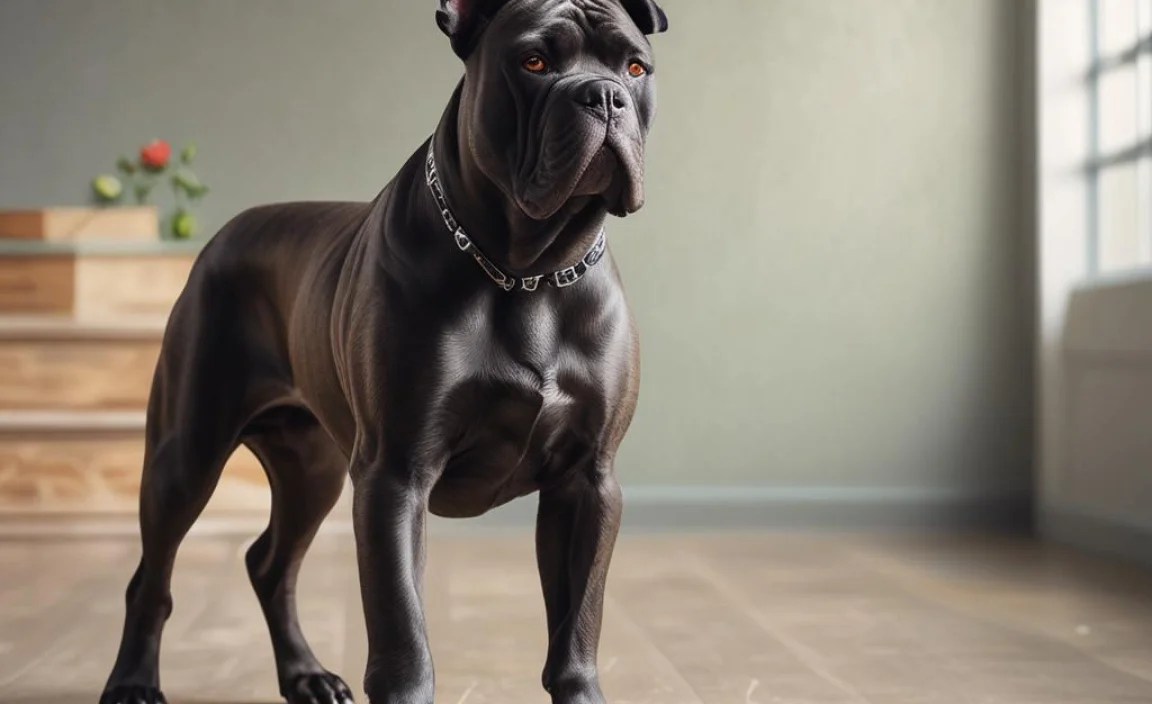
A well-exercised Cane Corso is a happy and well-behaved Cane Corso. Their exercise needs are substantial but varied.
Age-Appropriate Exercise
The amount and intensity of exercise should change as your Cane Corso grows.
Puppies (Up to 18-24 months)
Puppy exercise should focus on gentleness to protect their developing joints and bones. Over-exercising a Cane Corso puppy can lead to lifelong joint problems.
- Short, frequent sessions: Aim for around 5 minutes of structured exercise per month of age, twice a day. So, a 4-month-old puppy gets about 20 minutes of structured exercise daily.
- Free play: Allow plenty of supervised free play in a safe, enclosed area.
- Socialization: Focus on positive socialization experiences with other vaccinated, well-behaved dogs.
- Avoid: Long runs, strenuous agility work, or excessive jumping.
Adults (18-24 months to 7-8 years)
Adult Cane Corsos have significant energy that needs an outlet. They thrive on daily activity.
- Daily walks: At least two 30-60 minute walks per day are essential. These can vary in intensity.
- Mental stimulation: Include puzzle toys, training sessions, or scent games to work their minds.
- Off-leash time: In securely fenced areas, allow them to run and play fetch.
- Varied activities: Mix up walks with hikes, swimming (if they enjoy it), or other dog-friendly sports.
Seniors (7-8+ years)
As Cane Corsos age, their exercise needs decrease, but they still require daily movement to maintain joint health and mental sharpness.
- Shorter, slower walks: Gentle, shorter walks multiple times a day can be beneficial.
- Low-impact activities: Gentle swimming or controlled leash walking is ideal.
- Focus on comfort: Avoid strenuous activity. Observe your dog for signs of fatigue or discomfort.
- Consult your vet: Discuss specific senior exercise plans and potential supportive therapies like joint supplements.
Types of Exercise
Variety is key to keeping your Cane Corso engaged and fit.
Structured Walks
Leash walks are fundamental. They provide physical exercise and mental stimulation by exposing your dog to new sights, sounds, and smells. A brisk pace helps burn calories effectively.
Fetch and Playtime
Games like fetch, tug-of-war (with rules!), and general free play in a safe yard are excellent for burning energy and building your bond. Ensure toys are durable for their strong jaws.
Swimming
Many Cane Corsos enjoy swimming, and it’s a fantastic low-impact exercise that’s easy on their joints. Make sure your dog is safe around water and supervise them closely. Introduce them gradually.
Hiking
For more adventurous owners, hiking can be a great way to challenge your Cane Corso and explore new environments. Ensure they are on a leash, carry plenty of water for both of you, and are aware of local leash laws and trail etiquette.
Agility and Other Dog Sports
While some agility work can be intense, low-impact or foundation training can be very beneficial for mental stimulation and physical conditioning, especially for younger adults. Always ensure proper technique and avoid anything that strains developing joints.
Mental Stimulation: Just as Important as Physical Exercise
A bored Cane Corso can be a destructive Cane Corso. Mental fatigue is just as important as physical exhaustion.
- Puzzle toys: Food-dispensing toys that require your dog to work for their treats or kibble.
- Scent games: Hiding treats or toys around the house or yard and letting your dog sniff them out.
- New environments: Regularly exposing them to new places and experiences.
- Training sessions: Short, consistent training sessions reinforce good behavior and engage their minds.
You can find excellent interactive and puzzle toys on websites like Chewy, which offers a wide variety of options to keep your Cane Corso mentally stimulated.
Sample Exercise and Diet Plan for an Adult Cane Corso

This is a sample plan and should be adjusted based on your individual dog’s needs, energy levels, and veterinary advice.
Daily Routine (Adult, Moderately Active)
| Time | Activity | Notes |
|---|---|---|
| 7:00 AM | Morning walk | 30-45 minutes brisk walk. |
| 7:45 AM | Breakfast | Measure out appropriate portion of high-quality large-breed kibble (e.g., 2-3 cups, depending on calorie density). |
| 10:00 AM | Mental Stimulation | Puzzle toy with a few kibbles or a high-value treat. |
| 12:00 PM | Potty Break & Short Play | Quick backyard play or release. |
| 3:00 PM | Afternoon Walk/Activity | 45-60 minute walk, hike, or vigorous playtime in a secure area. Could include fetch. |
| 6:00 PM | Dinner | Measure out second portion of kibble. |
| 8:00 PM | Training Session/Chill Time | 10-15 minute training session or quiet downtime. |
| 10:00 PM | Final Potty Break | Ensure last opportunity for elimination. |
Important Notes:
- Hydration: Fresh water available at all times.
- Treats: Use sparingly during training or as rewards, ensuring they are accounted for in total daily calorie intake.
- Flexibility: Adjust exercise duration and intensity based on weather, your dog’s energy, and any signs of fatigue or soreness.
- Veterinary Consultation: This plan is a template. Always consult your veterinarian for personalized dietary and exercise recommendations for your specific Cane Corso. This is especially true for managing any existing health conditions.
According to experts at the American Kennel Club (AKC), responsible Cane Corso ownership includes understanding their specific needs for a balanced lifestyle. They emphasize consistent training, appropriate socialization, and a diet and exercise regimen that supports their robust build.
Common Diet & Exercise Mistakes to Avoid

Even with the best intentions, owners can make errors that impact their Cane Corso’s health.
Mistake 1: Free-Feeding
Leaving food out all day for a Cane Corso often leads to overeating and obesity. It also makes it difficult to monitor how much your dog is actually consuming. Scheduled meal times are best for portion control and digestive health.
Mistake 2: Over-Exercising Especially in Puppies
As highlighted, too much strenuous activity for young, growing Cane Corsos can permanently damage their developing joints. Always err on the side of caution with puppies and junior dogs.
Mistake 3: Underestimating Mental Stimulation
A dog that’s physically tired but mentally bored can still be a handful and prone to anxiety or destructive behaviors. Ensure you’re providing ample mental challenges.
Mistake 4: Incorrect Food Choices
Feeding a generic adult dog food or one not formulated for large breeds can lead to nutritional deficiencies or excesses that negatively impact bone growth, joint health, and overall well-being.
Mistake 5: Ignoring Body Condition
Owners might not realize their dog is overweight until it becomes a significant problem. Regularly assessing your dog’s body condition score and adjusting food/exercise accordingly is crucial.
Frequently Asked Questions about Cane Corso Exercise and Diet
Q1: How much should I feed my Cane Corso puppy?
For puppies, follow a high-quality large-breed puppy formula’s feeding guidelines. It’s crucial to ensure they grow at a controlled rate to prevent developmental orthopedic diseases. Consult your veterinarian for specific portion sizes and a feeding schedule.
Q2: Can my Cane Corso eat human food?
While some human foods are safe in moderation (e.g., small amounts of cooked, unseasoned chicken or carrots), many are toxic or unhealthy for dogs. Always research before sharing. It’s best to stick to dog-specific food and treats to maintain nutritional balance.
Q3: What are the signs my Cane Corso needs more or less exercise?
Signs they need more exercise include restlessness, destructiveness, excessive barking, or weight gain. Signs they need less exercise include excessive panting, lagging behind during walks, limping


