Bolded Quick Summary: Provide your Cane Corso with at least 1-2 hours of daily exercise, combining physical activity like walks and runs with mental stimulation through training and puzzle toys. This tailored approach ensures a happy, healthy, and well-behaved Italian Mastiff, satisfying their energetic nature and preventing destructive behaviors.
Cane Corso Exercise: The Essential Community Guide for a Happy Mastiff
Are you new to the magnificent world of Cane Corsos? These powerful yet gentle giants are known for their loyalty and protective instincts. But with their impressive size comes a significant need for exercise. Without enough activity, a bored Cane Corso can become anxious or even destructive. Many new owners wonder, “Just how much exercise does my Cane Corso really need?” It’s a common puzzle, but the solution is simpler than you might think! This guide is built by experienced Cane Corso lovers to help you understand and meet your majestic dog’s exercise needs, ensuring a harmonious life together. Get ready to discover the perfect exercise routine for your loyal companion!
Understanding Your Cane Corso’s Exercise Requirements

Cane Corsos are large, athletic dogs originally bred for guarding and work. This heritage means they have a natural inclination for activity and a robust energy reserve. Understanding their breed-specific needs is the first step to providing them with adequate exercise. They aren’t lapdogs; they thrive on purpose and engagement. Ignoring their need for physical and mental stimulation can lead to a range of behavioral issues, from excessive barking and chewing to more serious anxiety-related problems.
Think of their exercise needs as a balance between physical exertion and mental challenges. A purely physical routine might tire them out, but it won’t satisfy their intelligent minds. Conversely, a lot of mental work without enough physical outlet can still leave them restless. The goal is to create a comprehensive exercise plan that addresses both aspects, leading to a well-rounded, content Cane Corso.
Why is Exercise So Crucial for Cane Corsos?
For a breed like the Cane Corso, exercise is not just about preventing mischief; it’s fundamental to their overall well-being. Here’s why it’s a top priority:
- Physical Health: Regular activity helps maintain a healthy weight, strengthens muscles and joints, and supports cardiovascular health. This is particularly important for large breeds prone to conditions like hip and elbow dysplasia.
- Mental Stimulation: A bored dog is an unhappy dog. Exercise, especially when it involves training or problem-solving, keeps their minds sharp and engaged. This prevents boredom-related behaviors like destructive chewing or excessive vocalization.
- Behavioral Balance: Sufficient exercise is a natural mood booster for dogs. It helps release pent-up energy, leading to a calmer, more relaxed dog at home. This makes them easier to manage and interact with.
- Bonding: Engaging in activities with your Cane Corso strengthens your relationship. It builds trust and communication, fostering a deeper connection between you and your furry family member.
- Socialization Opportunities: Many exercise activities, like walks in parks or dog-friendly cafes, provide opportunities for your Cane Corso to interact with other dogs and people, which is vital for their social development.
How Much Exercise Does a Cane Corso Need Daily?
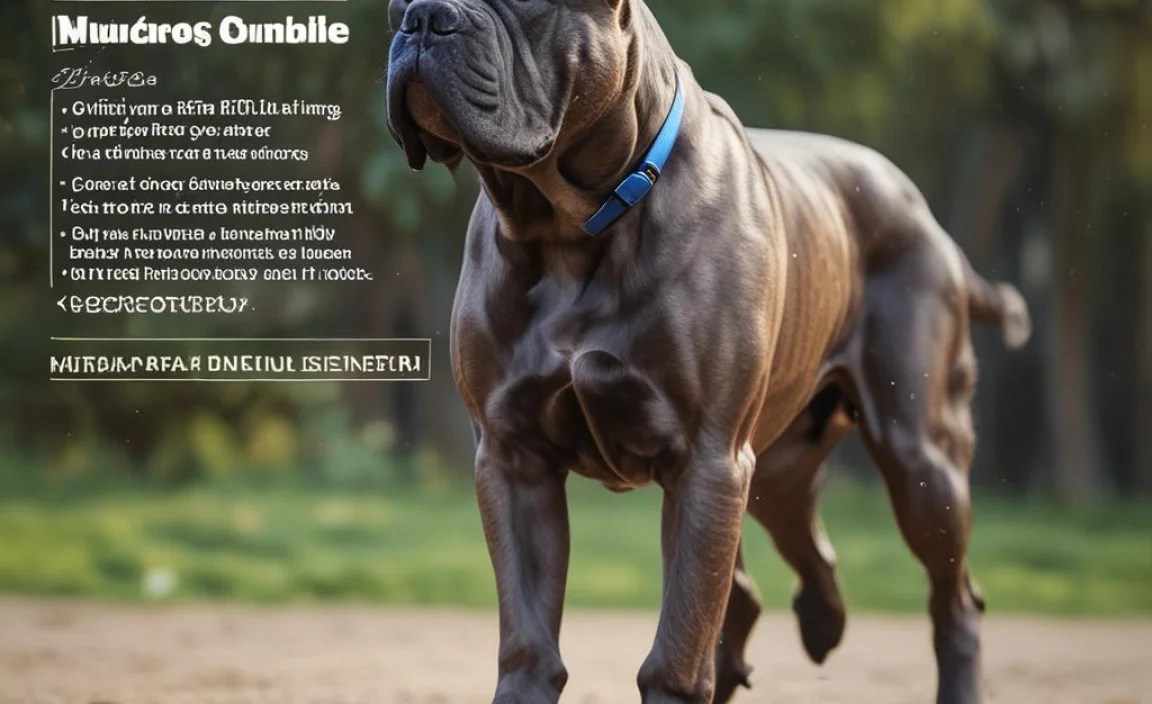
The general consensus among Cane Corso enthusiasts and veterinarians is that an adult, healthy Cane Corso requires a minimum of 60 to 120 minutes (1 to 2 hours) of exercise per day. This might seem like a lot, but it’s essential for managing their energy levels and preventing behavioral issues.
This daily exercise should ideally be broken down into several sessions throughout the day to keep them engaged and prevent fatigue. For example:
- A brisk morning walk (30-45 minutes)
- A shorter midday potty break with some playtime
- An evening walk or more vigorous activity (30-60 minutes)
It’s important to remember that this is a guideline. The exact amount of exercise can vary based on several factors, including the dog’s age, health, individual temperament, and fitness level. A puppy will have different needs than a senior dog, and a dog recovering from an injury will require a modified routine.
Factors Affecting Exercise Needs:
- Age:
- Puppies (under 1 year): Their exercise should be more controlled to protect their rapidly developing joints and bones. Short, frequent play sessions and gentle walks are best. Over-exercising puppies can lead to long-term orthopedic problems.
- Adults (1-7 years): This is when they have the most energy and benefit from the full 60-120 minutes of activity.
- Seniors (7+ years): Their energy levels will naturally decrease. Shorter, gentler walks and less strenuous activities are more appropriate. They still need daily movement to maintain mobility and mental health.
- Health Condition: Dogs with underlying health issues, injuries, or those recovering from surgery will need a veterinarian-approved exercise plan. Always consult your vet before starting or modifying an exercise routine for a dog with health concerns.
- Temperament: Some Cane Corsos are naturally more laid-back than others. Observe your dog’s cues. If they seem exhausted or overstimulated, it’s time for a break
- Environment: A dog living in a spacious yard might seem to get more exercise, but structured activity is still crucial. Heat and extreme weather conditions can also impact safe exercise duration.
Types of Exercise for Your Cane Corso

Variety is key to keeping your Cane Corso engaged and preventing boredom. Combining different types of exercise will provide a well-rounded physical and mental workout.
1. Walking and Jogging
This is the cornerstone of any Cane Corso’s exercise routine. Brisk walks are excellent for cardiovascular health and allow your dog to explore their surroundings. As your dog matures and their joints are fully developed (typically after 18-24 months), you can gradually introduce jogging or running alongside you. Ensure your dog is conditioned for longer distances to prevent injury.
Tips for Walks:
- Leash Manners: Start leash training early. A well-mannered Cane Corso on a leash is a joy to walk.
- Pace: Maintain a brisk pace that gets your dog’s heart rate up.
- Exploration: Allow them time to sniff and explore. This mental stimulation is as important as the physical exertion.
- Hydration: Always carry water, especially on longer walks during warmer months.
2. Running and Hiking
For the more active owner, running or hiking with your Cane Corso can be a fantastic way to meet their exercise needs. These activities provide extended periods of physical exertion and mental engagement as they navigate varied terrain.
Before embarking on long runs or hikes, ensure your Cane Corso is:
- At least 18-24 months old to protect their growth plates.
- Physically conditioned – start with shorter distances and gradually increase.
- Accustomed to the environment and trails.
- Well-hydrated and has access to water.
- Provided with appropriate gear (see “Essential Gear” section).
Consider joining local Cane Corso or dog hiking groups for safe and fun adventures. Organizations like the American Kennel Club (AKC) offer resources and breed-specific information that can be invaluable.
3. Playtime and Fetch
Interactive play is a brilliant way to burn energy and strengthen your bond. Games like fetch, tug-of-war, or even just a good romp in a secure yard are excellent. Ensure you use durable toys suitable for a powerful breed like the Cane Corso, as they can easily destroy lesser quality items.
Tug-of-War Etiquette:
- Establish rules: Your dog should release the toy on command.
- Keep it controlled: Avoid overly aggressive play that could encourage nipping.
- End the game: You should always initiate and end the game, reinforcing your leadership.
4. Mental Stimulation and Training
A tired dog is a good dog, but a mentally stimulated dog is a well-behaved and happy dog. Mental exercise can be just as tiring as physical exercise for a Cane Corso.
- Obedience Training: Regular training sessions, even short ones (5-10 minutes), are crucial. They reinforce good behavior, build confidence, and satisfy your dog’s need to work and learn.
- Puzzle Toys and Food-Dispensing Toys: These toys challenge your dog to figure out how to get treats, providing mental engagement. Look for durable options designed for strong jaws.
- Nose Work Games: Hide treats around the house or yard and encourage your dog to find them using their sense of smell.
- Learning New Tricks: Teaching new commands or tricks keeps their minds active and builds your communication.
Reputable organizations like the AKC Cane Corso page offer insights into breed temperament and suitability for various activities.
5. Swimming
Many Cane Corsos enjoy swimming, and it’s an excellent low-impact exercise, especially for older dogs or those with joint issues. Ensure your dog is comfortable with water and always supervise them closely. Start in shallow areas and gradually introduce deeper water if they are keen.
Essential Gear for Cane Corso Exercise

Having the right equipment can make exercise safer, more comfortable, and more effective for both you and your Cane Corso.
Here’s a rundown of essential items:
| Item | Description | Why it’s Important for Cane Corsos |
|---|---|---|
| Durable Leash | A sturdy 6-foot leash made of strong nylon or leather. | Provides control during walks and training, essential for such a strong breed. |
| Comfortable Collar or Harness | A well-fitting, padded collar or a no-pull harness. | A harness can distribute pressure more evenly, reducing strain on the neck and being beneficial for training. Ensure it’s snug but not tight. |
| High-Quality Dog Food | Nutrient-rich food formulated for large breeds. | Supports energy levels, muscle development, and overall health. Consult your vet for specific recommendations. |
| Water Bottle and Bowl | Portable, collapsible water bowl and a sufficient supply of fresh water. | Crucial for staying hydrated during any outdoor activity, especially in warm weather. Dehydration can be dangerous. |
| Durable Chew Toys | Toys made from tough rubber, nylon, or other strong materials. | To satisfy their chewing instinct and prevent destruction of household items during downtime. Recommended brands include West Paw or Kong Extreme. |
| Treat Pouch | A small bag for carrying training treats. | Convenient for rewarding good behavior during training sessions or walks. |
| Poop Bags | Biodegradable or standard waste bags. | Essential for responsible pet ownership and maintaining community cleanliness. |
| Reflective Gear | Reflective collar, leash, or vest. | Enhances visibility for early morning or late evening walks, improving safety. Local pet supply stores often carry good options for large breeds. |
Training and Exercise: A Powerful Partnership

Exercise and training are inextricably linked for the Cane Corso. Proper training makes executing an exercise plan safe and enjoyable, while regular exercise makes training easier by ensuring your dog is well-rested and focused.
Basic Obedience Training
Commands like “sit,” “stay,” “come,” and “leave it” are non-negotiable for a large, powerful breed. These commands provide control during exercise and everyday life. Consistent, positive reinforcement training is key. Short, frequent sessions are more effective than long, drawn-out ones.
Cane Corso-Specific Training Considerations
Cane Corsos are intelligent and can be strong-willed. Early socialization and consistent training are vital. They learn best with a confident, calm leader. When incorporating training into exercise:
- “Heel” Command: Crucial for controlled walks.
- “Stay” Command: Useful for preventing them from darting off unexpectedly.
- “Recall” Command: Essential for safety, especially if they are off-leash in a secure area.
Consider enrolling in a reputable dog training class. The Association of Professional Dog Trainers (APDT) is a great resource for finding certified trainers in your area.
Integrating Exercise into Daily Life
Don’t think of exercise as a separate chore; weave it into your daily routine. This makes it more sustainable and enjoyable for both of you.
- Morning Routine: A walk before breakfast can set a calm tone for the day.
- After Work: A good post-work walk or play session helps your dog unwind.
- Weekend Adventures: Dedicate longer periods for hikes, beach trips, or visits to dog-friendly parks.
- Puzzle Time: Evenings can be great for mental challenges with puzzle toys while you relax.
Common Exercise Mistakes to Avoid
Even with the best intentions, owners can sometimes make mistakes that hinder their dog’s well-being or safety. Being aware of these common pitfalls can help you provide the best care.
1. Under-Exercising
This is perhaps the most common mistake. A dog with pent-up energy is more likely to exhibit behavioral problems like destruction, excessive barking, or restlessness. If your Cane Corso seems unhappy or destructive, consider if their exercise needs are being met.
2. Over-Exercising
This is particularly dangerous for puppies and young dogs whose bones and joints are still developing. Over-exercising can lead to injuries, joint problems (like dysplasia), and even heatstroke in hot weather. Always err on the side of caution, especially with young or elderly dogs.
3. Inconsistent Routine
Dogs thrive on routine. Sporadic exercise that is sometimes plentiful and sometimes nonexistent can lead to confusion and anxiety. Aim for a consistent daily schedule as much as possible.
4. Lack of Mental Stimulation
Simply tiring out a dog physically isn’t enough. Their intelligent minds need engagement. A dog that is only physically exercised might still develop boredom-related issues if not mentally stimulated.
5. Not Adapting to Age/Health
Exercise needs change as a dog ages or if they develop health issues. A routine that worked for a young adult might be too strenuous for a senior dog. Always consult your veterinarian for advice tailored to your dog’s specific condition.
6. Ignoring Weather Conditions
Extreme heat, cold, or humidity can make exercise dangerous. Be mindful of the weather and adjust your dog’s activity levels accordingly. Hot pavement can burn paw pads, and prolonged exertion in heat can lead to heatstroke.
A Sample Weekly Exercise Plan
This is a sample plan for a healthy adult Cane Corso. Adjust based on your dog’s energy, age, and your lifestyle.
Monday:
- Morning: 45-minute brisk walk.
- Afternoon: 15-minute obedience training session in the yard.
- Evening: 45-minute walk with some “fetch” at a local park.
Tuesday:
- Morning: 30-minute walk.
- Midday: 20-minute puzzle toy session.
- Evening: 60-minute brisk walk focusing on “heel” work.
Wednesday:
- Morning: 45-minute walk.
- Afternoon: 15-minute trick training session.
- Evening: 30-minute moderate walk and playtime.
Thursday:
- Morning: 30-minute walk.
- Midday: 20-minute mental stimulation with treat-dispensing toys.
- Evening: 45-minute walk with varied routes.
Friday:
- Morning: 45-minute walk.
- Afternoon: 15-minute “find it” game (scent work).
- Evening: 60-minute walk or light jog in a safe area.
Saturday:
- Morning: 1-2 hour hike or long beach walk.
- Afternoon: Relax and engage in short play sessions.
- Evening: Shorter, gentler walk.


